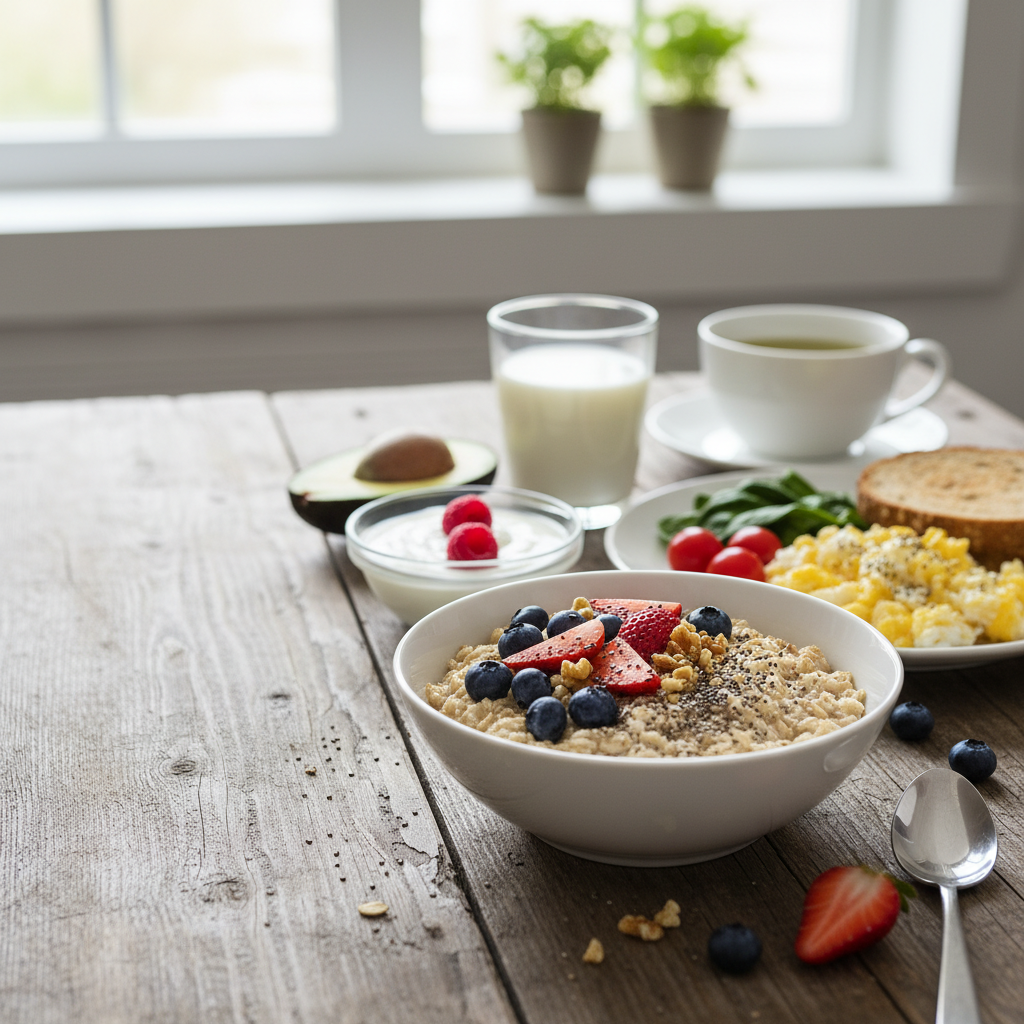

For individuals with type 2 diabetes, the best breakfast foods are those that prioritize complex carbohydrates, lean protein, healthy fats, and ample fiber to effectively manage blood sugar levels and provide sustained energy. Think smart choices like scrambled eggs with vegetables, Greek yogurt with berries and a sprinkle of nuts, or fiber-rich oatmeal. Starting your day with these nutrient-dense options can significantly impact your glycemic control and overall well-being.




The Foundation: Balancing Macronutrients for Blood Sugar

Breakfast truly is the most important meal of the day, especially when you’re managing type 2 diabetes. It’s your opportunity to set a stable blood sugar trajectory for the next several hours, preventing the energy crashes and cravings that can lead to unhealthy snacking later on. Skipping breakfast can even exacerbate the “dawn phenomenon,” where blood sugar levels rise naturally in the morning due to hormonal changes, making management harder. By making mindful choices at breakfast, you’re essentially laying a strong foundation for your metabolic health for the entire day.
The key is to create a balanced meal that intelligently incorporates protein, fiber, and healthy fats. Each of these macronutrients plays a vital role in slowing down the absorption of glucose into your bloodstream. Protein takes longer to digest, fiber forms a gel-like substance that physically slows down sugar absorption, and healthy fats further delay gastric emptying. When consumed together, they work synergistically to prevent rapid blood sugar spikes, keeping your levels steady and your energy consistent. It’s about combining ingredients that complement each other’s effects on your body.
Furthermore, prioritizing low glycemic index (GI) carbohydrates is crucial. The glycemic index is a system that ranks carbohydrate-containing foods by how much they raise blood sugar levels. Foods with a high GI cause a rapid spike, while low GI foods are digested more slowly, leading to a more gradual and sustained rise in blood sugar. Swapping out highly processed, sugary carbs for their low GI, fiber-rich counterparts is a powerful strategy to maintain better blood sugar control and keep you feeling full and satisfied without the rollercoaster effect.
Protein Powerhouses for Morning Meals
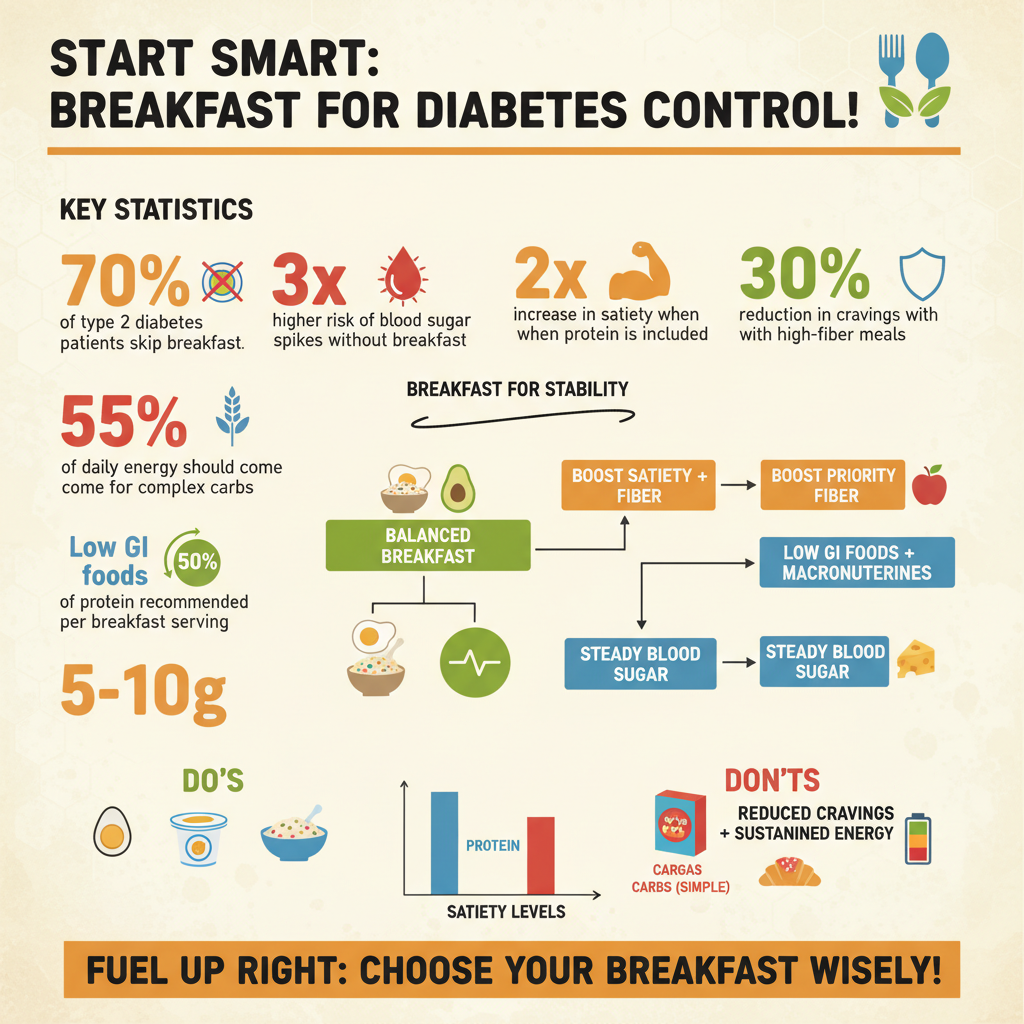

Protein is an absolute superstar when it comes to a diabetes-friendly breakfast. Its primary benefit is its ability to increase satiety, meaning it helps you feel fuller for longer. This is because protein stimulates the release of hormones that signal fullness to your brain, reducing the likelihood of overeating or snacking on less healthy options before your next meal. This sustained fullness directly contributes to stable blood sugar levels by preventing sudden drops that trigger hunger and subsequent glucose intake.
Let’s dive into some top protein sources perfect for your morning meal. Eggs are incredibly versatile and nutritious, offering high-quality protein whether you choose whole eggs or just the whites. Scramble them with veggies, hard-boil them for an on-the-go option, or make a frittata. Greek yogurt is another excellent choice; it typically contains twice the protein of regular yogurt, along with beneficial probiotics for gut health. Look for plain, unsweetened varieties and add your own flavor with berries or a touch of cinnamon. Cottage cheese is also a fantastic source of casein, a slow-digesting protein that provides a steady stream of amino acids, making it great for sustained energy. For those who enjoy breakfast meats, opt for lean options like turkey bacon or chicken sausage, but always check labels for sodium and added sugars, and consume them in moderation.
Beyond just satiety and blood sugar stability, protein is essential for muscle maintenance and overall metabolic health. Muscle tissue is more metabolically active than fat tissue, meaning it burns more calories even at rest. Maintaining and building muscle mass through adequate protein intake and regular physical activity can improve insulin sensitivity, making your body more efficient at using glucose and further aiding in blood sugar management. So, thinking about protein isn’t just about feeling full; it’s about building a stronger, healthier metabolism.
Fiber-Rich Carbohydrates: Your Smart Carb Choices
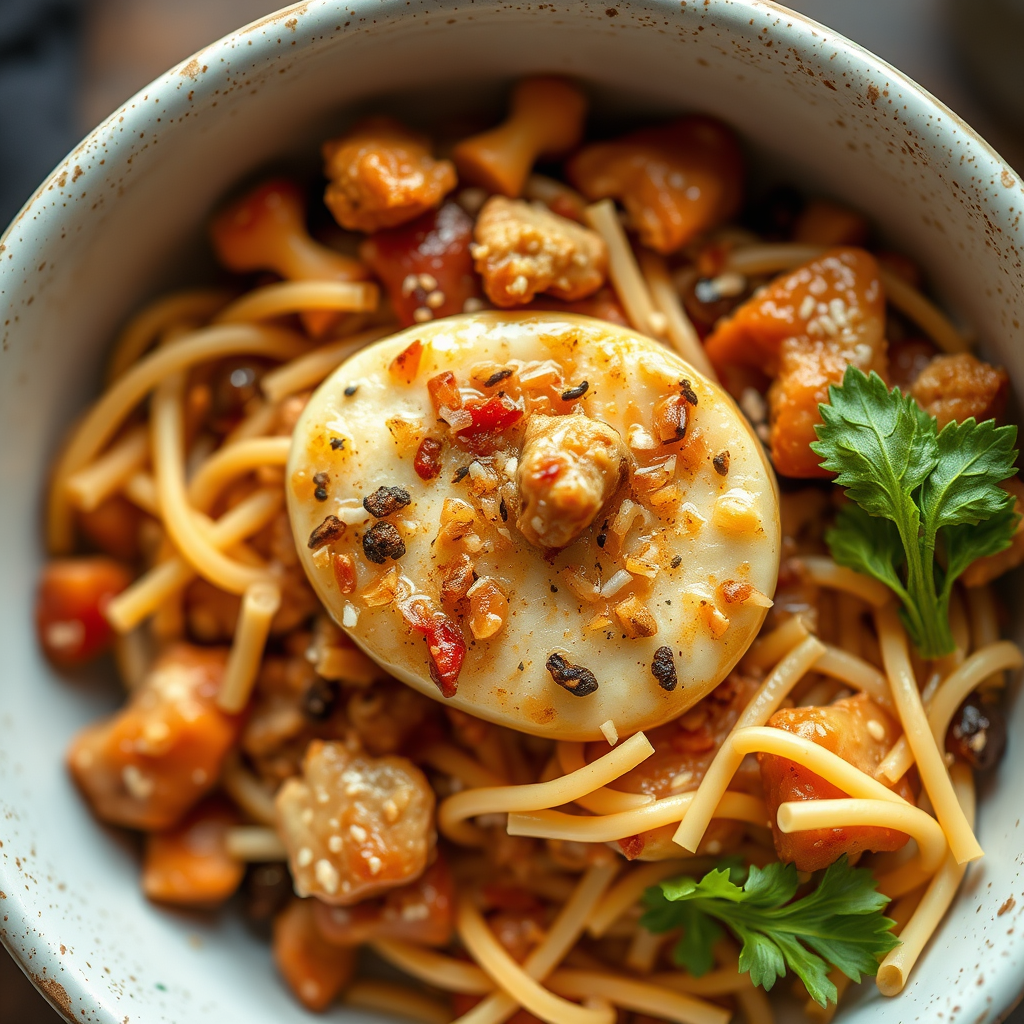
When it comes to carbohydrates, fiber is your best friend, especially for managing type 2 diabetes. Fiber, particularly soluble fiber, plays a critical role in slowing down digestion and the absorption of carbohydrates. When soluble fiber mixes with water in your digestive tract, it forms a gel-like substance that literally “traps” some of the sugars, releasing them more slowly into your bloodstream. This prevents those undesirable sharp blood sugar surges that often follow meals high in refined carbohydrates. Insoluble fiber also contributes by adding bulk to your diet, aiding digestion and promoting regularity.
So, what are the best fiber-rich carbohydrate options? Whole-grain choices are paramount. Think steel-cut or rolled oats instead of instant oatmeal, which can be highly processed and lower in fiber. Whole-wheat bread, whole-grain tortillas, or even high-fiber cereals (always check the label for at least 5 grams of fiber per serving and low sugar content) can be great choices. The key is to ensure the “whole grain” is listed as the first ingredient. These foods provide sustained energy without the drastic blood sugar fluctuations associated with refined grains.
Don’t forget about non-starchy vegetables and berries! These are powerhouses of fiber and antioxidants, offering a wealth of nutrients with minimal impact on blood sugar. Spinach, kale, bell peppers, broccoli, and zucchini can be easily incorporated into omelets or breakfast scrambles. Berries like blueberries, raspberries, and strawberries are relatively low in sugar compared to other fruits and pack a punch with fiber and vitamins, making them a perfect addition to yogurt or oatmeal. They add natural sweetness and a boost of health without the guilt.
Healthy Fats for Sustained Energy and Satiety
While often misunderstood, healthy fats are an indispensable component of a diabetes-friendly breakfast. They contribute significantly to feelings of fullness and satisfaction, primarily because fats take a long time to digest, further slowing down the rate at which food leaves your stomach. This extended digestion helps maintain steady blood sugar levels and prevents premature hunger pangs, curbing the temptation for unhealthy snacks. Beyond satiety, healthy fats are crucial for the absorption of fat-soluble vitamins (A, D, E, and K), which are vital for numerous bodily functions. They also play a significant role in supporting heart health, which is especially important for individuals with type 2 diabetes who often have an increased risk of cardiovascular issues.
When selecting healthy fats, focus on sources rich in monounsaturated and polyunsaturated fats, including omega-3 fatty acids. Avocado is a fantastic option, loaded with monounsaturated fats, fiber, and potassium – perfect for smashing onto whole-grain toast or adding to a breakfast bowl. Nuts such as almonds, walnuts, and pecans offer a blend of healthy fats, protein, and fiber, making them a crunchy and satisfying addition to yogurt or oatmeal. Walnuts, in particular, are an excellent source of omega-3s.
Seeds are another tiny but mighty source of healthy fats. Chia seeds are renowned for their omega-3 content and their ability to absorb liquid and form a gel, adding a fiber boost. Flax seeds, especially ground flax seeds, provide omega-3s and lignans, which have antioxidant properties. Hemp seeds offer a good balance of omega-3s and protein. You can sprinkle them over yogurt, oatmeal, or blend them into smoothies. Lastly, extra virgin olive oil is ideal for cooking eggs or drizzling over vegetables. While healthy, fats are calorie-dense, so portion control is key. A quarter of an avocado, a small handful of nuts (about 1/4 cup), or a tablespoon of seeds is usually a good serving size to enjoy their benefits without overdoing the calories.
Smart Breakfast Combinations and Meal Ideas
Crafting a delicious and diabetes-friendly breakfast doesn’t have to be complicated! The magic often happens when you combine the macronutrients we’ve discussed into satisfying meals. Let’s look at some actionable ideas that bring together protein, fiber, and healthy fats:
* Veggie Omelet with Whole-Grain Toast and Avocado: Whisk two eggs with a splash of unsweetened almond milk and load it up with non-starchy vegetables like spinach, bell peppers, and mushrooms. Serve alongside a slice of whole-grain toast (look for bread with at least 3g fiber per slice) topped with a quarter of a mashed avocado for healthy fats and extra fiber.
* Greek Yogurt Parfait with Berries and Nuts/Seeds: Layer plain, unsweetened Greek yogurt with a generous half-cup of mixed berries (like raspberries and blueberries) and a sprinkle of chopped almonds or chia seeds. This gives you protein, fiber, antioxidants, and healthy fats in a visually appealing and delicious package.
* Steel-Cut or Rolled Oatmeal with Protein Boost: Cook a serving of steel-cut or rolled oats (avoid instant). Stir in a scoop of unflavored or vanilla protein powder for an extra protein punch. Top with a handful of walnuts or pecans, a tablespoon of flax seeds, and a few fresh berries.
* Breakfast Burrito/Bowl: Scramble eggs with black beans, salsa, and a generous handful of spinach. Serve in a small whole-wheat tortilla or as a bowl topped with a dollop of Greek yogurt or a few slices of avocado.
* Cottage Cheese with Sliced Tomatoes and Herbs: A simple yet satisfying option, cottage cheese provides slow-digesting protein. Pair it with sliced fresh tomatoes, a sprinkle of fresh basil or dill, and a dash of black pepper for a savory twist.
For those busy mornings, quick and easy solutions are a lifesaver. Prepare overnight oats the night before by combining rolled oats, unsweetened almond milk, chia seeds, and berries in a jar. By morning, it’s a ready-to-eat, fiber-packed meal. You can also pre-portion smoothie ingredients into freezer bags (spinach, berries, a scoop of protein powder, a tablespoon of flax seeds) so all you need to do in the morning is add liquid and blend. Hard-boiled eggs can be made in advance and grabbed from the fridge for a quick protein fix.
Beyond specific foods, practicing mindful eating is incredibly important. Take your time to enjoy your meal, pay attention to the flavors and textures, and listen to your body’s hunger and fullness cues. Eating slowly can help your body register satiety more effectively, preventing overeating and aiding in better blood sugar management.
Foods to Limit or Avoid in Your Diabetes Breakfast
While we’ve focused on what to embrace, it’s equally important to be aware of common breakfast foods that can significantly sabotage your blood sugar management. These items are often high in refined carbohydrates, added sugars, and unhealthy fats, leading to rapid blood sugar spikes and subsequent energy crashes.
One of the biggest culprits is sugary cereals. Many popular cereals are essentially dessert in a box, packed with refined grains and exorbitant amounts of added sugar. They offer little fiber or protein, resulting in a quick sugar rush followed by a steep drop. Similarly, pastries like croissants, donuts, muffins, and danishes are typically made with refined flour, unhealthy fats, and loads of sugar, making them detrimental to blood sugar control and overall health.
Pancakes, waffles, and French toast, especially when drenched in syrup, fall into a similar category. They are often made with white flour, which acts much like sugar in the body, and the syrup is pure concentrated sugar. Even fruit juices, which might seem healthy, are problematic because they strip away the beneficial fiber from the fruit, leaving behind concentrated fruit sugar that can cause rapid blood sugar spikes. It’s always better to eat the whole fruit to get the fiber.
In general, it’s wise to minimize processed foods, refined carbohydrates, and added sugars. These ingredients are often hidden in seemingly innocent breakfast items. Processed breakfast bars, for instance, can be loaded with sugar and artificial ingredients. Always check nutrition labels carefully.
Finally, exercise caution with sweetened coffee drinks and highly processed breakfast meats. That large caramel latte from your favorite coffee shop can contain more sugar than you should consume in an entire day, leading to significant blood sugar spikes. Opt for black coffee, unsweetened tea, or coffee with a splash of unsweetened almond milk. As for breakfast meats, while lean options were suggested in moderation, many pre-packaged sausages, bacon, and breakfast ham are loaded with sodium, nitrates, and unhealthy saturated fats, which are not beneficial for heart health or diabetes management. When in doubt, lean towards fresh, whole, unprocessed foods.
Crafting the ideal breakfast for type 2 diabetes involves a strategic combination of protein, fiber, and healthy fats, with careful attention to carbohydrate types and portion sizes. By making informed choices like eggs, whole grains, and healthy fats, you can stabilize blood sugar, feel fuller longer, and support your long-term health goals. Always consult with a dietitian or healthcare provider to personalize these recommendations for your specific dietary needs and medical conditions.
Frequently Asked Questions
What are the best breakfast foods for managing type 2 diabetes?
The best breakfast foods for type 2 diabetes focus on a balance of lean protein, high fiber, healthy fats, and complex carbohydrates. Excellent choices include eggs, Greek yogurt, whole-grain oatmeal (unsweetened), chia seeds, nuts, and non-starchy vegetables like spinach. These options help stabilize blood sugar levels and provide sustained energy throughout the morning.
How can I make my breakfast more balanced to prevent blood sugar spikes?
To prevent blood sugar spikes, combine sources of protein (e.g., eggs, cottage cheese), fiber (e.g., berries, whole-grain toast), and healthy fats (e.g., avocado, a small handful of almonds) in every breakfast. Prioritize whole foods over processed items and limit added sugars and refined grains. This strategic combination slows down glucose absorption, leading to more stable blood sugar levels.
Which common breakfast items should people with type 2 diabetes limit or avoid?
Individuals with type 2 diabetes should limit or avoid breakfast items high in refined carbohydrates and added sugars, which can cause rapid blood sugar spikes. This includes sugary cereals, pastries, white bread, sweetened fruit juices, pancakes or waffles with syrup, and highly processed breakfast bars. Opting for nutrient-dense alternatives is crucial for effective diabetes management.
Why is protein and fiber crucial for a diabetic-friendly breakfast?
Protein and fiber are crucial in a diabetic-friendly breakfast because they significantly help in slowing down glucose absorption into the bloodstream. Protein promotes satiety, helping to manage appetite and weight, while fiber adds bulk and aids digestion, further contributing to stable blood sugar levels. Together, they prevent the rapid spikes often associated with carbohydrate-heavy meals, offering better blood sugar control for type 2 diabetes.
Can I still enjoy fruit for breakfast if I have type 2 diabetes, and what types are best?
Yes, you can absolutely enjoy fruit for breakfast as part of a balanced meal if you have type 2 diabetes, but moderation and choice are key. Opt for fruits with a lower glycemic index and higher fiber content, such as berries (strawberries, blueberries), apples, pears, and oranges. Always pair your fruit with a protein or healthy fat source to minimize its impact on blood sugar levels and enhance satiety.
References
- https://www.diabetes.org/healthy-living/recipes-nutrition/eating-well/healthy-breakfast/breakfast-ideas-people-diabetes
- Flu shots: Especially important if you have heart disease – Mayo Clinic
- https://www.health.harvard.edu/diabetes/the-best-breakfasts-for-diabetes
- https://health.clevelandclinic.org/best-breakfast-for-diabetes/
- https://www.cdc.gov/diabetes/managing/healthy-eating.html
- Diabetic Diet | MedlinePlus
- https://en.wikipedia.org/wiki/Diabetic_diet



Pingback: Best Moisturizing Creams for Diabetics: Top Choices - Best For Diabetics
Pingback: The Top 5 Hospitals for Diabetes Care in Tennessee - Best For Diabetics