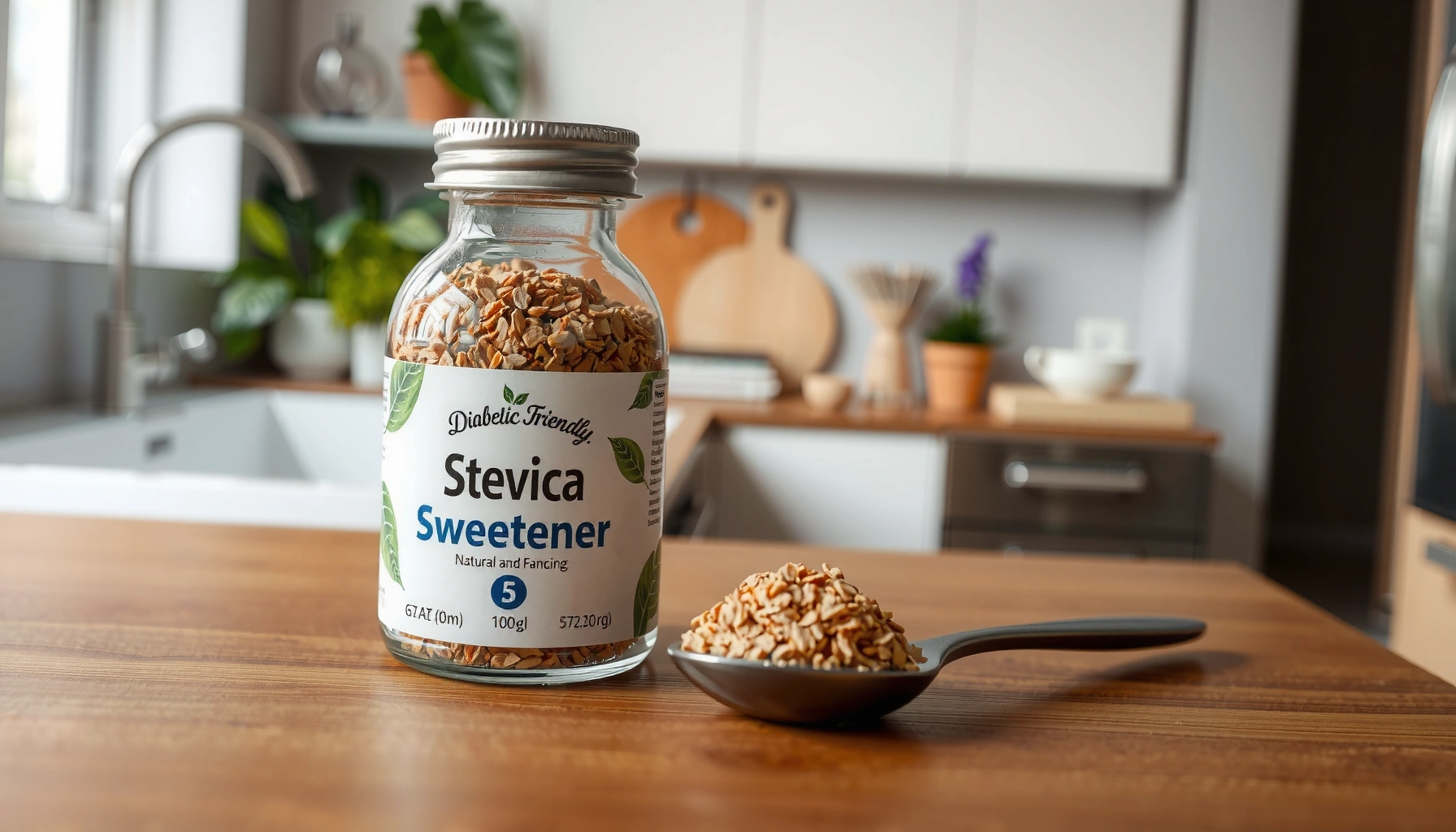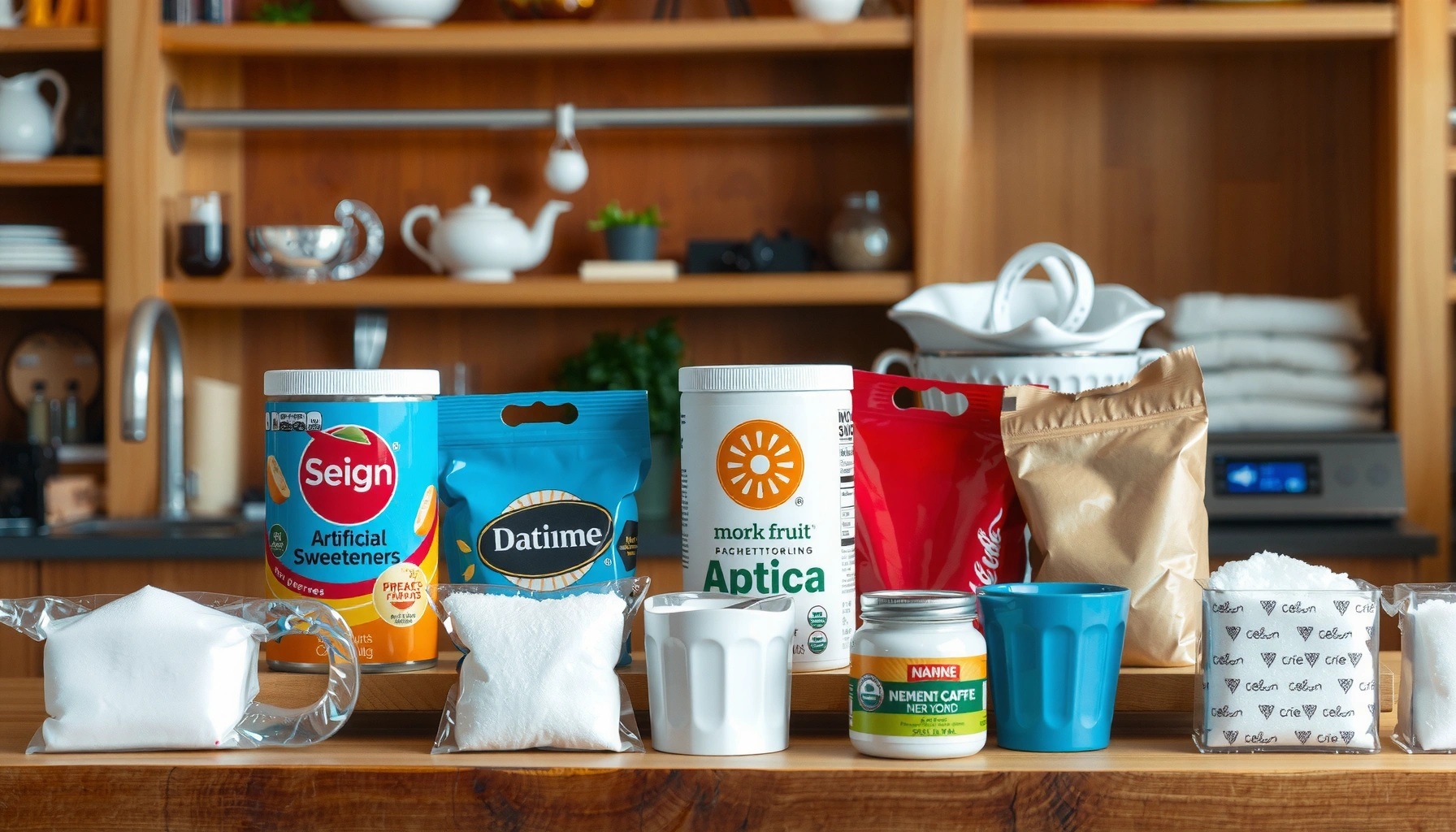

When seeking the “best” artificial sugar for diabetics, it’s crucial to understand that there isn’t a single universal answer, as individual responses and preferences vary. Generally, safe and widely accepted options include sucralose, aspartame, saccharin, stevia, monk fruit, and erythritol, all of which offer sweetness without significantly impacting blood glucose levels. This guide will help you navigate the various options and understand the key factors to consider when choosing the right sweetener for your diabetic diet. Our goal is to empower you with the knowledge to make informed, personalized choices that support your health and allow you to enjoy sweet treats responsibly.




Understanding Artificial Sweeteners & Diabetes

Artificial sweeteners, often called sugar substitutes or non-nutritive sweeteners, are compounds that provide the taste of sweetness with significantly fewer calories and carbohydrates than traditional sugar. For individuals managing diabetes, this is incredibly valuable. These sweeteners allow you to enjoy sweet flavors in your food and beverages without causing the rapid rise in blood glucose levels that regular sugar (sucrose) would trigger. This means greater flexibility in your diet and the ability to satisfy a sweet tooth without compromising your blood sugar management goals. They can be a fantastic tool for reducing overall sugar intake, which is a cornerstone of a healthy diabetic diet.
It’s important to distinguish these artificial sweeteners from sugar alcohols (like sorbitol, xylitol, and mannitol), which are often found in “sugar-free” products. While sugar alcohols do contain fewer calories than sugar and have a lower glycemic impact, they are not calorie-free and can still affect blood sugar levels, albeit more slowly and less dramatically than sugar. Furthermore, consuming larger quantities of sugar alcohols can often lead to digestive issues such as bloating, gas, and a laxative effect, which can be quite uncomfortable. Understanding this difference is key to making informed choices and avoiding unexpected blood sugar fluctuations or digestive upset.
Popular FDA-Approved Artificial Sweeteners
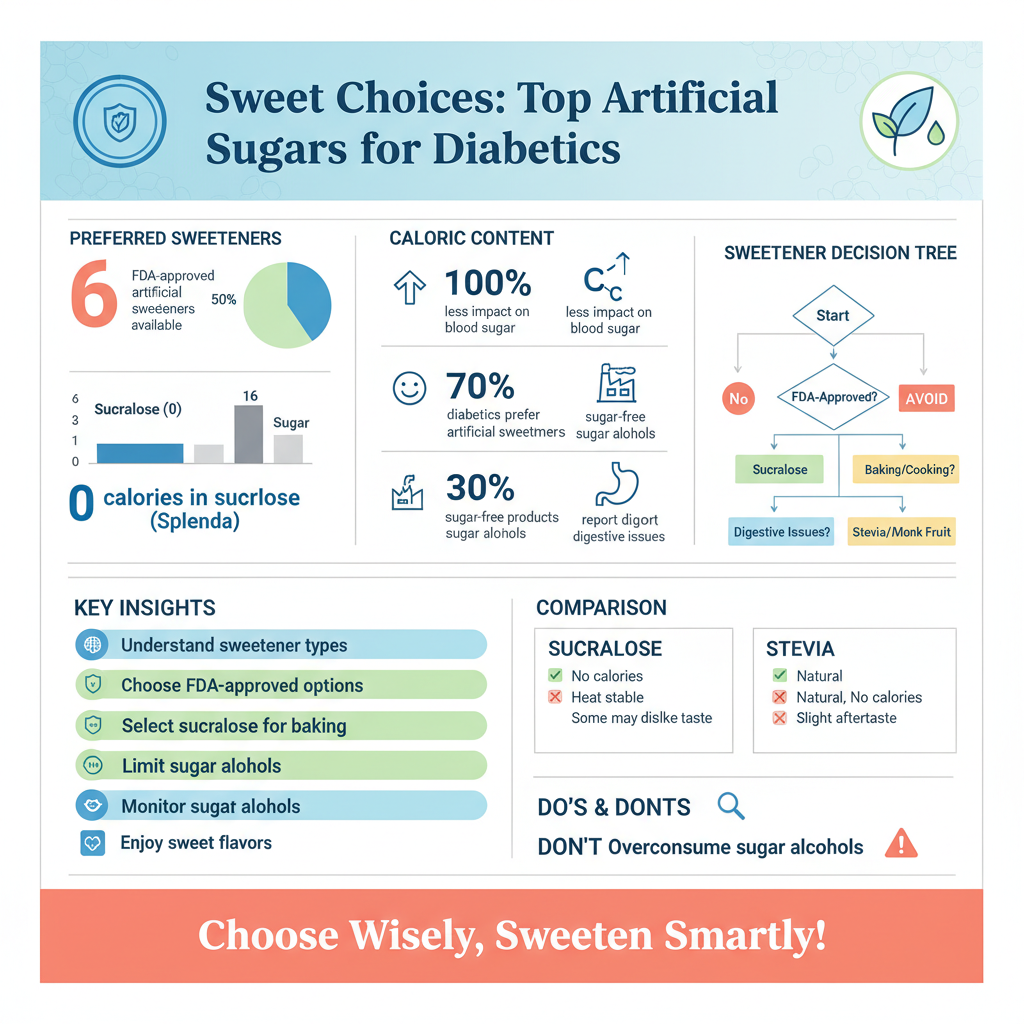

The U.S. Food and Drug Administration (FDA) rigorously evaluates the safety of food additives, including artificial sweeteners, before approving them for use. Several widely recognized and approved options have been a staple in diabetic-friendly diets for decades.
* Sucralose (Splenda): This is perhaps one of the most popular artificial sweeteners, known for its sugar-like taste and versatility. Sucralose is derived from sugar through a multi-step process that modifies the sugar molecule, making it indigestible and calorie-free. A significant advantage of sucralose is its high heat stability, meaning it holds up well when exposed to high temperatures, making it an excellent choice for baking and cooking without losing its sweetness. It’s found in a vast array of products, from diet sodas and yogurts to baked goods, and is generally well-tolerated by most people.
* Aspartame (NutraSweet, Equal): Aspartame is another widely used artificial sweetener, particularly prevalent in diet beverages and sugar-free chewing gum. It’s made from two amino acids, aspartic acid and phenylalanine, and provides a clean, sweet taste without a strong aftertaste for many users. However, it’s crucial to note a significant caution: individuals diagnosed with Phenylketonuria (PKU), a rare genetic disorder, must strictly avoid aspartame. Their bodies cannot properly metabolize phenylalanine, and its accumulation can lead to serious health issues. For everyone else, aspartame is considered safe by the FDA within acceptable daily intake levels, though it’s less stable at high temperatures, making it less ideal for baking.
* Saccharin (Sweet’N Low): Saccharin is one of the oldest artificial sweeteners, discovered way back in 1879. It’s significantly sweeter than sugar and is known for its distinct, sometimes described as slightly metallic, taste, especially in higher concentrations. Despite past controversies, extensive research has confirmed saccharin’s safety for human consumption, and it remains an FDA-approved sweetener. It’s very stable under heat, making it suitable for a variety of culinary applications, and is often found in tabletop sweeteners and certain diet foods.
Natural Alternative Sweeteners
Beyond the traditional artificial sweeteners, a newer generation of “natural” alternatives has gained significant traction, often appealing to those looking for plant-derived or less processed options.
* Stevia (Truvia, PureVia): Stevia is a zero-calorie sweetener derived from the leaves of the *Stevia rebaudiana* plant, native to South America. The sweet compounds, called steviol glycosides (like Reb A and Reb M), are extracted and purified. Stevia is incredibly potent, hundreds of times sweeter than sugar, so only a tiny amount is needed. While many appreciate its natural origin, some individuals do notice a slight licorice-like or bitter aftertaste, especially with certain formulations. Despite this, it’s a popular choice for sweetening beverages and can be used in some baking recipes, though its performance can vary depending on the specific product.
* Monk Fruit (Luo Han Guo): Monk fruit sweetener is extracted from the monk fruit, or *Siraitia grosvenorii*, a small round fruit native to Southeast Asia. The sweet components are called mogrosides, which are powerful antioxidants and provide intense sweetness without calories or carbohydrates. Monk fruit is rapidly gaining popularity because many users report a very clean taste profile, with little to no aftertaste, making it a favorite for those sensitive to the aftertaste of other sweeteners. It’s heat-stable and versatile, making it suitable for a wide range of uses, from sweetening coffee to inclusion in recipes.
* Erythritol (Sugar Alcohol): While technically a sugar alcohol, erythritol stands out from its cousins (like sorbitol and xylitol) due to its unique properties. It’s found naturally in some fruits and fermented foods. What makes erythritol particularly suitable for diabetics is that it’s absorbed into the bloodstream but not metabolized by the body, meaning it has virtually no caloric value and, most importantly, a negligible impact on blood sugar levels. Unlike other sugar alcohols, erythritol is largely excreted unchanged in urine, leading to fewer digestive side effects, even in larger amounts. It has about 70% of the sweetness of sugar and offers a pleasant, mild taste, making it a great bulking agent in baking for those looking to replace sugar volume.
Key Factors for Choosing Your Sweetener
Selecting the right sweetener is a personal journey, and what works wonderfully for one person might not be ideal for another. Here are the key considerations to guide your choice:
* Taste Profile & Aftertaste: This is often the most subjective but crucial factor. Each sweetener has a unique taste profile. Some people are highly sensitive to the aftertaste that certain sweeteners can leave – often described as metallic, bitter, or chemical. For example, some find saccharin or certain stevia formulations to have a noticeable aftertaste, while monk fruit and erythritol are often praised for their clean finish. The best way to determine your preference is to try small amounts of different types in your regular foods and drinks. You might discover that a blend of sweeteners works best for you, as different compounds can sometimes mask each other’s less desirable notes.
* Glycemic Impact: While the primary benefit of artificial sweeteners is their minimal impact on blood sugar, it’s still wise to monitor your personal response. Most FDA-approved non-nutritive sweeteners have a negligible effect on blood glucose. However, individual metabolic responses can vary slightly, and some “sugar-free” products might contain other ingredients (like starches or sugar alcohols in higher quantities) that could affect blood sugar. If you’re a person with diabetes, regularly checking your blood glucose levels after consuming new sweeteners or products containing them can provide valuable personalized data.
* Digestive Tolerance: This factor is especially important when considering sugar alcohols like erythritol, xylitol, or sorbitol, as well as some individuals’ sensitivities to other artificial sweeteners. While erythritol is generally well-tolerated, consuming very large quantities of any sugar alcohol can lead to gastrointestinal discomfort, including bloating, gas, and diarrhea. Even non-nutritive sweeteners, in rare cases, can cause mild digestive upset in highly sensitive individuals. Always start with small amounts to assess your body’s reaction and adjust your intake accordingly.
How to Safely Incorporate Sweeteners
Once you’ve chosen your preferred sweeteners, knowing how to use them effectively and safely is important for maximizing their benefits in your diabetic management plan.
* Moderation is Key: Even though artificial sweeteners are calorie-free and don’t significantly impact blood sugar, consuming them in reasonable amounts as part of a balanced diet is still important. The goal is to reduce your overall preference for intense sweetness, not to replace every gram of sugar with an artificial alternative. Relying too heavily on highly sweetened foods, even if sugar-free, might reinforce a strong sweet tooth, potentially making it harder to appreciate naturally less sweet foods. Think of them as a tool to help you reduce sugar, not a license to overindulge in sweet flavors.
* Read Food Labels Carefully: This cannot be stressed enough, especially for individuals with diabetes. Many “sugar-free” or “diet” products can be misleading. Always scrutinize the ingredient list to identify the specific type of sweetener used and check the nutritional information for total carbohydrates, including sugar alcohols. Products often use blends of sweeteners, and some may contain other hidden carbohydrates or ingredients that could still affect your blood sugar or provide unwanted calories. A product labeled “sugar-free” might still contain refined flours or other ingredients that can elevate blood glucose.
* Cooking and Baking Considerations: If you plan to use artificial sweeteners in your homemade culinary creations, consider their heat stability. As mentioned, sucralose, saccharin, stevia, and monk fruit generally hold up well under high temperatures, making them suitable for baking and cooking. Aspartame, however, tends to lose its sweetness when heated for prolonged periods. Additionally, remember that artificial sweeteners are often much sweeter than sugar, so you’ll need significantly less. If you’re baking, sugar also contributes volume, moisture, and browning, which pure sweeteners don’t. You might need to adjust recipes by adding bulking agents like protein powder, apple sauce, or increasing liquids to achieve the desired texture and volume.
Potential Concerns and Ongoing Research
While artificial sweeteners are generally recognized as safe for consumption, scientific research is constantly evolving, and some areas warrant ongoing study and consumer awareness. It’s helpful to stay informed about these developing discussions.
* Impact on Gut Microbiome: Emerging research has begun to explore how artificial sweeteners might interact with the diverse community of bacteria living in our gut – our gut microbiome. Some studies suggest that certain sweeteners could potentially alter the composition or function of gut bacteria. While the long-term health implications of these changes are still being actively investigated and are not yet fully understood, this area of research highlights the complexity of our digestive system and the need for continued scientific inquiry into everything we consume.
* Weight Management Debate: Artificial sweeteners are often used with the intention of reducing calorie intake and aiding weight management. However, the relationship between these sweeteners, appetite, and weight is more complex than initially thought. Some studies have suggested a potential disconnect, where the sweet taste without the expected calories might trick the body, possibly leading to increased cravings, altered metabolism, or even compensatory eating later on. Other studies show no such link. This debate underscores that artificial sweeteners are not a magic bullet for weight loss and should be used as part of a holistic approach to diet and lifestyle.
* Long-term Health Implications: While extensive testing has deemed approved artificial sweeteners safe for short-to-medium term consumption, scientists continue to research the potential long-term effects of consuming these substances over many decades. This includes investigating any potential links to chronic diseases or other health outcomes. Current scientific consensus from major health organizations supports their safety, but ongoing research ensures we continue to refine our understanding and recommendations for optimal health.
When to Consult Your Healthcare Provider
Navigating dietary choices, especially when managing a condition like diabetes, is best done with professional guidance. Your healthcare team is your best resource for personalized advice.
* Personalized Dietary Advice: Every individual with diabetes has unique health needs, dietary preferences, and possibly co-existing conditions or medications. Your doctor, a certified diabetes educator, or a registered dietitian can offer tailored recommendations on which artificial sweeteners might be best for you. They can also provide guidance on overall meal planning and how sweeteners fit into your specific dietary management plan, ensuring it aligns with your health goals.
* Monitoring Blood Sugar Responses: If you decide to incorporate new sweeteners into your diet, or if you notice any unusual patterns in your blood sugar levels, it’s crucial to discuss these observations with your healthcare provider. While most artificial sweeteners should not impact blood sugar, individual variations exist, and it’s always best to rule out any unexpected interactions or sensitivities with professional medical input. Your doctor can help you interpret your readings and adjust your management plan if necessary.
* Managing Specific Health Conditions: Certain pre-existing health conditions (beyond diabetes) or medications might interact with particular artificial sweeteners. For instance, as mentioned, individuals with Phenylketonuria (PKU) must avoid aspartame. If you have any digestive disorders, kidney disease, or are taking specific medications, it is absolutely essential to consult your healthcare provider before introducing new sweeteners to ensure they won’t pose any risks or interact negatively with your current health regimen. Their expertise is invaluable for making safe and informed decisions.
Choosing the best artificial sweetener for diabetes involves a personal exploration of taste, tolerance, and practical considerations. While options like sucralose, stevia, and erythritol are generally well-regarded for their minimal impact on blood sugar, individual experiences can vary significantly. We encourage you to experiment responsibly, always paying attention to your body’s response, and most importantly, consult with your healthcare provider or a registered dietitian to make the most informed and personalized choices for your diabetic management plan. By staying informed and working with your healthcare team, you can confidently integrate sweeteners into your diet to enhance your quality of life while effectively managing your diabetes.
Frequently Asked Questions
Which artificial sweeteners are generally considered the best and safest for diabetics?
Non-nutritive sweeteners like sucralose (Splenda), aspartame (NutraSweet, Equal), saccharin (Sweet’N Low), and acesulfame potassium (Ace-K) are widely recognized as safe for diabetics. These options do not raise blood glucose levels, making them excellent sugar substitutes for managing diabetes effectively. Always consume them in moderation and as part of a balanced diet.
What impact do artificial sweeteners have on blood sugar levels for individuals with diabetes?
Most artificial sweeteners have a minimal to no impact on blood sugar levels, which is their primary benefit for diabetics. Unlike regular sugar, these non-caloric sweeteners do not contain carbohydrates that are broken down into glucose, thus preventing spikes in blood glucose. However, some products containing artificial sweeteners might also include other carbohydrates, so always check the full nutritional label.
How can diabetics choose the right artificial sweetener for their personal needs and preferences?
Choosing the right artificial sweetener involves considering taste preferences, how you plan to use it (baking, coffee, etc.), and any potential individual sensitivities. It’s wise to try different types in small amounts to see which ones you tolerate best and enjoy the most. Consulting with your doctor or a registered dietitian can also provide personalized recommendations tailored to your specific health profile and diabetes management plan.
Why might some diabetics experience digestive issues or other side effects from certain artificial sweeteners?
Some individuals, including diabetics, may experience digestive issues like bloating or diarrhea when consuming certain artificial sweeteners, particularly sugar alcohols such as sorbitol, xylitol, and erythritol, if consumed in large quantities. These sugar alcohols are not fully absorbed in the digestive tract, leading to fermentation by gut bacteria. Non-nutritive sweeteners like aspartame or sucralose are generally well-tolerated, but individual sensitivities can vary, so always monitor your body’s response.
Are there any natural, low-carb sugar alternatives that are also suitable for diabetics?
Yes, in addition to artificial sweeteners, several natural, low-carb alternatives are suitable for diabetics and widely available. Stevia (derived from the Stevia rebaudiana plant) and monk fruit extract are popular choices that provide sweetness without impacting blood sugar levels, as they contain no calories or carbohydrates. These natural non-nutritive sweeteners can be excellent options for those seeking plant-based sugar substitutes in their diabetic diet.
References
- https://diabetes.org/healthy-living/foods-nutrition/sugar-substitutes
- https://www.mayoclinic.org/diseases-conditions/diabetes/expert-answers/artificial-sweeteners/faq-20058028
- https://www.niddk.nih.gov/health-information/diet-nutrition/sugar-substitutes
- https://www.cdc.gov/diabetes/managing/eat-well/sugar-substitutes.html
- Sugar substitute
- Low-Calorie Sweeteners • The Nutrition Source
- https://www.who.int/news/item/15-05-2023-who-advises-not-to-use-non-sugar-sweeteners-for-weight-control
- Not Found | American Heart Association | American Heart Association