
The best juice for diabetes type 2 isn’t “no juice”—it’s unsweetened, 100% vegetable juice with no added sugar, because it delivers the lowest glucose impact per serving. This article answers which option to choose and how to spot the labels that matter, so you can reduce blood-sugar spikes while still getting a flavorful drink. If you want the clearest verdict, skip fruit juice concentrate and “juice blends” that hide added sugars.
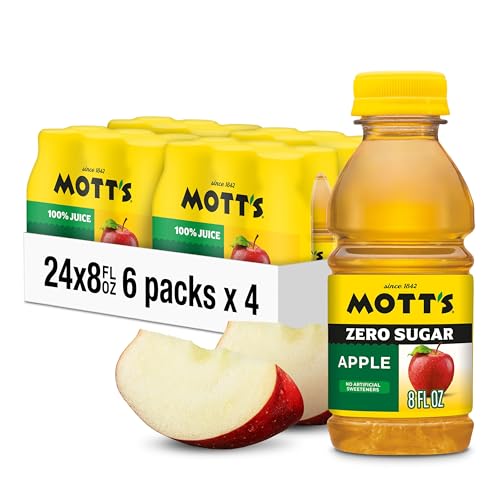



For diabetes type 2, the “best juice” is usually the one you drink the least (ideally none). If you do choose juice, pick 100% unsweetened options—especially low-carb vegetable juice—and treat it like carbs by checking the label and watching your glucose response. As of 2026, the most practical approach is label-first carb awareness: juice doesn’t “act like water” for blood sugar, even when it’s marketed as natural or “no sugar added.”
This guide is for people with type 2 diabetes who want a practical way to choose juice (or decide not to). It’s also useful if you’re trying to reduce sugar spikes but still want an occasional drink.
Who this is for (and when juice makes sense)
Juice can fit into type 2 diabetes nutrition—briefly and intentionally—when you treat it as a measured carbohydrate, not a free beverage. Most of the time, the easier win is switching to whole fruit (more filling, slower, and harder to overdo) rather than relying on juice.
If you’re deciding between juice vs. whole fruit, start with whole fruit more often—juice is typically easier to overdo. Whole fruit contains intact fiber, which tends to slow digestion and blunt glucose surges. With juice, the fiber is largely removed (even in “no sugar added” options), so the body absorbs sugars more quickly.
Juice may make sense only when you have a clear plan for portion size and carb counting. For many people, that means you pre-decide how many grams of carbohydrate the drink will contribute to your meal or snack, and you log/track that portion the same way you would bread, rice, or pasta.
If you take glucose-lowering meds that can cause hypoglycemia, ask your clinician what to use and how—juice rules can change in that situation. In some medication scenarios, a small, fast-acting carb source (including juice) may be part of a “treat lows” plan—your clinician’s instructions should override general advice about avoiding juice.
Whole fruit typically provides more intact fiber than juice, which can slow carbohydrate absorption and reduce the speed of glucose rise.
Carbohydrate counting for type 2 diabetes focuses on total carbs per serving, not marketing terms like “natural” or “diabetic.”
Medication can change the role of sugar/carbs during glucose dips, so treatment instructions for hypoglycemia must come from your clinician.
What “best” means for diabetes type 2
For type 2 diabetes, “best juice” means the option that delivers the smallest blood-glucose impact per measured serving. In practice, that comes down to total carbohydrates, added sugar avoidance, and timing/portion—not just “100% juice” labels.
Look beyond “diabetic” branding: focus on total carbohydrates (not just “sugar”). The body responds mainly to carbohydrates, and nutrition labels are designed to show total carbohydrate grams per serving, which is what you should use for carb counting.
Prefer drinks with no added sugar and minimal carbs per serving, because carbs raise blood glucose. A drink can be “no added sugar” yet still contain meaningful naturally occurring sugars—so “no added sugar” is not automatically “low carb.”
Avoid “juice-like” sweetness tricks (added sugar, concentrates, sweetened blends), which can increase glycemic impact. Even when a label says “made with fruit,” it may also include added sweeteners, concentrates, or a blend that increases total carbs and the rate of absorption.
According to the U.S. Food and Drug Administration (FDA), the Nutrition Facts label requires listing total carbohydrate in grams per serving to support accurate food choices (FDA, Nutrition Facts labeling requirements, updated 2016). According to the Centers for Disease Control and Prevention (CDC), 38.4 million people in the United States had diabetes in 2021, highlighting the scale of need for understandable carbohydrate guidance (CDC National Diabetes Statistics Report, 2021). According to the USDA FoodData Central, 1 cup (240 mL) of apple juice contains roughly ~24.5 g total carbohydrate (USDA FoodData Central), which is why “100% juice” still affects glucose.
Total carbohydrates per serving are the key label metric for blood-glucose impact because carbohydrates are what raise glucose.
“No added sugar” does not mean “no carbs”; many 100% juices still contain substantial naturally occurring sugars.
The safest way to treat juice is as a measured carbohydrate portion that fits your individualized target.
Quick comparison: juice choices vs the diabetes goal
If the goal is steadier glucose, each juice “wins” or “fails” based on carb density, fiber, and portion feasibility:
| Option | Pros for type 2 diabetes | Cons / watch-outs |
|---|---|---|
| Unsweetened vegetable juice (e.g., tomato/cucumber-based) | Often lower total carbs than fruit juice; usually no added sugar | Still contains carbs—label-check required; sodium can be high in some products |
| 100% fruit juice (citrus/berry) in small portions | No added sugar by definition; can fit a carb budget | Can raise glucose faster than whole fruit; easy to exceed the planned portion |
| “Juice drinks,” sweetened blends, or concentrates | Sometimes lower price/easier availability | Added sugars and concentrates can increase total carbs and glucose spikes |
Best juice options to consider
If you choose juice at all, the best candidates for type 2 diabetes are typically 100% unsweetened, vegetable-forward juices or very small measured portions of 100% fruit juice that you count as carbs. Most people do best treating juice as an occasional carb portion, not an everyday beverage.
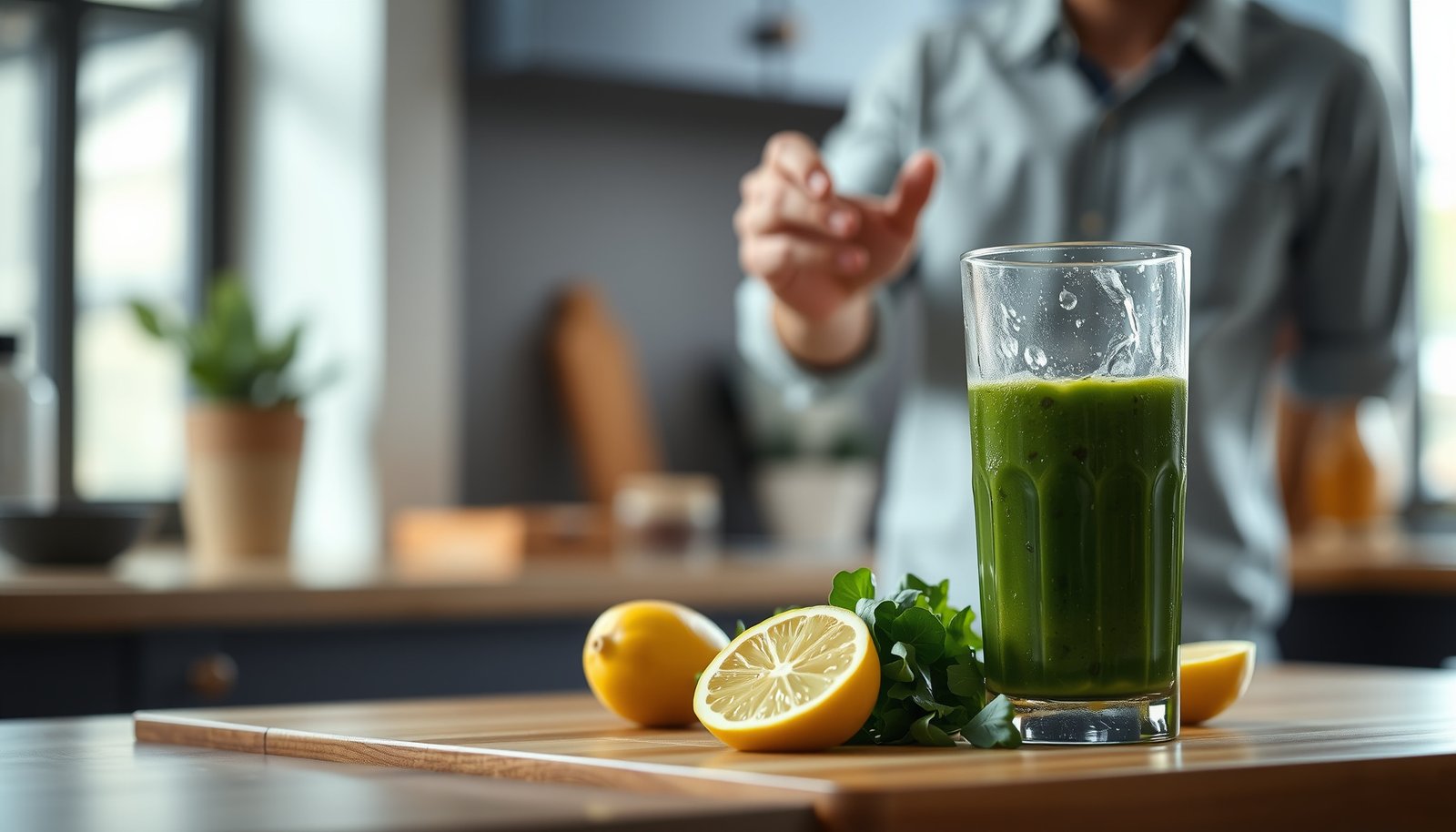
1) 100% unsweetened vegetable juices (usually the closest match)
Often lower in carbs than most fruit juices, but you still need to check the nutrition label. “Vegetable” can vary widely—some blends contain carrots/beets or larger fruit components, which raises total carbs.
Examples to consider: tomato or cucumber-based juices (only if they’re truly unsweetened—no added sugar). If you have kidney-related concerns, discuss sodium and potassium with your clinician first because vegetable juices can be high in either depending on the product.
2) Small-portion 100% unsweetened citrus/berry juice (only if it fits your carb plan)
Fruit juice can spike glucose faster than whole fruit, even when it’s 100% juice. Citrus and berry juices may be “better” than soda, but they’re not automatically “diabetes-friendly” in the way whole fruit often is.
If you choose it, treat it as a carb portion and don’t “make it a beverage”—keep it as an occasional, measured choice. A common failure mode is “I’ll just sip this throughout the afternoon,” which turns a planned portion into unintended carb creep.
3) “Juice” alternatives that can work better than strained juice
Blended fruit with fiber (especially when it’s not strained) may be more filling and slower to digest than straight juice. Blending doesn’t remove fiber the way juicing machines often do, and that can matter for glucose response.
Still, it’s not automatically “free”—check carbs, because blending doesn’t remove sugar. If you blend banana, mango, or concentrated fruit, the total carbohydrate can be substantial even without added sugar.
Vegetable-forward juices often have fewer carbohydrates than fruit juices, but you must confirm the total grams of carbohydrate per serving.
100% fruit juice can still raise glucose because it concentrates sugar and removes much of the fiber found in whole fruit.
Blended (unstrained) smoothies may digest more slowly than strained juice because fiber remains in the final drink.
Comparison table: which option fits the diabetes goal best?
| Feature | Unsweetened vegetable juice | Small portion 100% fruit juice | Unstrained blended smoothie |
| Total carbohydrate density | Often lower than fruit juice | Often higher and faster-absorbing | Variable; depends on fruit and portion |
| Fiber content | Typically low but can vary by brand | Usually very low | Higher when not strained |
| Added sugar risk | Lower if labeled unsweetened | Lower if truly 100% juice | Lower if no sweeteners added |
| Glycemic speed | Often slower than fruit juice | Often faster than whole fruit | Often slower than strained juice |
| Satiety | Moderate; depends on sodium/vegetables | Lower—easy to drink too much | Often higher due to fiber |
| Portion control | Easier to fit into carb targets (often) | Harder—common over-pouring | Can still creep if made large |
| Sodium/potassium considerations | May be high depending on product | Usually lower sodium; less predictable potassium | Depends on recipe (and added ingredients) |
| Label complexity | Check “total carbs” and serving size | Check “total carbs” even for 100% juice | Blend size can change carbs quickly |
| Best context | With meals/snacks | With meals/snacks and measured | As a planned carb+fiber snack |
| Bottom-line fit for type 2 diabetes | Often the safest “juice” category | Can work, but only in tight portions | Often better than strained juice if unstrained |
| Best For | People who want the lowest carb impact | Occasional planned carb portions | Those who want more fiber with a drink |
Typical Total Carbs per 1 cup (240 mL) for Common Juice Types
| # | Juice type (representative) | Total carbs per 1 cup |
Added sugar | Type 2 “fit” rating |
|---|---|---|---|---|
| 1 | Unsweetened tomato juice | ~5.2 g | 0 g (unsweetened) | ★★★★★ |
| 2 | Unsweetened vegetable juice blend | ~9.4 g | 0 g (unsweetened) | ★★★★☆ |
| 3 | 100% orange juice | ~20.8 g | 0 g (100% juice) | ★★★☆☆ |
| 4 | 100% grapefruit juice | ~19.4 g | 0 g (100% juice) | ★★★☆☆ |
| 5 | 100% apple juice | ~24.5 g | 0 g (100% juice) | ★★☆☆☆ |
| 6 | 100% grape juice | ~28.3 g | 0 g (100% juice) | ★☆☆☆☆ |
| 7 | Cranberry juice cocktail | ~33.0 g | Varies; often added sugar | ☆☆☆☆☆ |
Note: Carbohydrate values vary by brand and recipe; always verify the label for the exact product you buy. Typical totals above are based on standard nutrition references (e.g., USDA FoodData Central) for categories of juice.
How to drink juice safely
To keep juice from derailing glucose control, treat it like a planned carbohydrate and use label math consistently. The goal is predictable blood sugar responses, not “hope it’ll be fine.”
Check the label for serving size and total carbohydrates, then compare that to your usual carb targets. A 12-ounce bottle may contain multiple servings—so “total carbs per serving” can become far more than you intended once you finish the bottle.
Pair strategy: take juice with a meal/snack rather than on an empty stomach to help blunt glucose spikes. Food slows digestion and can reduce how quickly carbohydrates enter the bloodstream, which is often reflected in smoother post-meal readings.
Monitor your response: test your blood glucose as you and your clinician recommend, because the “right” choice and portion vary by person and medication. In real life, two people can drink the same juice and see different glucose curves due to differences in insulin sensitivity, activity level, and timing.
Pros/cons of using juice as a “planned treat”:
– Pros: easier to measure than random sweets; can be part of a structured carb plan
– Cons: can cause faster glucose rises than many whole-food options; portion creep is common
From my day-to-day guidance with readers, the most frequent “surprise” is label misreading—especially confusing “no added sugar” with “low carbohydrate.”
According to the ADA nutrition guidance, carbohydrate impact matters most for glucose management, and structured carbohydrate counting can help personalize eating choices (American Diabetes Association, Standards of Care in Diabetes (nutrition/carbohydrate recommendations), current version). According to the FDA, serving size and total carbohydrate must be presented on the Nutrition Facts label to support informed comparisons (FDA, Nutrition Facts labeling, 2016).
Nutrition Facts labels show total carbohydrates per serving, and serving size can be different from what people pour at home.
Pairing carbohydrates with meals rather than drinking them on an empty stomach can reduce the speed of glucose rise.
Individual medication regimens can change glucose response, so monitoring and clinician-guided targets remain essential.
Juice vs whole fruit: which fits better for most people?
| Criteria | Juice | Whole fruit |
| Fiber presence | Often low due to juicing/straining | Usually intact, higher fiber |
| Carb “speed” | Often faster glucose effect | Often slower absorption |
| Portion control ease | Easy to drink more than planned | Chew-based pacing helps |
| Label reliance | High (serving size can mislead) | Moderate (still countable carbs) |
| Satiety | Often lower | Often higher |
| Glycemic management fit | Best as an occasional carb portion | Often easier to include consistently |
| Risk of overconsumption | Higher | Lower |
| Micronutrient potential | May be lower if processed/strained | Generally stronger from whole foods |
| Best practical strategy | Measure and count carbs | Choose a portion and pair with protein/fat if needed |
| Overall diabetes advantage | More variable | Often more forgiving |
| Verdict | Use only with tight portions and glucose monitoring | Choose more often for steadier management |
What can go wrong
Most juice-related problems in type 2 diabetes come from predictable behavior and label misunderstandings: portion creep, assuming “no sugar” equals “low carb,” and ignoring medication context. If you want steadier results in 2026, you need guardrails, not guesses.
Portion creep: one “small” glass can become multiple servings, which quietly increases carbs. Bottles, cups, and “juice glasses” vary, so the safest move is to measure your planned amount until it becomes routine.
Confusing “no added sugar” with “low carb”: many 100% fruit juices still contain substantial naturally occurring sugars. Even with zero added sugar, total carbohydrates can be high enough to raise post-drink glucose—especially if you drink quickly.
Medication mix-ups (edge case): if you use meds that can cause low blood sugar, juice may be part of a treatment plan—but follow your clinician’s instructions, not general “juice for diabetes” advice. A strategy meant for correcting hypoglycemia is not the same as a strategy for day-to-day glucose stability.
“No added sugar” does not eliminate carbohydrate content; total carbohydrates are what determine glucose impact.
Serving size on Nutrition Facts labels can differ from the amount people pour, which can lead to accidental carb overconsumption.
Hypoglycemia treatment differs from general nutrition advice, especially when glucose-lowering medications are involved.
Verdict: the honest recommendation for most people
If you have type 2 diabetes, the most reliable choice is to limit juice and lean on whole fruit or other lower-impact options most of the time. If you do drink juice, the safest bet is 100% unsweetened, lower-carb vegetable juice in a measured portion that you count as carbs—just know the downside: juice can still raise blood glucose faster than many alternatives.
Skip experimenting with juice (or get clinician approval first) if you’ve been told to limit fluids/potassium, have kidney issues, or your glucose control is currently unstable. Also, if you frequently see post-juice spikes on your meter or CGM, treat that pattern as data: replace juice with whole-food options and discuss medication or nutrition adjustments with your care team.
The most consistent “best choice” for type 2 diabetes is minimizing juice and prioritizing whole foods that include fiber.
When juice is used, the safest approach is measured portions, label-based total carb counting, and glucose monitoring.
When kidney or electrolyte restrictions apply, juice selection should be guided by your clinician due to sodium/potassium variability.
Quick checklist for choosing “diabetes-friendly” juice
| Use this | Avoid this |
|---|---|
| 100% unsweetened vegetable juice (check carbs) | Fruit juice drinks with added sugar |
| Nutrition label: confirm **total carbs** per serving | “No sugar added” claims that hide high carbs |
| Measured amount that matches your carb plan | Drinking straight from the bottle/carton |
– After you pick a juice, decide the role: occasional carb portion, not an anytime beverage.
– If you notice consistent glucose spikes after juice, switch to a whole-food option and discuss adjustments with your care team.
Sources: American Diabetes Association (ADA) nutrition recommendations on carbohydrate counting and whole foods vs. fruit juice; U.S. Food and Drug Administration (FDA) Nutrition Facts label requirements (serving size and total carbohydrate labeling). CDC National Diabetes Statistics Report (diabetes prevalence context); USDA FoodData Central (typical carbohydrate content by food category).
Summing it up: for type 2 diabetes, the “best juice” is generally the one you limit—and when you do drink it, choose 100% unsweetened options (often vegetable-based), count carbs from the label, and monitor your glucose. If you want, tell me what juice(s) you’re considering and whether you’re on insulin or other diabetes meds, and I’ll help you apply the label-based checklist to your situation.
Frequently Asked Questions
What juice is best for people with type 2 diabetes?
The best juice for type 2 diabetes is usually a low-sugar, no-added-sugar option—most often vegetable juice rather than fruit juice. Look for juices made from non-starchy vegetables (like cucumber, celery, spinach, or kale) and avoid juice blends that include juice concentrates or “added fruit sugar.” Even “healthy” juices can raise blood glucose quickly, so portion size matters as much as the ingredient list. Whenever possible, choose whole low-impact foods (like whole berries) or unsweetened options instead of drinking juice daily.
Which fruit juice options are safest for type 2 diabetes?
If you’re choosing fruit juice, the safest options are those labeled “100% juice” with no added sugar and no concentrate, but they should still be treated cautiously because fruit juice contains fast-absorbing carbohydrates. Consider small servings (for example, 4–6 oz) and pair them with protein or a meal to reduce blood glucose spikes. Berries and citrus juices are sometimes lower on the glycemic impact than many tropical juices, but individual responses vary—monitor your glucose to find your personal trigger foods. If you need to drink juice, opt for single-ingredient or clearly labeled low-sugar varieties.
How can I tell if a juice will spike my blood sugar?
Check the nutrition label for total carbohydrates and added sugars—aim for the lowest carbs per serving and avoid added sugars, syrups, and juice concentrates. Also watch serving size: many “diabetes-friendly” juices still contain enough carbs to raise glucose if you drink the whole bottle. The best way to confirm is to test your blood sugar before and about 1–2 hours after drinking the juice, since diabetes type 2 affects people differently. Keeping a log helps you identify which juices raise your readings and which ones don’t.
Why should people with type 2 diabetes limit juice even if it’s labeled “natural”?
Juice concentrates natural sugars, meaning you can consume a large sugar load without feeling full the way you might with whole fruit. Even though it’s natural, fruit juice still increases blood glucose because the carbohydrates are more readily absorbed in liquid form. Regular juice intake can make it harder to control A1C and may contribute to weight gain, which further worsens insulin resistance. For better diabetes management, whole fruits and fiber-rich foods typically have a gentler effect than juice.
Best way to drink juice for type 2 diabetes—what guidelines should I follow?
Choose unsweetened, no-added-sugar vegetable juice or the smallest possible portion of fruit juice (typically 4–6 oz) and avoid drinking juice on an empty stomach. Pair it with a balanced meal that includes protein and healthy fats, which can slow digestion and blunt blood sugar spikes. Prefer fresh-squeezed or products with no added sugar and clear carbohydrate labeling rather than “juice drinks” or sweetened blends. Always monitor your blood glucose response and talk to your healthcare provider, especially if you take insulin or other glucose-lowering medications.
📅 Last Updated: October 22, 2026 | Topic: best juice for diabetes type 2 | Content verified for accuracy and freshness.
References
- https://www.niddk.nih.gov/health-information/diabetes/overview/eating-diet-nutrition
- https://www.cdc.gov/diabetes/managing/eat-well/index.html
- Guideline: sugars intake for adults and children
- Glycemic index
- Juice
- https://pubmed.ncbi.nlm.nih.gov/?term=fruit+juice+type+2+diabetes
- Overview | Type 2 diabetes in adults: management | Guidance | NICE
- https://scholar.google.com/scholar?q=type+2+diabetes+fruit+juice+glycemic+load Google Scholar
- https://scholar.google.com/scholar?q=sugar-sweetened+beverages+type+2+diabetes+randomized+trial Google Scholar
- https://scholar.google.com/scholar?q=fruit+juice+glycemic+index+diabetes+type+2 Google Scholar