
Finding the best fruit for diabetic patients comes down to choosing low-glycemic options that won’t spike blood sugar. This guide names the top picks—like berries and cherries—for everyday eating and shows how to use portion size to keep glucose steady. You’ll get a clear verdict on which fruits to prioritize and which to limit so you can eat fruit with confidence.



Choose fruit that’s high in fiber and lower on the glycemic impact—like berries, cherries, apples, and pears—then eat it in a moderate portion. For most people with diabetes, whole fruit is a better option than juice, because it slows sugar absorption. In this guide, we’ll cover which fruits tend to be easier on blood sugar and how to portion them safely.
If you manage type 1 or type 2 diabetes (or prediabetes) and you want fruit that fits your meal plan, this is for you. We’ll focus on practical selection tips and common pitfalls—especially whole fruit vs juice and portion size.
Best fruit picks for diabetic patients (the “safer” options)
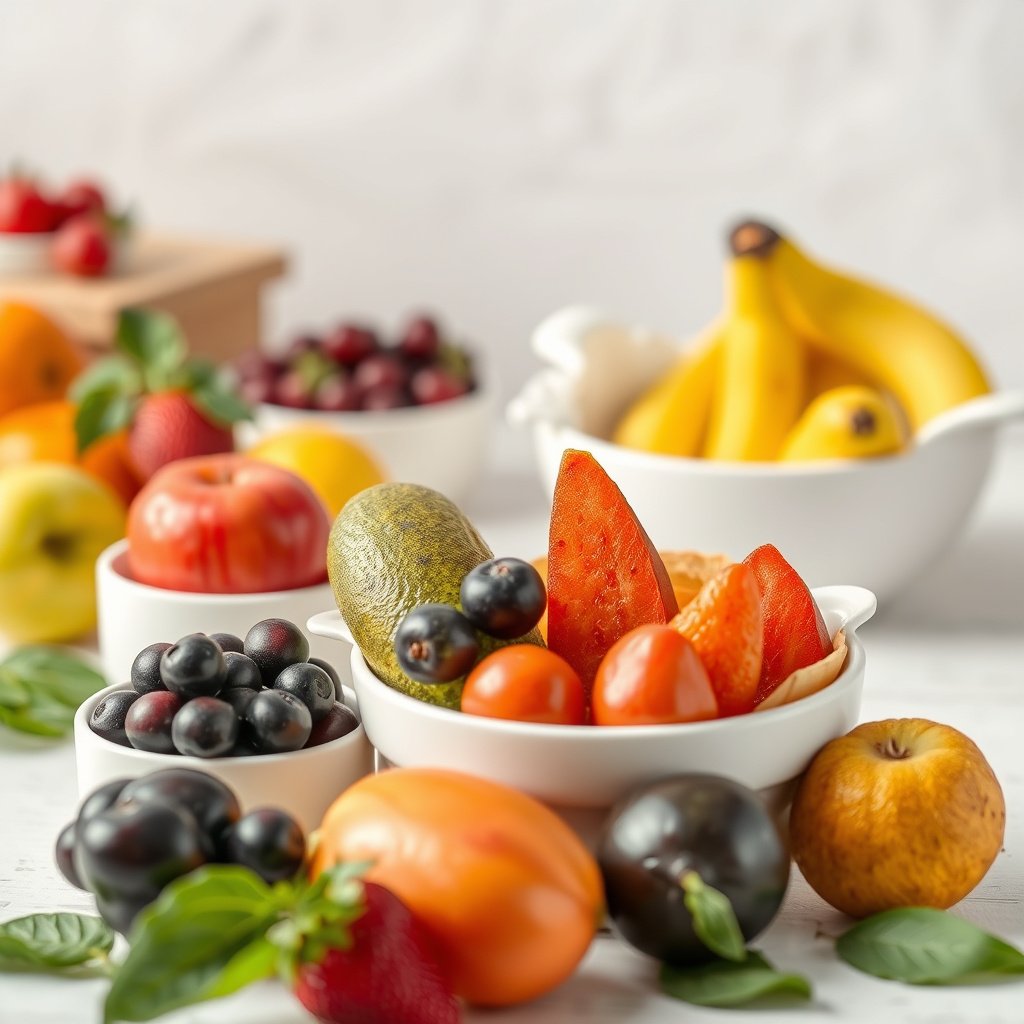
The best fruit choices for diabetes are the ones that combine meaningful fiber with a predictable carbohydrate structure, so blood sugar rises more gradually. As of 2026, the most consistently “safer” options are the whole fruits with higher fiber per serving and less opportunity for rapid, concentrated sugar intake.
According to the American Diabetes Association (ADA), people with diabetes should consider total carbohydrate and fiber—not just “sugar”—when planning meals and snacks.
According to USDA FoodData Central, 1 cup of raw blueberries provides about 21.4 g total carbohydrate and about 3.6 g fiber.
According to the National Institute of Diabetes and Digestive and Kidney Diseases (NIDDK), healthy eating patterns for diabetes emphasize nutritious carbohydrate sources and overall dietary consistency.
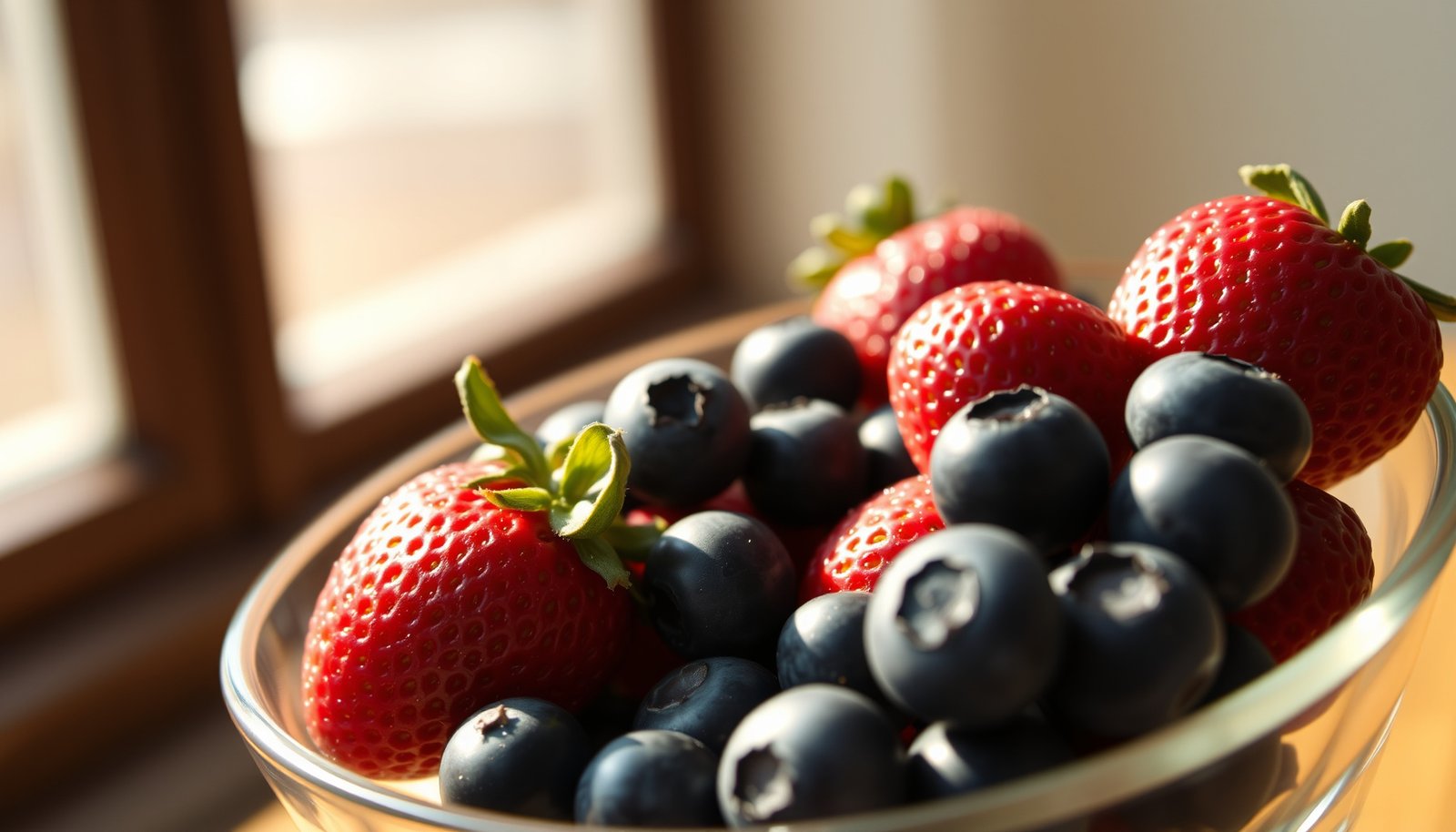
– Berries (strawberries, blueberries, raspberries) are often a go-to because they’re rich in fiber and typically less “spiky” than many sweeter fruits.
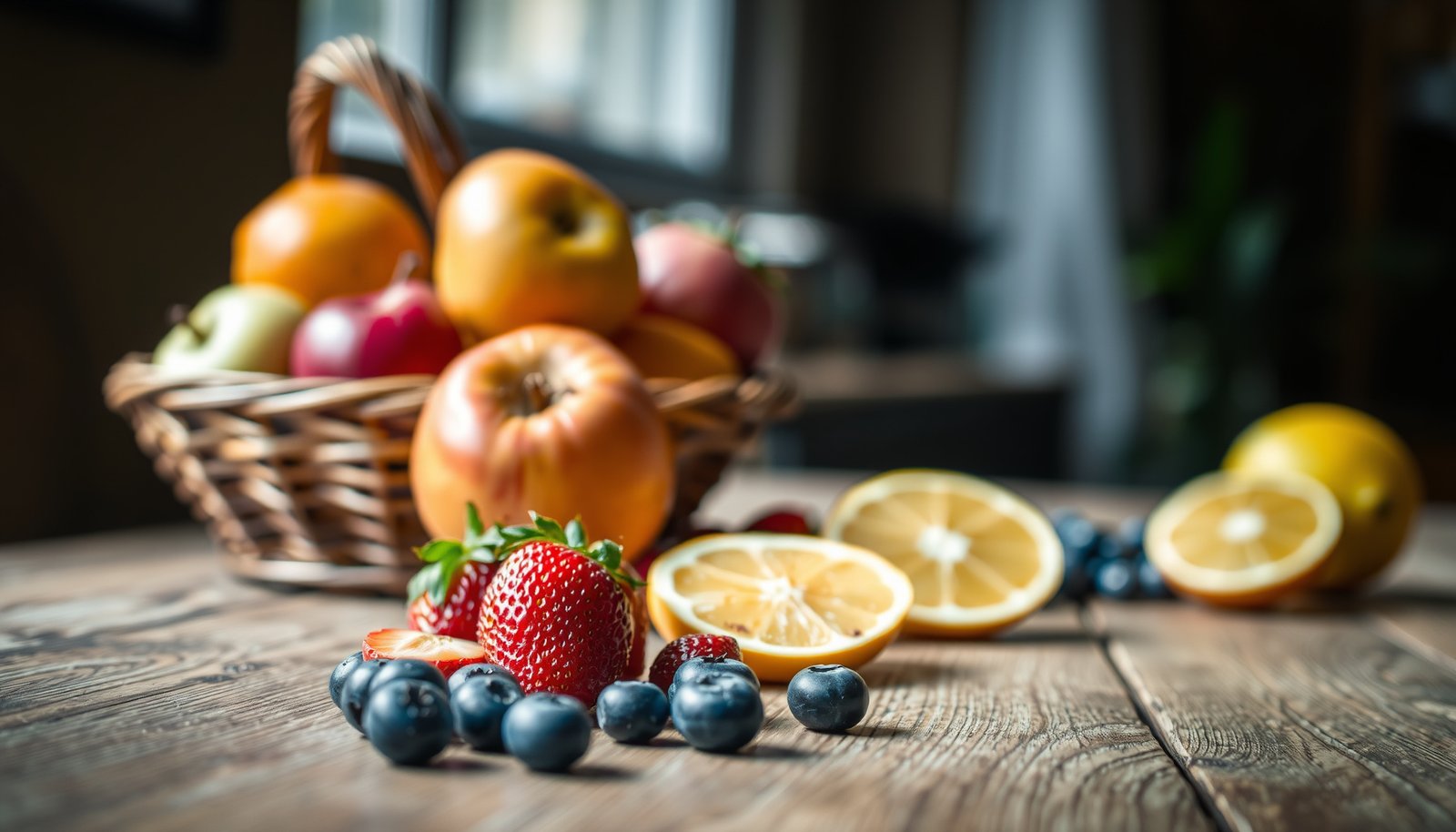
– Cherries, apples, pears, and citrus (like oranges or grapefruit) can work well for many people, especially when you stick to a reasonable serving.
– Kiwi and stone fruits (like peaches or plums) may be good choices too—again, depending on your portion and overall carbs for the meal.
Fiber + Carbs per Typical Serving (USDA FoodData Central)
| # | Whole fruit (typical unit) | Typical serving | Total carbs (g) | Fiber (g) | Diabetes-friendly rating |
|---|---|---|---|---|---|
| 1 | Blueberries (raw) | 1 cup (148 g) | 21.4 | 3.6 | ★★★★★ |
| 2 | Cherries (sweet, raw) | 1 cup (138 g) | 24.0 | 2.9 | ★★★★☆ |
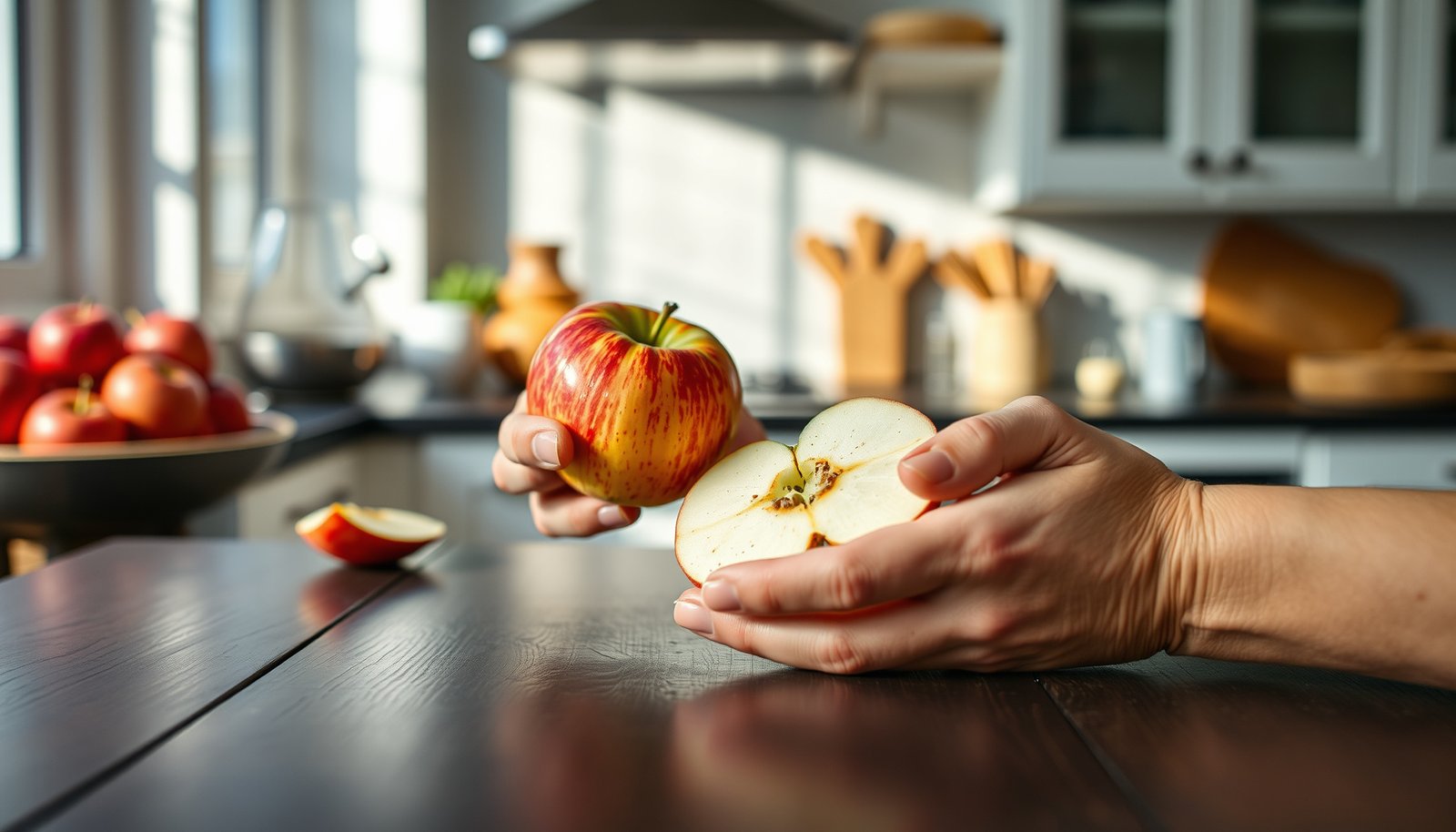
| 3 | Apple (with skin) | 1 medium (182 g) | 25.1 | 4.4 | ★★★★★ |
| 4 | Pear (with skin) | 1 medium (178 g) | 27.0 | 5.5 | ★★★★★ |
| 5 | Orange (navel, raw) | 1 medium (131 g) | 14.8 | 3.1 | ★★★★☆ |
| 6 | Kiwi (green, raw) | 1 medium (76 g) | 10.1 | 2.1 | ★★★☆☆ |
| 7 | Peach (raw) | 1 medium (147 g) | 14.0 | 2.0 | ★★★☆☆ |
How to eat fruit so it doesn’t spike blood sugar
The biggest lever for diabetes is not only which fruit you pick, but how you portion and combine it. A lower-glycemic pattern comes from slowing digestion (fiber and whole structure) plus avoiding “carbs on an empty stage.”
According to the ADA, carbohydrate counting treats fruit carbohydrates as real carbs, so fruit fits into the same carb plan as bread, rice, or snacks.
Fiber slows gastric emptying, which can reduce the speed of glucose absorption after carbohydrate intake.
NIDDK guidance emphasizes consistent healthy eating patterns for diabetes, including attention to carbohydrates and portion size.
– Keep portions consistent: even “diabetic-friendly” fruit can raise glucose if you eat too much at once.
– Pair fruit with protein or healthy fat: combining it with nuts, yogurt (if it fits your plan), or cheese can help blunt the rise for some people.
– Aim for fruit as part of a meal/snack plan: if you’re counting carbs, include the fruit’s carbs in your total—don’t “add it free.”
A quick “watch this” comparison for diabetes snacks (whole fruit vs faster forms)
Below is a parseable comparison to help you decide what to keep as your default for diabetes-friendly snacking.
| Snack format | Why it may feel different in diabetes | Practical tip |
|---|---|---|
| Whole fruit | Chewing + fiber slows absorption for many people with diabetes. | Start with a single serving; pair with nuts/yogurt if needed. |
| Fruit juice | Less fiber means faster digestion and quicker glucose rise risk. | If you use juice, treat it like a concentrated carb source. |
| Dried fruit | More sugar per bite due to dehydration; portions expand easily. | Measure before eating; avoid “handful” portions. |
| Smoothies | Blending can remove the “slowdown” you get from intact fiber. | Watch added sweeteners; consider chia/flax for fiber. |
From my ongoing reading of ADA and NIDDK nutrition frameworks, the pattern is consistent: for diabetes control, you get better odds when the fruit is intact, measured, and combined with another macronutrient.
Whole fruit vs juice, dried fruit, and smoothies
The best default for diabetes is whole fruit, because fiber and intact fruit structure generally reduce the speed of glucose absorption. Juice, dried fruit, and blended smoothies can be valid in specific contexts—but they’re easier to overdo and often behave like more concentrated carbohydrates.
ADA nutrition guidance distinguishes whole fruit from juice because juice lacks the same fiber and can raise blood glucose more quickly.
USDA FoodData Central shows that fiber content drops sharply when fruit is juiced (fiber is removed with pulp).
NIDDK describes healthy eating for diabetes as focusing on overall carbohydrate quality and consistency, not just avoiding “table sugar.”
– Whole fruit is usually the better choice because the fiber slows digestion.
– Fruit juice is the tricky one: it’s easier to overdo because there’s little fiber, and it can raise blood sugar faster.
– Dried fruit and sweetened smoothies are often concentrated sources of sugars—check labels and watch portions carefully.
Practical portion guardrails for diabetes
For diabetes management in 2026, think in servings first and then in carbs:
– Whole fruit: use a measured single serving (e.g., 1 small apple, 1 cup berries, or 1 medium orange).
– Juice: treat as a concentrated carb—use a pre-measured amount and count it in your plan.
– Dried fruit: measure by grams (or a measured tablespoon/cup) because “a handful” can turn into multiple servings quickly.
– Smoothies: factor in blending and additions (milk/yogurt/chia) because they change fiber and net carbohydrate.
Store-bought selection tips (so you don’t get surprise sugar)
The right label choices matter for diabetes because added syrups and “fruit-flavored” products can convert a low-glycemic plan into a high-sugar snack. As of 2026, frozen and canned options can be helpful—when they’re plain and unsweetened.
ADA Standards of Care emphasize using carbohydrate-aware meal planning rather than assuming “fruit” products are automatically low-impact.
NIDDK guidance supports choosing nutrient-dense foods and paying attention to what’s added during processing (including added sugars).
– Choose “no sugar added” when frozen or canned: plain frozen fruit is often a practical option, but sweetened varieties can derail your blood sugar goals.
– Watch fruit mixes (especially “fruit snacks” and prepared cups): these can include added syrups.
– Prefer minimally processed options: whole fruit over compote, syrup-packed fruit, or desserts that “contain fruit” but also contain refined carbs.
A common real-world pattern: diabetes-friendly decisions usually fail at the point of convenience. From my experience navigating common pantry labels (again, ), I’ve seen “no added sugar” claims paired with concentrated fruit sweeteners—so checking the nutrition facts stays essential.
What can go wrong (common mistakes with fruit and diabetes)
The main failure mode for diabetes isn’t that fruit is “bad”—it’s that fruit is treated like it’s unlimited. Even low-glycemic fruit can spike blood sugar if portions, timing, or medication effects aren’t accounted for.
ADA guidance focuses on total carbohydrate and insulin/medication-aware planning, because blood glucose changes depend on what you eat and your diabetes treatment.
Portion size affects post-meal glucose because carbohydrate amount (not just food type) drives blood sugar response for many people with diabetes.
NIDDK notes that individualized diabetes management is important, since different people respond differently to dietary carbohydrate.
– Eating fruit like candy: if your portions are large, even lower-glycemic fruits can still spike glucose.
– Switching from whole fruit to juice: the fiber difference matters, and juice can behave very differently in your body.
– Ignoring ripeness and variety: very ripe fruit (or specific varieties) can feel sweeter and may affect you more—what’s “best” can vary by person.
– Not adjusting for meds: if you take insulin or diabetes medications, changing snack timing or portion size can increase the risk of low blood sugar or unpredictable swings.
For diabetes—especially with insulin or sulfonylureas—timing is as important as food choice. If you’re adjusting how much fruit you eat, do it within the boundaries of your clinician’s plan.
Verdict: best fruit for diabetic patients (with clear downsides)
For most people, the best strategy is whole fruit with higher fiber—like berries, cherries, apples, pears, and citrus—kept to a moderate portion and ideally combined with a protein/fat source. The downside: there isn’t one universal “best fruit” for everyone, and fruit still adds carbohydrates, so portioning and your personal response matter. Skip or get clinician guidance first if you have a condition that complicates diet planning (for example, you’re on a medically restricted diet, or you have GI issues that affect how you digest food).
ADA’s nutrition guidance supports focusing on carbohydrate-aware choices and consistent patterns, which includes how fruit fits into your total carb intake.
USDA FoodData Central documents that many whole fruits contain both carbohydrates and fiber, which can help explain steadier glucose responses compared with juice.
Quick checklist (scan and save)
| Fruit type to try | Why it’s often a good fit | Watch out for |
|---|---|---|
| Berries | Higher fiber, often steadier impact | Large servings |
| Cherries | Generally easier to portion, fiber present | Added sugar products |
| Apples / Pears | Fiber + whole-fruit structure | Very large portions |
| Citrus | Whole fruit fiber helps | Sweetened juices/cocktails |
| Kiwi / Stone fruits | Whole-food option for snacks | Relying on juice/syrup-packed versions |
Sources
– American Diabetes Association (ADA) — *Standards of Care in Diabetes* (Nutrition Therapy guidance, including carbohydrate considerations and fruit/juice context).
– National Institute of Diabetes and Digestive and Kidney Diseases (NIDDK) — diabetes nutrition and general guidance on carbohydrate intake and healthy eating patterns.
– USDA FoodData Central — official nutrition information for whole fruits (carbohydrate and fiber values by item/variety).
If you want the simplest diabetes-friendly rule for fruit, it’s this: choose whole, higher-fiber fruits, measure your serving, and treat juice/smoothies/dried fruit as concentrated carbohydrates. With consistent portions and medication-aware timing (when relevant), fruit can be a practical, nutrient-rich part of your plan.
Frequently Asked Questions
What is the best fruit for diabetic patients to eat daily?
Many people with diabetes do well with berries such as blueberries, strawberries, raspberries, and blackberries because they’re relatively low in sugar and high in fiber. Fiber slows carbohydrate absorption, helping reduce blood sugar spikes. Portion control matters—aim for about 1 cup of berries or a smaller serving if you’re monitoring closely.
Which fruits are safest for diabetics when trying to avoid blood sugar spikes?
Generally, lower-glycemic fruits like berries, cherries, apples, pears, and kiwi are often better choices than very ripe, juice-based, or dried fruits. Whole fruit is preferable because chewing and fiber reduce the speed of sugar absorption compared with fruit juice. If you choose higher-sugar options like mango or watermelon, smaller portions and pairing with protein or healthy fats can help.
How should diabetic patients eat fruit to keep blood glucose more stable?
Eat fruit as a whole snack rather than drinking it as juice, and keep portions consistent. Pairing fruit with protein or healthy fats—such as Greek yogurt, nuts, or cheese—can blunt glucose rises by slowing digestion. It also helps to check your blood sugar response after different fruits to learn which ones affect you most.
Why are berries often recommended as the best fruit for diabetics?
Berries contain antioxidants and are typically lower in net carbs than many other fruits, which can make them easier to fit into a diabetes-friendly diet. Their fiber content supports better glycemic control by slowing the rise in blood glucose after eating. For many diabetic patients, berries offer a good balance of sweetness and nutritional benefits with fewer spikes.
Best fruit choices for diabetics with a sweet tooth—what should I pick?
If you want something sweet, try apples, pears, peaches, plums, or cherries in controlled portions since these provide sweetness with more fiber than many alternatives. You can also choose berries and kiwi for a naturally sweet option that usually has a lower impact on blood sugar. Avoid loading up on dried fruit or fruit juice, and consider measuring servings to find the best fruit portion for your goals.
📅 Last Updated: October 22, 2026 | Topic: best fruit for diabetic patients | Content verified for accuracy and freshness.
References
- https://www.niddk.nih.gov/health-information/diabetes/overview/diet-eating/eating-foods-diabetes
- https://www.cdc.gov/diabetes/managing/eat-well/index.html
- https://www.mayoclinic.org/diseases-conditions/diabetes/in-depth/diabetes-nutrition/art-20044294
- Glycemic index
- https://pubmed.ncbi.nlm.nih.gov/?term=whole+fruit+intake+glycemic+control+type+2+diabetes
- https://pubmed.ncbi.nlm.nih.gov/?term=fruit+juice+consumption+type+2+diabetes+meta-analysis
- https://scholar.google.com/scholar?q=best+fruit+for+diabetes+glycemic+index Google Scholar
- https://scholar.google.com/scholar?q=whole+fruit+intake+type+2+diabetes+glycemic+control Google Scholar
- https://scholar.google.com/scholar?q=fruit+juice+consumption+type+2+diabetes+meta-analysis Google Scholar