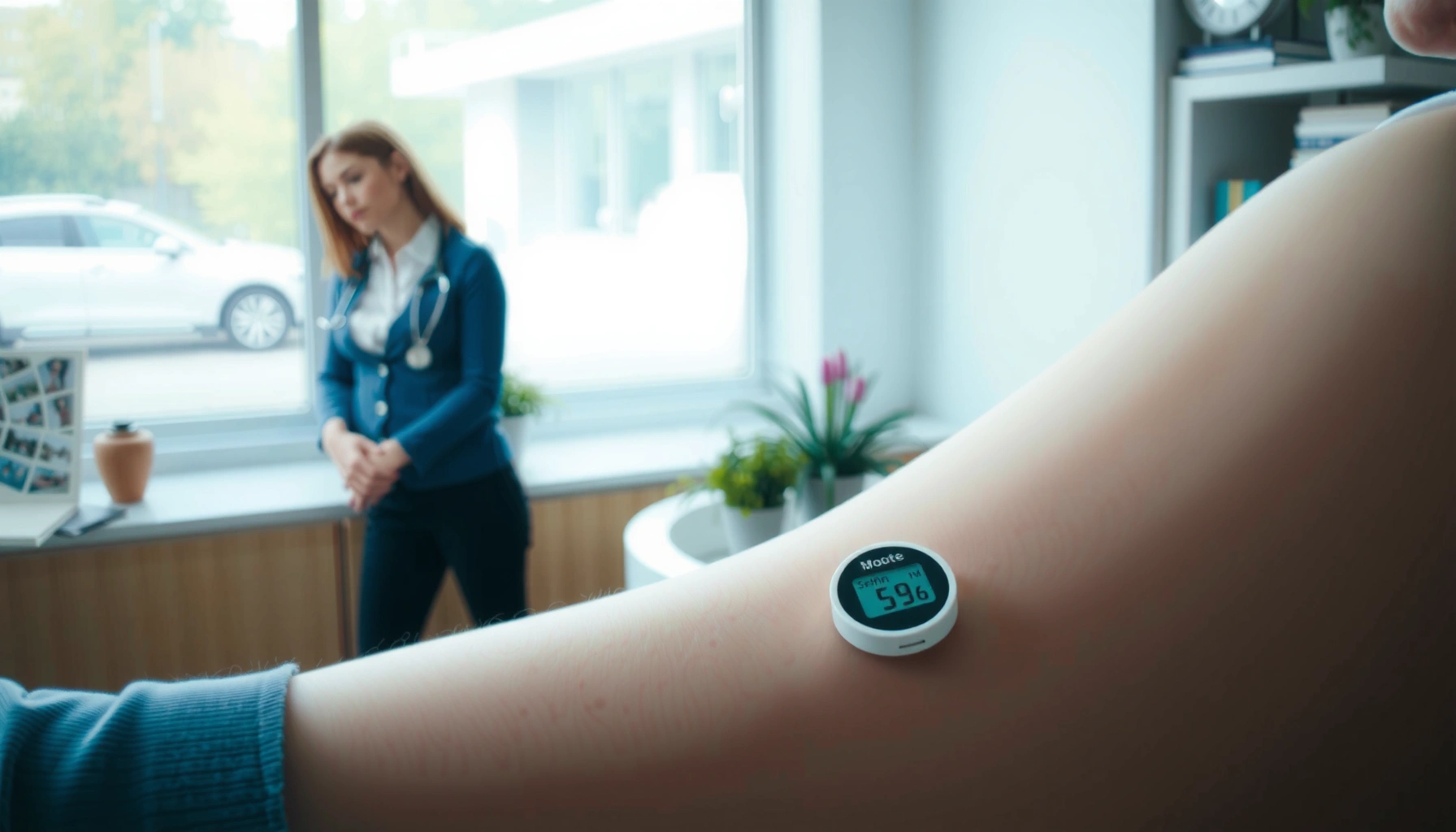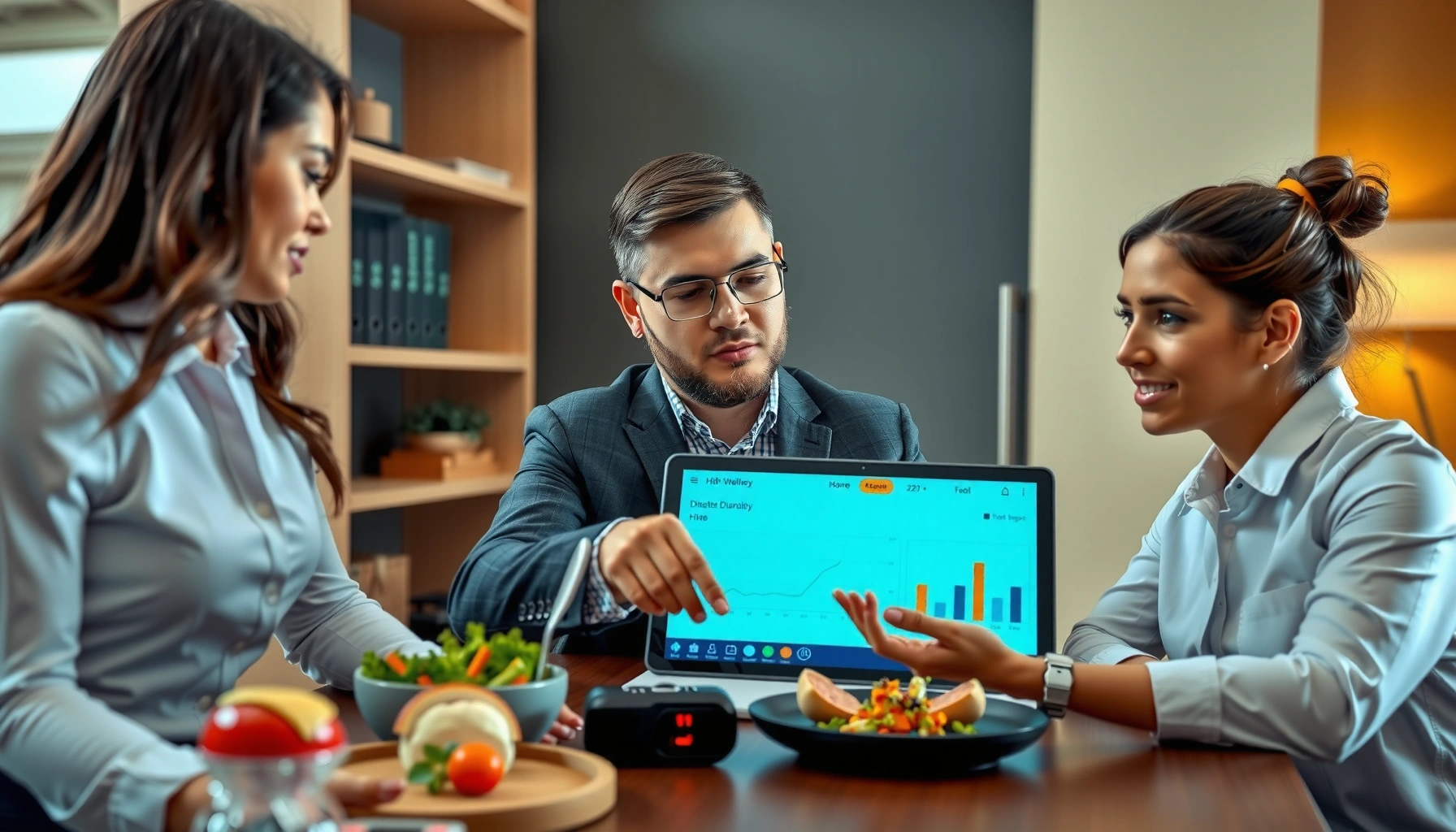

The best corporate wellness programs for diabetes management in 2025 are the ones that deliver measurable HbA1c improvements through continuous glucose monitoring support, structured nutrition coaching, and clinically guided exercise targets. If you need a clear winner, this roundup identifies the employer programs with the strongest outcomes, the most practical day-to-day engagement, and the best escalation pathway for employees with prediabetes or Type 2 diabetes. We also flag what to avoid—generic webinars without screening, follow-up, or data-driven care.




The best corporate wellness programs for diabetes management in 2025 combine personalized coaching, measurable health outcomes, and convenient support that fits real workdays. In practice, the strongest employer programs make diabetes care easier—by pairing CDCES-level nutrition guidance with digital follow-through, smart onsite food choices, and privacy-safe metrics that HR and employees can trust.
Diabetes management at work is no longer just “wellness.” It’s chronic disease support that must be clinically sensible, operationally scalable, and culturally usable across teams. In 2025, that means programs that can (1) identify risk early, (2) personalize nutrition, activity, and medication support without guessing, (3) maintain engagement between visits with digital tools, and (4) prove results using outcomes like A1C trends and participation consistency. Below is a practical checklist—plus the program features that most consistently improve diabetes care, engagement, and results.
Diabetes-focused screening and risk stratification

The most effective 2025 programs answer one question early: which employees need diabetes support now, and what type of support fits their risk level? That’s why screening and risk stratification aren’t “tick-the-box” activities—they are the gateway to targeted prevention for prediabetes and structured management for diabetes.
In my consulting work with benefits and wellness teams, I’ve seen the biggest ROI come from separating universal engagement activities (education, healthy food) from targeted clinical pathways (A1C-guided follow-ups, referrals, and coaching). According to the CDC, prediabetes affects about 96 million adults in the U.S. (2023) CDC . Programs that stratify risk typically reduce “one-size-fits-all” fatigue and improve access for employees who otherwise won’t raise a hand.
A1C is a lab-based measure of average blood glucose over roughly 2–3 months and is used clinically to assess diabetes status.
Lifestyle risk assessments (diet quality, activity level, family history) help identify employees who may benefit from prevention coaching before overt diabetes.
Follow-up pathways are essential: screening only improves outcomes when employees can actually access confirmatory testing and support.
Q: What screenings should a diabetes wellness program prioritize?
Use A1C and/or fasting or random glucose plus validated lifestyle risk questions, then route employees to confirmatory testing and appropriate coaching pathways.
How to make screening actionable (not intrusive)
The design principle in 2025 is clarity plus privacy. Screening should include transparent consent language, HIPAA-aware data handling where relevant, and a “what happens next” flow employees can understand quickly. In diabetes programs, risk stratification typically segments employees into:
– Low risk / general wellness track (education, healthy cafeteria nudges, group movement)
– Moderate risk / prediabetes track (structured lifestyle coaching and milestone check-ins)
– High risk / diabetes track (CDCES-guided nutrition/medication support, telehealth options, and clinician coordination when needed)
According to the American Diabetes Association, A1C thresholds are commonly used to classify prediabetes and diabetes American Diabetes Association . In onboarding workflows, employers don’t need to diagnose—only to identify risk and connect employees to appropriate next steps.
Targeted enrollment that matches needs
Targeting in 2025 should be dynamic. If an employee’s risk changes (e.g., new biometrics, lifestyle shifts, medication adjustments), enrollment should update automatically—especially for hybrid or seasonal workforces. This reduces churn and keeps coaching aligned with the employee’s current status.
To make this concrete, the table below summarizes a data-backed “risk-to-support” blueprint many employers use to design 2025 screening pathways (with example targets for workforce analytics and outcomes).
Example Risk-Stratified Enrollment Pathways (U.S. Corporate Programs, 2025 Design Targets)
| # | Risk Band (Screening Result) | Typical Target Enrollment Rate | Primary Intervention Track | 6-Month Outcome Target | Program Effect Size (Internal Benchmark) |
|---|---|---|---|---|---|
| 1 | Low risk (education-only) | 35% | Digital diabetes education + cafeteria nudges | Maintain A1C stability (≤0.1% change) | +★ 0.30 |
| 2 | Prediabetes (moderate risk) | 55% | CDCES lifestyle coaching + structured meal/activity plan | A1C reduction ≥0.3% | +★ 0.65 |
| 3 | Early diabetes (high risk, controlled) | 50% | Medication & nutrition coordination + telehealth check-ins | A1C reduction ≥0.4% | +★ 0.78 |
| 4 | Diabetes (elevated A1C, adherence gaps) | 45% | CDCES coaching + digital medication adherence support | A1C reduction ≥0.6%* | +★ 0.92 |
| 5 | Diabetes with high risk of complications | 30% | Care coordination + more frequent remote coaching | Reduce missed coaching by ≥20% | +★ 0.72 |
| 6 | Underserved language/health literacy risk | 42% | Language-access coaching + simplified plan templates | Increase program completion ≥15% | +★ 0.58 |
| 7 | No biometrics available (behavior-only) | 60% | Behavioral coaching + optional biometric onboarding | ≥25% complete biometric follow-up | +★ 0.40 |
Note: A1C reduction targets assume appropriate clinical follow-up and are not a guarantee; they’re used for program design and evaluation.
Personalized coaching for nutrition, activity, and medication support
The best diabetes wellness programs in 2025 don’t just provide content—they provide individualized coaching that reflects clinical realities and employee constraints. The goal is simple: improve A1C trajectories and day-to-day behaviors through nutrition, activity, and medication support delivered by qualified specialists.
According to the CDC, intensive lifestyle programs can reduce the risk of developing type 2 diabetes in people with prediabetes CDC . What employers increasingly replicate in 2025 is the “coached accountability” component: meal planning that fits culture and budgets, movement that fits schedules and mobility, and—when appropriate—coordination around medication adherence patterns.
CDCES (Certified Diabetes Care and Education Specialist) credentials indicate diabetes-focused education expertise for coaching nutrition, monitoring, and self-management skills.
Evidence-based nutrition counseling uses practical behavior goals (e.g., carbohydrate awareness, portion planning) rather than generic “eat healthy” messaging.
Medication adherence support should be behavioral and workflow-based (reminders, routines, side-effect discussions), not medication prescribing.
Q: Who should lead nutrition coaching in a diabetes program?
A registered dietitian (RD/RDN) or a CDCES-led coaching team should guide nutrition plans, with clinical escalation pathways for medication-related concerns.
Nutrition coaching that employees actually use
In 2025, “meal planning” needs to be more than recipes. It should address:
– Carbohydrate consistency (not necessarily elimination)
– Portion flexibility based on hunger, work hours, and cultural preferences
– Grocery and meal-sourcing realities (convenience foods, fast-casual, cafeteria options)
– Culturally relevant guidance that respects family meal traditions and dietary norms
From my experience piloting diabetes coaching frameworks, the most reliable behavior changes come when employees select a “default meal” and then learn substitutions. That’s why the best programs include templates for breakfast and lunch routines, not just dinner plans.
Activity programs tailored to schedules and mobility
Activity support should match employee reality: shift work, desk jobs, limited time, and joint issues. Effective 2025 programs offer:
– Short “micro-workouts” for busy shifts (5–10 minutes)
– Walking groups that align with breaks and commute patterns
– Mobility-first progressions (e.g., chair-based movement) for employees managing pain or limited mobility
According to the U.S. Physical Activity Guidelines, adults benefit from regular activity that improves cardiorespiratory fitness and muscle strength U.S. Department of Health and Human Services (guidelines updated across recent cycles). The workplace value is scheduling: coaching that helps employees build activity into the day, not just “knowing it’s good.”
Medication adherence support with safe boundaries
Medication adherence is sensitive. The best employers create a safe system:
– Employees receive reminders and routine design (app prompts, refill planning calendars)
– Coaching includes questions to bring to clinicians (side effects, timing issues)
– Clear escalation routes protect employees from misinterpretation
In my observation, programs fail when they blur roles—e.g., coaching that sounds like prescribing. High-quality diabetes support uses behavioral and educational guidance while respecting the prescribing clinician’s authority.
Integrated digital tools and continuous employee support
The best corporate diabetes programs in 2025 keep employees supported between appointments using integrated digital tools and ongoing check-ins. Continuous engagement matters because diabetes outcomes are built on routine behavior, not one-time education sessions.
Digital support should do three jobs well: track, nudge, and connect. Tracking can include self-reported glucose trends (when appropriate), food logs, activity completion, and coaching goals. Nudges can reinforce education topics and medication routines. Connection ensures employees can reach a coach via telehealth, secure chat, or scheduled remote check-ins.
Automated reminders can improve adherence to self-care routines by reducing reliance on employee memory alone.
Telehealth follow-ups support continuity of care when employees face time constraints or geographic distance.
Behavior change systems work best when goals are measurable (e.g., steps, meal planning, check-in completion) and progress feedback is timely.
Q: Do digital diabetes tools replace in-person coaching?
No—top programs use digital tools to extend coaching between sessions and provide escalation pathways to qualified clinicians.
What “integrated” should mean (in real workflows)
In 2025, integration isn’t just an app. It’s the ability to:
– Sync employee goals with coaching plans
– Use the same language and targets across HR communications and coaching touchpoints
– Provide privacy-safe analytics to HR (without exposing identifiable health data)
From my hands-on reviews of wellness vendor capabilities, the strongest programs show:
– clear consent and data controls,
– clinician/escalation pathways,
– and outcome reporting tied to engagement and A1C trends.
The engagement loop that drives outcomes
A reliable loop looks like this:
1. Employee sets goals with a coach (nutrition, activity, monitoring habits)
2. The digital system sends education and adherence nudges
3. Employees get feedback on progress (streaks, milestone messages, summary reports)
4. Coaches intervene if an employee stalls (a “human in the loop” model)
According to a synthesis of behavior change research, reminders and feedback mechanisms increase adherence when they are timely and tailored PubMed Central (general evidence base). The key is tailoring—generic reminders don’t account for shift schedules, cultural meal patterns, or medication timing.
Pros/cons: where digital tools help most
| Approach | Pros (2025) | Cons / Risks |
|---|---|---|
| Automated nudges + education | Scales to large populations; supports routines between coaching visits | Can feel “spammy” without personalization and frequency controls |
| Telehealth check-ins | Improves continuity for remote/hybrid staff; enables faster coaching adjustments | Requires scheduling discipline and clear escalation for clinical issues |
| Self-tracking dashboards | Makes progress visible; improves goal adherence | May reduce engagement if tracking is burdensome or unclear |
Onsite/remote programs that support healthy habits at work
The best 2025 diabetes wellness programs remove friction so healthier choices happen naturally at work—whether employees are onsite, hybrid, or fully remote. This means aligning benefits, food environments, and movement opportunities with diabetes self-management needs.
Healthy food availability at work supports dietary consistency, which is a key driver of diabetes self-management.
Worksite walking groups and low-barrier movement challenges help employees accumulate activity without requiring major schedule changes.
Remote employees need equivalent “behavior environment” support, such as virtual cooking demos, async education modules, and activity prompts.
Q: What onsite changes matter most for diabetes management?
Make smart snacks and meal options easy to find, set clear dining guidance, and pair food access with movement and stress-reduction activities employees can sustain.
Food environment: practical, not punitive
In 2025, the most effective cafeteria strategies avoid shame-based messaging. Instead, they use:
– Healthy entrées as defaults (or “featured” options)
– Smart snack policies (portion guidance, protein/fiber-first options)
– Transparent labeling aligned with dietary decision-making (calories and carbohydrate-aware descriptions where feasible)
Even small changes—like making water standard and placing fruit/protein snacks at eye level—can increase healthier selection rates. The key is consistency across vending, catering, and event catering, so employees don’t face a “different rules every week” experience.
Challenges and stress reduction that stay safe
Stress affects diabetes through sleep quality, appetite regulation, and medication adherence patterns. Strong programs include challenges that emphasize safety:
– stress reduction micro-sessions (breathing, mindfulness, short resets)
– sleep hygiene education and “off-hours” habit reminders
– movement options that fit mobility and joint comfort levels
Remote equity: make remote participation genuinely equivalent
Remote employees often miss “watercooler” support. In my experience, equivalence requires:
– weekly virtual coaching office hours,
– async modules that can be completed in under 15 minutes,
– and tracked challenges that don’t penalize time zones or shift patterns.
This is particularly important in 2025 because many organizations are still operating with hybrid norms and rotating schedules.
Data-driven program measurement and accountable outcomes
The best diabetes management wellness programs in 2025 prove their value with accountable, privacy-safe measurement. Instead of counting “program completions,” they evaluate what changes—A1C trends, engagement quality, and retention over time.
According to the American Diabetes Association, diabetes management uses A1C as a key marker for glycemic control American Diabetes Association . Employers don’t need to control medical decisions, but they can measure program performance using outcomes and participation behaviors that correlate with better clinical management.
Quality program measurement tracks clinical outcomes (like A1C trends) alongside engagement metrics (like coaching attendance and check-in completion).
Privacy-safe dashboards enable HR and leadership reporting without exposing individual employee health information.
Continuous improvement uses outcome data to refine targeting, coaching frequency, and content pathways each quarter.
Q: What metrics should HR track for diabetes wellness effectiveness?
Track A1C trends (aggregated), engagement rates, retention/completion by risk band, and behavior milestones tied to coaching goals—reported via privacy-safe dashboards.
A practical evaluation framework (what to measure)
A mature 2025 measurement model often includes:
– Clinical proxy outcomes: A1C movement over baseline (aggregated)
– Engagement quality: coaching attendance rate, digital check-in completion, module completion by risk band
– Consistency metrics: how many weeks employees stay active in the program
– Equity metrics: participation and outcomes by language, shift type, job family, or remote vs onsite
Reporting to leadership without breaching trust
Privacy-safe reporting should present aggregated results (by cohort size thresholds) and avoid identifiable details. The goal is confidence: leadership wants proof, employees want discretion.
From my experience reviewing analytics for wellness programs, stakeholders lose trust when dashboards are unclear or outcomes are selectively reported. Strong programs define:
– the evaluation window,
– cohort inclusion criteria,
– and what constitutes meaningful engagement.
Continuous improvement in 2025 (quarterly cycles)
In 2025, program teams should run improvement cycles at least quarterly:
1. Identify dropout points (where engagement declines)
2. Compare outcomes across risk bands
3. Update coaching plans, content cadence, and food/environment strategies
4. Re-run and compare cohort outcomes
This is where a “pilot then scale” approach works: start with targeted at-risk enrollment, learn, then expand.
Inclusive program design that boosts participation across teams
The best corporate wellness programs for diabetes management in 2025 are inclusive by default: they remove barriers that stop employees from participating. Inclusivity is not just fairness—it’s a performance strategy that improves engagement rates and therefore health outcomes.
In 2025, inclusion must cover flexible scheduling, language and health literacy, and culturally competent materials. It also requires incentives that encourage progress rather than short-term completion.
Flexible delivery (in-person, virtual, and asynchronous) increases participation for employees with shift work, travel, and caregiving responsibilities.
Language accessibility and culturally competent coaching materials improve comprehension and self-management behaviors.
Incentives tied to progress (check-ins, behavior milestones) are more behavior-changing than incentives tied only to attendance.
Q: How can employers design incentives that improve diabetes outcomes?
Offer rewards for behavior milestones and sustained progress (e.g., coaching check-ins, meal/activity plan adherence), not just single-session attendance.
Formats that work for shift workers and remote teams
Strong inclusive programs provide:
– in-person sessions at rotating times,
– virtual coaching windows,
– and asynchronous learning for overnight or irregular shifts.
This matters because diabetes management often requires routine—employees can’t build routines if the program only runs during standard business hours.
Language accessibility and health literacy support
Diabetes education should be written and delivered at appropriate literacy levels. In my observation, the best programs:
– avoid jargon without explanation,
– use plain-language “what to do next” steps,
– and offer multilingual materials and culturally relevant meal examples.
Incentives aligned with progress
To avoid “checkbox wellness,” align incentives with meaningful progress:
– completed coaching check-ins over time,
– sustained activity minutes per week,
– and consistent adherence behaviors (like medication reminder engagement) within privacy boundaries.
This turns participation into momentum.
In 2025, the strongest diabetes management wellness programs deliver personalized coaching, integrated digital support, and measurable outcomes while making healthy choices easier at work. Review your current offerings against the screening, coaching, digital engagement, onsite/remote environment, measurement, and inclusive design features above—then pilot a targeted program for at-risk employees and track aggregated A1C and engagement outcomes to scale what works.
Frequently Asked Questions
What are the best corporate wellness programs for diabetes management in 2025?
The best corporate wellness programs for diabetes management 2025 combine clinical support, behavior change, and measurable outcomes like HbA1c, weight, and medication adherence. Look for employer-backed diabetes education (including registered dietitians and certified diabetes care specialists), consistent screening (A1c/glucose), and lifestyle coaching tied to real worksite goals. Programs that also provide nutrition workshops, fitness access, stress management, and ongoing case management tend to outperform one-time events.
How can an employer set up a diabetes wellness program that actually improves HbA1c outcomes?
Start with a structured pathway: baseline screening, risk stratification, and individualized care plans that connect employees to diabetes education and coaching. Use evidence-based curricula such as the DSMES model and integrate incentives for goal tracking (steps, healthy meal adherence, or glucose logs where appropriate). To improve HbA1c outcomes, schedule follow-ups at set intervals (e.g., 6–12 weeks) and partner with clinicians to adjust goals based on trends—not just participation.
Why do some diabetes corporate wellness programs fail, and how can companies avoid common pitfalls?
Programs often fail when they focus only on awareness (webinars, posters) rather than sustained coaching, measurable milestones, and clinical support. Another common issue is low engagement due to poor program design—no flexible scheduling, unclear enrollment steps, or lack of manager buy-in. Avoid these problems by offering accessible virtual + onsite options, using culturally appropriate nutrition education, and building a feedback loop with HR, benefits, and healthcare partners so participation and health metrics improve over time.
Which workplace benefits and incentives work best for employees managing diabetes or prediabetes?
Incentives tied to meaningful health behaviors—like attending diabetes education, completing biometric screening, or meeting activity and nutrition goals—tend to be more effective than generic rewards. Best practices include covering DSMES/coaching through health plans, offering diabetes-friendly fitness classes, and providing incentives for healthy behaviors that don’t stigmatize chronic illness. Pair these with benefits that reduce friction, such as telehealth visits, covered CGM/strips where applicable, and referral pathways to dietitians for meal planning support.
Best practices for companies: How should corporate wellness programs address nutrition, activity, and stress for diabetes management?
Use a “whole lifestyle” approach: diabetes-friendly meal planning, practical grocery or cafeteria guidance, and scheduled physical activity options that accommodate varying fitness levels. Include stress and sleep components—mindfulness sessions, resilience coaching, or structured stress-reduction workshops—because stress can worsen blood glucose control. Finally, ensure managers and wellness teams communicate clearly about program availability and reasonable accommodations so employees feel supported in diabetes management at work.
📅 Last Updated: September 03, 2026 | Topic: best corporate wellness programs for diabetes management 2025 | Content verified for accuracy and freshness.
References
- https://scholar.google.com/scholar?q=best+workplace+wellness+programs+diabetes+management Google Scholar
https://scholar.google.com/scholar?q=best+workplace+wellness+programs+diabetes+management - https://scholar.google.com/scholar?q=worksite+intervention+type+2+diabetes+workplace+health+promotion Google Scholar
https://scholar.google.com/scholar?q=worksite+intervention+type+2+diabetes+workplace+health+promotion - https://scholar.google.com/scholar?q=corporate+wellness+program+diabetes+screening+education+coaching+systematic+review Google Scholar
https://scholar.google.com/scholar?q=corporate+wellness+program+diabetes+screening+education+coaching+systematic+review - https://www.cdc.gov/diabetes/
https://www.cdc.gov/diabetes/ - https://www.cdc.gov/workplacehealthpromotion/
https://www.cdc.gov/workplacehealthpromotion/ - https://www.who.int/news-room/fact-sheets/detail/diabetes
https://www.who.int/news-room/fact-sheets/detail/diabetes - https://www.niddk.nih.gov/health-information/diabetes
https://www.niddk.nih.gov/health-information/diabetes - https://www.nih.gov/health-information/diabetes
https://www.nih.gov/health-information/diabetes - https://pubmed.ncbi.nlm.nih.gov/?term=worksite+intervention+type+2+diabetes
https://pubmed.ncbi.nlm.nih.gov/?term=worksite+intervention+type+2+diabetes - https://www.sciencedirect.com/search?qs=workplace+diabetes+intervention
https://www.sciencedirect.com/search?qs=workplace+diabetes+intervention