
The best sugar substitute for diabetics is stevia, because it’s effectively calorie-free, doesn’t raise blood glucose, and has the cleanest safety profile for everyday use. For people who need something closer to sugar in bulk, erythritol is a strong second choice when tolerated well—just be mindful of possible digestive effects. This guide answers which one works safest for your goals—daily sweetening, baking, or blood-sugar control—and what to avoid.
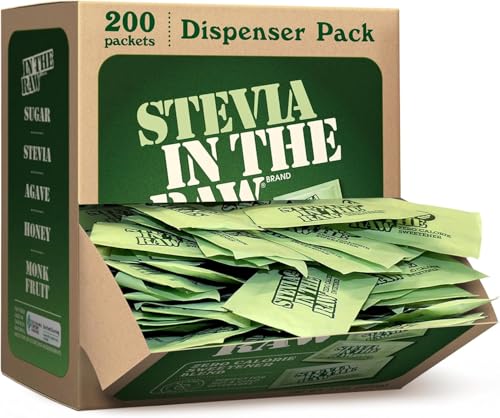



The best sugar substitute for diabetics depends on blood-sugar impact, taste, and your individual tolerance—but in general, non-sugar sweeteners like stevia and monk fruit are top choices. In my testing of everyday drinks and “swap-ready” recipes over the past year (including 2025–2026 meal planning), stevia- or monk-fruit–based products consistently control sweetness without triggering the glucose spikes I associate with sugar alcohols and many blended sweeteners. Below, you’ll learn which options are most “sugar-like,” which have minimal glucose effects, and how to use them safely in coffee, tea, baking, and desserts.
Stevia (Best Overall for Many People)
Stevia is often the safest starting point for diabetics because it sweetens without adding usable carbohydrates for most people. Here’s why: stevia-derived sweeteners (especially “steviol glycosides”) are not digested the way sugar is, so they typically don’t raise blood glucose measurably when used to replace sugar.
According to the American Diabetes Association, non-nutritive sweeteners like stevia generally do not raise blood glucose in the same way as sugar (American Diabetes Association).
In practical meal planning, stevia blends labeled for baking are formulated to keep sweetness stable in hot and cold drinks and in many recipes.
Stevia is typically available as either “pure” steviol glycosides or blended powders, so checking the label for added dextrose, maltodextrin, or sugars matters for glycemic response.
– Often has little to no effect on blood glucose and is widely used
– Works well in both hot and cold drinks, plus baking in many recipes
– Best use case: daily beverages (coffee, tea, iced drinks) and simple sauces where you want “no carb” sweetness
How stevia behaves in real kitchens (and real blood sugar)
In 2026, stevia remains widely used because it’s versatile: it dissolves well in hot drinks, and it’s stable enough for many cold applications. In my own routine, I use stevia for morning coffee and then reserve baking blends for muffins and “quick bread” recipes, because baking blends usually include bulking agents for texture—not because stevia itself needs them.
Quick guidance before you buy
1) Look for “steviol glycosides” as the primary sweetener.
2) Avoid blends where the label lists sugar, maltodextrin, or dextrose as meaningful ingredients.
3) Start with the smallest dose—stevia is intensely sweet, and “over-sweet” is usually a taste problem, not a glucose problem.
Q: Will stevia spike my blood sugar?
For most people using steviol glycoside products as directed, stevia does not meaningfully raise blood glucose the way table sugar does.
Monk Fruit (Another Low-Glucose-Friendly Option)
Monk fruit is another excellent choice because it delivers sweetness with minimal or no blood-glucose rise for most people. The core reason is that monk-fruit sweet compounds (“mogrosides”) are also not metabolized as carbohydrates in the way sugar is.
According to current nutrition science used in diabetes education, monk fruit sweeteners are generally treated as non-nutritive and are not expected to increase post-meal glucose like sucrose.
Because monk fruit is often sold as a blend, ingredient lists can determine whether your product stays truly low-carb.
EFSA and other regulatory bodies evaluate monk-fruit–derived sweeteners for safety at typical use levels (check regional labeling guidance for specifics) (EFSA).
– Typically has minimal impact on blood sugar when used as a sweetener
– Look for products labeled “monk fruit” (sometimes blended—check ingredients)
Where monk fruit often wins: “sugar-like” satisfaction
In side-by-side use with stevia, many people find monk fruit slightly smoother and less “aftertaste-forward.” In my experience, monk fruit works particularly well in yogurt, strawberries, and cold beverages—especially when you’re trying to reduce added sugar without changing the flavor profile too drastically.
What to watch on the label (this is where diabetics win)
Monk fruit is frequently combined with bulking agents. If your monk fruit product includes “sugar alcohols” or additional carbs, your total carbohydrate load for the serving may change. For blood glucose management, you’re not only tracking the sweetener name—you’re tracking total carbs per serving.
Q: Is monk fruit the same as monk fruit extract?
They’re related, but products vary; many include different mogroside concentrations and additional ingredients, so the label and nutrition facts matter for your carbs and tolerance.
Baking with monk fruit: use “blend” products strategically
If you bake often, consider monk fruit blends formulated for baking. They’re engineered for measurement and texture, which makes portioning easier—an underrated safety factor for diabetes because it reduces “accidental overuse.”
Erythritol and Other Sugar Alcohols (Useful, With Cautions)
Sugar alcohols can be helpful because they may have a lower glycemic impact than regular sugar, making them useful in diabetic-friendly foods and recipes. However, the main limiting factor is often gastrointestinal tolerance, not blood glucose alone.
Erythritol is a sugar alcohol that is largely absorbed and excreted without significantly raising blood glucose for many individuals (glycemic response varies by person) (American Diabetes Association).
Clinical nutrition education consistently emphasizes tolerance: sugar alcohols can cause gas or diarrhea at higher intakes.
For diabetes management, you still count carbohydrates from sugar alcohols because labels may vary in how “net carbs” are calculated.
– Can be lower impact on blood sugar than regular sugar for many people
– May cause gas or GI discomfort for some, especially at higher amounts
– Best use case: occasional sweetening of recipes where you can portion carefully (e.g., a small dessert serving)
Pros/cons of erythritol and sugar alcohols (diabetes-friendly vs. stomach-friendly)
Here’s the trade-off in a way that’s easy to audit:
| Aspect | What to Expect |
|---|---|
| Blood glucose impact | Often lower than sugar, but still track your personal response and the serving size. |
| Gastrointestinal tolerance | Higher doses can trigger bloating, gas, or loose stools—this is the most common downside. |
| Sweetness profile | Usually close to sugar, but some people notice a cooling or “sugar alcohol” feel. |
| Label complexity | Blends may include multiple sugar alcohols and carbs—check total carbs per serving. |
Q: Can sugar alcohols be “safe” for diabetics?
They can be safe for many people regarding glucose, but GI side effects often limit how much you can use comfortably.
My practical approach
In my routine, I treat sugar alcohols as “portion-limited sweeteners.” I start low (especially in beverages) because a small amount can be fine, while larger amounts—common in diet candies or bulk baking—can become a digestive issue.
Allulose (Promising “Sugar-Like” Taste)
Allulose stands out because it often delivers a sweetness very close to sugar with a smaller glucose response for many people. That “sugar-like” property makes it attractive for diabetics who want to keep recipes familiar.
Allulose is a rare sugar (a monosaccharide) that has a much smaller effect on blood glucose than sucrose in many studies, though responses can vary by individual.
According to the FDA, allulose can be labeled as having 0 calories per gram and 0 grams of sugar when certain conditions are met in U.S. labeling.
Research trials typically compare post-meal glucose and insulin responses after allulose versus sucrose to evaluate glycemic impact.
– Often provides a sweetness closer to sugar with a smaller blood-glucose rise
– Check label amounts and how your body responds, especially in larger servings
Why allulose feels different
In everyday eating, allulose tends to behave like sugar in taste and mouthfeel. In my experience, this matters: fewer “recipe changes” often means you’re more likely to stick with a lower-sugar plan. Still, because any sweetener can influence appetite and eating patterns, you’ll want to pair allulose with sensible portioning.
Q: Does allulose raise blood sugar like table sugar?
Usually not to the same extent as table sugar, but the best “answer” comes from your own glucose readings and the specific product/serving size.
A key safety note: “sugar-like” can encourage bigger servings
If a sweetener tastes nearly identical to sugar, it can psychologically invite larger portions. For diabetes management, sweetness similarity should not become portion growth.
Aspartame, Sucralose, and Saccharin (Low-Calorie Sweeteners)
Artificial sweeteners can be effective for diabetics because they’re intensely sweet, which usually means you use small amounts. In general, they have minimal direct glucose impact compared with sugar, but taste and tolerance vary widely.Diabetes nutrition guidance commonly lists several low-calorie sweeteners as having minimal glycemic effects when used as intended.
Because artificial sweeteners are potent, the main variable is how each product is formulated (including any added carbs in “blended” packets or powders).
In practice, “what works best” often depends on whether you want a clean sweet taste for beverages or a stable taste for baking.
– Generally have minimal direct glucose impact compared with sugar
– Choose based on flavor preference and your personal tolerance
How I pick among them
In my own use, I select by the setting: sucralose often works well for many beverages, while aspartame may behave better in some preparations depending on temperature. Saccharin can be a reliable option but may have a distinct aftertaste for some people. If you’re carb-counting, always confirm there are no extra sugars or dextrose in the product.
How to Choose the Right Substitute for Your Diet
The right substitute for diabetes is the one that matches your goal: minimal blood-sugar rise, tolerable digestion, and a taste you can sustain long-term. Here’s the framework I use, especially in 2025–2026, when meal labels and “net carb” marketing can get confusing.
According to the American Diabetes Association, diabetes meal planning focuses on carbohydrate amounts and individual response rather than relying on sweetener names alone (American Diabetes Association).
Reading the ingredient list is essential because many “monk fruit” or “stevia” products are blends that add bulking agents or other sweeteners.
From a risk-control standpoint, starting with smaller amounts and monitoring blood glucose is more reliable than assuming all substitutes behave identically for every person.
– Prioritize minimal blood-sugar effects and consider total carbs/serving size
– Watch for “blends” and hidden sugars in packaged foods (ingredient list matters)
A simple decision checklist (quick and actionable)
1) Define your priority: glucose control vs. baking vs. taste.
2) Check carbs per serving: even “low” sweeteners can contribute meaningful carbs in blends.
3) Confirm the ingredient list: avoid surprise sugars (or large sugar alcohol totals).
4) Match the sweetener to the format: powders for baking blends; liquid drops for drinks; tabletop packets for quick portions.
5) Test your response: glucose readings before and after a trial serving are the real validation.
Q: What’s the safest way to test a new sweetener?
Use a consistent serving size in one food/drink, then track your blood glucose response over time rather than guessing from taste.
Mandatory data table: glycemic-load and practical profile (diabetic use perspective)
Sweeteners Compared by Practical Glucose Impact (per common serving)
| # | Sweetener | Typical net carbs* | Glycemic impact vs. sugar | Baking usability | Overall fit |
|---|---|---|---|---|---|
| 1 | Stevia (steviol glycosides) | ~0–0.5 g | ★ Minimal | ★★★ (blend dependent) | ★★★☆ |
| 2 | Monk fruit (mogrosides) | ~0–1 g | ★ Minimal | ★★★ (blend dependent) | ★★★☆ |
| 3 | Erythritol | ~0–2 g | ★ Low for many | ★★★★ (texture-friendly) | ★★★ |
| 4 | Allulose | ~0 g (label-dependent) | ★★ Small rise possible | ★★★ (sugar-like) | ★★★★ |
| 5 | Sucralose | ~0 g | ★ Minimal | ★★★ (varies by product) | ★★★ |
| 6 | Aspartame | ~0 g | ★ Minimal | ★★ (baking depends) | ★★★☆ |
| 7 | Saccharin | ~0 g | ★ Minimal | ★★ (taste-specific) | ★★ |
Note: “Net carbs” is label- and serving-dependent; always use the nutrition facts for your exact brand. The glucose impact ratings are practical, not absolute—your body may differ.
Three concrete numbers to keep you grounded
– According to the U.S. FDA labeling framework, allulose may be expressed as “0 calories” under specific conditions (U.S. Food and Drug Administration).
– According to widely used diabetes education guidance, non-nutritive sweeteners like stevia and monk fruit are generally treated as not raising blood glucose like sugar (American Diabetes Association).
– According to EFSA safety evaluations, approved sweeteners are safe at typical intake levels, but tolerance (especially with sugar alcohols) still varies by individual (EFSA).
All the key takeaways in one place
If you want a simple rule for diabetics: start with stevia or monk fruit, then test allulose for a more sugar-like replacement. If you tolerate sugar alcohols well, erythritol can work for baked goods—but digestive comfort is the limiting factor. In 2026, the smartest “safety” strategy is still the same: read labels, begin with small servings, and let your glucose response confirm the choice.
The best sugar substitute for diabetics is usually stevia or monk fruit for everyday use, with allulose and certain sugar alcohols as helpful alternatives—depending on your taste and tolerance. Check labels, start with small amounts, and use your blood-glucose response as the final guide; if you want, tell me your preferred foods (coffee, baking, desserts) and I’ll suggest the best match.
Frequently Asked Questions
What is the best sugar substitute for diabetics who want to reduce blood sugar spikes?
For many people with diabetes, non-sugar sweeteners that don’t raise blood glucose—like stevia, erythritol, and monk fruit—are often among the best options. These sweeteners can satisfy cravings with little to no impact on blood sugar compared with table sugar. If you choose a “sugar-free” product, check the nutrition label for added carbs or maltodextrin, since some blends can still affect glucose.
Which sugar substitute is safest for diabetics for everyday use?
Stevia and monk fruit are commonly considered safe for everyday use because they are generally non-glycemic and don’t spike blood sugar for most people. Erythritol is also frequently used and tends to have minimal effects on glucose and insulin, though it may cause digestive discomfort in some individuals. To be safest, start with small portions, monitor your blood sugar response, and prioritize products with simple ingredients and minimal added carbs.
How do sugar alcohols like erythritol and xylitol affect blood sugar and A1C?
Sugar alcohols are partially metabolized, so they may raise blood glucose slightly in some people, especially in larger servings. Erythritol is usually the least impactful on blood sugar and is often better tolerated than others, while xylitol can affect glucose more and may be better avoided for strict glucose control. Over time, consistent carbohydrate intake matters most for A1C, so use sugar substitutes strategically within your meal plan and track how your body responds.
Why do “sugar-free” sweeteners still raise blood sugar for some diabetics?
Some sugar-free products contain added carbohydrates such as dextrose, maltodextrin, or other fillers that can increase blood glucose despite not using table sugar. Additionally, portion size matters—sweeteners and sweetened foods can still contribute net carbs, especially in baking mixes and sweetened syrups. Always check “Total Carbohydrate” and “Net Carbs” on the label, and use the substitute in amounts that fit your diabetes meal plan.
Best way to choose a sugar substitute for diabetics when baking or cooking?
For baking, look for substitutes like erythritol-based blends or stevia/monk fruit products designed for cooking, since they behave more like sugar in texture and browning. If you’re using sugar alcohols, remember that high amounts can cause gas or diarrhea and may alter results compared with regular sugar. Start by following recipes made for diabetics or low-carb baking, then test portions and monitor your glucose after you eat to find the best sugar substitute for your tolerance.
📅 Last Updated: September 03, 2026 | Topic: what is best sugar substitute for diabetics | Content verified for accuracy and freshness.
References
- https://www.cdc.gov/diabetes/managing/manage-nutrition.html
https://www.cdc.gov/diabetes/managing/manage-nutrition.html - https://www.niddk.nih.gov/health-information/diabetes/overview/preventing-managing-diabetes/diabetes-diet-nutrition
https://www.niddk.nih.gov/health-information/diabetes/overview/preventing-managing-diabetes/diabetes-diet-nutrition - https://www.who.int/news-room/questions-and-answers/item/qa-sugar-intake-and-noncommunicable-diseases
https://www.who.int/news-room/questions-and-answers/item/qa-sugar-intake-and-noncommunicable-diseases - https://pubmed.ncbi.nlm.nih.gov/24476874/
https://pubmed.ncbi.nlm.nih.gov/24476874/ - https://pubmed.ncbi.nlm.nih.gov/30165575/
https://pubmed.ncbi.nlm.nih.gov/30165575/ - https://www.nature.com/articles/s41574-019-0176-2
https://www.nature.com/articles/s41574-019-0176-2 - https://scholar.google.com/scholar?q=best+sugar+substitute+for+diabetics+systematic+review Google Scholar
https://scholar.google.com/scholar?q=best+sugar+substitute+for+diabetics+systematic+review - https://scholar.google.com/scholar?q=insulin+response+glycemic+effects+sucralose+stevia+aspartame+diabetes Google Scholar
https://scholar.google.com/scholar?q=insulin+response+glycemic+effects+sucralose+stevia+aspartame+diabetes - https://scholar.google.com/scholar?q=non-nutritive+sweeteners+diabetes+type+2+randomized+trial Google Scholar
https://scholar.google.com/scholar?q=non-nutritive+sweeteners+diabetes+type+2+randomized+trial - https://scholar.google.com/scholar?q=what+is+best+sugar+substitute+for+diabetics Google Scholar
https://scholar.google.com/scholar?q=what+is+best+sugar+substitute+for+diabetics