
For individuals managing diabetes, finding the “best” fruit juice is less about a single ideal option and more about careful selection and extreme moderation. Generally, whole fruits are always preferred due to their fiber content, which helps regulate blood sugar. However, if you’re seeking a liquid fruit option, unsweetened vegetable juices with a touch of fruit, or highly diluted, low-glycemic fruit juices are your safest bets, always consumed in very small portions and with close attention to your blood sugar levels. Navigating the world of beverages when you have diabetes can feel like a minefield, especially when it comes to fruit juices, which often carry a reputation for being healthy. While whole fruits are packed with essential vitamins, minerals, and crucial fiber, their liquid counterparts behave very differently in your body. Understanding these distinctions is key to making choices that support your blood sugar management and overall well-being.




Why Most Fruit Juices Are Tricky for Diabetics

Most fruit juices, even those labeled “100% pure,” present a significant challenge for individuals managing diabetes. It’s not about avoiding natural goodness, but understanding how the form of consumption impacts your body.
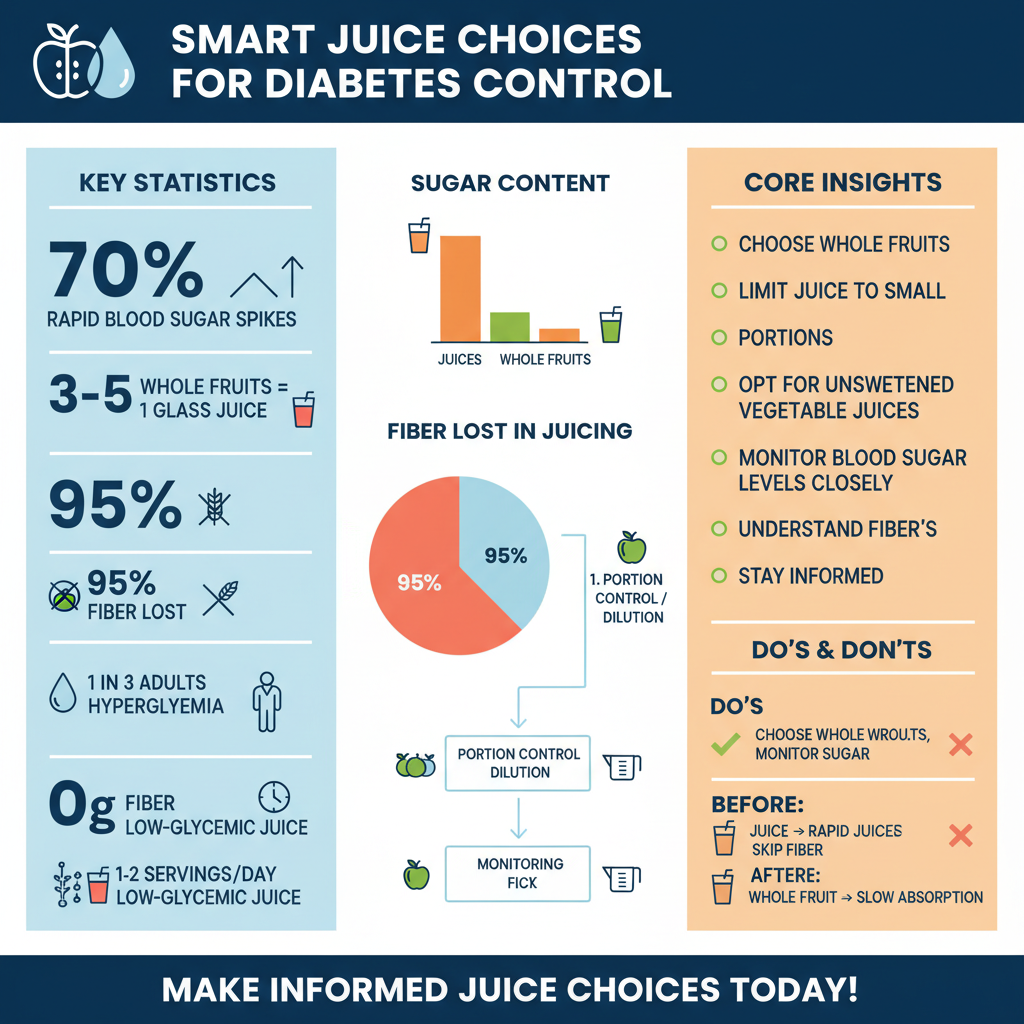
* High Sugar Content: Even “100% pure” fruit juices are concentrated sources of natural sugars (fructose), which can cause rapid blood sugar spikes. Imagine eating three oranges versus drinking a glass of orange juice. You’d likely eat one or two oranges at most, feeling full from the fiber. But a glass of juice often contains the sugar from several oranges, all condensed into an easily digestible liquid. This means a rapid influx of sugar into your bloodstream, prompting a quick and often dramatic rise in glucose levels, which is exactly what we want to avoid with diabetes. This natural sugar, while not “added” by a manufacturer, still functions as sugar in your body, requiring insulin to process it. For someone with insulin resistance or insufficient insulin production, this can be particularly problematic, leading to hyperglycemic events and potentially contributing to long-term complications.
* Lack of Fiber: Unlike whole fruits, juice removes most of the beneficial fiber that helps slow down sugar absorption and promotes satiety. Fiber is a superpower for diabetics. When you eat a whole apple, the fiber acts like a buffer, slowing down the digestion and absorption of its natural sugars. This results in a gentler, more sustained rise in blood sugar. When that apple is juiced, most of its valuable fiber is discarded. What you’re left with is essentially a quick shot of sugar water. Without fiber to slow things down, the sugars hit your bloodstream almost immediately, leading to those undesirable sharp spikes. Furthermore, fiber contributes to a feeling of fullness. Drinking a glass of juice, even if it has a lot of calories, often doesn’t make you feel as satisfied as eating the equivalent amount of whole fruit, making it easier to overconsume.
* Calorie Density: Juices can contribute significant calories without providing the same feeling of fullness as solid food, potentially leading to overconsumption. Because juice lacks fiber and requires less chewing, it’s very easy to consume a large volume quickly. This liquid form makes it less satiating than solid foods, even if the calorie count is similar. A typical 8-ounce glass of apple juice, for example, can contain around 110-120 calories and 24-26 grams of sugar. If you drink several glasses throughout the day, these “hidden” calories and sugars add up quickly, potentially sabotaging weight management efforts – a critical component of diabetes care – and making blood sugar control much harder. It’s often referred to as “empty calories” in this context, as the rapid sugar spike isn’t accompanied by sustained energy or nutrient delivery that whole foods provide.
Understanding “Best” Options: Low Glycemic Choices

While most fruit juices are best approached with extreme caution, certain options stand out for their slightly lower glycemic impact and additional health benefits, making them relatively better choices when consumed in very small, diluted amounts. Remember, “best” here is relative and always comes with significant caveats.
* Tart Cherry Juice (Unsweetened): Some studies suggest tart cherry may have anti-inflammatory benefits and a lower glycemic impact than other fruit juices when consumed in small amounts. Tart cherry juice has gained attention not just for its potential to aid sleep and reduce muscle soreness, but also for its antioxidant profile and moderate sugar content compared to other fruit juices. The compounds in tart cherries, like anthocyanins, are potent antioxidants and may offer anti-inflammatory effects, which can be beneficial for overall health, including aspects related to diabetes management. When considering tart cherry juice, it is absolutely paramount to choose an unsweetened variety – look for labels that explicitly state “no added sugar” and check the ingredient list to ensure it’s 100% tart cherry. Even then, portion control is non-negotiable; think of it as a small, diluted shot rather than a full glass.
* Pomegranate Juice (Unsweetened): Rich in antioxidants, unsweetened pomegranate juice can be an option in very limited quantities due to its moderate sugar content. Pomegranate juice is celebrated for its high antioxidant content, particularly punicalagins, which may offer protective effects against cellular damage. Like tart cherry juice, its glycemic index is considered moderate, making it a *slightly* better choice than, say, grape or apple juice. However, moderation is still the golden rule. An 8-ounce serving can still pack a significant sugar punch, so think in terms of a few ounces, perhaps diluted with sparkling water, as an occasional treat. Again, ensure it is 100% pure, unsweetened pomegranate juice, free from any added sweeteners or fruit juice concentrates. Always check the nutrition label carefully.
* Berry Juices (Unsweetened & Diluted): Juices from berries like blueberries, raspberries, or cranberries (pure, unsweetened) have a lower glycemic index and can be heavily diluted. Berries are consistently praised in diabetic diets due to their relatively low sugar content, high fiber (when whole), and abundant antioxidants. While juicing removes most of that beneficial fiber, the juice itself, when made from pure, unsweetened berries, still tends to have a lower sugar load per ounce compared to tropical fruit juices. For example, unsweetened cranberry juice (the pure, tart kind, not the sweetened cocktail!) or a homemade blend from pure blueberries or raspberries can be an option. The key is “heavily diluted” – we’re talking a splash of berry juice in a tall glass of water or sparkling water, not a full glass. This allows you to enjoy a hint of flavor and the antioxidants without overwhelming your system with sugar.
Beyond Fruit: Vegetable & Hybrid Juices
Stepping away from purely fruit-based options opens up a much safer and more nutrient-dense world for individuals with diabetes. These choices offer hydration and micronutrients without the significant sugar load.
* Pure Vegetable Juices: Options like celery, cucumber, spinach, or kale juice are very low in sugar and carbohydrates, making them excellent choices. When it comes to managing blood sugar, pure vegetable juices are truly the shining stars. They provide a wealth of vitamins, minerals, and antioxidants with minimal carbohydrates and virtually no sugar. Imagine starting your day with a vibrant green juice made from spinach, kale, cucumber, and a stalk of celery. This delivers a powerful nutrient boost, supports hydration, and won’t send your blood sugar soaring. These juices are excellent for detoxification, reducing inflammation, and boosting overall vitality without any of the drawbacks of fruit juice. They can be a fantastic way to increase your daily vegetable intake, especially if you struggle to eat enough whole vegetables. You can get creative with these; adding a dash of ginger or a squeeze of lemon can enhance the flavor significantly without adding sugar.
* Vegetable Blends with a Touch of Fruit: Look for juices primarily composed of vegetables with a minimal addition of low-sugar fruits (e.g., lemon, lime, green apple) for flavor. For those who find pure vegetable juices a bit too “earthy,” strategically adding a small amount of low-sugar fruit can make them more palatable while keeping the glycemic impact low. Think of a base of spinach, cucumber, and celery, with a quarter of a green apple, a small wedge of lemon, or a squeeze of lime to brighten the flavor. Green apples, lemons, and limes are excellent choices because they offer a tart sweetness or tang without contributing significant amounts of sugar. The goal here is to use fruit as a flavoring agent, not as the primary component. This allows you to enjoy a more pleasant taste experience while still prioritizing vegetable goodness and blood sugar control.
* Homemade Blends: Creating your own vegetable-dominant juices allows for full control over ingredients and sugar content. The ultimate power move for juice consumption with diabetes is making your own. A high-quality juicer or blender allows you to decide exactly what goes into your glass. This eliminates hidden sugars, artificial sweeteners, and preservatives often found in store-bought options. You can experiment with different combinations of non-starchy vegetables (cucumber, bell peppers, leafy greens, celery, zucchini) and then add a minimal amount of low-glycemic fruit for flavor if desired. Homemade options ensure maximum freshness and nutrient retention. You can even blend some of the fiber back in if using a high-powered blender, making it more akin to a smoothie and further improving blood sugar response.
Crucial Label Reading: What to Look For
Becoming a diligent label reader is perhaps the most important skill for anyone managing diabetes, especially when it comes to seemingly healthy beverages like juice. Don’t be fooled by marketing claims – the nutrition facts panel tells the real story.
* “No Added Sugar” vs. “100% Juice”: “100% juice” still contains natural sugars, often in high amounts. Always prioritize “no added sugar” but understand natural sugars are still present. This distinction is critical. A product labeled “100% juice” means no *additional* sugar has been mixed in beyond what’s naturally present in the fruit. However, as we’ve discussed, these natural sugars are still potent carbohydrates that can elevate blood glucose. “No added sugar” is definitely a step in the right direction, but it doesn’t mean “sugar-free.” You still need to scrutinize the total sugar content and recognize that a significant amount of natural sugar will be present. Be wary of “juice cocktails” or “juice drinks,” which almost always have added sugars (like high-fructose corn syrup) and should be strictly avoided.
* Carbohydrate & Sugar Content: Pay close attention to the nutrition label, specifically the total carbohydrates and sugars per serving. Aim for the lowest possible. This is where the rubber meets the road. Before you even consider a juice, flip the bottle over and look at the “Nutrition Facts” panel. Focus on two numbers: “Total Carbohydrates” and “Total Sugars.” For most individuals with diabetes, aiming for a beverage with minimal carbohydrates (ideally under 10 grams per serving) and very low total sugars (preferably under 5 grams per serving, or even lower) is prudent. Remember, every gram of carbohydrate will impact your blood sugar. Even natural sugars count towards this total. Compare different brands and types of juices; you’ll be surprised at the variation.
* Serving Size: The standard serving size for juice is often 8 oz, which is too much for diabetics. Be prepared to consume much smaller portions. Manufacturers often list serving sizes that are larger than what is appropriate for a diabetic diet. An 8-ounce (one cup) serving of fruit juice is equivalent to several servings of fruit in terms of sugar and carb content, without the fiber. For diabetics, a “serving” of juice might realistically be 2-4 ounces, and even that should be diluted. Always mentally adjust the nutritional information to your actual intended portion. If the label says 25g of sugar per 8oz, and you only plan to have 4oz, then you’re looking at 12.5g of sugar. This awareness helps you make informed decisions and prevents unintentional overconsumption.
Smart Strategies for Juice Consumption
If you choose to include juice in your diet, these strategies can help minimize its impact on your blood sugar and support your overall diabetes management goals.
* Dilution is Key: Always dilute fruit juice with water, sparkling water, or ice to reduce its sugar concentration and overall impact. This is perhaps the single most effective strategy for making fruit juice more diabetes-friendly. By diluting your juice by at least 50% (and often more, up to 75% water to 25% juice), you significantly reduce the amount of sugar and carbohydrates you’re consuming per sip. This slows down the sugar absorption and helps prevent rapid blood sugar spikes. For example, instead of an 8-ounce glass of juice, try 2 ounces of juice mixed with 6 ounces of sparkling water and plenty of ice. Not only does this spread out the sugar, but it also increases your fluid intake without adding extra calories or artificial sweeteners. It allows you to enjoy the flavor without the full glycemic hit.
* Strict Portion Control: Limit consumption to a very small serving, perhaps 4 ounces or less, and consider it an occasional treat rather than a daily beverage. For individuals with diabetes, juice should never be a go-to daily drink. It’s an occasional indulgence. Think of it more like a dessert than a staple beverage. When you do choose to have juice, be incredibly strict with your portion size. Instead of a standard glass, use a small juice glass, a shot glass, or even a measuring cup to ensure you’re consuming no more than 2-4 ounces. This small portion, combined with dilution, can allow you to enjoy a bit of flavor without derailing your blood sugar management. It’s about savoring a little, not drinking a lot.
* Monitor Blood Sugar: After consuming any juice, monitor your blood glucose levels to understand its individual effect on your body. Every individual’s body responds differently to foods and drinks. What causes a slight rise in one person might cause a significant spike in another. The best way to understand how a particular juice affects *you* is to test your blood glucose before consuming it and then again 1-2 hours afterward. Keep a log of the type of juice, the amount consumed, if it was diluted, and your blood sugar readings. This personalized data is invaluable; it empowers you to make highly informed decisions and understand which (if any) juices your body can tolerate in very small, diluted amounts. Always discuss your findings with your healthcare team.
Healthier Drink Alternatives to Juice
The good news is that there are many delicious and hydrating alternatives to juice that are far more suitable for a diabetic diet, offering flavor without the sugar burden.
* Infused Water: Water infused with slices of lemon, lime, berries, cucumber, or mint provides flavor without added sugars or calories. This is a fantastic, versatile option to combat plain water boredom. Simply add your favorite fruits (lemons, limes, oranges, a few berries), vegetables (cucumber, celery), or herbs (mint, basil, ginger) to a pitcher of water and let it steep for a few hours in the fridge. The flavors subtly infuse the water, providing a refreshing and naturally delicious drink without a single gram of added sugar or any significant calories. It’s a great way to stay hydrated and can be endlessly customized to your taste preferences. Plus, it’s incredibly inexpensive!
* Unsweetened Tea or Coffee: These beverages are generally safe for diabetics and can be enjoyed plain or with a sugar substitute. Both tea (green, black, herbal) and coffee are excellent choices for individuals with diabetes, provided they are consumed unsweetened. They offer antioxidants and can be enjoyed hot or iced. Be mindful of specialty coffee drinks, which are often loaded with sugar, syrups, and high-fat creams – stick to plain coffee or tea. If you need a touch of sweetness, opt for natural sugar substitutes like stevia or erythritol, but even then, moderation is wise. Many herbal teas, like peppermint or chamomile, can also offer soothing flavors without any blood sugar impact.
* Sparkling Water with a Splash of Fruit: A small splash of pure, unsweetened fruit juice (like lime or cranberry) in sparkling water offers a fizzy, flavorful, low-sugar option. This is a wonderful bridge between plain water and a full glass of juice. Take a tall glass of unsweetened sparkling water (or club soda) and add just a tiny splash (a teaspoon or two) of pure, unsweetened fruit juice for flavor. A squeeze of fresh lemon, lime, or a dash of unsweetened cranberry juice can transform plain sparkling water into a vibrant, satisfying drink without adding a significant amount of sugar. It provides that fizzy sensation and a hint of fruit flavor that many people enjoy, making it a perfectly guilt-free choice for hydration.
While the allure of fruit juice can be strong, managing diabetes means making informed choices about all food and drink. Prioritize whole fruits, plenty of plain water, and consult your healthcare team for personalized dietary advice. Small, mindful sips of carefully selected, diluted juices can be an occasional treat, but they should never replace water or whole, fiber-rich foods in a diabetic-friendly diet. Remember, your health is a journey of continuous learning and adaptation, and making smart beverage choices is a significant step towards better blood sugar control and overall well-being.
Frequently Asked Questions
What is the best fruit juice for diabetics to maintain stable blood sugar levels?
The *best fruit juice for diabetics* is typically one that is 100% fruit juice with absolutely no added sugars, and ideally, diluted with water or mixed with vegetable juices. Options like unsweetened tart cherry juice, pure cranberry juice, or small portions of certain berry juices (strawberry, blueberry) can be suitable due to their lower glycemic index and antioxidant content. Prioritizing juices with natural sweetness and fiber (if pulp is included) helps mitigate rapid blood sugar spikes.
How can diabetics safely choose store-bought fruit juices to avoid blood sugar spikes?
When selecting *store-bought fruit juices for diabetics*, it’s crucial to meticulously read nutrition labels. Look for products explicitly stating “100% fruit juice” and “no added sugar,” as many commercial juices contain significant amounts of high-fructose corn syrup or other sweeteners that can rapidly elevate blood glucose. Pay close attention to the carbohydrate and sugar content per serving, and opt for smaller serving sizes or dilute the juice to minimize its impact on blood sugar levels.
Why is eating whole fruit generally recommended over drinking fruit juice for individuals with diabetes?
Eating whole fruit is generally preferred for individuals with diabetes because the fiber present in whole fruits helps slow down the absorption of sugar into the bloodstream, leading to a more gradual rise in blood glucose levels. Fruit juice, even 100% natural, often lacks this crucial fiber, causing a quicker and more pronounced blood sugar spike. Furthermore, whole fruits offer greater satiety, helping with weight management, which is beneficial for diabetes control.
Which specific fruits are ideal for diabetics to make their own low-glycemic, blood-sugar-friendly juices at home?
For homemade *diabetic-friendly juices*, ideal fruits include berries like strawberries, blueberries, and raspberries, as well as tart cherries, lemons, limes, and green apples due to their lower sugar content and higher fiber (if blended). Pomegranate and grapefruit can also be options in moderation, but grapefruit should be consumed cautiously if taking certain medications. Blending these fruits with leafy greens or low-starch vegetables like cucumber and celery can further reduce the glycemic load.
What are the recommended serving sizes for fruit juice if a diabetic chooses to include it in their diet?
For *diabetics consuming fruit juice*, portion control is paramount to manage blood sugar effectively. A recommended serving size is typically very small, often around 4 ounces (half a cup) or less, especially when it’s 100% fruit juice. It’s advisable to dilute even these small portions with water and consume them with a meal rather than on an empty stomach to help slow sugar absorption. Always monitor your blood glucose levels after consumption to understand its individual impact.
References
- https://diabetes.org/food-nutrition/food-choices/juice-and-diabetes
- Silent heart attack: What are the risks? – Mayo Clinic
- https://www.cdc.gov/diabetes/managing/eat-well/drinks.html
- Healthy Living with Diabetes – NIDDK
- https://health.ucdavis.edu/diabetes/faq/healthy-eating.html
- https://www.ncbi.nlm.nih.gov/pmc/articles/PMC7323136/
- https://www.chop.edu/conditions-diseases/diabetes/healthy-eating-diabetes