

Navigating what to eat when managing diabetes can feel overwhelming, but the core principle is simple: prioritize whole, unprocessed foods rich in fiber, lean protein, and healthy fats. These foods help stabilize blood sugar, provide sustained energy, and support overall health, making them essential allies in your diabetes management journey. This guide outlines the best food choices to empower your dietary decisions and help you thrive.




Non-Starchy Vegetables: Your Plate’s Foundation

When you’re building a meal to support diabetes management, non-starchy vegetables should be the cornerstone of your plate, making up roughly half of what you eat. They are veritable powerhouses, packed with essential vitamins, minerals, and dietary fiber, yet remarkably low in carbohydrates and calories. This unique nutritional profile means they have a minimal impact on blood sugar levels, allowing you to enjoy generous portions without concern for spikes. Their high water content also contributes to a feeling of fullness, which is incredibly helpful for weight management and preventing overeating, both crucial aspects of diabetes care.
Beyond their blood sugar benefits, these vibrant foods are brimming with antioxidants and anti-inflammatory compounds that support overall health and can help mitigate long-term complications associated with diabetes. Think of leafy greens like spinach and kale, which offer a wealth of vitamins K and A, alongside vital minerals. Broccoli and cauliflower provide substantial doses of Vitamin C and numerous phytonutrients. Bell peppers burst with color and vitamins, while cucumbers and tomatoes hydrate and deliver beneficial lycopene. Incorporating a wide variety of these vegetables into every meal, whether raw in salads, steamed, roasted, or lightly sautéed, ensures you’re getting a broad spectrum of nutrients that protect your cells and keep your body functioning optimally. They truly are the unsung heroes of a diabetes-friendly diet.
Whole Grains & High-Fiber Foods: Smart Carb Choices


Carbohydrates often get a bad rap in diabetes management, but the truth is, not all carbs are created equal. The key lies in choosing “smart carbs” – specifically, whole grains and high-fiber foods. Unlike refined grains, which have been stripped of their most nutritious components (the bran and germ), whole grains contain all parts of the grain. This means they retain their natural fiber, B vitamins, and essential minerals. This intact fiber is a game-changer because it fundamentally alters how your body processes carbohydrates.
The high fiber content in whole grains and legumes acts like a natural brake, significantly slowing down the digestion and absorption of glucose into your bloodstream. This slow, steady release of energy prevents the rapid blood sugar spikes that refined carbohydrates can cause, leading to more stable blood sugar levels throughout the day. Furthermore, the fiber contributes to sustained satiety, helping you feel fuller for longer, which can prevent those tempting urges to snack unnecessarily. Beyond blood sugar control, the soluble fiber found in many of these foods can also help lower cholesterol levels, promoting heart health—an important consideration for individuals with diabetes. Focus on delicious and versatile options like oats (especially steel-cut or rolled), nutrient-dense quinoa, hearty brown rice, true whole-wheat bread (always check the label for “whole grain” as the first ingredient), and a rich variety of legumes such as black beans, lentils, chickpeas, and kidney beans, which offer the dual benefit of fiber and plant-based protein.
Lean Proteins: Building Blocks for Blood Sugar Stability
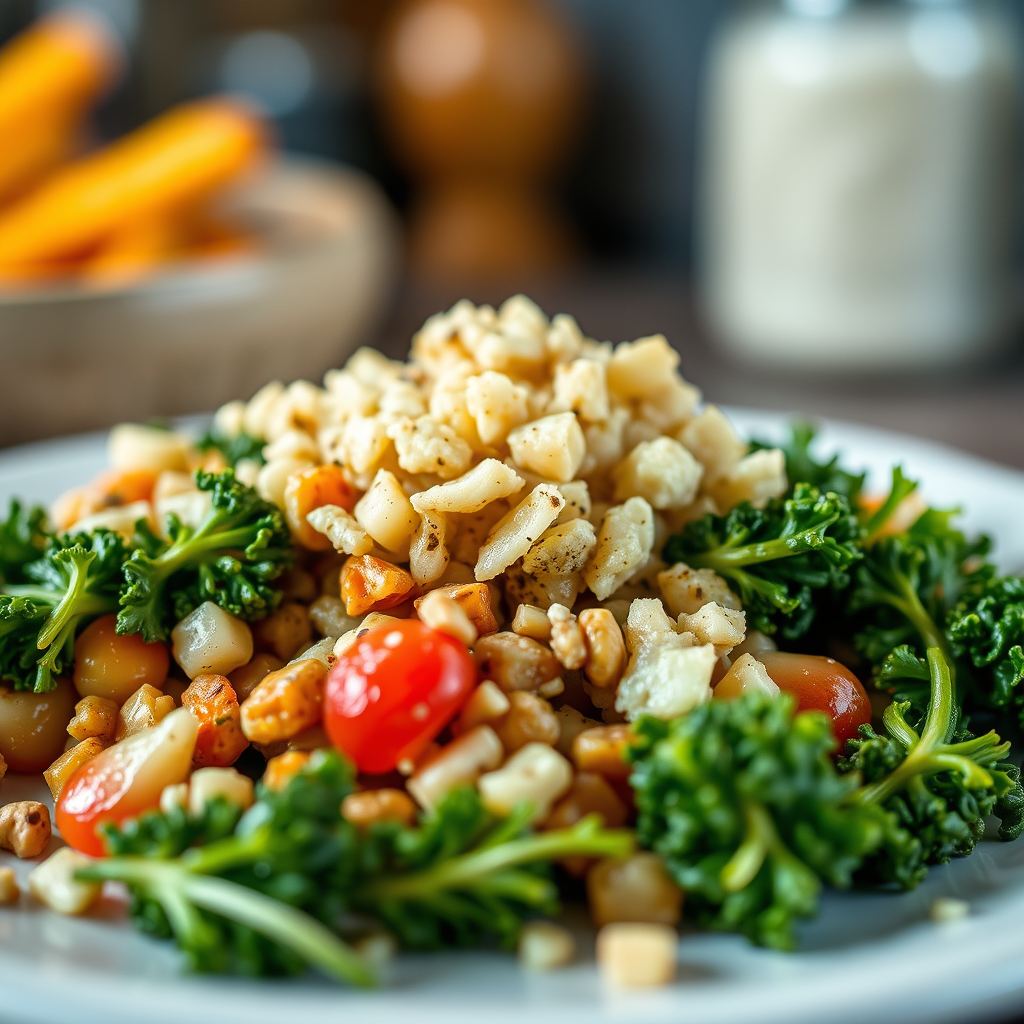
Protein is an indispensable component of any healthy diet, but it holds particular significance for individuals managing diabetes. Its role in promoting satiety is paramount; protein-rich foods trigger the release of hormones that signal fullness to your brain, helping you feel satisfied and less likely to overeat. This can be a powerful tool in weight management, which is often a critical factor in improving insulin sensitivity and overall diabetes control.
Crucially, protein has very little direct impact on blood sugar levels when consumed, making it an excellent choice for stabilizing your glucose. When paired with carbohydrates, protein can actually help balance their effects, slowing down the digestion of carbs and further mitigating potential blood sugar spikes. It also plays a vital role in building and repairing tissues, supporting muscle mass—which is important for maintaining a healthy metabolism and improving the body’s response to insulin. Opt for lean protein sources that minimize saturated fat intake. Excellent choices include skinless chicken and turkey, which are versatile and low in fat. Fish, especially fatty fish like salmon, mackerel, and sardines, provides beneficial omega-3 fatty acids along with lean protein, supporting heart health. Plant-based proteins like tofu and tempeh are fantastic options, offering fiber in addition to protein. Eggs are a complete and affordable protein source, while lean cuts of beef or pork can be enjoyed in moderation, ensuring proper portion control.
Healthy Fats: Fueling Heart Health and Satiety
While fat often carries a negative connotation, incorporating healthy fats into your diet is absolutely essential, particularly for diabetes management. These fats are vital for overall health, playing a crucial role in cell function, hormone production, and nutrient absorption. For individuals with diabetes, who often face an increased risk of cardiovascular disease, healthy fats are incredibly beneficial as they can help improve cholesterol levels by lowering “bad” LDL cholesterol and raising “good” HDL cholesterol, thereby reducing the risk of heart disease.
Beyond their heart-protective qualities, healthy fats are also highly effective at promoting satiety. They take longer to digest than carbohydrates or proteins, meaning they keep you feeling full and satisfied for extended periods. This sustained fullness can be a powerful ally in managing hunger, curbing cravings, and reducing the likelihood of snacking between meals, which helps with overall calorie control and blood sugar stability. Incorporate delicious and nutrient-dense sources like creamy avocados, which are also rich in potassium and fiber. Nuts such as almonds, walnuts, and pecans provide a satisfying crunch along with healthy fats, fiber, and micronutrients. Seeds like chia, flax, and hemp are tiny powerhouses, offering omega-3s and fiber. And don’t forget the goodness of olive oil, especially extra virgin olive oil, a cornerstone of the heart-healthy Mediterranean diet, perfect for dressings, sautéing, or drizzling over dishes. Remember that even healthy fats are calorie-dense, so mindful portion control remains important.
Fruits in Moderation: Nature’s Sweetness with Care
Fruits are nature’s candy, offering a delightful array of flavors, textures, and essential nutrients. They provide a wealth of vitamins, minerals, and potent antioxidants that contribute to overall health and can help protect against cellular damage. However, because fruits contain natural sugars (fructose), they require a bit more careful consideration and portion control when you’re managing diabetes. The key is to enjoy them wisely.
The crucial distinction to remember is to always opt for whole fruits over fruit juices. Whole fruits contain fiber, which is largely absent in juice. This fiber plays a vital role in slowing down the absorption of fruit sugars into the bloodstream, preventing the rapid blood sugar spikes that can occur with fruit juice. Juices, even 100% natural ones, essentially deliver a concentrated dose of sugar without the beneficial fiber, making them behave much like a sugary drink. When choosing fruits, consider those generally lower on the glycemic index or with a higher fiber-to-sugar ratio. Berries (strawberries, blueberries, raspberries) are fantastic choices, packed with antioxidants and relatively low in sugar. Apples and pears offer a good amount of soluble fiber (pectin). Citrus fruits like oranges and grapefruits are also good options. Always monitor your intake and consider pairing your fruit with a source of protein or healthy fat (like a handful of nuts or a dollop of Greek yogurt) to further temper the blood sugar response.
Foods to Limit or Avoid: Navigating the “No-Go” List
Understanding which foods to embrace is only half the battle; knowing which ones to limit or outright avoid is equally crucial for effective diabetes management. Minimizing or eliminating highly processed foods, sugary drinks, and refined carbohydrates is not just a recommendation—it’s a critical strategy for maintaining stable blood sugar levels and preventing complications. These types of foods are often engineered to be highly palatable but are nutritionally bankrupt, offering little in the way of fiber, vitamins, or minerals.
The primary concern with these “no-go” foods is their dramatic impact on blood sugar. Sugary drinks, for instance, deliver a rapid dose of easily absorbed glucose directly into your bloodstream, leading to swift and significant spikes. Similarly, refined carbohydrates like white bread, pastries, and many snack foods are quickly broken down into sugar, causing similar rapid increases. Regular consumption of these items not only makes blood sugar control a constant challenge but also contributes significantly to weight gain and increased body fat, which in turn can worsen insulin resistance. Over time, this cycle can increase the risk of serious diabetes-related complications, including heart disease, nerve damage, and kidney problems. To protect your health, consciously steer clear of items like soda, sweetened teas, and fruit juices (as discussed); candy, cakes, and other pastries; white bread, white pasta, and white rice; fried foods that are often laden with unhealthy trans and saturated fats; and excessive amounts of red or processed meats, which have been linked to an increased risk of chronic diseases. Developing a keen eye for food labels and preparing meals at home are excellent ways to avoid these dietary pitfalls.
Adopting a diet rich in non-starchy vegetables, whole grains, lean proteins, and healthy fats is a powerful strategy for effective diabetes management. By making informed food choices and understanding which foods to prioritize and which to limit, you can significantly improve your blood sugar control, support heart health, manage weight, and enhance your overall well-being. This dietary approach isn’t about restriction; it’s about empowerment, providing your body with the nutrients it needs to thrive. Always remember that your journey is unique, so it’s essential to consult with your healthcare provider or a registered dietitian to create a personalized meal plan that meets your specific health needs, preferences, and goals.
Frequently Asked Questions
What are the foundational food groups for a diabetes-friendly diet?
The foundational food groups for a diabetes-friendly diet prioritize foods that help manage blood sugar levels and promote overall health. Focus on non-starchy vegetables like leafy greens, broccoli, and bell peppers, which are low in carbohydrates and high in nutrients. Lean proteins such as fish, skinless poultry, beans, and lentils are crucial for satiety and blood glucose stabilization. Healthy fats from avocados, nuts, seeds, and olive oil also contribute to heart health and satiety, making them excellent choices among the best foods to eat for diabetes.
How can I make my everyday meals more suitable for managing diabetes?
To make everyday meals more suitable for diabetes management, adopt the “plate method” by filling half your plate with non-starchy vegetables to maximize fiber and nutrient intake without excess carbs. Dedicate a quarter of your plate to lean protein sources, which help slow glucose absorption and keep you feeling full. The final quarter should contain complex carbohydrates like quinoa, brown rice, or whole-wheat pasta, ensuring appropriate portion control and steady energy release for effective blood sugar regulation.
Why are fiber-rich foods and whole grains so important for diabetes management?
Fiber-rich foods and whole grains are incredibly important for diabetes management because they significantly slow down the digestion and absorption of glucose into the bloodstream. This process prevents rapid spikes in blood sugar levels, contributing to more stable energy and improved insulin sensitivity over time. Foods like oats, barley, legumes, and most vegetables provide essential dietary fiber, making them key components when considering the best foods to eat for diabetes.
What are some satisfying and healthy snack options for people with diabetes?
Satisfying and healthy snack options for people with diabetes typically combine protein and fiber to effectively manage blood sugar and stave off hunger. Consider snacks like a small handful of almonds or walnuts, plain Greek yogurt with a few berries, vegetable sticks paired with hummus, or a hard-boiled egg. These choices offer sustained energy, prevent overeating at subsequent meals, and are excellent additions when looking for the best foods to eat for diabetes between main meals.
Which types of fruits and dairy products are considered good choices for individuals with diabetes?
When selecting fruits for diabetes, prioritize those with a lower glycemic index and higher fiber content, such as berries, apples, pears, and oranges, consumed in controlled portions. For dairy products, opt for plain, unsweetened varieties like Greek yogurt, cottage cheese, and skim milk due to their higher protein content and lower added sugars compared to flavored alternatives. These selections can be well-integrated into a balanced diet when focusing on the best foods to eat for diabetes, providing essential nutrients without excessively impacting blood glucose levels.
References
- https://diabetes.org/healthy-recipes/what-can-i-eat
- Diabetes Food Hub
- https://www.cdc.gov/diabetes/managing/healthy-eating.html
- Healthy Living with Diabetes – NIDDK
- Diabetes diet: Create your healthy-eating plan – Mayo Clinic
- https://www.health.harvard.edu/diseases-and-conditions/eating-to-prevent-and-control-type-2-diabetes
- https://health.clevelandclinic.org/best-and-worst-foods-for-diabetes
- Diabetic Diet | MedlinePlus





Pingback: Best ED Pills for Diabetics: Your Options - Best For Diabetics
Pingback: Best Diet for Gestational Diabetes: Essential Principles - Best For Diabetics
Pingback: Best Diet for Diabetes and Weight Loss: Key Principles - Best For Diabetics
Pingback: Best Diabetic Dog Treats: Top Choices & Essential Tips - Best For Diabetics
Pingback: What Flour is Best for Diabetics: Your Best Choices - Best For Diabetics
Pingback: What Are Best Snacks for Diabetics: Healthy Options - Best For Diabetics
Pingback: Best Way to Reverse Type 2 Diabetes: Key Strategies - Best For Diabetics
Pingback: Best Recipes for Diabetics: Delicious & Healthy Options - Best For Diabetics