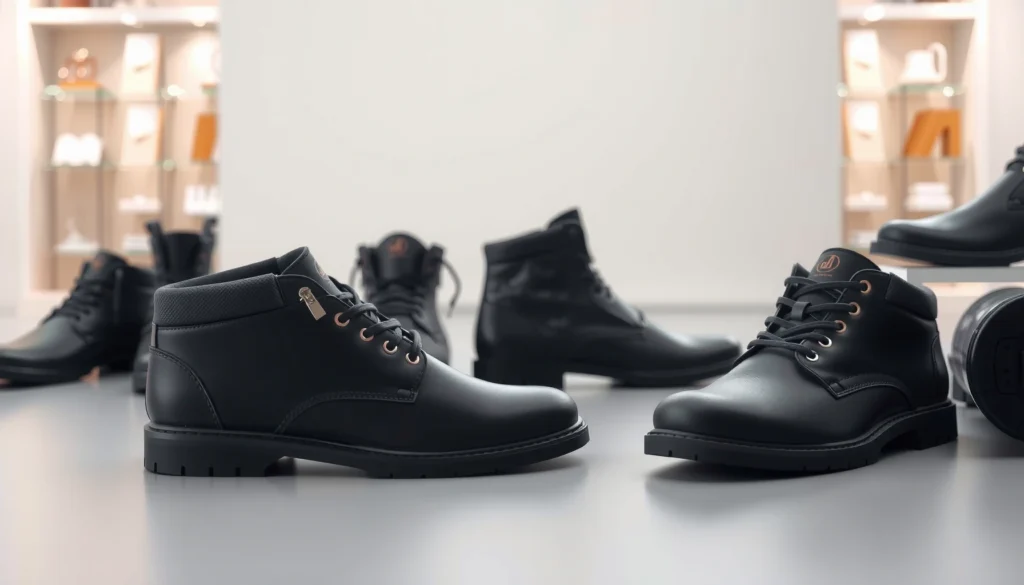

Choosing the best diabetic shoes for men means prioritizing specific features designed to protect vulnerable feet and prevent complications. The ideal pair offers superior comfort, a wide toe box for ample space, extra depth for custom orthotics, seamless interiors to prevent irritation, and robust support. Brands consistently topping the list for their specialized designs and comfort include Dr. Comfort, Orthofeet, and Propet, providing both casual and dress options that cater to the unique needs of men with diabetes, ensuring your feet stay safe and comfortable all day long.




Why Diabetic Shoes Are Essential for Men’s Foot Health
For men living with diabetes, specialized footwear isn’t just a suggestion; it’s a vital component of a comprehensive foot care strategy. Diabetes can lead to various foot complications, and wearing the right shoes can make a profound difference in preventing these issues and maintaining overall quality of life. Let’s dive into why these shoes are so incredibly important.
* Prevent Serious Complications: One of the most critical reasons to invest in diabetic shoes is their ability to significantly reduce the risk of severe foot complications. Conditions like diabetic neuropathy (nerve damage) can diminish sensation in the feet, making you unaware of cuts, blisters, or pressure points. Poor circulation, another common diabetic complication, can impair wound healing. Standard shoes often lack the protective features needed, leading to friction, pressure sores, and even ulcers. Left untreated, these can quickly escalate into serious infections, potentially leading to amputations. Specialized diabetic shoes are meticulously designed to minimize these risks, acting as a crucial first line of defense against these devastating outcomes. They create a safe, stable environment for your feet, mitigating the chances of everyday injuries turning into life-threatening problems.
* Provide Critical Protection: Think of diabetic shoes as armor for your feet. They come equipped with features like extra-cushioned soles that absorb shock from walking, reducing impact on sensitive areas. Their wide toe boxes give your toes ample room to move, preventing painful rubbing against the shoe’s interior or against each other – a common cause of blisters and calluses in regular shoes. The additional depth protects the top of your foot from pressure, especially for those with conditions like hammertoes or bunions. This meticulous design ensures that your feet are shielded from pressure points, friction, and external impacts that could otherwise go unnoticed due to neuropathy, offering a layer of protection that standard footwear simply cannot match.
* Support and Stability: As diabetes progresses, it can affect the structure and mechanics of your feet. Neuropathy can lead to muscle weakness, altering your gait and balance. Charcot foot, a severe diabetic complication, can cause bones in the foot to weaken and fracture, leading to deformities. Diabetic shoes are engineered to provide exceptional support and stability, crucial for accommodating these changes. They often feature sturdy soles, reinforced heels, and excellent arch support to help distribute weight evenly, improve balance, and prevent abnormal foot movements. This enhanced stability is vital for those with reduced sensation or foot deformities, helping to prevent falls and further injuries, allowing you to move with greater confidence and security.
Key Features to Look for in Diabetic Footwear
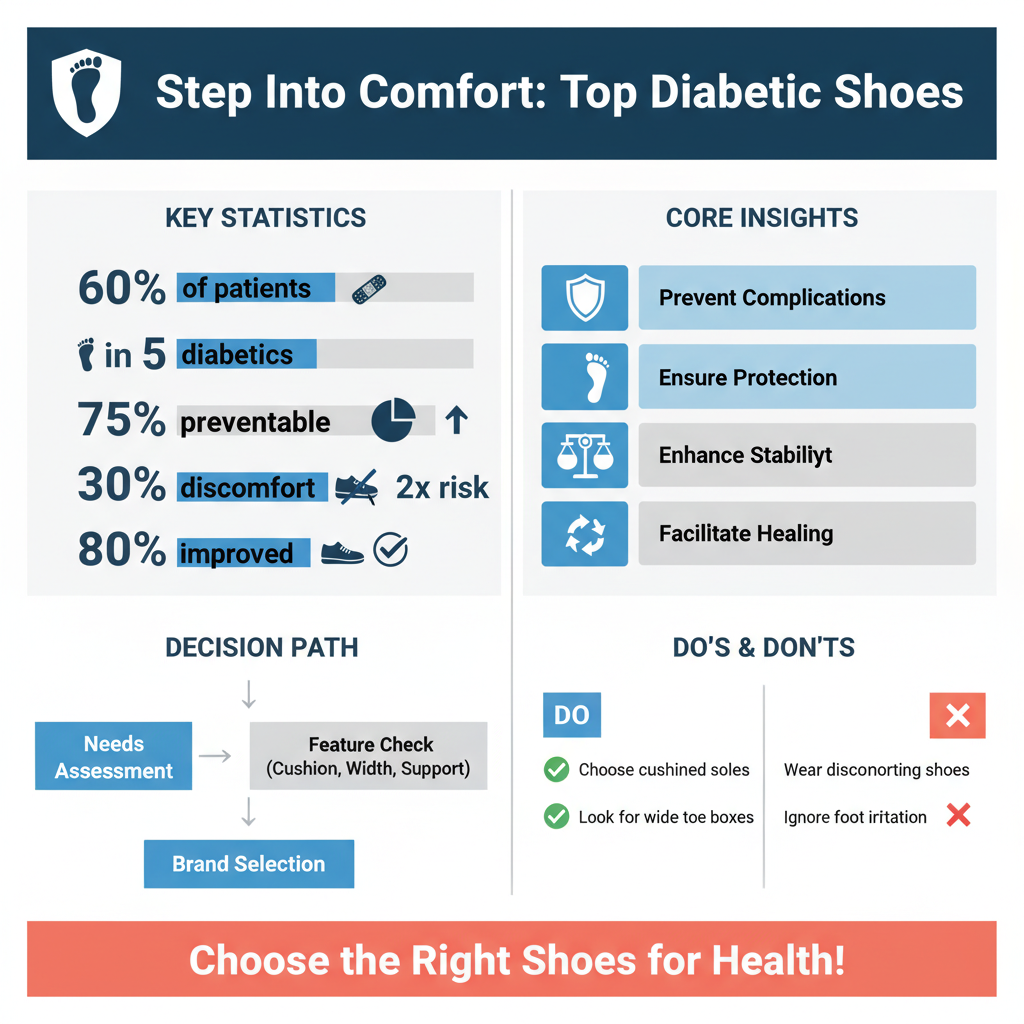

When you’re choosing diabetic shoes, it’s not just about finding a comfortable pair; it’s about finding a pair with very specific, protective features. These elements are what set diabetic footwear apart and make them truly therapeutic. Let’s break down the must-have characteristics:
* Extra Depth and Wide Toe Box: This is perhaps one of the most distinguishing features of diabetic shoes, and for good reason! Many men with diabetes experience foot deformities such as bunions, hammertoes, or claw toes, which can be painfully compressed in standard footwear. An extra-deep design provides ample vertical space, preventing the top of your foot and toes from rubbing against the shoe’s interior. The wide toe box ensures that your toes can splay naturally without crowding, reducing the risk of friction-induced blisters and sores. Moreover, this extra space is absolutely essential for accommodating custom orthotics or specialized inserts prescribed by your podiatrist, which provide crucial support, cushioning, and pressure relief tailored to your unique foot structure and needs. Without this depth, orthotics might make regular shoes too tight, defeating the purpose.
* Seamless Interior: Imagine walking all day with a tiny seam constantly rubbing against a sensitive area of your foot. For someone with diabetes and reduced sensation, this minor irritation can quickly escalate into a blister, then an open wound, and finally a serious infection. This is why a seamless interior is non-negotiable in diabetic footwear. Manufacturers go to great lengths to ensure that the lining of these shoes is smooth and free of any prominent seams or stitching that could cause friction or rubbing. This meticulous design minimizes the risk of skin breakdown, allowing your feet to remain comfortable and protected, even during extended periods of wear. It’s a small detail that offers enormous protection.
* Adjustable Closures: Our feet aren’t static; they change in size throughout the day due to activity, heat, and swelling – a common issue for many with diabetes. Adjustable closures, such as Velcro straps or traditional laces, are incredibly important because they allow for a customizable and secure fit. Velcro straps are particularly convenient for individuals with limited dexterity, offering quick and easy adjustments. Laces, on the other hand, provide a more precise and snug fit, which can be crucial for stability. The ability to loosen or tighten your shoes as needed ensures that your feet are never uncomfortably constricted or slipping around, both of which can lead to friction and injury. This adaptability helps maintain optimal comfort and protection from morning till night.
* Removable Insoles: The ability to remove the shoe’s existing insoles is a key feature that offers immense versatility and therapeutic benefits. It primarily allows you to easily insert custom orthotics prescribed by your doctor or podiatrist. These personalized inserts are vital for correcting biomechanical imbalances, providing targeted arch support, cushioning pressure points, and distributing weight more evenly across the foot. Beyond custom orthotics, removable insoles also mean you can replace worn-out cushioning, accommodate specialized diabetic inserts (which are often thicker), or even adjust the shoe’s depth to achieve the perfect fit for varying foot conditions. This flexibility ensures that your footwear can continually meet your evolving foot care needs, providing consistent comfort and protection.
Top Recommended Brands and Styles for Men

When it comes to diabetic footwear, certain brands have earned a stellar reputation for their commitment to quality, comfort, and advanced therapeutic designs. These manufacturers understand the unique challenges faced by men with diabetes and create shoes that truly make a difference.
* Dr. Comfort: A long-standing leader in therapeutic footwear, Dr. Comfort is renowned for its blend of medical-grade features with stylish designs. You’ll find a wide array of options, from sophisticated dress shoes perfect for the office or special occasions, to relaxed casual sneakers for everyday errands, and even supportive athletic shoes for light activity. What truly sets them apart is their dedication to using high-quality materials, often genuine leather, combined with meticulous craftsmanship. Their shoes consistently offer excellent arch support, superior cushioning, and the essential extra depth and wide toe boxes needed for orthotics. With Dr. Comfort, men don’t have to sacrifice style for foot health, making them a top choice for comprehensive support and protection in any setting.
* Orthofeet: Orthofeet has carved out a niche by integrating innovative biomechanical designs directly into their footwear. Their patented Ortho-Cushion System features premium orthotic insoles with anatomical arch support and multiple cushioning layers that cradle the foot, reducing pressure on the heel and ball. Their shoes are specifically engineered to provide superior cushioning and arch support, which can be a game-changer for those dealing with not only diabetes but also conditions like plantar fasciitis, bunions, and neuropathy. Many of their styles boast non-binding uppers and seamless interiors, ensuring maximum comfort and preventing irritation. Orthofeet offers both active and everyday wear styles, making them an excellent choice for men seeking advanced ergonomic features and unparalleled comfort for all-day wear.
* Propet: Propet stands out for its incredible variety in sizing, offering multiple widths and depths that can be difficult to find in other brands. This extensive range makes Propet an ideal solution for men with particularly wide, swollen, or difficult-to-fit feet, including those with edema. Their focus is squarely on comfort, stability, and accommodating the unique needs of sensitive feet. Propet shoes are often lightweight, featuring cushioned outsoles, firm heel counters, and removable insoles to allow for custom orthotics. From casual walkers to practical boots and even some dressier options, Propet delivers reliable, comfortable, and supportive footwear that genuinely caters to a broad spectrum of foot conditions without compromising on crucial protective features.
* Drew Shoes: Drew Shoes is another highly respected brand in the therapeutic footwear market, known for its “Plus Fitting System.” This unique feature means many of their shoes come with two removable insoles, allowing for maximum adjustability in terms of depth and volume. This capability is particularly beneficial for men who require very specific accommodations, such as custom orthotics, internal bracing, or who experience significant foot swelling. Drew’s commitment to therapeutic benefits extends to their carefully crafted outsoles for stability, soft linings, and wide, deep toe boxes. They offer a range of styles that combine robust support with comfort, making them an excellent option for men needing advanced therapeutic solutions for complex foot conditions, ensuring a truly personalized fit.
Sizing and Fitting Tips for Optimal Comfort
Getting the right fit for your diabetic shoes is just as important as choosing the right features. An ill-fitting shoe, even one designed for diabetes, can cause more harm than good. Following these tips will help ensure you get the perfect pair for your feet.
* Measure Feet Regularly: It’s easy to assume your shoe size remains constant, but this isn’t always the case, especially with age or medical conditions like diabetes. Feet can change in size due to swelling, weight fluctuations, or even foot deformities. It’s crucial to have both of your feet measured professionally at least once a year. Additionally, always try on shoes and measure your feet at the end of the day. This is when your feet are typically most swollen, ensuring that the shoes will be comfortable even when your feet are at their largest. Don’t rely on your “usual” size; a proper measurement is your best guide.
* Ensure Proper Length and Width: When trying on shoes, pay close attention to both length and width. For length, there should be approximately half an inch of space (about the width of your thumb) between your longest toe (which might not always be your big toe) and the very end of the shoe. This prevents your toes from bumping and rubbing, which can cause sores. For width, the shoe should feel snug but not tight. Your foot should not bulge over the sides, and you shouldn’t feel any pinching or squeezing. Wiggle your toes; they should have plenty of room to move freely. Remember, diabetic shoes are meant to be spacious and accommodating, not restrictive.
* Wear Diabetic Socks During Fitting: The type of socks you wear can significantly impact how a shoe fits. Diabetic socks are specifically designed to be seamless, non-binding, and often feature extra cushioning and moisture-wicking properties. When you go shoe shopping, make sure to wear the same type of diabetic socks you typically wear. This will give you the most accurate representation of how the shoes will feel and fit during your daily activities. Trying on shoes with thin dress socks versus thick diabetic socks can lead to a completely different fit experience, so always come prepared!
* Walk Around in Them: Never buy a pair of shoes without taking them for a short “test drive.” Once both shoes are on, walk around the store for several minutes. Pay close attention to how they feel on your feet. Are there any points of pressure? Do they rub anywhere? Do your heels slip excessively? Are they stable? A good pair of diabetic shoes should feel comfortable from the moment you put them on; there shouldn’t be a “breaking-in” period where you endure discomfort. If they cause any rubbing, pinching, or general discomfort during this short walk, they’re likely not the right pair for you. Trust your feet’s immediate reaction.
Beyond Shoes: Holistic Diabetic Foot Care
While the right diabetic shoes are a cornerstone of foot health, they are part of a larger, holistic approach to managing diabetes and protecting your feet. Consistent daily care and regular professional check-ups are equally vital for preventing complications.
* Daily Foot Inspections: Make it a non-negotiable part of your daily routine to visually inspect your feet every single day. Look for any cuts, blisters, redness, swelling, bruises, corns, calluses, or changes in skin color or temperature. Pay extra attention to the bottoms of your feet and between your toes – areas that are easy to overlook but prone to problems. Using a mirror can be incredibly helpful for checking hard-to-see spots. If you notice anything unusual, or if you have any open sores, contact your doctor or podiatrist immediately, especially if you have neuropathy and can’t feel pain. Early detection is key to preventing minor issues from becoming major problems.
* Proper Nail Care: How you trim your toenails might seem minor, but for men with diabetes, it’s a significant aspect of foot care. Always trim your toenails straight across, rather than rounding the corners. This technique helps prevent painful ingrown toenails, which can easily become infected. After trimming, gently file any sharp edges to prevent them from snagging on socks or causing cuts. If your toenails are thick, discolored, or difficult to cut yourself, or if you have any history of ingrown nails, do not attempt to trim them at home. Instead, seek professional help from a podiatrist who can safely manage your nail care and identify any underlying issues.
* Moisturize Daily: Dry, cracked skin is not just uncomfortable; it creates openings for bacteria to enter, leading to infections. Keeping your skin hydrated is essential for maintaining its natural protective barrier. After washing and thoroughly drying your feet, apply a good quality moisturizing lotion daily. Focus on the tops and bottoms of your feet, making sure to gently massage it in. However, it’s critically important to avoid applying lotion between your toes. The moist environment created by lotion between the toes can encourage the growth of fungus and bacteria, leading to uncomfortable and potentially serious infections. Keep that area dry and clean.
* Regular Podiatrist Visits: Even with diligent daily care at home, routine check-ups with a foot care specialist (podiatrist) are indispensable. Your podiatrist is uniquely equipped to assess your foot health, perform thorough examinations, and detect subtle changes or potential issues that you might miss. They can expertly trim calluses, manage corns, treat ingrown toenails, and provide professional advice tailored to your specific condition. These visits also offer an opportunity to discuss your footwear, socks, and any concerns you may have. Regular professional care allows for early detection and intervention, significantly reducing the risk of serious complications and ensuring your feet remain as healthy as possible.
Prioritizing the right diabetic footwear is a critical step in managing diabetes and preventing serious foot complications. By focusing on features like extra depth, wide toe boxes, seamless interiors, and adjustable closures, men can find shoes that offer both comfort and vital protection. Remember to consult with your doctor or podiatrist to get personalized recommendations and ensure your footwear provides the optimal support for your specific needs. Coupled with diligent daily foot inspections, proper nail care, moisturizing, and regular podiatrist visits, you’re building a robust defense for your foot health. Invest in your foot health today by choosing shoes designed with your well-being in mind; your feet will thank you for it!
Frequently Asked Questions
Why are specialized diabetic shoes crucial for men with diabetes?
Specialized diabetic shoes for men are vital because diabetes can lead to severe foot complications like neuropathy (nerve damage), poor circulation, and an increased risk of ulcers. These specially designed shoes provide superior protection, minimize pressure points, and can accommodate foot deformities, significantly lowering the chance of injury and infection. Unlike regular footwear, they offer the necessary depth, width, and cushioning to properly safeguard sensitive diabetic feet.
What specific features should men prioritize when buying the best diabetic shoes?
When selecting the best diabetic shoes for men, prioritize features like a wide and deep toe box to prevent pressure on the toes, seamless interior linings to minimize irritation, and a firm heel counter for stability. Look for excellent arch support, multiple layers of cushioning or removable insoles to accommodate custom orthotics and distribute pressure evenly, along with adjustable closures (e.g., Velcro, laces) for a secure, customizable fit. Breathable materials are also important for maintaining foot hygiene and reducing moisture.
How do diabetic shoes for men contribute to overall foot health and prevent complications?
Diabetic shoes for men significantly contribute to overall foot health by reducing impact and shear forces, which are common causes of skin breakdown and ulcer formation, especially with neuropathy. Their specialized construction, including extra depth and supportive cushioning, can accommodate custom orthotics, further stabilizing the foot and evenly redistributing pressure. This proactive protection is essential in preventing serious complications like infections, Charcot foot, and the severe outcomes that can lead to amputations.
Which common foot problems in men with diabetes can be mitigated by wearing proper diabetic footwear?
Proper diabetic footwear for men can effectively mitigate common foot problems such as diabetic neuropathy, where the feet lose protective sensation, and peripheral artery disease (PAD), which impairs circulation. They help prevent calluses, corns, hammertoes, and bunions from becoming painful or developing into open sores. Crucially, these shoes are vital in avoiding pressure sores and diabetic foot ulcers, which, if left untreated, can lead to severe infections and more serious health consequences.
Are there stylish options available for diabetic shoes for men that don’t compromise on comfort or protection?
Absolutely, the market for diabetic shoes for men has evolved considerably, offering numerous stylish options that do not compromise on essential comfort or protection. You can find well-designed casual sneakers, classic dress shoes, versatile loafers, and even rugged boots that incorporate all the necessary diabetic features like extra depth, seamless interiors, and supportive soles. Many reputable brands now focus on blending therapeutic benefits with modern aesthetics, ensuring men can maintain both their personal style and optimal foot health.
References
- https://en.wikipedia.org/wiki/Therapeutic_shoe
- Diabetes & Foot Problems – NIDDK
- https://www.cdc.gov/diabetes/managing/complications/foot-problems.html
- https://www.diabetes.org/foot-care
- Renal artery stenosis – Symptoms and causes – Mayo Clinic
- https://my.clevelandclinic.org/health/diseases/16912-diabetic-neuropathy-foot-care
- https://www.apma.org/Patients/FootHealth.cfm?ItemNumber=1477
- https://www.uwmedicine.org/patient-care/our-services/specialties/orthopaedics-sports-medicine/foot-and-ankle/diabetic-foot-care
- https://www.ucsfhealth.org/conditions/diabetic-foot
- https://diabetesjournals.org/care/article/45/Supplement_1/S197/140228/8-Foot-Care-Diabetes-Care-Volume-45-Supplement





Pingback: The Best Women's Shoes for Diabetics: A Buying Guide - Best For Diabetics
Pingback: Best Shoes for Diabetic Neuropathy: Your Guide to Comfort - Best For Diabetics