

The “best” diabetic diet isn’t a rigid, one-size-fits-all meal plan, but rather an individualized approach emphasizing whole, unprocessed foods, balanced macronutrients, and consistent eating patterns to effectively manage blood sugar levels and promote overall health. It focuses on making informed choices that stabilize glucose, prevent complications, and improve overall well-being. This guide will help you understand the core principles and practical steps to adopt a diet that supports your diabetes management goals.




Understanding the Diabetic Diet Approach

When you hear “diabetic diet,” it’s easy to picture a world of restrictions and bland meals. But let’s bust that myth right now! The truth is, it’s about making smart, sustainable food choices that nourish your body and stabilize your blood sugar, not about strict deprivation. Think of it as an empowering journey to discover foods that make you feel great and support your long-term health, rather than a list of “can’t haves.” It’s about building a positive relationship with food, where every meal is an opportunity to make a choice that benefits your well-being.
The primary goal of this dietary approach is straightforward yet incredibly impactful: to stabilize blood glucose levels and prevent the long-term complications that diabetes can bring, such as heart disease, kidney issues, and nerve damage. By consistently choosing foods that help keep your blood sugar in a healthy range, you’re actively safeguarding your future health and improving your quality of life today. It’s about being proactive and taking charge of your health through the power of nutrition.
Crucially, the “best” diet is highly personalized. What works wonderfully for one person might not be ideal for another. Your unique journey with diabetes — whether it’s Type 1, Type 2, or gestational diabetes — coupled with your lifestyle, activity level, cultural preferences, and individual health needs, all play a vital role in shaping your ideal eating plan. This is why collaborating with healthcare professionals is so important; they can help you craft a plan that feels achievable, enjoyable, and perfectly tailored to you. It’s about finding your personal sweet spot where nutrition meets your life seamlessly.
Core Nutritional Principles for Blood Sugar Control
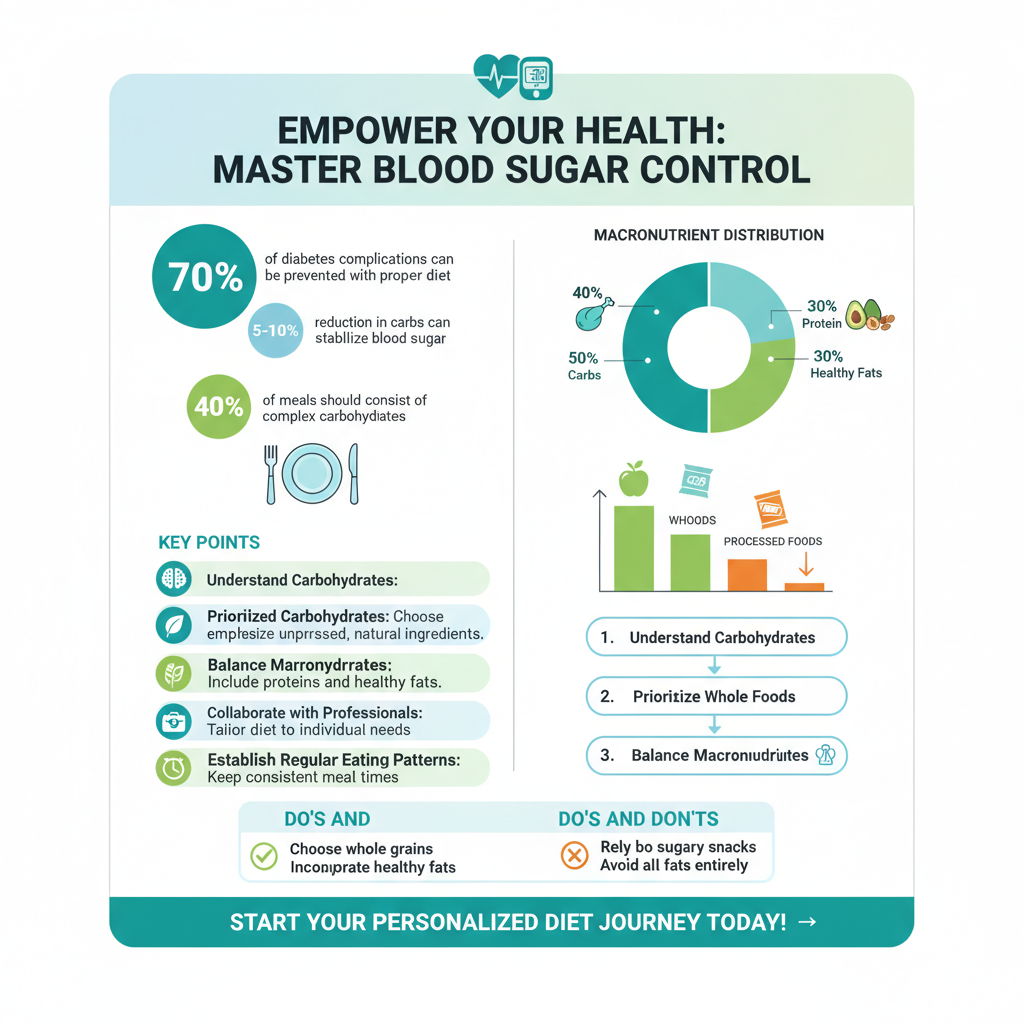

Navigating the world of food with diabetes can feel overwhelming, but understanding a few core nutritional principles can make all the difference. These principles are your compass, guiding you toward choices that effectively manage blood sugar and support your overall health.
Carbohydrate Awareness
Carbohydrates have the most direct impact on blood sugar levels, which is why understanding them is paramount. But “carb awareness” isn’t about cutting them out entirely; it’s about making smarter choices. Focus on complex carbohydrates from whole, unprocessed foods like vegetables, whole grains, and legumes. These foods are digested more slowly, leading to a gradual rise in blood sugar compared to refined carbs. Monitoring portion sizes is also key. Even healthy carbs can cause spikes if eaten in excess. Learning about carbohydrate counting or using the plate method can be incredibly helpful tools to manage your intake effectively and prevent those unwanted blood sugar surges.
Protein and Healthy Fats
Incorporating lean proteins and beneficial fats into your meals is like having a secret weapon for satiety and blood sugar stability. Protein helps you feel full and satisfied, which can prevent overeating and snacking on less healthy options. It also has a minimal impact on blood sugar compared to carbohydrates. Healthy fats, similarly, contribute to satiety and, perhaps more importantly, slow down the absorption of glucose from carbohydrates, helping to prevent rapid blood sugar spikes. Think of them as the slow-release mechanism for your meals. Together, protein and healthy fats create balanced meals that keep your energy steady and your hunger at bay.
Fiber-Rich Foods
Fiber is a superstar nutrient for anyone, but especially for those managing diabetes. Emphasizing fruits, vegetables, and whole grains means loading up on fiber, which offers a myriad of benefits. Soluble fiber, found in oats, beans, apples, and citrus fruits, forms a gel-like substance in the digestive tract that slows down glucose absorption and can help lower cholesterol. Insoluble fiber, found in whole grains, nuts, and many vegetables, adds bulk to your stool, promoting regular digestion. Both types work together for better digestion, improved blood sugar regulation, and a feeling of fullness that supports healthy weight management. Making fiber a priority is a delicious and effective way to support your diabetes management.
Foods to Prioritize for Optimal Health

Building a diabetic-friendly plate is all about filling it with vibrant, nutrient-dense foods that nourish your body and stabilize your blood sugar. Let’s dive into the delicious categories you should prioritize!
Non-Starchy Vegetables
These are your green light foods – eat them in abundance! Non-starchy vegetables are incredibly low in carbohydrates and calories, yet packed with vitamins, minerals, and fiber. They’re a fantastic way to fill your plate without significantly impacting your blood sugar. Think of colorful leafy greens like spinach, kale, and collards; cruciferous veggies such as broccoli, cauliflower, and Brussels sprouts; and other delights like bell peppers, cucumbers, zucchini, asparagus, and green beans. They add flavor, texture, and a wealth of antioxidants to any meal. Roast them, steam them, stir-fry them, or enjoy them raw in salads – the possibilities are endless and delicious!
Lean Protein Sources
Protein is essential for building and repairing tissues, and it plays a key role in keeping you feeling full and satisfied, which helps manage cravings and portion sizes. When managing diabetes, focusing on lean protein sources is crucial. Excellent choices include various types of fish (especially fatty fish like salmon and mackerel, rich in omega-3s), skinless chicken breast, lean turkey, and eggs. For plant-based options, tofu, tempeh, edamame, beans (like black beans, kidney beans, and chickpeas), and lentils are fantastic choices, offering both protein and fiber. Aim to include a lean protein source with every meal to help stabilize blood sugar and support muscle health.
Whole Grains & Healthy Fats
While portion control is important with carbohydrates, whole grains are a far superior choice to their refined counterparts. They offer sustained energy and heart benefits thanks to their fiber content and slower digestion. Opt for oats (steel-cut or rolled, not instant), quinoa, brown rice, barley, farro, and whole-wheat bread or pasta in moderation. These provide essential nutrients and help prevent the rapid blood sugar spikes associated with refined grains.
Equally important are healthy fats. Don’t be afraid of fats; just choose the right ones! Healthy fats are vital for hormone production, nutrient absorption, and heart health, and they contribute significantly to satiety. Incorporate avocados, nuts (almonds, walnuts, pecans), seeds (chia seeds, flaxseeds, sunflower seeds), and olive oil into your diet. These fats not only taste great but also help slow down glucose absorption and contribute to stable blood sugar levels. Just remember that even healthy fats are calorie-dense, so enjoy them in mindful portions.
Foods to Limit or Avoid for Better Management
While we love to focus on what you can eat, understanding which foods to limit or avoid is equally important for effective diabetes management. Making these adjustments can dramatically improve your blood sugar control and overall health.
Sugary Beverages & Processed Sweets
This category is often the biggest culprit for rapid blood sugar spikes. Sugary beverages like sodas, sweetened teas, energy drinks, and even many fruit juices (which lack the fiber of whole fruit) contain concentrated amounts of sugar that hit your bloodstream almost instantly. Similarly, processed sweets such as candy, cakes, pastries, cookies, and ice cream are laden with added sugars and often unhealthy fats, offering little nutritional value while causing significant glucose surges. Making a conscious effort to eliminate or severely limit these items is one of the most impactful changes you can make. Opt for water, unsweetened tea, or coffee, and satisfy your sweet tooth with whole fruits or small portions of naturally sweetened, whole-food desserts.
Refined Grains
Refined grains are cereals that have had their bran and germ removed, stripping them of valuable fiber, vitamins, and minerals. Common examples include white bread, white pasta, white rice, and many breakfast cereals. Without the fiber to slow digestion, these foods are quickly broken down into glucose, causing a rapid rise in blood sugar that can be challenging to manage. They offer fleeting energy and very little in terms of nutritional benefits. Instead, make the switch to whole-grain alternatives like whole-wheat bread, brown rice, quinoa, and whole-wheat pasta. These provide more sustained energy and better blood sugar control thanks to their intact fiber content.
Unhealthy Fats
Not all fats are created equal, and some can actively work against your heart health and insulin sensitivity. Limit trans fats, often found in fried foods, commercially baked goods, and some highly processed snacks, as they can raise bad cholesterol (LDL) and lower good cholesterol (HDL), significantly increasing your risk of heart disease. Excessive saturated fats, commonly found in red meat, high-fat dairy, butter, and many processed foods, should also be consumed in moderation. While current research suggests saturated fat isn’t as villainous as once thought, for those with diabetes, prioritizing healthier unsaturated fats (mono- and polyunsaturated fats) found in avocados, nuts, seeds, and olive oil is a smarter strategy to protect cardiovascular health, a primary concern for individuals with diabetes.
Practical Strategies for Meal Planning & Preparation
Managing diabetes successfully often boils down to consistent, well-planned habits. Incorporating practical strategies into your daily routine can make healthy eating feel less like a chore and more like an effortless part of your life.
Consistent Meal Times
Imagine your body as a finely tuned machine that thrives on predictability. Eating regularly and at consistent meal times helps maintain stable blood sugar throughout the day by providing a steady supply of glucose and preventing drastic peaks and valleys. Skipping meals or eating at irregular intervals can lead to dips in blood sugar followed by overeating later, which can cause significant spikes. Aim for three balanced meals a day, and if needed, include small, healthy snacks in between. This rhythm allows your body to better anticipate and manage incoming glucose, optimizing insulin function and making blood sugar control much smoother.
Read Food Labels
Becoming a savvy food label reader is one of your most powerful tools for making informed dietary choices. Don’t just glance at the front of the package; turn it over and dive into the Nutrition Facts panel and ingredients list. Pay close attention to carbohydrate content (especially “total carbohydrates” and “added sugars”), fiber content, and serving sizes. Understanding how many carbs are in a serving allows you to better manage your intake and prevent surprises. Look for foods with higher fiber and lower added sugars. The ingredients list can also reveal hidden sugars (like corn syrup, dextrose, maltose) and unhealthy fats. The more you practice, the quicker and easier it becomes to quickly identify diabetic-friendly options.
Portion Control
Even the healthiest foods can impact blood sugar if eaten in excessive amounts, making portion control a critical strategy. It’s about enjoying your food without overdoing it. A simple yet effective technique is the “plate method”: fill half your plate with non-starchy vegetables, a quarter with lean protein, and the remaining quarter with complex carbohydrates. Using measuring cups and spoons for specific ingredients like grains or oils, especially when first learning, can also be incredibly helpful. Over time, you’ll develop an eye for appropriate portions without needing to measure everything. Mindfulness during meals – eating slowly, savoring each bite, and paying attention to your body’s hunger and fullness cues – can also naturally lead to better portion control and prevent overeating.
Collaborating with Your Healthcare Team
You don’t have to navigate your diabetes journey alone! A team approach is incredibly effective for managing your diet and overall health. Each member of your healthcare team plays a unique and vital role in helping you succeed.
Registered Dietitian (RD/CDN)
Consider a Registered Dietitian (RD or RDN) your ultimate food and nutrition expert. They are absolutely essential for creating a personalized meal plan tailored precisely to your specific needs, preferences, cultural background, and lifestyle. An RD can help you understand carbohydrate counting, interpret food labels, manage portions, and plan meals that stabilize your blood sugar while still being enjoyable and sustainable. They can also provide guidance on managing other conditions you might have (like high cholesterol or blood pressure) alongside your diabetes. Their expertise extends beyond just what to eat; they’ll teach you how to eat in a way that truly works for you, offering ongoing support and adjustments as your needs evolve.
Endocrinologist/Doctor
Your endocrinologist or general practitioner is the captain of your healthcare team, overseeing your overall diabetes management. Regular check-ups are crucial to ensure your diet aligns with your overall treatment plan, including any medications you’re taking (such as insulin or oral medications). They monitor your A1C levels, blood pressure, cholesterol, and kidney function, making sure your dietary choices are contributing positively to these markers. Your doctor can adjust medication as needed based on your diet and lifestyle changes, and they provide valuable insights into how nutrition impacts your body on a broader physiological level. Maintaining open communication with your doctor about your eating habits is key to comprehensive care.
Diabetes Educator
A Certified Diabetes Educator (CDE) is an invaluable resource who bridges the gap between medical advice and practical, day-to-day living. They provide valuable guidance on self-management techniques, which often include a deep dive into diet and lifestyle modifications. A CDE can teach you practical skills like how to monitor your blood sugar, understand the relationship between food and glucose readings, problem-solve when your numbers are off, and incorporate physical activity safely. They can also offer emotional support and help you cope with the challenges of living with diabetes, making it easier to integrate dietary changes into your daily life and maintain motivation. They’re excellent at translating complex information into actionable, understandable steps.
Adopting the “best” diabetic diet means embracing a lifestyle of informed food choices that support stable blood sugar and long-term well-being. By focusing on whole, nutrient-dense foods, managing carbohydrate intake, and seeking professional guidance, you can build an eating plan that not only manages your diabetes effectively but also enhances your overall health. Remember, this is a personal journey, and flexibility, patience, and self-compassion are just as important as the food on your plate. Start today by making small, sustainable changes and consulting with your healthcare team to tailor a diet that works uniquely for you. You’ve got this!
Frequently Asked Questions
What is considered the “best diabetic diet” and is there a one-size-fits-all approach?
The “best diabetic diet” isn’t a single rigid plan, but rather a personalized approach focused on balanced nutrition to manage blood sugar. It emphasizes whole, unprocessed foods like non-starchy vegetables, lean proteins, healthy fats, and complex carbohydrates, tailored to individual needs. The key is finding a sustainable eating pattern that supports stable blood glucose levels and overall health for effective diabetes management.
How does dietary carbohydrate intake affect blood sugar, and how can I manage it effectively?
Dietary carbohydrates significantly impact blood sugar because they are broken down into glucose, which enters the bloodstream. To effectively manage this, focus on complex carbohydrates found in whole grains, legumes, and vegetables, which cause a slower rise in blood sugar than simple sugars. Learning carbohydrate counting or using the plate method helps in portion control for better glucose management within a diabetic diet.
Which foods should I prioritize, and which should I limit or avoid, for a healthy diabetic eating plan?
For a healthy diabetic eating plan, prioritize non-starchy vegetables, lean proteins (fish, poultry, beans, tofu), and healthy fats (avocado, nuts, olive oil). Limit or avoid processed foods, sugary drinks, refined grains like white bread, and excessive amounts of saturated and trans fats. These food choices support stable blood sugar, heart health, and weight management as part of a comprehensive diabetic diet.
Why is consistent meal timing and portion control important in a diabetic diet?
Consistent meal timing and careful portion control are crucial for managing blood sugar levels in a diabetic diet because they prevent sudden spikes or drops. Eating meals and snacks at regular intervals helps your body process glucose more efficiently and stabilizes insulin release. Understanding appropriate portion sizes for different food groups ensures you consume the right amount of carbohydrates and calories, which is vital for effective diabetes management.
Can following a diabetic diet still allow for enjoyable meals and a varied eating experience?
Absolutely! A diabetic diet doesn’t mean sacrificing enjoyment; instead, it encourages exploring new flavors and healthy cooking methods. You can still enjoy a wide variety of foods by focusing on fresh ingredients, experimenting with herbs and spices, and making smart substitutions for less healthy options. Creative meal planning and incorporating diverse, nutrient-dense foods ensure a satisfying and sustainable eating experience while effectively managing your diabetes.
References
- Nutrition and Diabetes | ADA
- Healthy Living with Diabetes – NIDDK
- https://www.cdc.gov/diabetes/managing/healthy-eating.html
- Diabetes diet: Create your healthy-eating plan – Mayo Clinic
- https://www.health.harvard.edu/diseases-and-conditions/eating-to-prevent-and-control-diabetes
- https://en.wikipedia.org/wiki/Medical_nutrition_therapy_(diabetes
- https://www.nhs.uk/conditions/diabetes/diet-and-lifestyle/





Pingback: What is the Best Dog Food for Diabetic Dogs? - Best For Diabetics
Pingback: Top Diabetes Medications: An Overview - Best For Diabetics
Pingback: The Best Sugar Substitute for Diabetics: Your Guide - Best For Diabetics
Pingback: The Best Artificial Sweetener for Diabetics: What to Choose - Best For Diabetics
Pingback: Best Sugar-Free Cookies for Diabetics: Our Top Picks - Best For Diabetics
Pingback: Best Oats for Diabetes: Your Top Options - Best For Diabetics
Pingback: Best Multivitamin for Diabetes: What to Look For - Best For Diabetics