

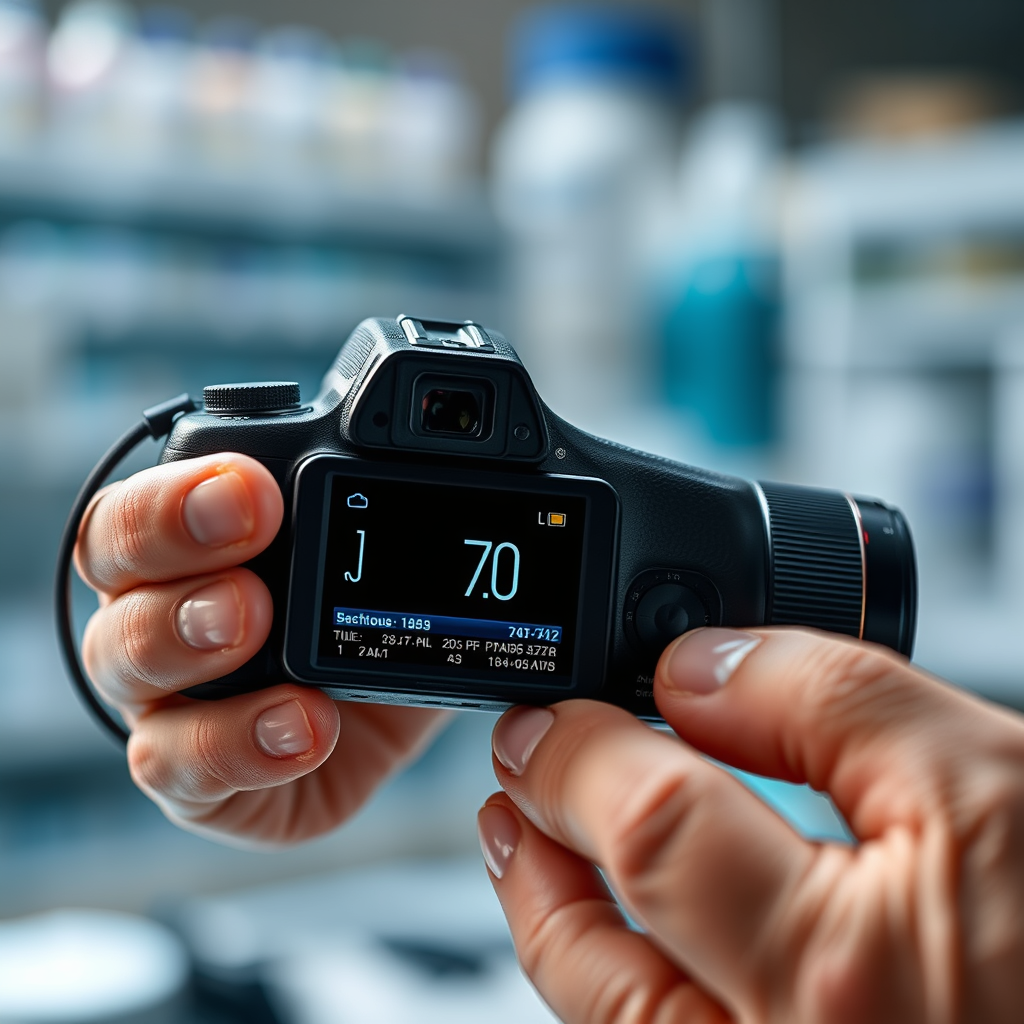
When it comes to the “best” diabetes medicine, there isn’t a single answer that fits everyone. Optimal diabetes treatment is highly personalized, dependent on your specific type of diabetes, overall health, lifestyle, and individual response to medications. This article will guide you through the various categories of diabetes medicines available today and the crucial factors your healthcare team considers to help you find the most effective treatment plan for your needs.


Understanding Oral Medications for Type 2 Diabetes
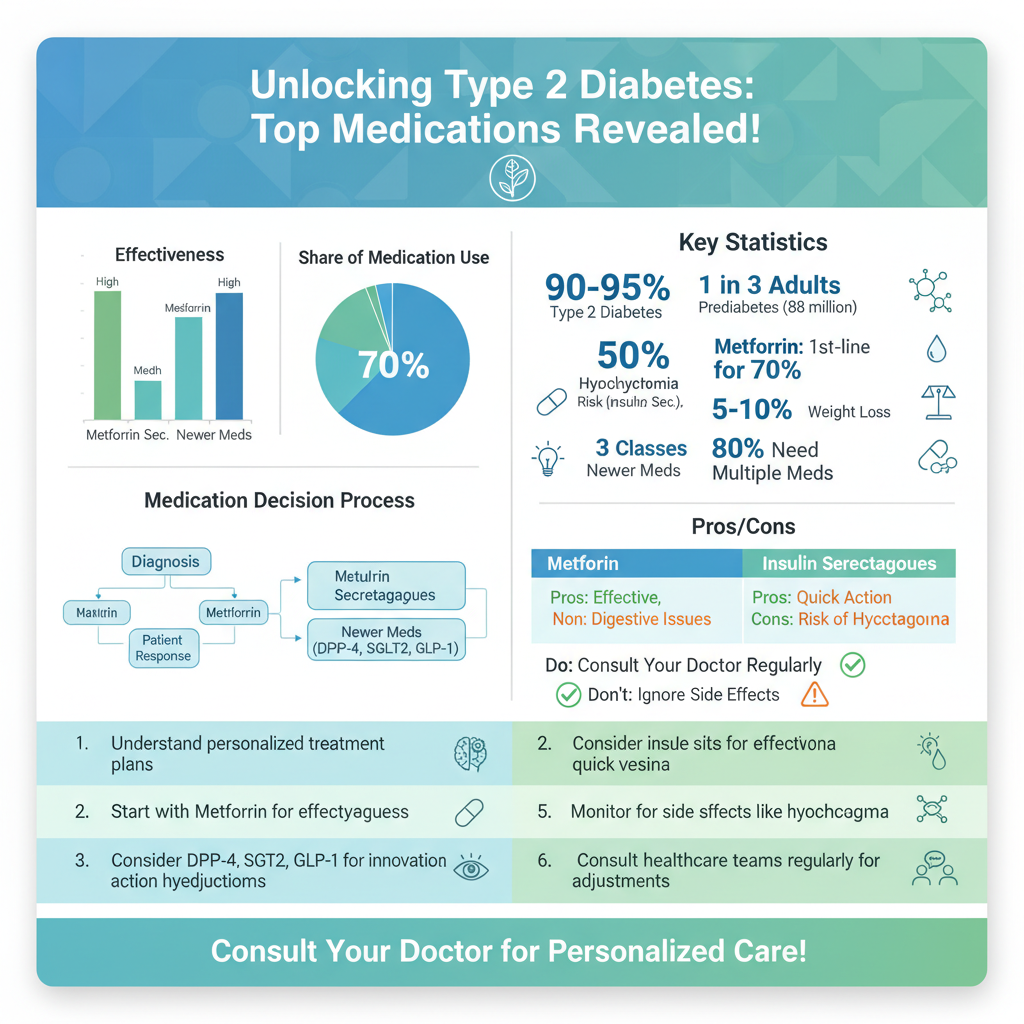

Oral medications are often the first line of defense for individuals with Type 2 diabetes, working in various ways to help your body manage blood sugar. These pills are designed to be convenient and effective, targeting different aspects of glucose control.
* Metformin: The First Line of Defense:
Metformin is a true cornerstone in Type 2 diabetes management and is often the initial prescription upon diagnosis. It’s highly effective and generally well-tolerated. Its primary magic lies in two key actions: first, it significantly reduces the amount of glucose your liver produces, especially during fasting. Second, it helps your body become more sensitive to the insulin it already makes, allowing your cells to absorb sugar from your bloodstream more efficiently. Many people also appreciate that Metformin typically doesn’t cause weight gain and might even lead to a modest weight loss. It’s often continued even when other medications are added to a regimen due to its proven efficacy and safety profile. Common side effects can include mild digestive issues like nausea or diarrhea, which often improve over time or by taking the medication with food.
* Insulin Secretagogues (Sulfonylureas, Glinides):
These medications are designed to give your pancreas a nudge, stimulating it to produce and release more insulin. Sulfonylureas (like glipizide, glyburide, and glimepiride) have been around for a while and are known for their potent blood sugar-lowering effects. Glinides (such as repaglinide and nateglinide) work similarly but have a faster onset and shorter duration of action, often taken right before meals to manage post-meal blood sugar spikes. While very effective at bringing down glucose levels, a key consideration with these drugs is the potential for hypoglycemia (low blood sugar) and sometimes weight gain, because they increase insulin levels in the body. Your doctor will weigh these factors carefully when considering them for your treatment plan.
* Newer Classes (DPP-4 Inhibitors, SGLT2 Inhibitors, GLP-1 Receptor Agonists):
The landscape of diabetes treatment has expanded significantly with the introduction of several innovative medication classes, each offering unique benefits and mechanisms of action.
* DPP-4 Inhibitors (e.g., sitagliptin, saxagliptin): These medications work by blocking an enzyme called DPP-4, which normally breaks down natural gut hormones called incretins. By preserving incretins, DPP-4 inhibitors help your body release insulin when blood sugar is high and reduce glucose production by the liver. They are generally well-tolerated, don’t cause weight gain, and have a low risk of hypoglycemia.
* SGLT2 Inhibitors (e.g., empagliflozin, dapagliflozin): These are truly fascinating! SGLT2 inhibitors work directly on your kidneys, prompting them to remove more sugar from your body through your urine. This unique mechanism leads to lower blood sugar levels and often results in some weight loss and blood pressure reduction. What’s more, several medications in this class have shown remarkable benefits for cardiovascular health and kidney protection, making them a top choice for many people with existing heart or kidney conditions. Potential side effects include an increased risk of urinary tract and yeast infections due to the sugar in the urine.
* GLP-1 Receptor Agonists (Oral Forms, e.g., semaglutide): While many GLP-1s are injectable, an oral formulation has also become available, providing an option for those who prefer pills. These medications mimic a natural hormone called GLP-1, which helps regulate blood sugar in several ways: it stimulates insulin release when needed, suppresses glucagon (a hormone that raises blood sugar), slows stomach emptying (which promotes a feeling of fullness), and can lead to significant weight loss. They are incredibly effective for blood sugar control and offer substantial cardiovascular benefits. Common side effects often include gastrointestinal issues like nausea, vomiting, or diarrhea, especially when first starting the medication.
Injectable Non-Insulin Medications
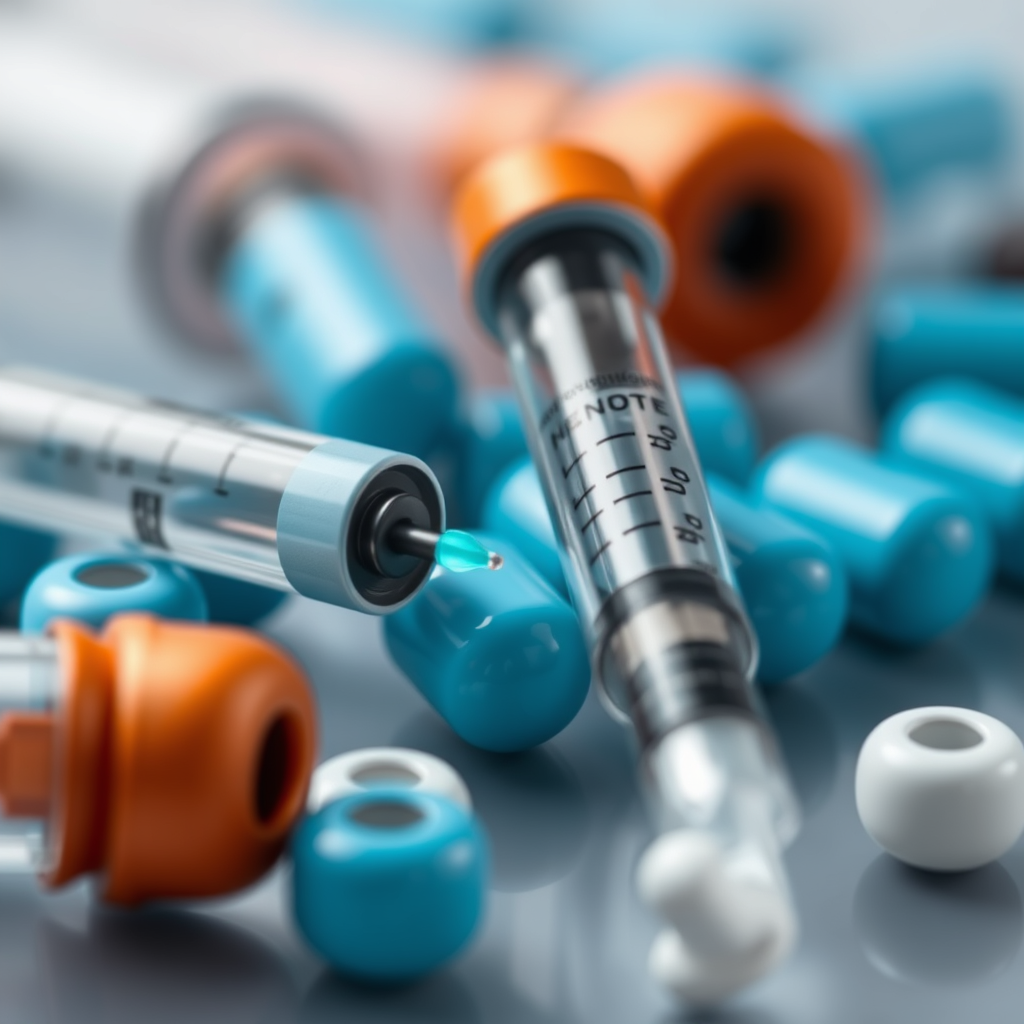
Beyond oral pills, there are powerful injectable medications that aren’t insulin, offering significant advantages, especially for those needing additional blood sugar control, weight management, or cardiovascular protection.
* GLP-1 Receptor Agonists (Injectable Forms):
These medications, like semaglutide, liraglutide, and dulaglutide, are highly effective and have revolutionized Type 2 diabetes care. Administered via a small injection (either daily or weekly, depending on the specific drug), they mimic the natural GLP-1 hormone. This leads to impressive reductions in A1C, often accompanied by substantial weight loss due to their effect on satiety and slowing of gastric emptying. Critically, several injectable GLP-1 RAs have demonstrated significant cardiovascular benefits, reducing the risk of major adverse cardiac events in people with Type 2 diabetes and established heart disease. They also have a very low risk of hypoglycemia when used alone. While digestive side effects like nausea are common, they often subside as your body adjusts to the medication. These are excellent options for many looking for robust blood sugar control and additional health benefits.
* Amylin Mimetic (Pramlintide):
Pramlintide is a unique injectable medication that is used alongside insulin, not as a replacement. It mimics amylin, a natural hormone co-secreted with insulin by the pancreas. Pramlintide works by slowing the rate at which food leaves your stomach, which helps prevent sharp spikes in blood sugar after meals. It also reduces glucagon secretion (glucagon is a hormone that raises blood sugar) and promotes a feeling of fullness, which can aid in weight management. Pramlintide is approved for both Type 1 and Type 2 diabetes, specifically for those who use insulin and struggle with post-meal glucose control. It’s administered as an injection before major meals, and because it works synergistically with insulin, your doctor might adjust your mealtime insulin dose to minimize the risk of hypoglycemia.
Insulin Therapy: When and Why It’s Needed
Insulin therapy is a cornerstone of diabetes management, especially for those whose bodies either don’t produce insulin at all or don’t produce enough to meet their needs. It’s a vital tool that helps keep blood sugar levels stable and prevents serious complications.
* Types of Insulin:
Insulin isn’t a one-size-fits-all medication; it comes in various forms, each designed with different onset, peak, and duration characteristics to mimic the body’s natural insulin release.
* Rapid-acting insulin (e.g., insulin lispro, aspart, glulisine): Starts working within 5-15 minutes, peaks in 30-90 minutes, and lasts 3-5 hours. It’s typically taken right before meals to cover carbohydrate intake.
* Short-acting insulin (e.g., regular insulin): Takes about 30-60 minutes to start working, peaks in 2-4 hours, and lasts 5-8 hours. It’s often taken 30 minutes before meals.
* Intermediate-acting insulin (e.g., NPH insulin): Starts working in 1-2 hours, peaks in 4-12 hours, and lasts 14-24 hours. It’s used to cover blood sugar for about half a day or overnight.
* Long-acting insulin (e.g., insulin glargine, detemir, degludec): Provides a steady, peakless level of insulin for 18-42 hours, acting as a “basal” or background insulin. It’s typically taken once or twice a day to maintain stable blood sugar between meals and overnight.
* Premixed insulin: Combines two types of insulin (e.g., rapid/short and intermediate) in one injection, offering convenience for some individuals. Your doctor will determine the best type and combination for your specific needs.
* For Type 1 and Advanced Type 2 Diabetes:
Insulin is absolutely essential for everyone with Type 1 diabetes. In Type 1, the body’s immune system mistakenly attacks and destroys the insulin-producing cells in the pancreas, meaning the body produces little to no insulin. Without external insulin, individuals with Type 1 diabetes cannot survive. For those with Type 2 diabetes, insulin therapy becomes a critical treatment option as the disease progresses. Over time, the pancreas in people with Type 2 diabetes may produce less and less insulin, or the body becomes even more resistant to the insulin it does make. When oral medications or non-insulin injectables are no longer sufficient to achieve target blood sugar levels, insulin therapy is introduced to help fill the gap and maintain good control, preventing long-term complications.
* Delivery Methods:
Administering insulin has become increasingly flexible and user-friendly.
* Traditional syringes: These are basic, reliable, and cost-effective. You draw insulin from a vial into a syringe and inject it.
* Insulin pens: These pre-filled or reusable devices contain an insulin cartridge and a dial to set the dose. They are often preferred for their convenience, portability, and ease of use, eliminating the need to draw up insulin from a vial.
* Continuous insulin pumps: For those requiring very precise and flexible insulin delivery, an insulin pump provides continuous basal insulin throughout the day and night, along with bolus doses that the user can program for meals or to correct high blood sugar. Pumps offer advanced features and often better control, mimicking the pancreas more closely, but they also require more training and active management.
Key Factors Influencing Medication Choice
Choosing the right diabetes medication is a nuanced process, and it’s far from a simple decision. Your healthcare team carefully considers a multitude of personal and medical factors to craft a treatment plan that’s just right for you.
* Diabetes Type and Severity:
The fundamental distinction between Type 1 and Type 2 diabetes immediately narrows down the treatment options. Type 1 diabetes always requires insulin therapy, as the body produces no insulin. For Type 2 diabetes, the journey often begins with lifestyle changes and oral medications, gradually progressing to more intensive therapies as needed. The severity of your diabetes, indicated by your A1C levels, how long you’ve had the condition, and whether you’ve developed complications, also plays a huge role. Someone newly diagnosed with mildly elevated blood sugar might start with Metformin, while someone with long-standing diabetes and very high A1C might need a combination of medications, possibly including insulin, right from the start.
* Overall Health Profile:
Your overall health is incredibly important. Your doctor will take a comprehensive look at any other health conditions you might have, known as comorbidities. For example, if you have established cardiovascular disease (like a history of heart attack or stroke), chronic kidney disease, or heart failure, certain diabetes medications like SGLT2 inhibitors and GLP-1 receptor agonists are often prioritized. Why? Because these medications have shown amazing benefits beyond just lowering blood sugar; they can actually protect your heart and kidneys. If obesity is a major concern, medications that also promote weight loss (like GLP-1 RAs or SGLT2 inhibitors) might be favored. Conversely, if you have significant kidney impairment, some medications might need to be avoided or have their doses adjusted, as they are processed through the kidneys.
* Potential Side Effects and Patient Lifestyle:
Every medication comes with potential side effects, and balancing efficacy with tolerability is key. For instance, some medications carry a higher risk of hypoglycemia (low blood sugar), which needs to be considered, especially for older adults or those with demanding jobs where a sudden drop in blood sugar could be dangerous. Gastrointestinal side effects like nausea or diarrhea are common with some newer drugs, and while they often improve, they can impact daily life. Cost is another very practical consideration; some of the newer, more advanced medications can be expensive, and insurance coverage varies. Finally, your lifestyle and preferences are paramount. Are you comfortable with injections, or do you prefer oral pills? How often are you willing to take medication? Do you have a consistent meal schedule? Your daily routine, ability to monitor blood sugar, and personal comfort levels are all vital pieces of the puzzle that your doctor will discuss with you to ensure the chosen regimen is one you can stick with long-term.
Working with Your Healthcare Team
Finding the most effective diabetes treatment isn’t a solitary endeavor; it’s a dynamic partnership between you and your healthcare team. This collaborative approach ensures that your treatment plan is not only effective but also adaptable to your evolving needs.
* Personalized Treatment Plans:
The concept of a “one-size-fits-all” approach simply doesn’t apply to diabetes management. Your endocrinologist or primary care physician is your most valuable ally in tailoring a treatment plan that is absolutely unique to you. This involves a deep dive into your medical history, current health status, lifestyle, and even your personal preferences and goals. They’ll consider your A1C target, your risk for complications, the presence of other health conditions, and how well you’ve responded to past treatments. Remember, your doctor isn’t just treating a number; they’re treating you, a whole person with a unique set of circumstances. Don’t hesitate to ask questions, share your concerns, and actively participate in these discussions.
* Regular Monitoring and Adjustments:
Diabetes is a condition that requires ongoing attention and adaptation. Your medication regimen isn’t set in stone; it’s a living plan that needs regular review and adjustments. Consistent monitoring of your blood sugar levels (both at home and through lab tests like A1C), along with assessments of your kidney function, cholesterol levels, blood pressure, and weight, provides crucial data. Based on these markers and how you’re feeling, your doctor will make necessary tweaks to your medication types, dosages, or timing. What works perfectly today might need modification in six months or a year, due to disease progression, changes in lifestyle, or the development of new health conditions. Regular follow-up appointments are essential to ensure your plan remains optimized for the best possible outcomes.
* Integrating Lifestyle Changes:
It’s absolutely crucial to remember that medication, no matter how advanced, is most effective when it’s combined with a healthy lifestyle. Think of medications as powerful tools, but lifestyle changes are the foundation upon which your diabetes management rests. This includes adopting a balanced and nutritious diet, ideally guided by a dietitian, that focuses on whole foods, controlled carbohydrate intake, and appropriate portion sizes. Regular physical activity, even moderate exercise like brisk walking, plays a significant role in improving insulin sensitivity and helping with weight management. Furthermore, stress management techniques, adequate sleep, and avoiding smoking can all profoundly impact blood sugar control and overall well-being. Lifestyle changes aren’t just an add-on; they are integral to the success of your diabetes treatment plan and empower you to take an active role in your health journey.
Finding the optimal diabetes medicine is a journey that emphasizes individualized care rather than a one-size-fits-all solution. It involves a strategic blend of medication, lifestyle adjustments, and ongoing evaluation with your healthcare provider. Whether it’s an oral pill, an injectable non-insulin medication, or insulin therapy, the best choice is always the one that aligns perfectly with your unique health profile, goals, and lifestyle. If you’re managing diabetes or have concerns about your current treatment, speak with your doctor to discuss the most suitable options and ensure your care plan is perfectly aligned with your health goals. Your well-being is a priority, and together with your healthcare team, you can achieve excellent diabetes control.
Frequently Asked Questions
What are the main types of diabetes medications available today?
Modern diabetes management involves several classes of medications, including oral drugs like biguanides (e.g., metformin), sulfonylureas, DPP-4 inhibitors, SGLT2 inhibitors, and GLP-1 receptor agonists (also available orally for some). Additionally, injectable medications such as various types of insulin and non-insulin injectables like GLP-1 receptor agonists play crucial roles. Each class works through different mechanisms to lower blood sugar and manage diabetes effectively, often prescribed individually or in combination.
How do doctors determine the “best” diabetes medicine for an individual patient?
The “best” diabetes medicine is highly individualized, with doctors considering numerous factors beyond just blood sugar control. They assess the patient’s specific type of diabetes, A1c levels, existing health conditions like heart disease or kidney issues, potential side effects, and even lifestyle and cost. Ultimately, the choice involves a shared decision-making process between the patient and their healthcare provider to find the most suitable and tolerable treatment plan for long-term diabetes management.
Which newer diabetes medications offer significant benefits beyond just blood sugar control?
Two prominent classes of newer diabetes medications offer substantial benefits beyond simply lowering blood sugar: SGLT2 inhibitors and GLP-1 receptor agonists. SGLT2 inhibitors have shown remarkable cardiovascular and kidney protective effects, reducing risks of heart failure and kidney disease progression in many patients with type 2 diabetes. Similarly, GLP-1 receptor agonists provide significant cardiovascular benefits, often promote weight loss, and can reduce the risk of major adverse cardiovascular events.
Are there effective oral medications for type 2 diabetes, or are injections always necessary?
Yes, there are many highly effective oral medications available for managing type 2 diabetes, often serving as initial treatments or used in combination therapy. Drugs like metformin, sulfonylureas, DPP-4 inhibitors, and oral SGLT2 inhibitors can significantly improve blood sugar control for many individuals. Injections, primarily insulin or some GLP-1 receptor agonists, become necessary when oral medications are no longer sufficient to achieve target blood sugar levels, or for specific conditions like type 1 diabetes which always requires insulin replacement.
What are common side effects to be aware of when starting new diabetes medicine?
When starting new diabetes medicine, common side effects can vary widely depending on the drug class. Many oral medications, especially metformin, may cause gastrointestinal issues like nausea, diarrhea, or abdominal discomfort. Some drugs, like sulfonylureas and insulin, carry a risk of hypoglycemia (low blood sugar), while SGLT2 inhibitors can increase the risk of urinary tract infections or yeast infections. Always discuss potential side effects thoroughly with your doctor to understand what to expect and how to manage them.
References
- https://www.niddk.nih.gov/health-information/diabetes/overview/treatment-management/medications-type-2-diabetes
- https://www.cdc.gov/diabetes/managing/type2/medications.html
- Diabetes treatment: Using insulin to manage blood sugar – Mayo Clinic
- https://www.diabetes.org/healthy-living/medication
- Diabetes medication
- https://my.clevelandclinic.org/health/articles/12313-diabetes-medications
- Treatment for type 2 diabetes – NHS




Pingback: Best Wet Food for Diabetic Cats: Optimal Choices - Best For Diabetics
Pingback: Best Wet Dog Food for Diabetic Dogs - Best For Diabetics