

When it comes to the “best” juice for diabetics, the quick and direct answer is that most commercial fruit juices are generally not recommended due to their high sugar content and lack of fiber, which can cause rapid blood sugar spikes. Instead, the best options lean heavily towards vegetable-based juices, diluted low-glycemic fruit juices in very small portions, or infused waters. This guide will help you understand healthier choices and how to incorporate them safely into a diabetic diet, empowering you to make smart, refreshing decisions for your well-being.




Why Traditional Juices Can Be Problematic for Diabetics
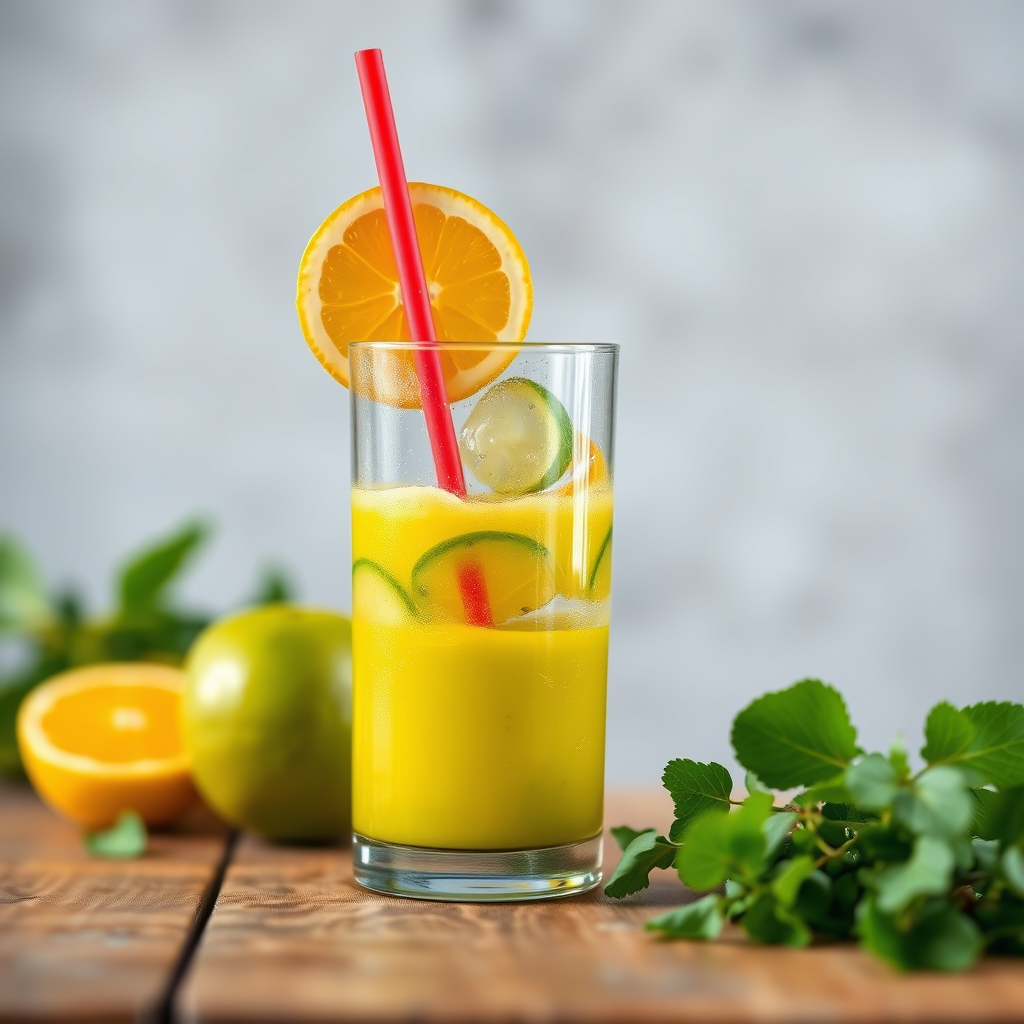
Traditional fruit juices, even those labeled “100% pure,” often harbor hidden challenges for individuals managing diabetes. While they might seem like a healthy choice at first glance, understanding their impact on your blood sugar is crucial for maintaining good health.
* High Sugar Content: It’s a common misconception that because fruit juice comes from fruit, it’s inherently “good” for you without caveats. The truth is, when you juice a piece of fruit, you concentrate its natural sugars. Think about how many oranges it takes to make one glass of orange juice – often three or four! All the sugar from those oranges ends up in your glass, but without the bulk and fiber of eating the whole fruits. This concentrated sweetness means a significant influx of sugar into your system in one go, similar to drinking a sugary soda in terms of immediate glycemic impact.
* Lack of Fiber: This is perhaps the biggest culprit in why traditional juices are a no-go for diabetics. The very process of juicing strips away most of the beneficial fiber that’s naturally present in whole fruits. Fiber is a crucial component that helps slow down the absorption of sugar into the bloodstream. It acts like a natural speed bump, allowing your body to process glucose more gradually and preventing a sudden rush. Without this fiber, your body absorbs those concentrated sugars much more quickly.
* Rapid Blood Sugar Spikes: The combination of high concentrated sugar and minimal fiber creates a perfect storm for rapid blood sugar spikes. When sugars are absorbed quickly, your pancreas has to work overtime to release insulin to bring those levels down. For someone with diabetes, whose body may not produce enough insulin or effectively use the insulin it does produce, this can lead to dangerously high blood glucose levels. These sudden fluctuations can cause immediate symptoms like fatigue, increased thirst, and blurred vision, and over time, contribute to long-term complications associated with poorly controlled diabetes.
Smart Choices: Nutrient-Rich Vegetable Juices
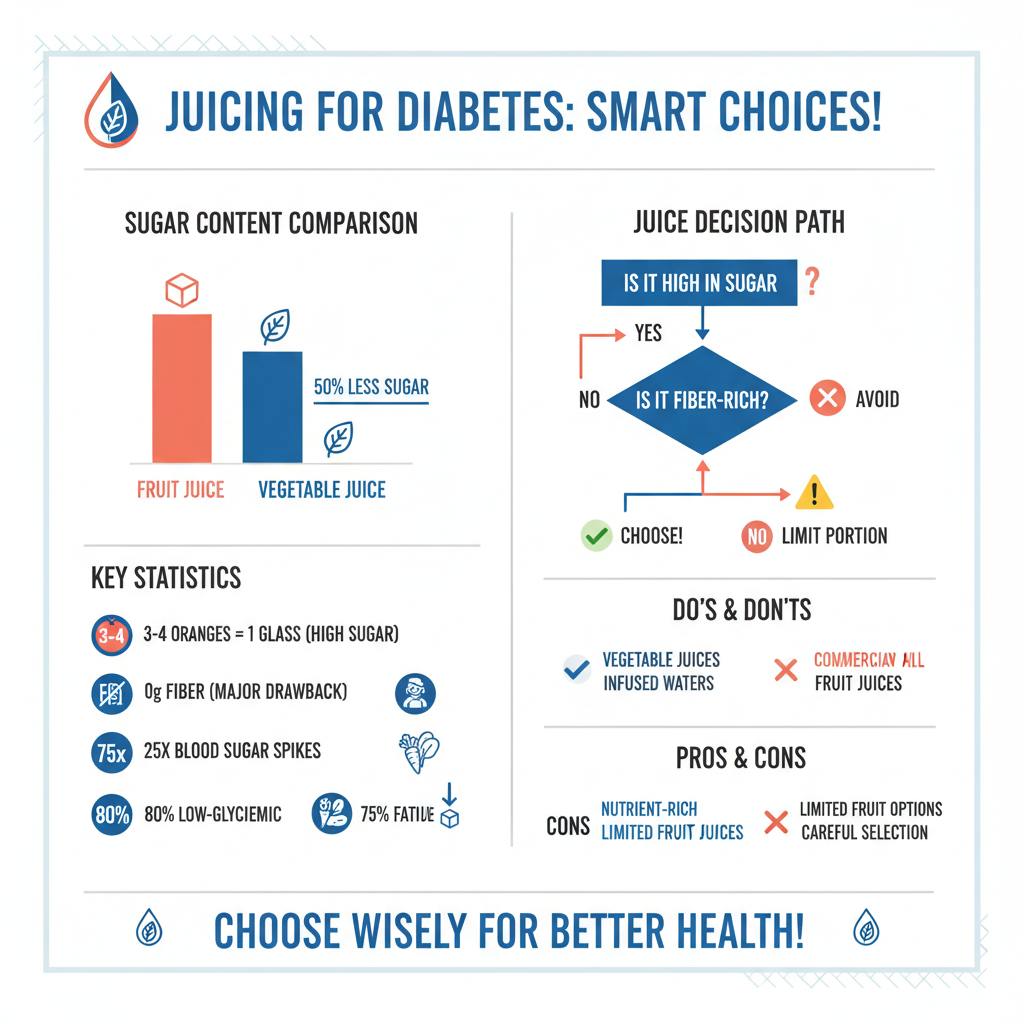
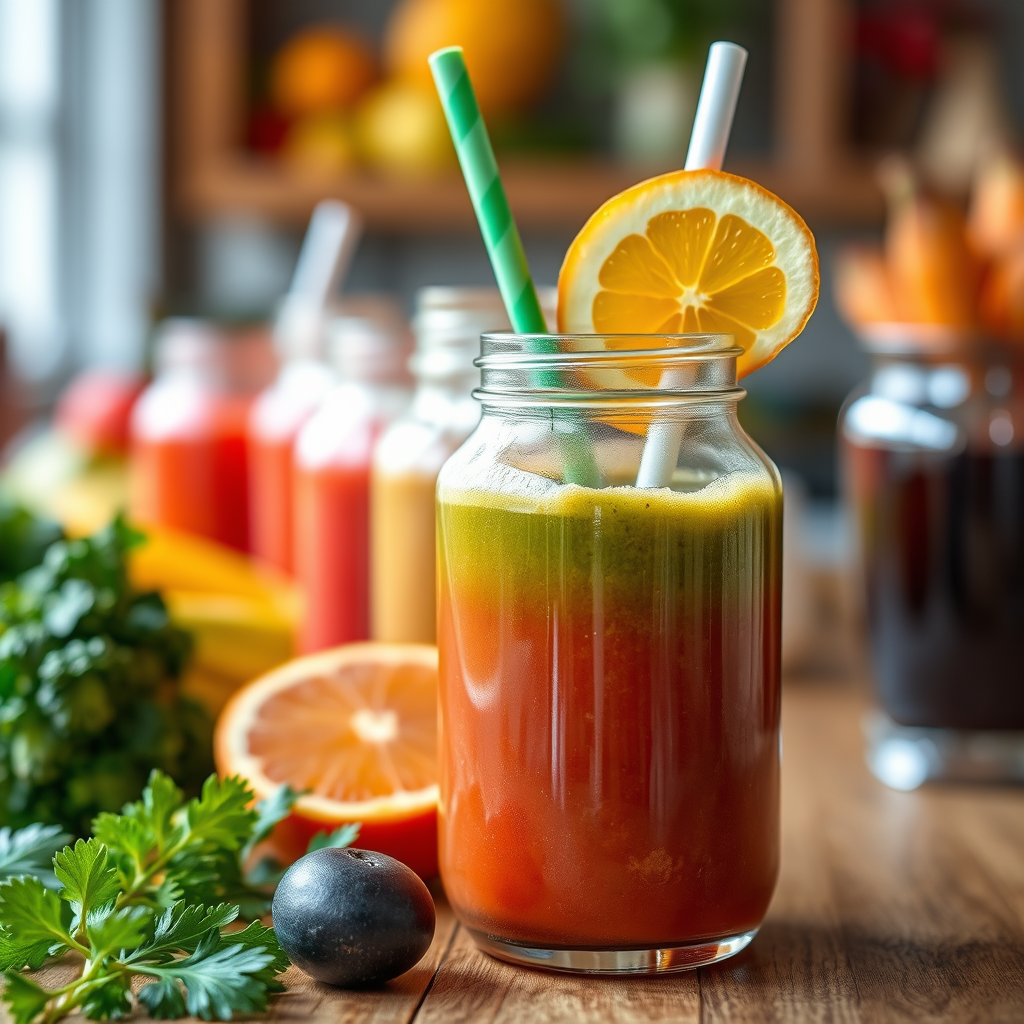
When it comes to juicing for diabetics, the focus should almost entirely shift from fruit to vegetables. Vegetable-based juices are a fantastic way to pack a powerful nutritional punch without the sugar overload, making them a much smarter choice for managing blood sugar levels.
* Focus on Non-Starchy Vegetables: The cornerstone of diabetic-friendly juicing lies in selecting the right ingredients. Non-starchy vegetables are your best friends here. Think vibrant greens like spinach and kale, refreshing options like cucumber and celery, and a touch of color from bell peppers. Carrots can be included, but generally in moderation, as they do contain more natural sugars than leafy greens. These vegetables are low in carbohydrates and rich in a diverse array of vitamins, minerals, and antioxidants, offering a wealth of health benefits far beyond just managing blood sugar.
* Benefits for Blood Sugar: The magic of these vegetable juices is their low glycemic load. Unlike fruit juices, they won’t send your blood sugar soaring. Instead, they provide a steady supply of nutrients, helping to stabilize energy levels and support overall metabolic health. The phytonutrients and compounds found in these vegetables can even contribute to better insulin sensitivity over time, making your body more efficient at utilizing glucose. Plus, their high water content contributes to hydration, which is vital for everyone, especially those with diabetes.
* Flavor Enhancers: Bland vegetable juice isn’t very appealing, but you don’t need sugar to make it delicious! A squeeze of fresh lemon or lime juice can add a bright, zesty kick that beautifully balances earthy vegetable flavors. A small piece of fresh ginger root can introduce a wonderfully warming and spicy note, offering not just flavor but also potential anti-inflammatory benefits. Fresh mint leaves can provide a cool, refreshing twist. Experiment with small amounts of these natural enhancers to create a juice that you genuinely enjoy without compromising your blood sugar goals.
Low-Glycemic Fruit Additions (in Strict Moderation)
While vegetable juices are the star, it’s understandable to crave a hint of sweetness. If you choose to incorporate fruit, it’s paramount to do so with extreme caution and in very controlled portions. The general rule is: eat your fruit, don’t drink it! But if you must, here’s how to approach it.
* Small Portions are Key: If you decide to add fruit to your juice, treat it as a garnish or a flavor accent, not the main ingredient. We’re talking about a quarter of a green apple, a small handful of berries, or a slice of citrus, not a whole piece of fruit. The goal is to get just enough sweetness to make the vegetable juice more palatable without significantly increasing its sugar content. Always remember that even “low-glycemic” fruits still contain natural sugars that can impact your blood glucose if consumed in large quantities.
* Prefer Whole Fruit: Let’s be clear: eating whole fruit is almost always a superior choice to juicing it. When you eat a whole apple, a handful of berries, or an orange, you consume all the dietary fiber present in the fruit’s skin and pulp. This fiber is crucial for slowing down sugar absorption, promoting satiety, and supporting digestive health. Juicing removes this essential fiber, turning a whole, healthy food into a concentrated source of sugar that can spike blood glucose levels more quickly.
* Blend vs. Juice: If you’re looking for a way to include both fruits and vegetables in a liquid form, consider blending over traditional juicing. When you make a smoothie using a high-powered blender, you retain all the fiber from the whole fruits and vegetables. This means that while you’re still consuming the natural sugars, the fiber acts to slow down their absorption, leading to a much more gradual and less dramatic rise in blood sugar compared to traditional juice. A green smoothie with spinach, half a banana, and a few berries can be a much better option than a pure fruit juice.
Dilution and Preparation Tips for Diabetic-Friendly Juices
Making your own diabetic-friendly juices at home gives you complete control over the ingredients, allowing you to tailor them perfectly to your dietary needs. These preparation tips will help ensure your homemade concoctions are both delicious and safe for your blood sugar.
* Always Dilute: This is a golden rule for any juice, especially if it contains even a small amount of fruit. Mixing your vegetable juice, or any concoction with a hint of fruit, with water or unsweetened sparkling water is an excellent strategy. Dilution effectively reduces the sugar concentration per serving, making the drink less likely to cause a rapid blood sugar spike. Aim for at least a 1:1 ratio (one part juice to one part water) and adjust to your taste. This not only makes the drink safer but also helps you stay hydrated.
* Incorporate Healthy Spices: Beyond just flavor, certain spices are known for their potential to support blood sugar management. Cinnamon, for instance, has been studied for its ability to improve insulin sensitivity. Turmeric, with its active compound curcumin, offers powerful anti-inflammatory benefits that can be helpful for overall metabolic health. Ginger, often used for its digestive benefits, can also add a delightful warmth and zest. Add a pinch of cinnamon to a carrot-ginger juice, or a dash of turmeric to a green juice for an extra healthful boost and complex flavor profile without adding any sugar.
* Freshly Made is Best: The freshest juice is always the best juice, especially for diabetics. When you make juice at home, you control every ingredient, ensuring there are no hidden sugars, artificial sweeteners, or preservatives that are often found in store-bought varieties. Freshly made juice also retains the maximum amount of vitamins, minerals, and enzymes, which can degrade over time. Aim to consume your homemade juice immediately after preparation to reap all its nutritional benefits and ensure it tastes its best.
Navigating Store-Bought Juices: What to Look For
While homemade is ideal, sometimes convenience calls for store-bought options. However, the supermarket juice aisle can be a minefield for diabetics. Knowing exactly what to look for and what to avoid is critical to making safe choices.
* Read Labels Carefully: This cannot be stressed enough. Always turn the bottle around and scrutinize the nutrition facts label. Look specifically for “100% vegetable juice” with absolutely no added sugars, artificial sweeteners, or fruit juice blends (unless it’s a very small amount of a specific low-glycemic fruit you’ve intentionally allowed). Pay close attention to the ingredient list to ensure it only contains the vegetables you expect and nothing more.
* Beware of “No Added Sugar”: Don’t let marketing claims mislead you. A label that proudly states “No Added Sugar” does *not* mean the product is low in sugar overall. It simply means that no *additional* sugar has been manually added beyond what naturally occurs in the ingredients. Fruit juices, even 100% pure ones, naturally contain significant amounts of sugar. Therefore, it’s essential to always check the total carbohydrate and sugar count per serving on the nutrition label. Compare these values to your daily carbohydrate allowance to determine if it’s a suitable option, even in small amounts.
* Avoid Concentrates: Juice concentrates are essentially juices that have had most of their water removed, making them thicker and easier to store and transport. To reconstitute them, water is added back. However, during this processing, many beneficial nutrients can be lost, and often, sugars or artificial flavorings are added to improve taste. Opting for juices made from fresh, whole vegetables (or cold-pressed varieties, if available and carefully reviewed) is always preferable to those made from concentrates, which offer less nutritional value and can often contain more unwanted additives.
Beyond Juices: Excellent Hydration for Diabetics
While incorporating healthy juices can be part of a diabetic diet, it’s important to remember that these are supplementary. The foundation of healthy hydration for anyone, especially those managing diabetes, remains simple and pure.
* Water is Supreme: Plain old water truly is the king of hydration. It’s calorie-free, carbohydrate-free, and has absolutely no impact on blood sugar levels. Staying well-hydrated is crucial for overall health, helping your body’s systems function efficiently, aiding in nutrient transport, and even assisting with kidney function, which is particularly important for diabetics. Make it your primary beverage throughout the day.
* Unsweetened Teas and Coffee: If you crave something with more flavor than water, unsweetened teas and coffee can be excellent alternatives. Herbal teas like peppermint, chamomile, or ginger tea are naturally caffeine-free and offer a range of soothing or invigorating properties. Green tea and black tea, rich in antioxidants, can also be enjoyed without sugar or creamers. Just be mindful of caffeine intake if you’re sensitive, and always avoid adding sugar, honey, or sweetened creamers, which can quickly turn a healthy beverage into a blood sugar-spiking drink.
* Infused Water: This is a fantastic way to add natural flavor to your water without any added sugar or calories. Simply add slices of fresh fruits, vegetables, or herbs to a pitcher of water and let it sit for a few hours in the refrigerator for the flavors to meld. Think refreshing combinations like cucumber and mint, lemon and ginger, or even a few slices of strawberry or orange (which will impart flavor without significant sugar if the fruit itself isn’t consumed). This makes drinking enough water much more enjoyable and keeps your hydration game strong and sugar-free.
Navigating beverage choices with diabetes requires careful consideration, but with the right knowledge, you can still enjoy refreshing drinks. Prioritize water, embrace vegetable-based juices, and approach fruit juices with extreme caution and moderation. Always remember to monitor your blood sugar levels after trying new foods or drinks to understand their individual impact on your body. For personalized dietary advice tailored to your specific health needs, consult with your doctor or a registered dietitian before making significant changes to your diet.
Frequently Asked Questions
What is the best type of juice for diabetics to drink?
The best type of juice for diabetics is typically unsweetened, 100% pure vegetable juice, as it offers nutrients with minimal impact on blood sugar levels. Options like celery, cucumber, or leafy green juices (kale, spinach) are excellent choices due to their low carbohydrate content and often retained fiber, especially when made fresh. Always ensure there are no added sugars, artificial sweeteners, or fruit concentrates to help manage diabetes effectively.
How can diabetics enjoy juice without spiking blood sugar levels?
Diabetics can enjoy juice safely by practicing strict portion control, usually limiting intake to 4 ounces or less at a time. Diluting juice with water is an effective strategy to reduce sugar concentration per serving and slow absorption, helping to mitigate blood sugar spikes. Additionally, consuming juice alongside a meal that includes protein and healthy fats can further help moderate glucose response, making it easier for diabetics to manage their blood sugar.
Why is regular fruit juice generally not recommended for people with diabetes?
Regular fruit juice is generally not recommended for people with diabetes because it is a concentrated source of natural sugars (fructose) with most of the beneficial fiber removed during processing. This lack of fiber means the sugars are absorbed very quickly into the bloodstream, leading to rapid and significant blood sugar spikes. For individuals managing diabetes, consuming whole fruits is always preferred over juice due to their intact fiber content, which helps slow sugar absorption.
What specific fruit and vegetable juices are considered safe for diabetics in moderation?
For diabetics, certain vegetable juices like pure, low-sodium tomato juice, celery, cucumber, and leafy greens (kale, spinach) are generally considered safe in moderation due to their very low sugar content. When considering fruit, small amounts of tart cherry or pomegranate juice, heavily diluted and unsweetened, can be consumed sparingly due to their antioxidant benefits. The crucial factor is strict portion control and ensuring no added sugars to help keep blood sugar stable.
Are “no sugar added” or “diet” juices truly safe for diabetics?
While “no sugar added” juices remove *extra* sweeteners, they can still contain significant natural sugars from fruit, which can impact blood glucose levels for diabetics. “Diet” juices often use artificial sweeteners, which might not directly spike blood sugar but some studies suggest potential long-term effects on gut health and glucose metabolism. Diabetics should always read labels carefully to understand the total carbohydrate and sugar content per serving and consult their healthcare provider to determine if these options are suitable for their individual management plan.
References
- https://diabetes.org/healthy-living/recipes-nutrition/healthy-drinks
- https://www.mayoclinic.org/diseases-conditions/type-2-diabetes/in-depth/diabetes-management/art-20047648
- https://www.cdc.gov/diabetes/managing/eat-well/drinks.html
- https://www.nhs.uk/conditions/type-2-diabetes/drinks-and-diabetes/
- Healthy Drinks • The Nutrition Source
- https://health.clevelandclinic.org/what-are-the-best-drinks-for-diabetics
- Healthy Living with Diabetes – NIDDK





Pingback: Best Food for Cats with Diabetes: Nutrition Guide - Best For Diabetics
Pingback: Best Diabetes Supplements: Top Options Reviewed - Best For Diabetics
Pingback: What Are Best Snacks for Diabetics: Healthy Options - Best For Diabetics
Pingback: The Best Juices to Drink for Diabetics - Best For Diabetics