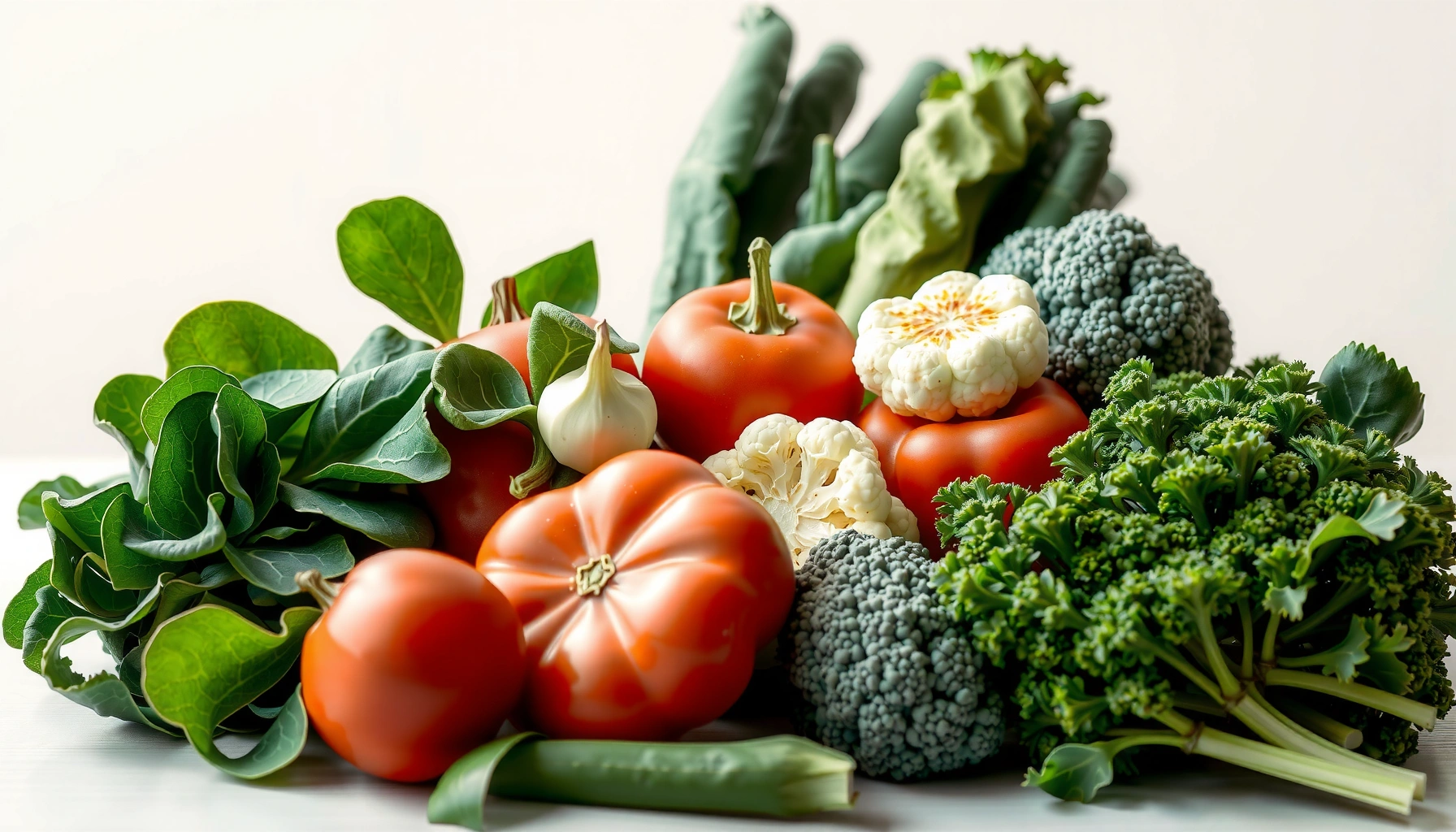

The best vegetables for diabetics are non-starchy options with a low glycemic index, specifically leafy greens like spinach and kale, as well as cruciferous vegetables like broccoli and cauliflower. These nutrient-dense foods are packed with fiber, which helps slow sugar absorption and prevents dangerous spikes in blood glucose levels. Incorporating a variety of these low-carb vegetables into your meals is the most effective strategy for managing diabetes through diet. When you are navigating life with diabetes, the produce aisle can feel a bit like a maze. You know you need to eat “healthy,” but with carbohydrates hiding in surprising places, finding the right balance is key. By focusing on vegetables that provide high volume and nutrients without the carb load, you can feel full and satisfied while keeping your A1C in a healthy range.




Leafy Green Vegetables

When it comes to diabetic nutrition, leafy green vegetables are essentially the “superfoods” of the glucose management world. If you are looking to fill your plate without worrying about counting every single gram of carbohydrate, this is where you should start. We are talking about powerhouses like spinach, kale, cabbage, Swiss chard, and collard greens. These vegetables are incredibly low in digestible carbohydrates, meaning they have very little impact on your blood sugar levels. In fact, the carb count is so low in leafy greens that many nutritionists consider them “free foods,” allowing you to eat them in generous portions.
Beyond just being low-carb, leafy greens are vital for reducing the internal stress that diabetes places on the body. Diabetes is often linked to chronic inflammation and oxidative stress, which can lead to complications like heart disease and nerve damage over time. Leafy greens are packed with Vitamin C and potent antioxidants like lutein and zeaxanthin. These nutrients work tirelessly to protect your eyes—a common concern for diabetics—and reduce systemic inflammation.
Incorporating these into your diet doesn’t have to be boring. You might try sautéing spinach with a little garlic and olive oil, massaging kale with lemon juice for a tender salad, or using cabbage leaves as a substitute for taco shells or burger buns. By swapping out bread for greens, you aren’t just cutting carbs; you are adding a massive dose of vitamins A, C, and K to your daily intake.
Cruciferous Vegetables
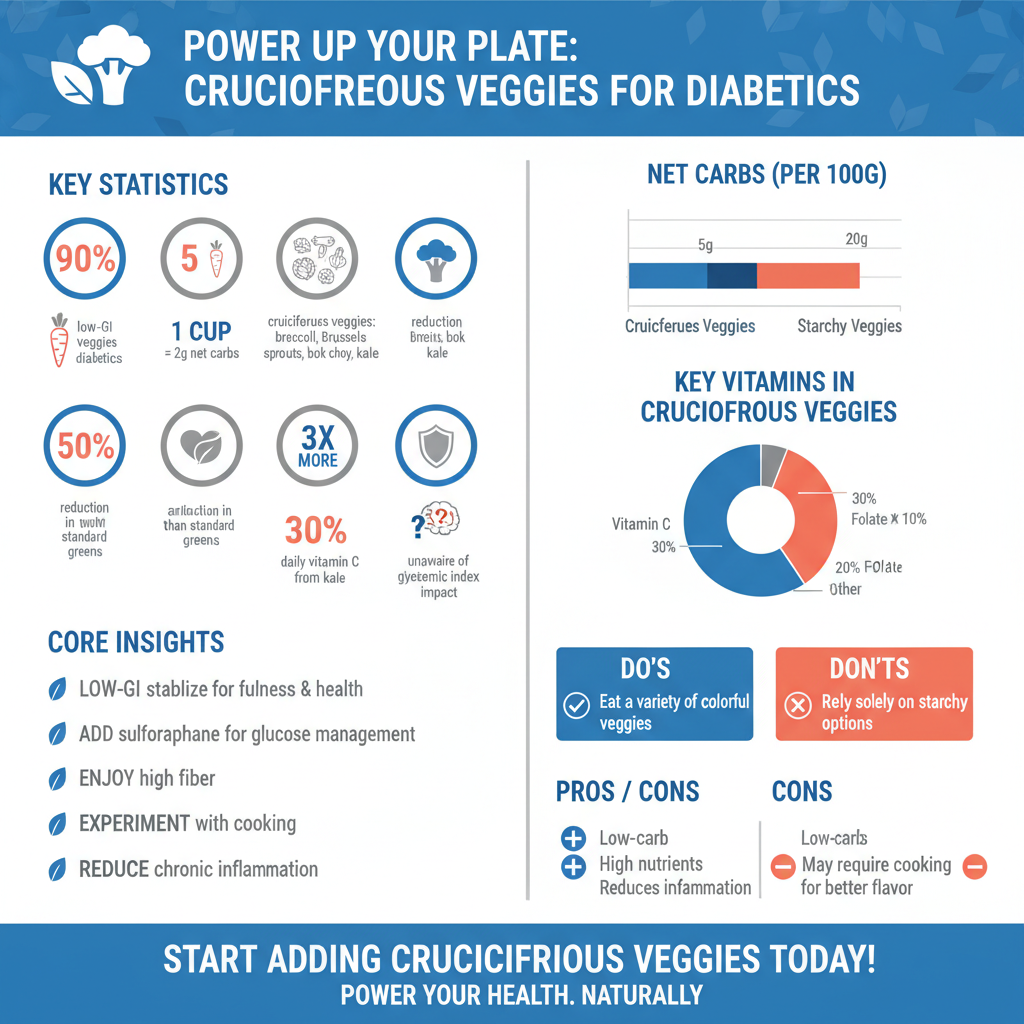
If leafy greens are the foundation of a diabetic-friendly diet, cruciferous vegetables are the heavy lifters. This family includes broccoli, cauliflower, Brussels sprouts, bok choy, and kale (which does double duty as a leafy green). These vegetables are famous for their unique texture and ability to fill you up, but they offer a specific chemical benefit that is fascinating for anyone managing blood sugar.
Cruciferous vegetables are rich in a plant compound called sulforaphane. Research has shown that sulforaphane plays a significant role in lowering blood sugar levels and improving insulin sensitivity. It works by triggering enzymes that protect blood vessels from tissue damage, which is a critical protective measure against the cardiovascular risks associated with diabetes. Furthermore, broccoli is a fantastic source of chromium, a trace mineral that aids in carbohydrate metabolism.
The versatility of cruciferous vegetables makes them an easy addition to your weekly meal prep. Cauliflower has recently become a superstar in the low-carb community because it can be transformed into “rice,” mashed like potatoes, or even made into pizza crusts. This allows you to enjoy the comfort foods you love without the massive glucose spike associated with white rice or wheat flour. Roasted Brussels sprouts with a sprinkle of nuts can provide a savory, crunchy side dish that feels indulgent but is perfectly safe for your blood sugar goals.
Other Low-Glycemic Favorites
While greens and cruciferous veggies get a lot of the glory, there is a wide world of other low-glycemic favorites that act as versatile, safe options for your menu. Vegetables like asparagus, green beans, zucchini, cucumbers, and mushrooms fall into this category. The Glycemic Index (GI) measures how quickly food raises blood sugar, and these vegetables rank very low. This means that, unlike bread or sugary fruits which cause a rapid “spike,” these veggies provide a slow, steady release of energy.
One of the best things about these vegetables is that they have a minimal impact on blood sugar levels regardless of portion size. For many diabetics, the mental math of weighing and measuring food can be exhausting. With foods like asparagus and green beans, you have more freedom. You can fill half your plate with grilled asparagus or a cucumber salad to ensure you feel satiated without threatening your glucose readings.
Zucchini, in particular, is a hydration hero and a culinary chameleon. Because of its high water content and mild flavor, it creates volume in a meal without adding calories. Spiralized zucchini, or “zoodles,” has become a staple for diabetics missing pasta. Unlike traditional pasta, which is practically pure starch, zoodles offer the experience of twirling noodles on your fork but with a fraction of the carbs and a bonus serving of potassium.
The Importance of Fiber
If there is one word every diabetic should be best friends with, it is “fiber.” Fiber is the indigestible part of plant foods, and it acts as a natural buffer during digestion to stabilize glucose. When you eat simple carbohydrates, your body breaks them down into sugar rapidly, rushing them into the bloodstream. However, when those carbohydrates are wrapped in fiber, the digestive process slows down significantly. This slow digestion results in a gradual rise in blood sugar rather than a sharp peak.
For optimal management, you should recommend aiming for vegetables that offer the highest fiber-to-carb ratio. This is often referred to as looking for “net carbs” (Total Carbohydrates minus Dietary Fiber). For example, artichokes and avocados (technically a fruit but treated as a veggie) are incredibly high in fiber.
There are two types of fiber: soluble and insoluble. Soluble fiber, found in the flesh of veggies like Brussels sprouts and zucchini, dissolves in water to form a gel-like substance in the gut, which physically traps sugar and slows its absorption. Insoluble fiber helps keep your digestive tract moving. A diet rich in high-fiber vegetables also promotes a healthy gut microbiome. Emerging research suggests that a healthy gut is directly linked to better insulin sensitivity, creating a positive cycle for your health.
Starchy Vegetables to Consume in Moderation
Not all vegetables are created equal when it comes to blood sugar management. While vegetables are generally healthy, starchy vegetables can be tricky for diabetics. These include potatoes (white and sweet), corn, sweet peas, butternut squash, and parsnips. These foods contain higher concentrations of carbohydrates compared to their leafy or cruciferous counterparts. When digested, the starch converts to glucose almost as efficiently as bread or rice does.
However, this doesn’t mean you have to banish them forever. The key is strict portion control. Treating a baked potato or a cup of corn as the “carb” portion of your meal—rather than a “veggie” side dish—is a helpful mindset shift. For instance, if you are having corn, you might skip the dinner roll.
When you do include starchy vegetables, pair them strategically. Never eat them “naked” or on their own. Always combine them with a healthy fat (like olive oil or avocado) and a protein source. This combination helps blunt the blood sugar response. Also, consider cooling your potatoes after cooking them; this process creates “resistant starch,” which functions more like fiber and has a lower impact on glucose levels than hot, freshly cooked potatoes.
Healthy Preparation Methods
Choosing the right vegetable is step one; cooking it correctly is step two. How you prepare your veggies can change their nutritional profile and their effect on your body. We suggest steaming, roasting, or eating raw to preserve nutrients without adding unhealthy fats. Steaming is excellent for retaining water-soluble vitamins, while roasting can bring out natural sweetness and depth of flavor without the need for sugar.
It is crucial to advise against using high-sodium canned vegetables or sugary sauces and glazes. A “healthy” vegetable stir-fry can quickly become a blood sugar disaster if it is drenched in a sugary teriyaki or sweet and sour sauce. Similarly, canned veggies often come packed in brine that is loaded with sodium, which can raise blood pressure—a condition that often overlaps with diabetes.
Instead of heavy sauces, season your veggies with fresh herbs, spices, lemon juice, or vinegar. Turmeric, ginger, garlic, and cinnamon are not only flavor enhancers but also have their own anti-inflammatory and blood-sugar-lowering properties. Roasting broccoli with garlic and a drizzle of olive oil, or grilling asparagus with lemon zest, creates a meal that feels gourmet and satisfying. Eating veggies raw with a healthy dip, like hummus or guacamole, is also a great way to maximize enzyme intake and crunch.
Focusing your diet on non-starchy, high-fiber vegetables is a powerful way to keep your blood sugar in check while enjoying delicious meals. By prioritizing leafy greens and cruciferous options and being mindful of preparation methods, you can take better control of your health. It isn’t about restriction; it is about finding the abundance in foods that love your body back. Start by adding one extra serving of green vegetables to your dinner plate tonight to see the difference it makes in your energy levels and glucose readings.
Frequently Asked Questions
Which non-starchy vegetables are best for stabilizing blood sugar?
Non-starchy vegetables with a low glycemic index (GI) are ideal for stabilizing blood sugar because they contain minimal carbohydrates and calories. Leafy greens like spinach and kale, cruciferous options like broccoli and cauliflower, and asparagus are excellent choices as they are packed with fiber, vitamins, and minerals without causing glucose spikes. Incorporating these nutrient-dense foods into every meal helps slow digestion and improves overall insulin sensitivity.
Are starchy vegetables like potatoes and corn safe for diabetics to eat?
Diabetics can still enjoy starchy vegetables like potatoes, corn, and peas, but portion control is essential because they contain more carbohydrates which can raise blood sugar levels. It is best to pair these veggies with lean proteins or healthy fats to lower the overall glycemic load of the meal and prevent rapid glucose absorption. Opting for complex carbohydrates like sweet potatoes instead of white potatoes also offers more fiber and nutrients.
How does the fiber content in vegetables help with diabetes management?
Dietary fiber, particularly soluble fiber found in vegetables like Brussels sprouts and carrots, plays a critical role in diabetes management by slowing down the absorption of sugar into the bloodstream. This process prevents sudden blood sugar spikes after meals and promotes a feeling of fullness, which aids in weight management. A high-fiber diet is consistently linked to better long-term glycemic control and heart health for people with Type 2 diabetes.
Does the cooking method affect the glycemic index of vegetables?
Yes, the way you prepare vegetables can alter their glycemic index; generally, raw or lightly steamed vegetables have a lower GI compared to those that are boiled, mashed, or overcooked. Overcooking breaks down the cellular structure of the plant, making the carbohydrates easier for the body to digest and convert into glucose. To maximize health benefits, aim for methods like roasting or sautéing that preserve texture and fiber content.
What are some versatile low-carb vegetable substitutes for high-carb foods?
Many diabetics successfully manage their carb intake by swapping high-carb staples for vegetable alternatives, such as using riced cauliflower instead of white rice or spiralized zucchini (zoodles) in place of pasta. Spaghetti squash and lettuce wraps are also popular low-carb substitutes that significantly reduce the carbohydrate load of a dish. These swaps allow you to enjoy your favorite comfort foods while keeping your blood glucose levels within a healthy target range.
References
- https://diabetes.org/food-nutrition/eating-well/non-starchy-vegetables
- Healthy Living with Diabetes – NIDDK
- Diabetes diet: Create your healthy-eating plan – Mayo Clinic
- Healthy Eating | Diabetes | CDC
- Vegetables and Fruits • The Nutrition Source
- https://www.diabetes.org.uk/guide-to-diabetes/enjoy-food/eating-with-diabetes/food-groups/fruit-and-veg
- https://health.clevelandclinic.org/what-are-the-best-foods-for-people-with-diabetes
- https://www.hopkinsmedicine.org/health/conditions-and-diseases/diabetes/diabetes-diet-create-your-healthy-eating-plan





Pingback: **Best Bagels for Diabetics: What to Look For** - Best For Diabetics
Pingback: Which Sweetener is Best for Diabetics? - Best For Diabetics
Pingback: Best Pasta for Diabetics: What to Choose - Best For Diabetics
Pingback: The Best Protein Powder for Diabetics - Best For Diabetics
Pingback: Top 5 Hospitals for Diabetes Care in Illinois - Best For Diabetics
Pingback: Foods Best for Diabetics: Your Essential Guide - Best For Diabetics
Pingback: **Best Low Carb Pasta for Diabetics: Top Picks & Guide** - Best For Diabetics
Pingback: Best Gummies for Diabetics: What to Look For - Best For Diabetics
Pingback: Best Fruit to Eat with Diabetes: Healthy Choices - Best For Diabetics
Pingback: Best Fish for Diabetics: Top Choices for Health - Best For Diabetics
Pingback: Best Dog Food for Diabetic Dogs: Expert Nutritional Guide - Best For Diabetics