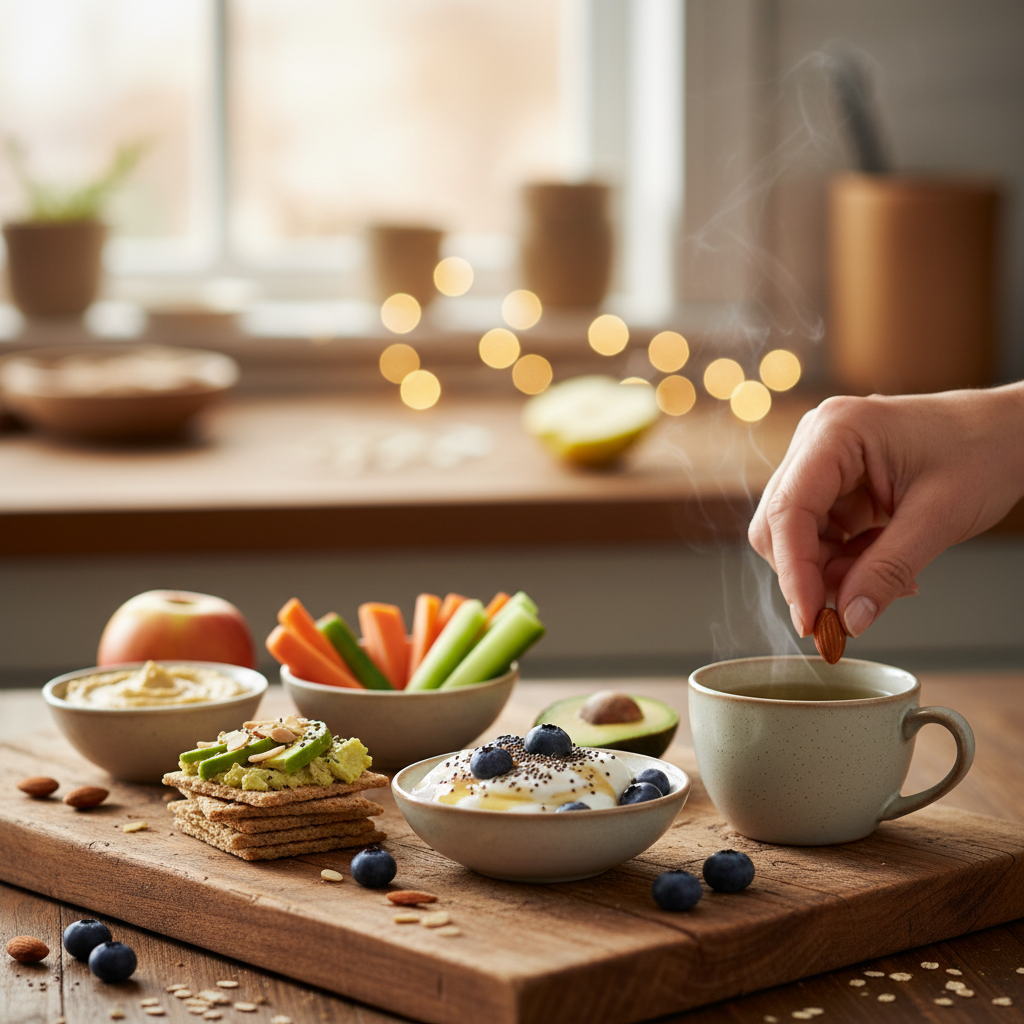

The best snacks for diabetics combine protein, healthy fats, and fiber to help keep blood sugar levels stable between meals. Top choices include hard-boiled eggs, a small handful of almonds, Greek yogurt with berries, or sliced veggies with hummus, as these options satisfy hunger without causing dangerous glucose spikes. This guide covers specific snack ideas that are both delicious and safe for managing diabetes. Navigating the grocery store aisles when you live with diabetes can sometimes feel like walking through a minefield, but snacking doesn’t have to be stressful. In fact, strategic snacking is a powerful tool in your arsenal; it bridges the gap between meals, prevents the “hangry” crash that leads to poor food choices, and keeps your metabolism humming. By shifting your focus from restriction to abundance—specifically an abundance of high-quality nutrients—you can turn snack time into an opportunity to nourish your body and stabilize your energy.




Understanding Diabetes-Friendly Snacking

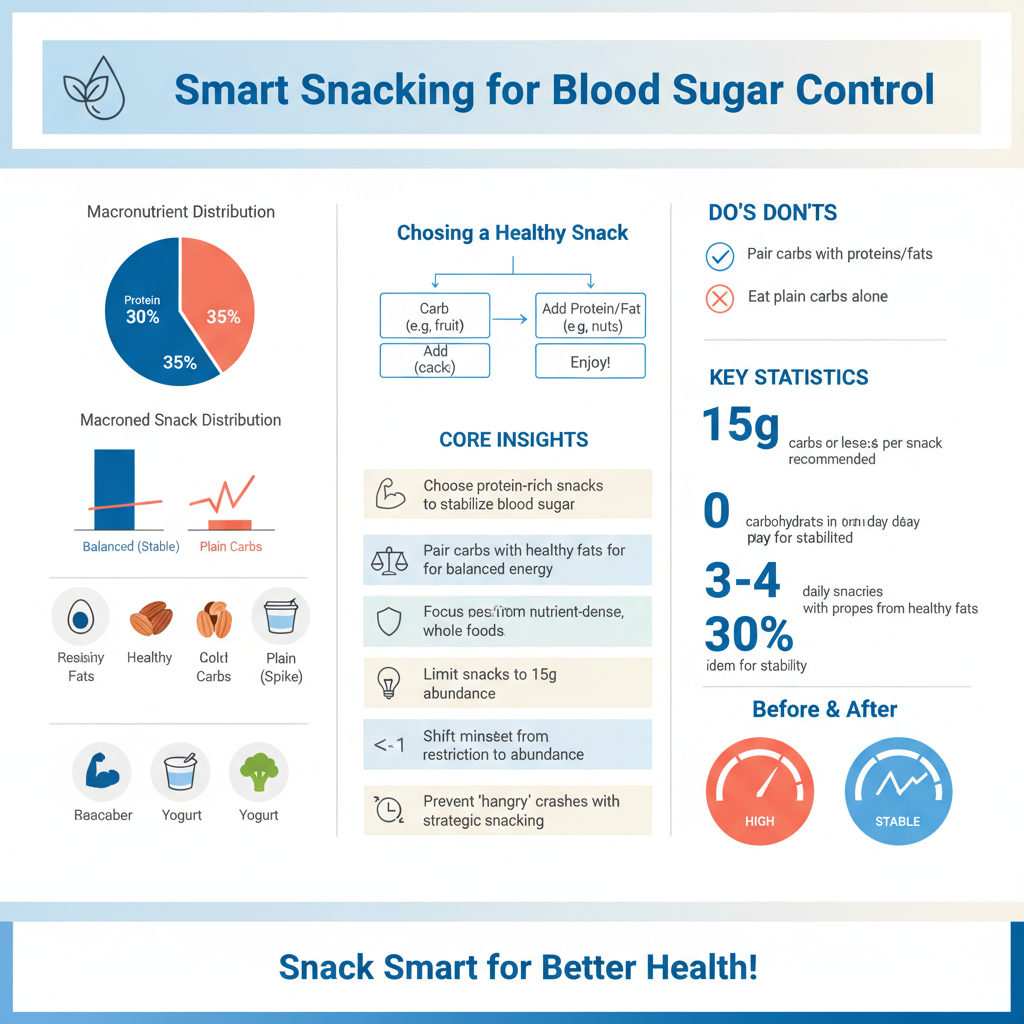
When it comes to managing diabetes, not all calories are created equal. The physiology of snacking involves more than just curbing an appetite; it is about managing the hormonal response to food. To master diabetes-friendly snacking, you need to focus on nutrient-dense foods high in protein and fiber to slow down digestion and glucose absorption. When you consume carbohydrates on their own—like eating a plain piece of toast or an apple—your body breaks them down into glucose relatively quickly, sending a surge of sugar into your bloodstream. However, when you pair those carbs with protein (like turkey or cheese) or healthy fats (like nuts or avocado), the digestion process slows significantly. This creates a gentle, manageable rise in blood sugar rather than a sharp spike.
Furthermore, quantitative guidelines can be incredibly helpful when planning your day. You should generally aim for snacks with roughly 15 grams of carbohydrates or less per serving to maintain glycemic control. This “15-gram rule” is a standard benchmark that allows for a little bit of energy without overloading your system’s insulin response. However, looking at the carb count is only half the battle; the quality of those carbs matters immensely. Complex carbohydrates found in whole grains and vegetables provide sustained energy, whereas simple sugars provide a flash in the pan followed by a crash. By prioritizing whole, unprocessed ingredients, you ensure that every bite contributes to your overall health, offering vitamins and minerals alongside that critical blood sugar stability.
Hard-Boiled Eggs and Low-Fat Cheese
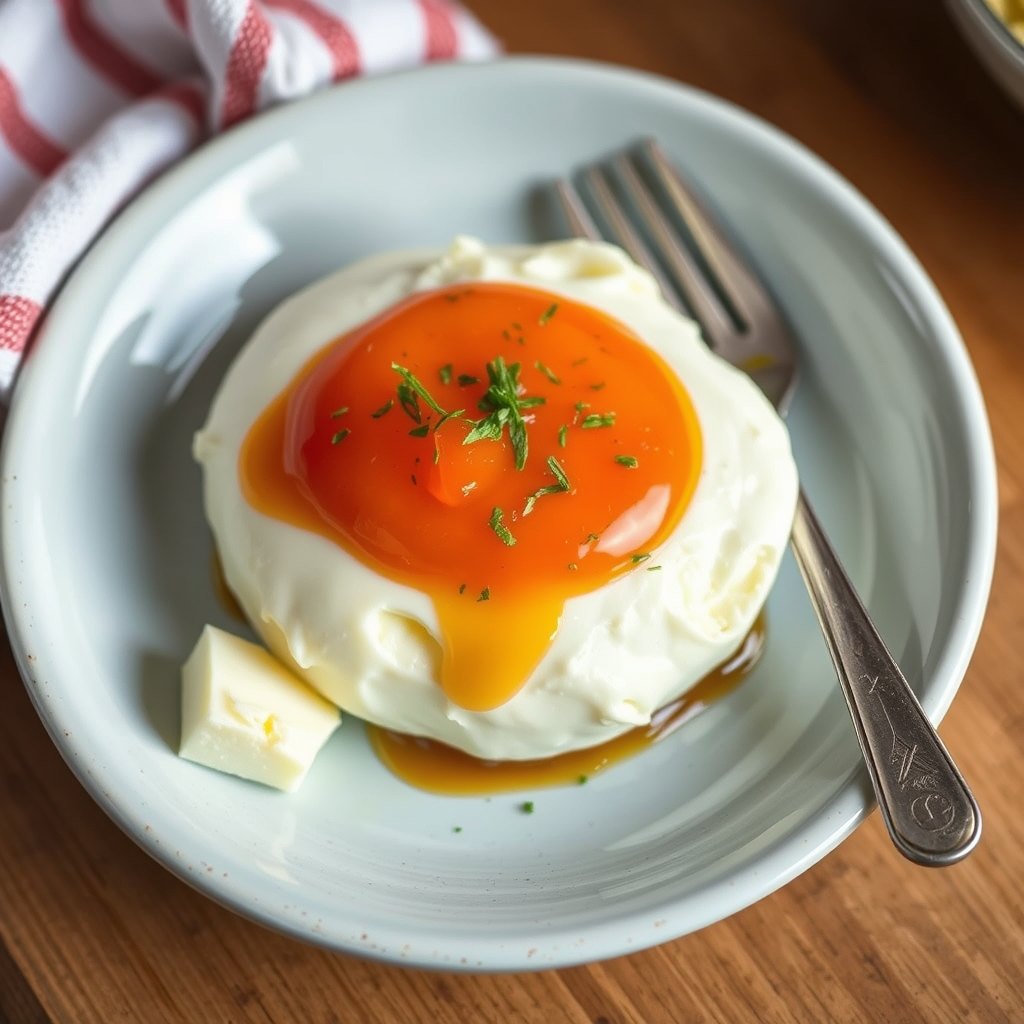
Sometimes the simplest foods are the most effective. Eggs are an excellent source of protein that prevents blood sugar from rising too high after eating. One large hard-boiled egg provides about 6 grams of high-quality protein and zero carbohydrates, making it one of the safest snacks for blood sugar management. Beyond the macros, eggs are incredibly satiating. Studies have shown that protein is the most filling macronutrient, meaning a simple egg can keep you feeling full for hours, reducing the temptation to graze on sugary treats later. They are also portable and can be batch-cooked at the beginning of the week for a grab-and-go option that fits into even the busiest lifestyle.
If eggs aren’t your favorite, or if you just want some variety, dairy is another fantastic avenue. String cheese or cottage cheese provides calcium and protein while keeping carb counts extremely low. A stick of mozzarella string cheese is perfectly portioned, taking the guesswork out of calorie counting. Cottage cheese, on the other hand, is a nutritional powerhouse; a half-cup serving is packed with protein and can be made savory with a sprinkle of everything bagel seasoning or sweet with a dash of cinnamon. The combination of fat and protein in dairy products helps blunt the blood sugar response, making them a “buffer” food. Just be mindful to choose low-fat or reduced-sodium varieties if heart health or calorie management is also a priority in your care plan.
Nuts, Seeds, and Avocados

If you are looking for a crunch that rivals potato chips but actually supports your health, look no further than the bulk nuts aisle. Almonds, walnuts, and chia seeds are rich in healthy fats and fiber, which improve insulin sensitivity. Walnuts, in particular, are high in alpha-linolenic acid (ALA), a type of plant-based omega-3 fatty acid known for boosting heart health—a critical consideration since diabetes increases the risk of cardiovascular issues. Chia seeds are unique because they expand in your stomach, forming a gel-like substance due to their high soluble fiber content. This slows down the emptying of the stomach and the release of sugar into the blood. A chia seed pudding made with unsweetened almond milk can feel like a dessert while acting like a blood-sugar shield.
Then there is the creamy, satisfying avocado. Avocados offer heart-healthy monounsaturated fats that help manage blood sugar, though portion control is important due to calorie density. Unlike most fruits that are high in sugar, avocados are low in carbs and high in fiber. Eating half an avocado sprinkled with a little sea salt and red pepper flakes can feel incredibly indulgent. The fat content helps signal satiety hormones to the brain, telling you that you are full and satisfied. However, because fat contains 9 calories per gram (compared to 4 for protein and carbs), it is easy to overconsume calories with nuts and avocados. A good rule of thumb is to stick to a small handful of nuts or one-quarter to one-half of an avocado per snack sitting to get all the benefits without unintentional weight gain.
Greek Yogurt with Berries
For those with a sweet tooth, the dairy aisle holds a secret weapon: Greek yogurt. Specifically, unsweetened Greek yogurt contains more protein and fewer carbohydrates than regular yogurt. During the straining process that makes Greek yogurt so thick and creamy, much of the liquid whey (which contains lactose, a natural milk sugar) is removed. The result is a product that has nearly double the protein of traditional yogurt. This high protein content is vital for blood sugar stabilization and muscle maintenance. Always double-check the label, however, as “fruit-on-the-bottom” or vanilla-flavored varieties can harbor as much added sugar as a candy bar.
To sweeten the deal naturally, turn to nature’s candy. Adding strawberries, blueberries, or raspberries provides antioxidants and fiber without a massive sugar spike. Berries have some of the lowest glycemic index scores of all fruits. They are packed with anthocyanins, the pigments that give them their red and blue hues, which have been linked to reduced inflammation and better insulin sensitivity. A cup of Greek yogurt with a half-cup of fresh blueberries creates a perfect synergy: the probiotics in the yogurt support gut health, the protein slows digestion, and the fiber from the berries ensures a steady release of energy. It’s a refreshing, cool snack that feels like a treat but works like a medicine.
Vegetables Paired with Hummus
We all know we should eat our veggies, but let’s be honest: plain celery can be boring. The key to making vegetables a craving rather than a chore is the dip. Raw vegetables like carrots, celery, and bell peppers offer crunch and essential vitamins with minimal calories. You can eat a large volume of these vegetables, which helps physically fill the stomach, triggering stretch receptors that signal fullness. Bell peppers are particularly good as they are loaded with Vitamin C, an antioxidant that helps boost the immune system and protect blood vessels.
To transform these veggies into a sustaining snack, you need a partner. Pairing veggies with hummus adds plant-based protein and fiber, making the snack more filling. Hummus is made from blended chickpeas, tahini (sesame seed paste), olive oil, and lemon. This combination provides a trifecta of complex carbs, healthy fats, and protein. While chickpeas are a carbohydrate, their high fiber content means they have a very low glycemic impact. The healthy fats from the olive oil and tahini further delay gastric emptying. If you aren’t a fan of hummus, guacamole or a yogurt-based ranch dip are excellent alternatives. The goal is to dress up the vegetables so you actually look forward to eating them, ensuring you get that vital fiber intake.
Canned Tuna or Salmon
Snacks don’t always have to be “snack foods”; sometimes a mini-meal is exactly what the body needs. Fatty fish is rich in omega-3 fatty acids, which are beneficial for heart health and reduce inflammation. Inflammation is a key driver of insulin resistance, so incorporating anti-inflammatory foods like salmon, sardines, or mackerel into your diet can have long-term benefits for diabetes management. Canned options are budget-friendly, shelf-stable, and incredibly convenient.
You can easily whip up a quick snack in under three minutes. Tuna salad (made with olive oil or light mayo) served on celery sticks or a few whole-grain crackers creates a balanced mini-meal. For a modern twist, try mixing canned salmon with mashed avocado instead of mayonnaise for a double dose of healthy fats. Scoop this mixture onto cucumber slices or stuff it into a small tomato. This snack is virtually carbohydrate-free (unless you add crackers), making it an excellent choice for evening snacking when you might be less active and don’t require a quick energy burst from carbs. It provides a heavy hit of protein that protects your muscles and keeps your blood sugar flat.
Snacks to Limit or Avoid
Knowing what to eat is empowering, but knowing what to avoid is equally protective. The modern food landscape is filled with “traps”—foods that market themselves as healthy but are detrimental to blood sugar control. You should steer clear of highly processed snack foods, sugary granola bars, and dried fruits with added sugar. Many granola bars are essentially cookies in disguise, held together by high-fructose corn syrup or honey. Similarly, while fruit is healthy, dried fruit is essentially concentrated sugar with the water removed; a small handful of raisins contains significantly more sugar by volume than a cup of grapes, making it very easy to accidentally spike your glucose.
Furthermore, reading the nutrition label for hidden villains is essential. Avoid foods high in trans fats and excessive sodium, which can complicate heart health for those with diabetes. Pre-packaged crackers, chips, and commercially baked goods often contain partially hydrogenated oils (trans fats) to extend shelf life, but these fats are notorious for clogging arteries and increasing insulin resistance. High sodium levels can raise blood pressure, putting extra strain on kidneys that may already be under stress from diabetes. When in doubt, the shorter the ingredient list, the better the snack usually is for your health.
Choosing the right snacks is a crucial part of managing your diabetes and keeping your energy levels steady throughout the day. It’s about moving away from deprivation and toward smart combinations that fuel your body efficiently. By prioritizing whole foods rich in protein and fiber, you can enjoy delicious treats that support your health goals rather than hinder them. Remember, every body responds differently to different foods; what works for one person might not work for another. Consult with your doctor or a registered dietitian to create a personalized meal plan that fits your specific lifestyle needs, ensuring you feel your best every single day.
Frequently Asked Questions
What are the best healthy snacks for diabetics to control blood sugar?
The best snacks for diabetics typically combine protein, healthy fats, and fiber to help slow digestion and prevent dangerous blood sugar spikes. Top recommendations include hard-boiled eggs, a handful of almonds or walnuts, and Greek yogurt with berries, as these provide sustained energy without a heavy carbohydrate load. Focusing on nutrient-dense whole foods ensures you satisfy hunger while maintaining optimal glycemic control.
Which fruits are considered safe and low-glycemic for diabetes snacking?
While fruit contains natural sugars, berries such as strawberries, blueberries, and blackberries are excellent choices because they rank low on the glycemic index and are packed with fiber. Tart apples and pears (eaten with the skin on) are also safe options, especially when paired with a fat or protein source like cheese or nut butter to further slow down sugar absorption.
What are the best late-night snacks for diabetics to prevent high morning blood sugar?
To prevent the “dawn phenomenon” or morning hyperglycemia, it is best to choose a small, high-protein, low-carb snack before bed. Good options include a cheese stick, a tablespoon of natural peanut butter, or a few slices of turkey breast, which help stabilize blood glucose levels throughout the night without causing a spike.
How can I satisfy cravings for crunchy snacks without spiking my insulin?
If you are craving something savory and crunchy, avoid high-carb potato chips and opt for air-popped popcorn, which is a whole grain that provides fiber. Other diabetes-friendly crunchy alternatives include raw vegetables like celery and cucumbers dipped in hummus, or roasted chickpeas, which offer a satisfying crunch along with plant-based protein.
How many grams of carbohydrates should a diabetes-friendly snack contain?
Generally, most dietitians recommend limiting snacks to between 15 and 20 grams of carbohydrates to ensure blood sugar levels remain stable between meals. However, it is crucial to look at the quality of those carbohydrates; prioritize complex carbs rich in fiber over simple processed sugars, as fiber helps mitigate the insulin response.
References
- https://health.clevelandclinic.org/50-best-snacks-for-people-with-diabetes
- https://www.hopkinsmedicine.org/health/conditions-and-diseases/diabetes/diabetes-snack-ideas
- Healthy food swaps: snacks | Diabetes UK
- Spine surgery – discharge: MedlinePlus Medical Encyclopedia
- Diabetes Teaching Center
- Diabetes diet: Create your healthy-eating plan – Mayo Clinic
- Healthy Eating | Diabetes | CDC
- https://diabetes.org/food-nutrition/reading-food-labels/snacking



Pingback: What Is the Best Medication for Diabetes: Understanding Your Options - Best For Diabetics
Pingback: Best TV Dinners for Diabetics: Top Choices & Tips - Best For Diabetics
Pingback: Best Foods for a Diabetic to Eat - Best For Diabetics
Pingback: The Best Sugar-Free Ice Cream Options for Diabetics - Best For Diabetics
Pingback: Best Rice for Diabetes: What to Choose - Best For Diabetics
Pingback: Best Peanuts for Diabetics: Healthy Choices Explained - Best For Diabetics
Pingback: Best Ice Creams for Diabetics: Delicious and Safe Choices - Best For Diabetics
Pingback: Best Diabetic Diet Plan: Your Essential Guide - Best For Diabetics