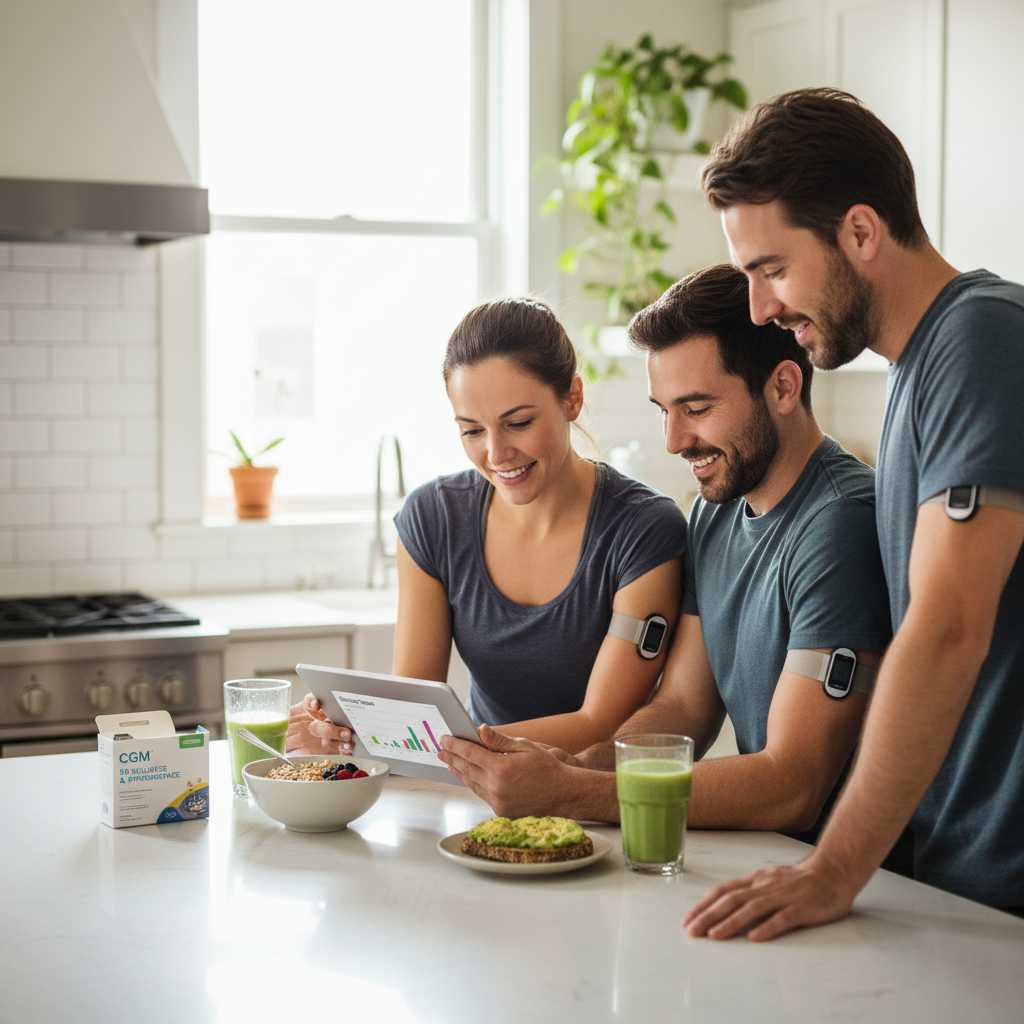

The best CGM for non-diabetics generally involves pairing a FreeStyle Libre or Dexcom sensor with a third-party metabolic health app to gain prescription access. Currently, Levels is the top choice for deep data analysis, Nutrisense is best for those wanting 1-on-1 dietitian support, and Signos is the premier option specifically for weight loss. These platforms handle the necessary prescriptions and provide user-friendly software to interpret your glucose data.



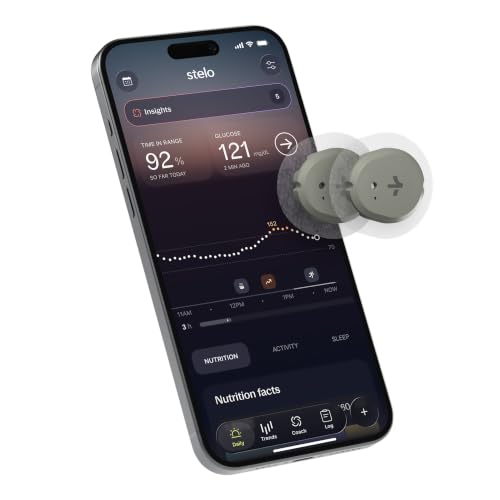
While continuous glucose monitors (CGMs) were originally designed as life-saving medical devices for people managing diabetes, they have recently exploded onto the wellness scene as the ultimate tool for biohacking and preventative health. If you have ever felt a sudden energy crash after lunch, struggled with stubborn weight, or just wanted to peek “under the hood” of your metabolism, these devices offer a window into your body that a standard blood test simply cannot match. By seeing how your blood sugar reacts to food, stress, and sleep in real-time, you move away from generic diet advice and into the era of personalized nutrition.
Why Non-Diabetics Should Track Glucose

You might be wondering, “If I don’t have diabetes, why would I want to wear a sensor on my arm?” The answer lies in the concept of metabolic flexibility. Even if your fasting blood glucose is within a normal range during your annual check-up, that single data point doesn’t tell you how your body handles the rollercoaster of daily life.
Understanding Energy and Mental Clarity
One of the most immediate benefits of using a CGM is connecting the dots between what you eat and how you feel. Have you ever experienced “brain fog” or a desperate need for a nap at 2:00 PM? Often, this is the result of a reactive hypoglycemic dip—a blood sugar crash following a massive spike. When you track your glucose, you can visually see the spike caused by that bagel or sugary latte, followed by the crash that ruins your productivity. By smoothing out these curves, users often report significantly better energy stability and improved sleep quality.
Identifying “Healthy” Triggers
We are all bio-individual. Standard nutritional advice tells us that oatmeal, bananas, and brown rice are “healthy.” However, for some people, a bowl of oatmeal can spike blood sugar just as high as a can of soda. A CGM reveals your personal trigger foods. You might discover that you can eat ice cream with no issue (perhaps due to the fat content slowing absorption), but a seemingly innocent quinoa salad sends your numbers soaring. This insight allows you to curate a diet that works for your biology, not just general guidelines.
Preventative Health and Performance
Beyond the daily benefits, tracking glucose is a powerful preventative measure. Insulin resistance is a silent issue that builds up over years before a doctor diagnoses pre-diabetes or Type 2 diabetes. By keeping your glucose variability low now, you are essentially training your metabolism to remain sensitive and efficient. for athletes, this data is equally valuable; knowing how to fuel before a workout without crashing mid-session can be the difference between a personal best and a lackluster performance.
Comparing the Hardware: Dexcom vs. FreeStyle Libre
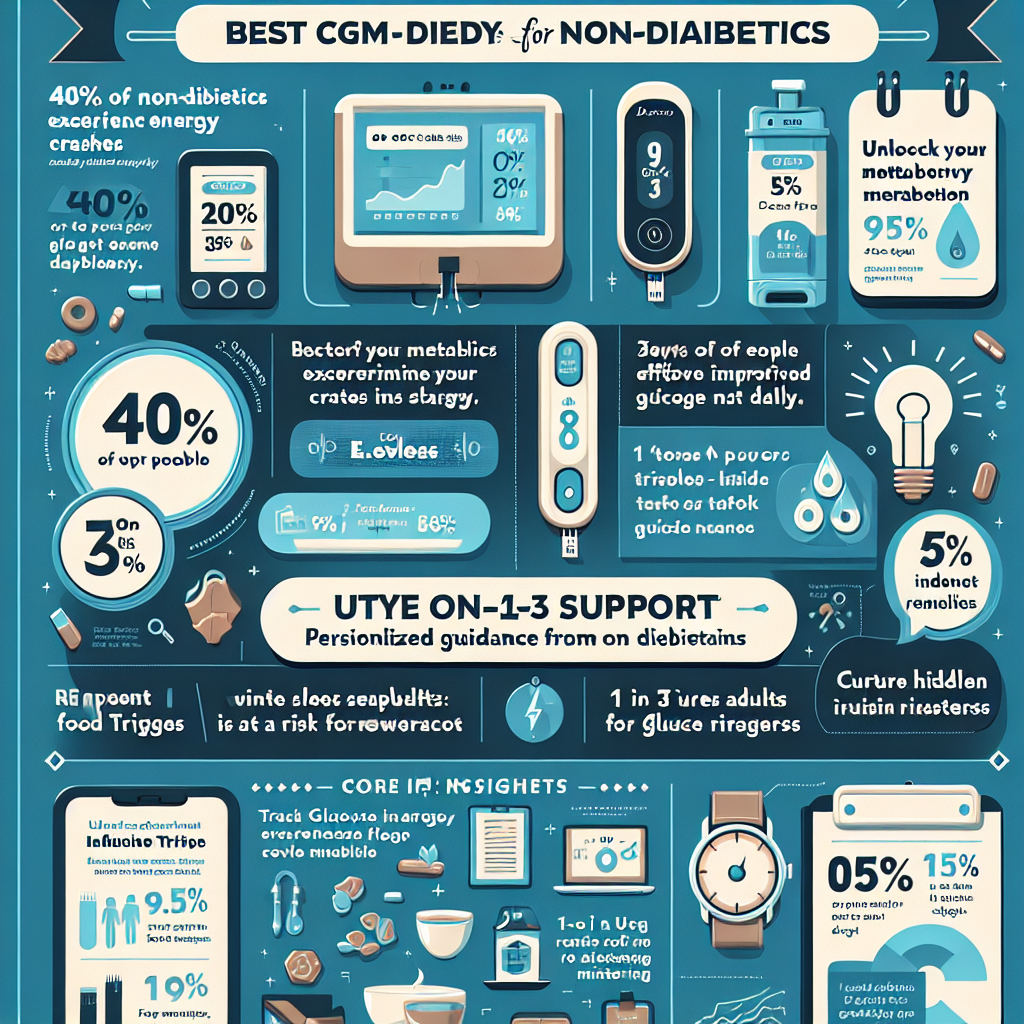

When you sign up for a metabolic program like Levels, Nutrisense, or Signos, you aren’t actually wearing a device made by them; you are wearing medical-grade hardware from major manufacturers, usually Abbott (FreeStyle Libre) or Dexcom. Understanding the difference between these two is helpful, though many programs allow you to choose.
FreeStyle Libre 3 vs. Dexcom G7
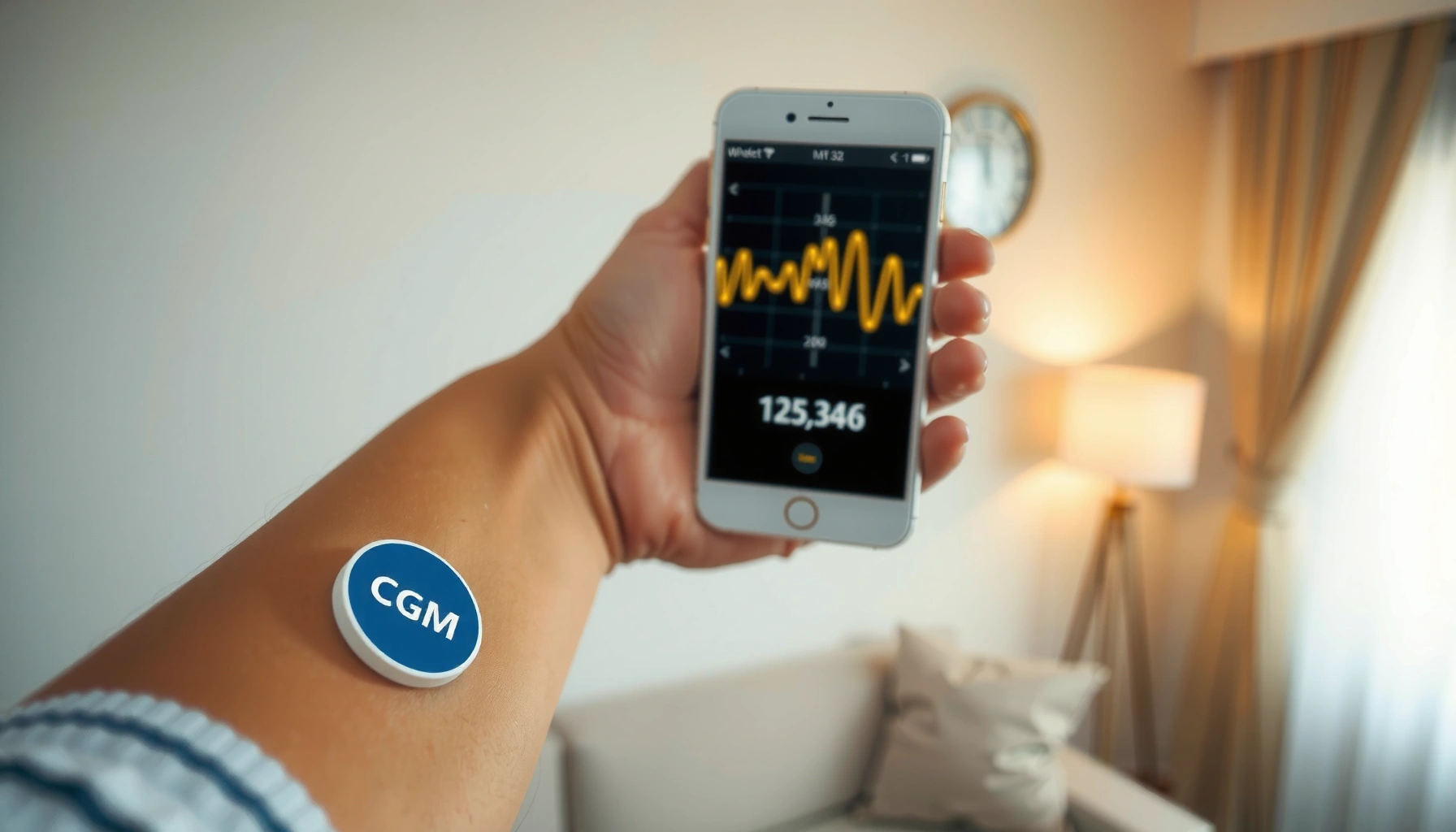
The FreeStyle Libre 3 is a favorite among the biohacking crowd primarily due to its size. It is incredibly small—about the size of two stacked pennies—and sits flush against the back of your arm. It lasts for 14 days and automatically sends readings to your phone every minute via Bluetooth.
On the other hand, the Dexcom G7 is the latest from Dexcom. While slightly larger than the Libre 3, it is still very discreet. It has a shorter wear time (10 days) but is renowned for its ultra-fast warm-up time (30 minutes vs. the Libre’s 60 minutes). Dexcom is often praised for its “real-time” feel and customizable alerts.
Accuracy and Calibration
For a non-diabetic, the absolute accuracy (whether your blood sugar is exactly 85 mg/dL or 88 mg/dL) matters less than the trend. You want to know the shape of the curve: how fast it goes up and how fast it comes down. Both sensors are incredibly accurate for this purpose. However, the Dexcom G7 allows for manual calibration (checking against a finger stick), which some data-nerds prefer, whereas the Libre 3 is factory calibrated and generally “set it and forget it.”
Program Flexibility
Most of the top metabolic health apps have integrated with both ecosystems. However, supply chain availability and specific partnership deals can influence which sensor is the default. For example, Signos has a very tight integration with Dexcom, while Nutrisense and Levels frequently utilize the FreeStyle Libre system but have been expanding their Dexcom support.
Levels: Best for Data and Metabolic Fitness

If you are a data junkie who loves quantifying your health, Levels is the gold standard. Founded with a heavy emphasis on metabolic education, the Levels app is beautifully designed to take raw glucose data and turn it into actionable scores.
The Zone Score System
Levels simplifies the complex graph of glucose readings by giving you a “Zone Score” (usually 1-10) for every meal. If you eat a meal and your glucose stays stable, you get a 9 or a 10. If you spike through the roof, you might get a 3. This gamification is incredibly effective. It challenges you to “beat your score” the next time you eat that meal, perhaps by adding protein, taking a walk afterward, or eating the fiber first.
Education and Community
Where Levels truly shines is its library of content. Their blog and in-app insights are world-class, often featuring deep dives from leading metabolic health experts like Dr. Casey Means. The app doesn’t just tell you that your sugar went up; it explains the metabolic physiology behind why it happened and the long-term implications of inflammation and insulin resistance.
Integration Features
Levels has excellent integration with Apple Health and Google Fit. This is crucial because it imports your sleep and exercise data. The app can then provide context: “You spiked after breakfast, but because you did a HIIT workout right before, this is actually a healthy, fuel-mobilizing spike, not a dietary error.” This context prevents you from fearing food or exercise unnecessarily.
Nutrisense: Best for Dietitian Support
While Levels focuses on data visualization, Nutrisense focuses on the human element. Data without context can be confusing, and sometimes scary. Nutrisense solves this by pairing every user with a professional nutritionist or dietitian.
The Human Touch
When you sign up for Nutrisense, the most valuable asset isn’t just the sensor; it’s the chat window in the app. For your first month (and longer if you subscribe to higher tiers), you have direct access to a dietitian who monitors your data alongside you. You can snap a photo of your lunch, and they will analyze your glucose response in real-time. They might say, “I see a spike here, but notice how it came down quickly? That’s a sign of good insulin sensitivity,” or “Try swapping the white rice for cauliflower rice tomorrow and let’s see the difference.”
Behavioral Psychology
Nutrisense places a heavy emphasis on sustainable habit formation. It’s not just about cutting carbs; it’s about understanding your relationship with food. The dietitians help you navigate social situations, stress eating, and meal timing. If you are someone who needs accountability and a real person to guide you through the confusion of nutrition science, Nutrisense is the clear winner.
Experiments and Challenges
The app also encourages “experiments.” It might prompt you to try eating the exact same meal at 8:00 AM and 8:00 PM to see how your circadian rhythm affects your glucose tolerance. These guided experiments help you learn about your body much faster than you would through trial and error alone.
Signos: Best for Weight Loss Focus
Signos positions itself differently than the others. While they care about metabolic health, their primary marketing and feature set are laser-focused on one goal: sustainable weight loss.
AI-Driven Weight Loss
Signos uses an AI engine to learn your metabolism over time. The core philosophy is that to lose weight, you need to keep your insulin levels low, as insulin is a fat-storage hormone. The app notifies you when your glucose is stable enough to eat (your “eating window”) and when you should wait because your levels are still elevated from the last meal. This micro-management of meal timing helps keep your body in a fat-burning state more often.
Spikes vs. Dips for Exercise
A unique feature of Signos is how it directs your movement. If the app detects a sharp spike after a meal, it will send you a notification suggesting a specific duration of exercise (e.g., “Walk for 15 minutes now to curb this spike”). It effectively uses your glucose data to prescribe movement exactly when your body needs it to metabolize excess energy.
Dexcom Integration
Signos generally pairs with Dexcom sensors. Because Dexcom streams data in real-time without requiring you to scan the sensor manually (unlike earlier versions of the Libre), the alerts for weight-loss opportunities are timely and seamless. If you are tired of yo-yo dieting and want a scientific approach to shedding pounds, Signos provides the most structured path.
Factors to Consider Before Buying
Before you dive in, there are a few logistical hurdles and decisions to navigate. These programs are an investment in your health, but they are not cheap.
Cost and Commitment
Because insurance rarely covers CGMs for non-diabetics, you are paying out of pocket. Prices generally range from $150 to $400 per month, depending on the length of your commitment. Levels and Nutrisense often have a model where you pay a membership fee for the software plus a monthly cost for the sensors. Signos usually bundles it into subscription tiers (3-month, 6-month, etc.). If you are on a budget, look for options that allow you to buy the sensors month-to-month so you can track for a month, take a break, and come back later.
Prescriptions and Telehealth
In the United States, CGMs require a prescription. You cannot simply walk into a pharmacy and buy one off the shelf. The beauty of these platforms—Levels, Nutrisense, and Signos—is that they handle this for you. They have partner physician networks that review a simple health questionnaire you fill out during sign-up. Once approved, the pharmacy ships the sensors directly to your door. The process is generally seamless, but it is a necessary legal step.
Matching the Interface to Your Goals
Finally, be honest about what you want.
* Biohacker/Optimizer: If you want raw data, deep analytics, and to integrate with your Oura ring or Apple Watch, choose Levels.
* Learner/Support seeker: If you want to change your relationship with food and want a professional to talk to, choose Nutrisense.
* Weight Loss: If your main goal is dropping sizes and you want alerts telling you exactly when to move, choose Signos.
Continuous glucose monitoring offers powerful insights into your unique metabolic health that generic diet advice cannot provide. Whether you prioritize deep data analysis with Levels, professional coaching with Nutrisense, or weight management with Signos, selecting the right program depends on your personal health objectives. Start by assessing whether you need accountability or data visualization, and choose the platform that best supports your lifestyle changes. By taking control of your blood sugar, you aren’t just changing your diet; you are taking a proactive step toward a longer, healthier, and more energetic life.
Frequently Asked Questions
Which continuous glucose monitor (CGM) programs are best for non-diabetics to track metabolic health?
The best CGM options for non-diabetics are typically membership-based platforms like Levels, Nutrisense, and Signos, which pair standard hardware (such as the Dexcom G7 or Abbott FreeStyle Libre 3) with advanced software analytics. These apps are superior for general wellness because they interpret raw glucose data into actionable lifestyle scores, helping you understand how specific meals, exercise, and sleep affect your unique metabolism. Unlike standard medical apps designed for diabetes management, these platforms focus specifically on optimizing performance, weight management, and longevity.
Can I get a CGM without a prescription if I don’t have diabetes?
Yes, access is becoming much easier through two main channels: wellness subscription services and new over-the-counter (OTC) devices. Companies like Levels and Nutrisense include a telehealth consultation in their onboarding process to secure a prescription for you quickly and legally. Furthermore, the FDA has recently cleared OTC sensors like the Dexcom Stelo and Abbott Lingo, allowing consumers to purchase these biosensors directly online or at pharmacies without needing a doctor’s approval.
How does using a CGM help with weight loss and fat burning?
Using a CGM aids weight loss by visualizing exactly which foods cause drastic glucose spikes and subsequent “crashes” that trigger hunger and cravings. By keeping your blood sugar stable, you help regulate insulin—the hormone responsible for fat storage—shifting your body into a state where it is more efficient at burning fat for fuel. This real-time feedback loop provides personalized accountability, showing you that “healthy” foods like oatmeal or fruit smoothies might actually be sabotaging your diet goals.
Will health insurance cover the cost of a CGM for preventative use?
Generally, standard health insurance plans do not cover continuous glucose monitors for non-diabetics or those without a specific medical necessity like hypoglycemia. Most biohackers and wellness enthusiasts must pay out-of-pocket for these devices, with costs ranging from $150 to $400 per month depending on the subscription model. However, many leading metabolic health companies accept HSA (Health Savings Account) and FSA (Flexible Spending Account) payments, which can significantly reduce the effective financial burden.
Why should a healthy person track their glucose levels?
Even if you are metabolically healthy, tracking glucose reveals how stress, sleep deprivation, and meal timing impact your energy levels and cognitive function throughout the day. It serves as a preventative tool to detect early signs of insulin resistance years before they would show up on a standard annual blood test (A1C). Ultimately, the data allows you to “biohack” your lifestyle, ensuring you have sustained energy for workouts and mental focus without the mid-afternoon slump.
References
- Is blood sugar monitoring without diabetes worthwhile? – Harvard Health
- https://www.nytimes.com/2022/06/07/well/eat/continuous-glucose-monitor-bloodsugar-diabetes.html
- https://www.ncbi.nlm.nih.gov/pmc/articles/PMC7296127/
- https://www.wired.com/story/blood-sugar-monitor-cgm-non-diabetic/
- https://health.clevelandclinic.org/cgm-for-weight-loss
- https://time.com/6269018/continuous-glucose-monitors-non-diabetics/
- https://www.houstonmethodist.org/blog/articles/2022/jan/should-non-diabetics-use-continuous-glucose-monitors/
- https://www.nature.com/articles/s41591-019-0447-7



Pingback: Best Fruits to Eat for Diabetics - Best For Diabetics