

The best alcoholic drinks for diabetics are typically hard liquors like vodka, gin, tequila, and whiskey mixed with soda water or diet sodas, as these combinations contain zero grams of carbohydrates. Dry wines, such as Sauvignon Blanc or Pinot Noir, and light beers are also excellent choices that usually contain fewer than 5 grams of carbs per serving. By avoiding sugary mixers and sweet wines, you can enjoy a drink without causing significant spikes or dangerous drops in your blood sugar levels. Navigating the world of happy hours, weddings, and dinner parties when you are living with diabetes can feel like walking through a minefield of hidden sugars. However, having a diagnosis doesn’t mean you have to miss out on the toast. With the right knowledge and a few smart swaps, you can confidently order a drink that fits your lifestyle. This guide is here to help you understand exactly what goes into your glass so you can sip socially while keeping your numbers in check.




Hard Liquors and Spirits
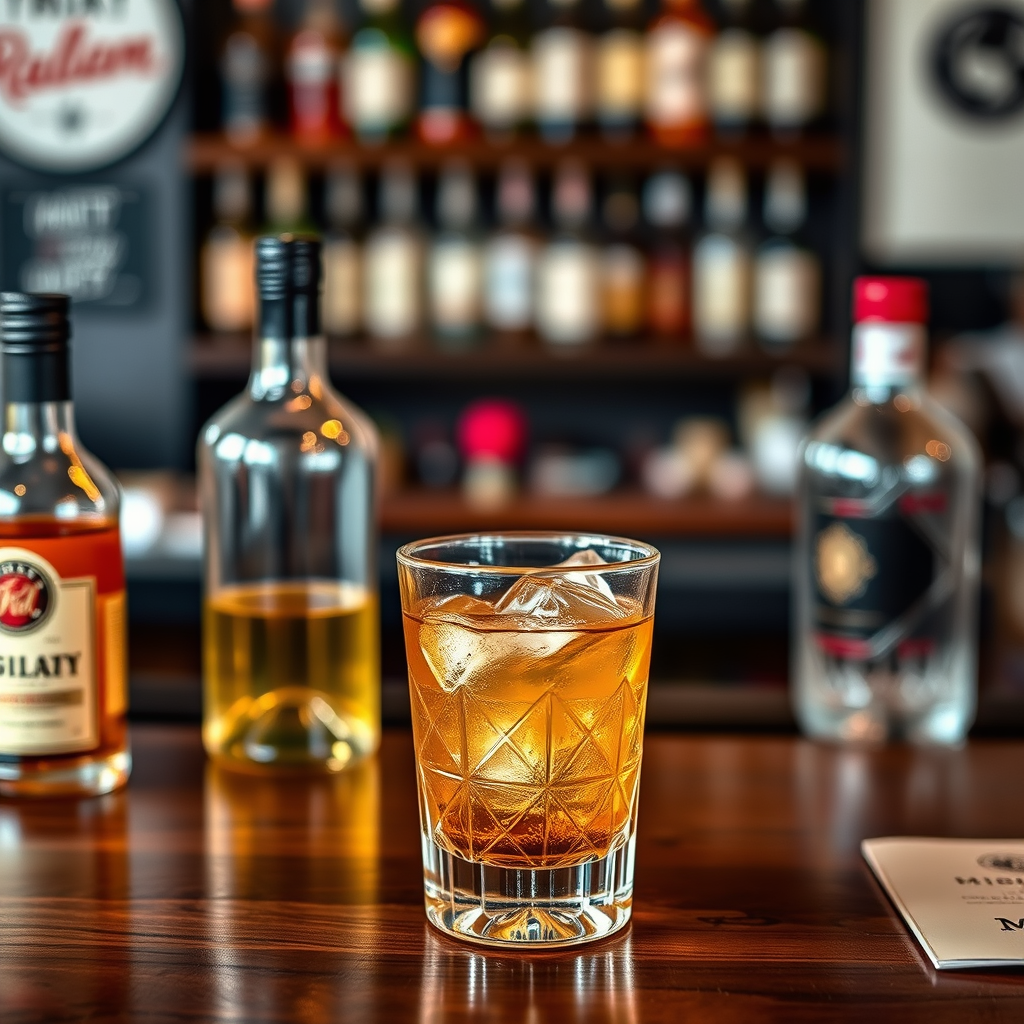
When it comes to keeping your carbohydrate intake as low as possible, hard liquors are generally your safest bet. If you stick to the unflavored, distilled varieties, you are essentially drinking a zero-carb beverage.
Opt for clear spirits like vodka, gin, silver tequila, and whiskey, which naturally have zero carbohydrates and zero sugar.
For many people managing diabetes, the “clear spirit” rule is a lifesaver. Distilled spirits like vodka, gin, rum, and tequila contain no residual sugar because the fermentation process converts all the sugars into alcohol. Whiskey, bourbon, and scotch fall into this category as well, despite their darker color (which comes from the barrel aging process, not sugar).
* Vodka & Gin: These are incredibly versatile. A high-quality vodka or a botanical gin offers a crisp base for a drink without impacting your blood sugar directly.
* Tequila: Stick to “Silver” or “Blanco” tequila made from 100% agave. It has a clean flavor profile that works perfectly with lime and soda.
* Whiskey & Scotch: Whether you prefer it neat, on the rocks, or with a splash of water, these are excellent sipping drinks that slow you down, allowing you to enjoy the flavor without the sugar rush.
Be careful with flavored liquors or lower-proof liqueurs, as these often have added sugars hidden in the ingredients.
This is where things can get tricky. While plain vodka is safe, “Vanilla Vodka,” “Sweet Tea Vodka,” or “Whipped Cream Vodka” are often loaded with added syrups after the distillation process. The same rule applies to rums; while plain white or dark rum is usually carb-free, spiced rums often contain added sugar to achieve that specific flavor profile. Furthermore, liqueurs like Amaretto, Kahlúa, Schnapps, or Irish Cream are essentially liquid candy. A single shot of a coffee liqueur can contain as much sugar as a donut. Always read the label or ask the bartender if the spirit is “infused” (which is usually safe/dry) or “flavored” (which usually means sweetened).
Dry Wines and Champagne


For many, nothing beats a glass of wine with dinner. The good news is that wine can be very diabetes-friendly, provided you know which varietals to choose. The term “dry” in wine speak simply means that the yeast has eaten up all the grape sugar during fermentation, leaving very little residual sugar behind.
Choose dry red wines like Pinot Noir, Cabernet Sauvignon, or Merlot, which typically have low residual sugar levels.
Red wines are a staple for a reason. Not only are they lower in carbs (usually around 3 to 4 grams per 5-ounce glass), but some studies suggest that moderate red wine consumption might offer cardiovascular benefits due to antioxidants like resveratrol.
* Pinot Noir: This is a light-bodied red that is widely considered one of the healthiest options for red wine drinkers.
* Cabernet Sauvignon & Merlot: These are fuller-bodied wines that are robust in flavor but low in sugar.
* Syrah/Shiraz: Another excellent dry option that pairs wonderfully with hearty meals without spiking glucose.
Select dry white wines like Sauvignon Blanc, Pinot Grigio, or Brut Champagne (sparkling wine) over sweet dessert wines like Riesling or Moscato.
If you prefer white wine, the key is to look for “crisp” rather than “sweet.”
* Sauvignon Blanc & Pinot Grigio: These are the gold standards for low-carb white wines. They are refreshing, widely available, and usually clock in at about 3 grams of carbs per glass.
* Chardonnay: Generally safe, though some oaky Chardonnays can lean slightly higher in carbs depending on the winemaker’s style.
* Champagne & Sparkling Wine: This is a fantastic option for celebrations. However, you must look for the words “Brut,” “Extra Brut,” or “Brut Nature” on the label. These terms indicate the driest classification of sparkling wine. Avoid “Demi-Sec” or “Dry” (confusingly, “Dry” in sparkling wine actually means sweet).
* Wines to Avoid: Stay far away from Late Harvest Rieslings, Moscato, Sauternes, Sherry, and Port. These are dessert wines packed with concentrated grape sugars.
Light Beers vs. Regular Beers
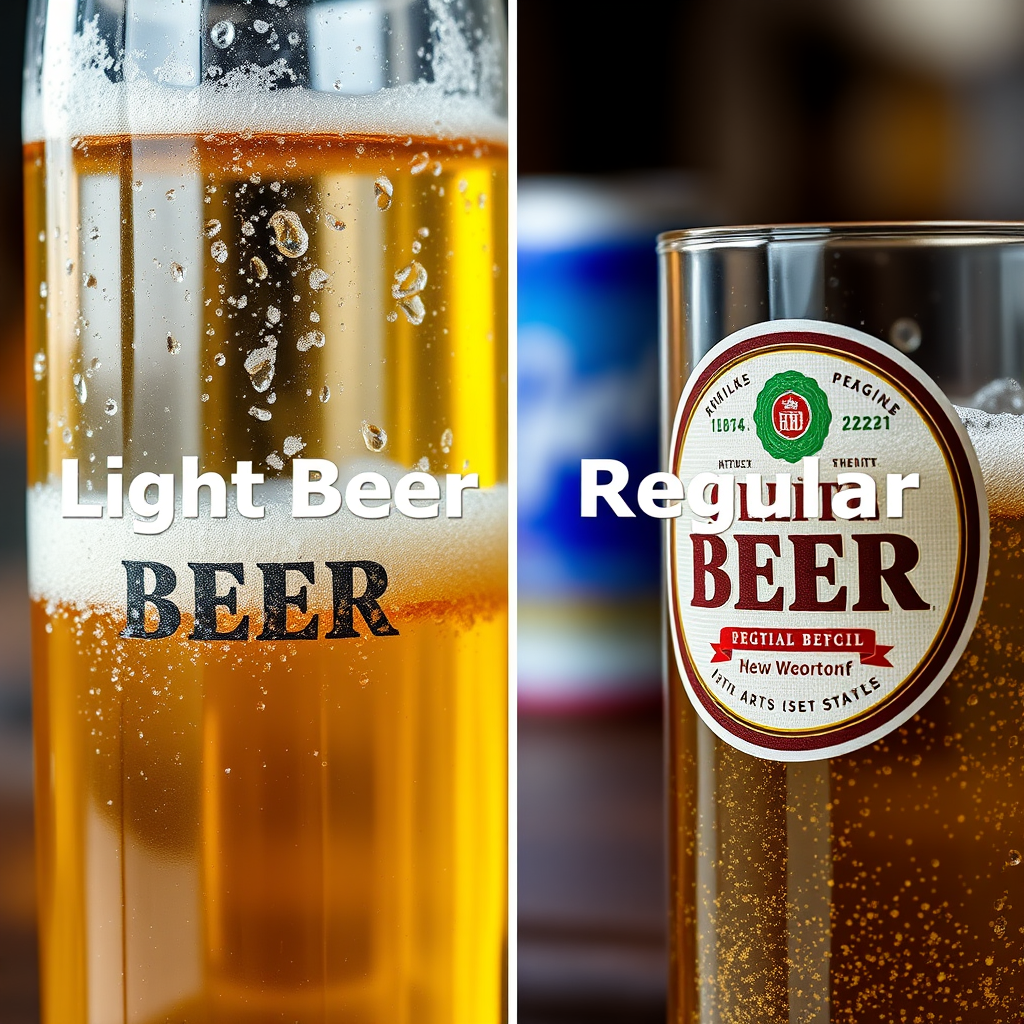
Beer is often called “liquid bread” for a reason—it is made from grains like barley and wheat, which means it is naturally higher in carbohydrates than wine or spirits. However, you don’t have to banish beer from your diet completely.
Stick to light beers that are specifically brewed to have lower calories and carbohydrate counts (usually 3 to 6 grams of carbs per can).
Major breweries have perfected the art of the light lager. Options like Miller Lite, Coors Light, Bud Light, and Michelob Ultra are staples for diabetics because they are predictable. Michelob Ultra, for example, has become a favorite in the diabetes community because it contains only 2.6 grams of carbs per bottle. There are also newer “low-carb” craft beers entering the market, marketed as “Social” or “Active” IPAs, which aim to keep the carb count under 5 grams while retaining some hop flavor.
Avoid heavy craft beers, stouts, and IPAs, which can be calorie-dense and contain twice as many carbohydrates as light varieties.
The craft beer revolution has been amazing for flavor, but difficult for blood sugar management.
* Stouts and Porters: These dark, heavy beers can contain 20 grams of carbs or more per pint.
* IPAs (India Pale Ales): IPAs typically have higher alcohol content and higher residual sugars from the malt used to balance the hops. A hazy, juicy IPA can easily pack 15 to 25 grams of carbs.
* Radlers and Shandies: These are beers mixed with lemonade or soda, making them extremely high in sugar.
If you truly love craft beer, treat it like a dessert: have a very small portion (like a 4oz flight taster) rather than a full pint, and bolster it with protein.
Safe Mixers and Cocktails to Avoid
Often, it isn’t the alcohol that causes high blood sugar readings—it’s what you mix with it. A shot of rum has zero carbs, but a Rum and Coke is a sugar bomb. Mastering your mixers is the secret to safe cocktails.
Use calorie-free mixers such as club soda, seltzer water, diet tonic, or diet sodas to keep the drink diabetes-friendly.
You can recreate almost any favorite drink by swapping the mixer.
* The “Skinny” Hack: Instead of ordering a Margarita (which uses triple sec and agave syrup), order a “Tequila Soda with extra lime.” You get the flavor profile without the sugar.
* Tonic Warning: Be very careful with tonic water. Regular tonic water contains just as much sugar as regular Coca-Cola or Sprite. Always specifically ask for Diet Tonic.
* Flavor Boosters: Use fresh garnishes to add flavor without carbs. Fresh mint, cucumber slices, lemon/lime wedges, dashes of bitters, or even a few muddled berries can elevate a drink instantly.
Stay away from sugary cocktail ingredients like simple syrup, fruit juices, regular soda, and pre-made margarita mixes.
Cocktail menus are often deceptive. A “healthy” sounding drink with fruit juice is usually dangerous for a diabetic.
* Juices: Orange juice, cranberry juice (unless it’s 100% unsweetened tart cranberry), and pineapple juice are concentrated sugars.
* Syrups: Simple syrup, agave nectar, grenadine, and honey are pure sugar.
* Pre-made Mixes: Sweet-and-sour mix, bloody mary mix (unless homemade), and margarita mixes are often high-fructose corn syrup traps.
Understanding Alcohol and Hypoglycemia
This is arguably the most critical section of this guide. While we often worry about high blood sugar (hyperglycemia) from sugary drinks, the more immediate danger with alcohol is actually low blood sugar (hypoglycemia).
Be aware that alcohol stops the liver from releasing glucose, which can lead to delayed hypoglycemia (low blood sugar), sometimes hours after drinking.
Normally, your liver acts as a backup generator, releasing stored glucose into your bloodstream when your levels drop (like overnight). However, the liver views alcohol as a toxin. When you drink, your liver drops everything else to process the alcohol. This means it stops releasing glucose. If your blood sugar drops while your liver is “busy,” you can crash quickly. This risk can persist for up to 24 hours after you stop drinking, leading to dangerous “delayed hypoglycemia,” often happening while you are asleep.
Understand the importance of not drinking on an empty stomach to help buffer the absorption of alcohol.
Never drink alone—and by that, we mean never drink without food! Having food in your system slows down the rate at which alcohol is absorbed into the bloodstream. Focus on a meal or snack that includes protein and healthy fats, such as cheese, nuts, or a meat-based appetizer. This creates a buffer and helps stabilize your levels while your body processes the alcohol.
Tips for Drinking Safely with Diabetes
Preparation is key. By setting a few ground rules for yourself, you can relax and have a good time without anxiety.
Monitor your blood sugar levels before, during, and especially before bed after consuming alcohol to prevent overnight lows.
Data is your best friend. Check your glucose before your first sip to ensure you aren’t starting too low. Check again mid-event. Most importantly, check before you go to sleep. If you are trending low or even in the lower end of your normal range (e.g., below 100 mg/dL), have a small carbohydrate snack before bed to keep you safe through the night. If you use a Continuous Glucose Monitor (CGM), keep a close eye on your trend arrows.
Wear a medical ID bracelet so those around you know you have diabetes in case of a hypoglycemic emergency.
The symptoms of hypoglycemia (slurred speech, confusion, dizziness, unsteadiness) mimic the symptoms of being drunk. In a loud bar or party, people might assume you have just had too much to drink and let you “sleep it off,” which can be fatal if you are actually having a hypoglycemic episode. Wearing a visible medical ID ensures that if you need help, paramedics or friends know to check your blood sugar immediately.
Managing diabetes doesn’t mean you have to give up social drinking entirely, but it does require making smart, low-carb choices like spirits with soda water or dry wines. Always remember that alcohol can interfere with your medication and blood sugar regulation, so moderation and frequent monitoring are essential for safety. Consult with your healthcare provider to ensure these options fit your specific health plan, and always drink responsibly.
Frequently Asked Questions
What are the best low-carb alcoholic drinks for people with diabetes?
The best options for diabetics are distilled spirits like vodka, gin, whiskey, rum, and tequila, as they contain zero grams of carbohydrates and sugar on their own. Dry wines, such as Sauvignon Blanc or Pinot Noir, and light beers are also excellent choices that minimize the risk of blood sugar spikes. To maintain a diabetic-friendly profile, it is crucial to avoid sugary syrups and sweet mixers, opting instead for soda water or fresh citrus juice.
Which types of beer are safe for a diabetic diet?
Light beers are generally the safest option for diabetics because they typically contain fewer than 5 grams of carbohydrates per serving, compared to the 15+ grams found in standard lagers or stouts. Many brands now offer specific low-carb or ultra-light beers that allow you to enjoy a drink without significantly impacting your glucose levels. However, diabetics should generally avoid heavy craft beers, ales, and shandies, as these are calorie-dense and high in residual sugars.
Is red wine or white wine better for managing blood sugar levels?
Both red and white wines can be diabetes-friendly provided they are “dry” varieties, meaning most of the natural sugar has been fermented out. Red wine is often cited as a top choice due to its antioxidant properties and potential benefits for heart health, but dry whites like Pinot Grigio and Chardonnay are equally low in carbohydrates. The most important rule is to avoid sweet dessert wines like Riesling, Moscato, or Sherry, which contain high sugar loads that will spike blood glucose.
What are the best sugar-free mixers for making diabetes-friendly cocktails?
To keep cocktails safe for diabetics, stick to zero-carb mixers such as club soda, seltzer water, diet tonic, or diet sodas rather than fruit juices or simple syrup. Fresh ingredients like squeezed lemon or lime juice, muddled berries, and herbs like mint or basil add significant flavor without the dangerous sugar content. Be particularly careful with standard tonic water, as it contains as much sugar as regular soda; always verify you are being served diet tonic.
How does alcohol affect blood sugar and why is there a risk of hypoglycemia?
Alcohol can cause a dangerous drop in blood sugar, known as hypoglycemia, because the liver prioritizes metabolizing the alcohol over releasing stored glucose into the bloodstream. This drop can happen up to 24 hours after drinking, posing a significant risk for those on insulin or certain diabetes medications. To drink safely, you should never consume alcohol on an empty stomach and should monitor your blood sugar levels before, during, and after drinking.
References
- https://diabetes.org/health-wellness/food-and-nutrition/alcohol
- Eggs: Are they good or bad for my cholesterol? – Mayo Clinic
- https://www.hopkinsmedicine.org/health/conditions-and-diseases/diabetes/mixing-alcohol-with-diabetes
- https://www.diabetes.org.uk/guide-to-diabetes/enjoy-food/eating-with-diabetes/alcohol-and-diabetes
- https://my.clevelandclinic.org/health/articles/12070-alcohol–diabetes
- https://www.nhs.uk/conditions/diabetes/living-with-diabetes/alcohol/
- Avocado and diabetes: Benefits, daily limits, and how to use



Pingback: Best Cocktails for Diabetics: Smart Choices for Enjoyment - Best For Diabetics