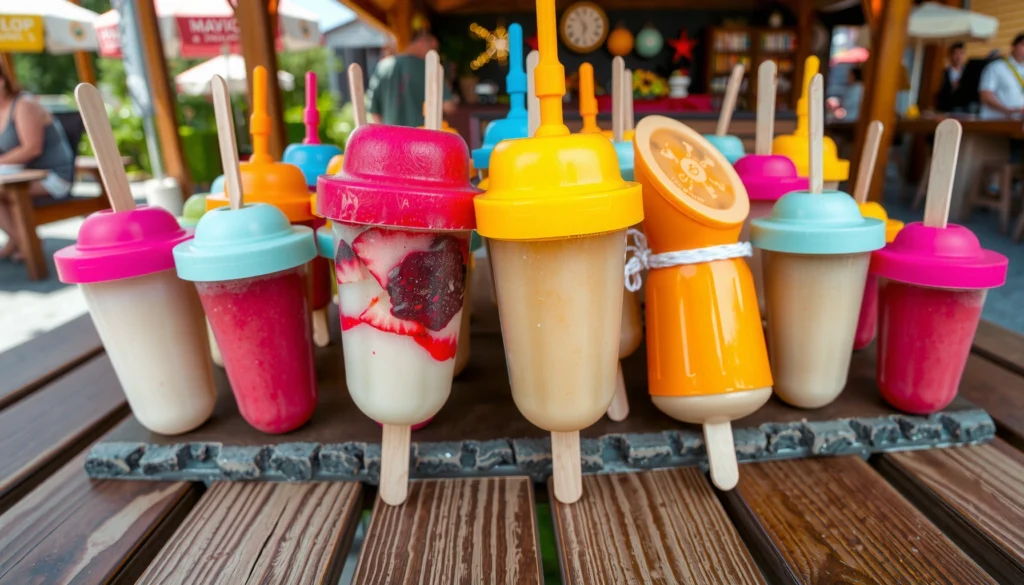

For diabetics seeking a refreshing treat, the best popsicles are typically those labeled “sugar-free,” “no sugar added,” or homemade varieties crafted with natural sweeteners and low-carb fruits. The key is to carefully check nutrition labels for minimal added sugars and controlled carbohydrate counts, ensuring a delicious and safe way to cool down without impacting blood sugar levels significantly. Managing diabetes involves making informed dietary choices that support stable blood glucose levels, and while treats often seem off-limits, with the right approach, even a simple popsicle can be enjoyed responsibly as part of a balanced diet.




The Essentials: What Makes a Popsicle Diabetic-Friendly?
Understanding the core components of a diabetic-friendly popsicle is paramount for making smart choices, whether you’re scanning grocery store aisles or whipping up a batch at home. It’s not just about avoiding sugar, but about a holistic assessment of the product’s nutritional profile.
* Low or No Added Sugar: The most critical factor for a diabetic-friendly popsicle is its sugar content, specifically added sugars. Ingredients like high-fructose corn syrup, cane sugar, sucrose, dextrose, and corn syrup are rapidly absorbed by the body, leading to quick and significant spikes in blood glucose. Instead, prioritize options sweetened with natural, non-caloric alternatives that provide sweetness without the metabolic burden. Stevia, derived from the *Stevia rebaudiana* plant, is a popular choice, offering intense sweetness with zero calories and no impact on blood sugar. Erythritol, a sugar alcohol, is another excellent option; it’s nearly calorie-free, well-tolerated by most digestive systems, and largely passes through the body unabsorbed, thus having minimal effect on blood glucose. Monk fruit extract, sourced from the Siraitia grosvenorii fruit, is also a highly concentrated, zero-calorie sweetener that does not elevate blood sugar. Always scrutinize the ingredient list to ensure these preferred sweeteners are present and that problematic added sugars are absent.
* Minimal Carbohydrate Count: Beyond just sugar, the total carbohydrate count per serving is a vital metric for diabetics. Carbohydrates, regardless of their source, are converted into glucose in the body, directly influencing blood sugar levels. A diabetic-friendly popsicle should aim for a low total carbohydrate count, typically under 5-10 grams per serving, though individual carbohydrate budgets vary based on meal plans and activity levels. It’s important to remember that even “sugar-free” items can contain carbohydrates from other ingredients, such as fruit purees, thickeners, or sugar alcohols. While dietary fiber can be subtracted from total carbohydrates to determine “net carbs” for some foods, its impact is less significant in liquid or semi-liquid forms like popsicles, making the total carbohydrate count a more reliable indicator for quick assessment. Regular monitoring of blood glucose after consuming new products can help individuals understand their unique responses to different carbohydrate levels.
* Clear Ingredient List: A transparent and concise ingredient list is a hallmark of a high-quality, diabetic-friendly popsicle. Look for products that feature recognizable, natural ingredients over long lists of obscure chemicals. Excessive artificial colors (like Red 40, Yellow 5, Blue 1), artificial flavors, and unknown additives can be a red flag, not only for general health concerns but also because they often indicate a highly processed item that might contain hidden sugars or less-than-ideal ingredients. A simpler list typically means fewer potential inflammatory agents and a more wholesome product. Prioritizing popsicles made with real fruit (in moderation), water, and natural sweeteners ensures you are consuming a treat that is as close to its natural state as possible, minimizing exposure to unnecessary compounds that offer no nutritional benefit and could potentially impact your health negatively.
Top Store-Bought Popsicle Options for Diabetics
The market for diabetic-friendly snacks has expanded significantly, offering a range of convenient and tasty popsicle options that cater to specific dietary needs. However, knowing which brands to trust and how to interpret their claims is key.
* Sugar-Free Brands: Several prominent brands have developed “sugar-free” or “no sugar added” versions of their classic frozen treats, making them accessible choices for individuals managing diabetes.
* Fudgsicle No Sugar Added: This option offers the nostalgic, creamy chocolate flavor of a traditional fudgsicle but with significantly reduced sugar and carbohydrate content. Sweetened with sugar alcohols like maltitol or sorbitol, and sometimes artificial sweeteners, it provides a satisfying dessert experience without the blood sugar spike associated with regular versions. While sugar alcohols contribute fewer calories and carbs, it’s wise to consume them in moderation due to potential digestive discomfort in larger quantities.
* Pop-Ice Sugar-Free / Fla-Vor-Ice Sugar-Free: These classic freezer pops are typically water-based and sweetened with artificial sweeteners such as aspartame or sucralose. They are an extremely low-calorie and low-carbohydrate option, primarily offering hydration and a burst of artificial fruit flavor. They are ideal for a simple, refreshing treat when minimal impact on blood glucose is desired.
* Outshine No Sugar Added Fruit Bars: These fruit bars are a popular choice for those seeking a more fruit-forward experience. While labeled “no sugar added,” it’s crucial to remember that they contain natural fruit sugars from their primary ingredients. However, the absence of *added* sugars makes them a much better alternative to full-sugar fruit bars. Outshine bars often use natural sweeteners like stevia or erythritol in conjunction with fruit purees. Their advantage lies in providing some vitamins and a more natural flavor profile than purely artificially sweetened options. Always check the carbohydrate count, as it will be higher than water-based freezer pops due to the fruit content, but still managed within a diabetic meal plan.
* Read Nutrition Labels Carefully: The importance of meticulously reading nutrition labels cannot be overstated, even when a product is explicitly marketed as “diabetic-friendly.” Product formulations can change, and marketing claims can sometimes be misleading. Always double-check the serving size first, as many seemingly innocent treats might contain multiple servings in a single container. Next, scrutinize the “Total Carbohydrates” and “Sugars” sections. Differentiate between naturally occurring sugars (from fruit or milk) and “Added Sugars,” which should be minimized. Pay close attention to the “Sugar Alcohols” content; while they have a lower glycemic impact than sugar, they still contribute to the total carbohydrate count and can, in large amounts, cause gastrointestinal distress. A thorough review ensures that the popsicle aligns with your individual carbohydrate goals and avoids any hidden ingredients that could negatively affect blood sugar control.
* Focus on Water/Fruit-Based: When selecting store-bought popsicles, generally gravitate towards water-based or fruit-forward options. Water-based popsicles are inherently lower in calories and fats, making them excellent choices for simple hydration and cooling without the added caloric density. Fruit-forward options, while containing natural fruit sugars, offer the benefit of vitamins and often some dietary fiber, which helps slow sugar absorption compared to fruit juice. Brands like Outshine, when chosen in their “no sugar added” varieties, represent a good balance. Conversely, creamy, full-sugar alternatives, such as traditional ice cream bars, full-fat fudgesicles, or popsicles with added syrups and high levels of saturated fat, should be avoided entirely. These products are typically loaded with refined sugars and unhealthy fats, making them unsuitable for managing diabetes effectively.
Craft Your Own: Homemade Diabetic-Friendly Popsicle Recipes
Creating your own popsicles at home offers unparalleled control over ingredients, allowing for complete customization to fit your dietary needs and taste preferences. It’s an empowering way to enjoy delicious frozen treats without compromising your health goals.
* Fruit-Puree Blends: Homemade fruit-puree popsicles are a fantastic way to enjoy the natural sweetness and nutritional benefits of fruits while controlling sugar levels. Opt for low-glycemic fruits that are rich in fiber and antioxidants, such as berries (strawberries, raspberries, blueberries), kiwi, or melon. Simply blend your chosen fruit with a liquid base like water for a lighter consistency, or unsweetened almond milk for a creamier texture. A touch of natural, zero-calorie sweetener like liquid stevia or monk fruit extract can be added to taste, enhancing the fruit’s inherent sweetness without adding extra carbohydrates. For example, a blend of 1 cup mixed berries, 1/2 cup unsweetened almond milk, and 1-2 drops of liquid stevia, pureed and frozen, makes a delightful and healthy treat. This method allows you to avoid artificial additives entirely and adjust the sweetness to your exact preference.
* Yogurt-Based Delights: For a more substantial and protein-rich popsicle, plain, unsweetened Greek yogurt serves as an excellent base. Greek yogurt is significantly higher in protein and lower in carbohydrates than regular yogurt, providing satiety and helping to stabilize blood sugar levels. Combine the yogurt with a handful of low-glycemic fruits, such as chopped strawberries, blueberries, or a few slices of peach. Sweeten with a diabetic-friendly sweetener like erythritol or monk fruit, and consider adding a dash of vanilla extract or a sprinkle of cinnamon for enhanced flavor. The protein in the Greek yogurt contributes to a satisfyingly creamy texture that feels indulgent while keeping carbohydrate counts in check. A simple recipe could involve mixing 1 cup of plain Greek yogurt with 1/4 cup of berries and a teaspoon of your preferred natural sweetener before freezing in molds.
* Infused Teas & Herbs: For a truly unique and virtually calorie-free frozen treat, consider popsicles made from infused teas and herbs. This innovative approach offers endless flavor possibilities without the concern of fruit sugars or added calories. Brew a strong batch of your favorite herbal tea – refreshing mint tea, tart hibiscus, calming chamomile, or spicy ginger tea are all excellent choices. Allow the tea to cool completely, then lightly sweeten with a few drops of liquid stevia or a pinch of erythritol if desired. Pour the sweetened tea into popsicle molds and freeze. For an extra touch of flavor and visual appeal, you can add a slice of lemon or lime, or a few fresh mint leaves to the molds before freezing. These tea-based popsicles are incredibly hydrating, provide subtle, sophisticated flavors, and are an ideal choice for a refreshing treat with absolutely minimal impact on blood glucose.
Key Ingredients to Seek and Avoid
Navigating the world of diabetic-friendly popsicles, whether store-bought or homemade, requires a keen understanding of which ingredients support your health goals and which ones actively undermine them.
* Look For: When making or buying popsicles, actively seek out ingredients that support blood sugar management. Natural sweeteners like stevia, monk fruit, and erythritol are preferred due to their zero-calorie and non-glycemic properties. Real fruits, particularly low-glycemic varieties such as berries, kiwi, and melons, are excellent when used in moderation for their vitamins, minerals, and fiber content. Water should always be the primary base for the lightest options. For creamier textures, unsweetened almond milk or unsweetened coconut milk provide a low-carb alternative to dairy. Plain Greek yogurt is another beneficial ingredient, offering a high-protein, low-carb base for satisfying creamy popsicles. You might also consider vegetable purees (e.g., spinach in a green smoothie pop for nutrients, or a touch of avocado for healthy fats and creaminess in a chocolate pop) as innovative additions to homemade versions.
* Avoid: Conversely, certain ingredients should be avoided due to their detrimental effects on blood sugar and overall health. High-fructose corn syrup, cane sugar, dextrose, sucrose, and corn syrup are all forms of added sugar that cause rapid and significant blood glucose spikes, offering empty calories with no nutritional benefit. Processed products containing artificial dyes such as Red 40, Yellow 5, and Blue 1, while not directly impacting blood sugar, are best avoided due to potential health concerns and as indicators of highly processed foods. Steer clear of excessive amounts of fruit juice without fiber, as fruit juice concentrates natural sugars, stripping away the beneficial fiber that helps slow glucose absorption. Always prioritize whole fruit over juice when possible. Additionally, be wary of maltodextrin and corn syrup solids, which are often hidden sources of carbohydrates and sugars in processed “sugar-free” items.
* Understand Sugar Alcohols: Sugar alcohols (such as xylitol, sorbitol, maltitol, isomalt, and lactitol) are a common ingredient in many “sugar-free” or “diet” products. While they contain fewer calories and carbohydrates than traditional sugars and typically have a lower glycemic index, it’s crucial to understand their nuances. They are not calorie-free or carb-free, and their partial absorption means they can still have *some* impact on blood glucose, though usually less pronounced than table sugar. Furthermore, consuming large quantities of sugar alcohols, particularly sorbitol and maltitol, can lead to digestive discomfort, including gas, bloating, and laxative effects, due to their osmotic action in the gut. Erythritol is generally considered the most well-tolerated sugar alcohol, with minimal impact on blood sugar and digestive systems for most people. Diabetics should monitor their individual response to products containing sugar alcohols and consume them in moderation.
Smart Snacking: Portion Control and Timing
Even with the best diabetic-friendly choices, how and when you consume your popsicles can significantly influence their impact on your blood sugar levels and overall diabetes management. Smart snacking is about more than just the ingredients; it’s about strategic consumption.
* Mindful Consumption: The concept of “diabetic-friendly” does not equate to “eat without limits.” Even low-carb, sugar-free popsicles contribute to your overall daily carbohydrate intake and caloric budget. Mindful consumption means understanding the serving size and fitting the popsicle into your personal carbohydrate allowance for the day, rather than treating it as a free pass. It’s about enjoying the treat deliberately, savoring its flavor and texture, and being aware of how it integrates into your balanced diet. This approach helps prevent overconsumption and ensures that even your treats support your long-term blood sugar control goals.
* Strategic Timing: The timing of your popsicle consumption can play a crucial role in minimizing blood sugar fluctuations. Enjoying a popsicle after a meal is generally recommended. When consumed alongside or following other foods, particularly those containing fiber, protein, and healthy fats, the absorption of any carbohydrates or sugars from the popsicle is slowed down. This helps to prevent a rapid spike in blood glucose compared to consuming it on an empty stomach. Alternatively, integrating popsicles as a planned snack within your existing meal schedule is beneficial. This allows you to account for its carbohydrate content and adjust other meals if necessary, contributing to more stable blood sugar levels throughout the day. Avoid impulsive consumption, especially when you haven’t eaten recently, to reduce the risk of unexpected glucose surges.
* Pair with Fiber or Protein: To further mitigate any potential blood sugar impact and enhance satiety, consider pairing your diabetic-friendly popsicle with a small serving of fiber or protein. The presence of fiber and protein slows down gastric emptying, which in turn slows the rate at which glucose enters the bloodstream. For instance, enjoying a sugar-free popsicle alongside a small handful of almonds, a few slices of cheese, or even a hard-boiled egg can create a more balanced snack. This strategy not only helps in stabilizing blood sugar levels by dampening the glycemic response but also promotes a feeling of fullness, potentially preventing the urge to overeat other less healthy foods later. This thoughtful pairing elevates a simple treat into a more blood-sugar-friendly and satisfying snack option.
Choosing the best popsicles for diabetics doesn’t mean sacrificing flavor or enjoyment. By prioritizing sugar-free or low-carb options, whether store-bought or meticulously crafted at home, you can indulge in a cool, refreshing treat safely within the parameters of your diabetes management plan. Always remember to check nutrition labels diligently, understand the impact of various ingredients, and practice mindful consumption. Consulting with your healthcare provider or a registered dietitian is invaluable for personalized dietary advice that aligns with your specific health needs. Experiment with different flavors and methods to discover your perfect guilt-free frozen delight, ensuring that treating yourself remains a safe and enjoyable part of your journey toward better health.
Frequently Asked Questions
What key ingredients should diabetics look for in popsicles to ensure they are blood-sugar friendly?
Diabetics should prioritize popsicles with no added sugar, focusing on natural fruit sweetness or alternative sweeteners that don’t spike blood glucose. Look for options made with real fruit (especially berries or citrus) and watch out for artificial colors and flavors. Ingredients like erythritol, stevia, or monk fruit are generally good choices, as they provide sweetness without significant carbohydrate impact, making them ideal for a diabetic diet.
Which sugar-free popsicle brands are recommended for diabetics looking for convenient store-bought options?
Several brands offer excellent sugar-free popsicle options suitable for diabetics looking for quick treats. Brands like Popsicle Sugar Free, Fla-Vor-Ice Lite, and Whole Fruit Sugar Free Swirls are popular choices, often sweetened with sucralose or aspartame, which have minimal impact on blood sugar levels. Additionally, newer brands focusing on natural sweeteners like Zevia Organic Sugar-Free Pops offer a great alternative for those avoiding artificial options; always check the nutrition label for carbohydrate and sugar alcohol content.
How can diabetics make their own healthy, blood-sugar-friendly popsicles at home?
Making homemade popsicles allows for complete control over ingredients, ensuring they are truly diabetic-friendly. Start with low-glycemic fruits like berries, kiwi, or avocado, blended with unsweetened almond milk, plain Greek yogurt, or water. You can naturally sweeten them with a touch of stevia, erythritol, or monk fruit, and even add a splash of sugar-free extract like vanilla or mint for extra flavor before freezing them in molds.
Why is choosing sugar-free popsicles crucial for diabetics, and how do they impact blood sugar levels?
Choosing sugar-free popsicles is crucial for diabetics because traditional popsicles are loaded with added sugars that can cause rapid and dangerous spikes in blood glucose levels. Sugar-free options, typically sweetened with non-nutritive sweeteners or sugar alcohols, contain significantly fewer net carbohydrates, which helps maintain stable blood sugar. While sugar alcohols can sometimes affect blood sugar in larger quantities, carefully chosen sugar-free popsicles are generally a safer and more enjoyable treat within a diabetic meal plan.
What specific ingredients or sweeteners should diabetics avoid when selecting popsicles to manage their condition?
Diabetics should strictly avoid popsicles containing high amounts of added sugars such as high-fructose corn syrup, sucrose, dextrose, and fruit juice concentrates, as these directly elevate blood sugar. Be wary of large servings of sugar alcohols like maltitol, which can still have a glycemic effect and cause digestive upset in some individuals. Always scrutinize the ingredient list and “Total Carbohydrates” on the nutrition label to make informed, safe choices for managing diabetes effectively.
References
- https://www.diabetes.org/food-nutrition/sugar-substitutes
- Artificial sweeteners and other sugar substitutes – Mayo Clinic
- https://health.clevelandclinic.org/can-people-with-diabetes-eat-fruit/
- Healthy Living with Diabetes – NIDDK
- https://www.health.harvard.edu/diseases-and-conditions/understanding-sugar-substitutes
- Sugar substitute
- https://www.diabetes.org/food-nutrition/what-can-i-eat/foods-to-avoid
- Diabetes diet: Create your healthy-eating plan – Mayo Clinic