

Yes, people with diabetes absolutely can enjoy ice cream, but it requires making smart, informed choices. The key lies in selecting options that are low in added sugars, mindful of carbohydrate content, and consumed in appropriate portions. This guide will walk you through how to identify the best ice cream varieties and enjoy this classic treat without compromising your blood sugar management.



Understanding Diabetic-Friendly Ice Cream
Navigating the world of frozen treats when managing diabetes requires a strategic understanding of ingredients and their impact on blood glucose. Diabetic-friendly ice cream isn’t just a marketing term; it refers to products specifically formulated to minimize adverse effects on blood sugar levels while still delivering a satisfying dessert experience.
– Low Sugar & Carb Focus: The primary goal in selecting diabetic-friendly ice cream is to minimize ingredients that rapidly spike blood glucose. This primarily means reducing high amounts of refined sugars, such as sucrose, high-fructose corn syrup, and dextrose, as well as simple carbohydrates that convert quickly into glucose. When these ingredients are consumed in excess, they can lead to significant post-meal hyperglycemia, making blood sugar management challenging. Instead, the focus shifts to alternatives that offer sweetness without the glycemic load, or to natural sources of carbohydrates that come with fiber, which helps slow absorption.
– Ingredient Spotlight: When scrutinizing labels, look for products that strategically employ ingredients known to have a minimal impact on blood sugar.
* Artificial Sweeteners: These include sucralose, aspartame, and saccharin, which provide sweetness without calories or carbohydrates. While effective, some individuals prefer to limit their intake or experience digestive sensitivities.
* Sugar Alcohols: Compounds like erythritol, xylitol, sorbitol, and maltitol offer a sweet taste with fewer calories and a lower glycemic index than regular sugar. Erythritol, in particular, is often well-tolerated as it’s largely unabsorbed. However, consuming large quantities of other sugar alcohols can lead to gastrointestinal discomfort, such as bloating or diarrhea, due to their laxative effect.
* Natural Fruit Purees (in moderation): While fruits contain natural sugars, purees from low-glycemic fruits like berries can add flavor and nutrients. Portion control is vital, as even natural fruit sugars can elevate blood glucose if consumed in excess.
* Plant-Based Milks: Unsweetened almond milk, coconut milk, or soy milk are excellent bases that naturally have lower sugar content and fewer carbohydrates compared to traditional dairy. They also offer a creamy texture without the lactose, which can be beneficial for those with sensitivities.
– Beyond “Sugar-Free”: It is a common misconception that “sugar-free” automatically equates to diabetic-friendly. While the absence of added sugars is a critical step, it doesn’t always mean carb-free. Many “sugar-free” products may still contain significant amounts of carbohydrates from other sources, such as starches, flours, or dairy lactose, which can raise blood glucose levels. Therefore, total carbohydrates still need to be considered carefully. Always check the “Total Carbohydrates” and “Net Carbs” (if applicable) on the nutrition label, rather than relying solely on the “Sugars” line, to get a complete picture of the product’s potential impact on your blood sugar. Understanding this distinction is paramount for effective blood sugar management.
Top Types of Diabetic-Friendly Ice Cream
The market for diabetic-friendly ice cream has expanded significantly, offering a variety of choices that cater to different preferences and dietary needs. Knowing the characteristics of each type can help you make an informed decision.
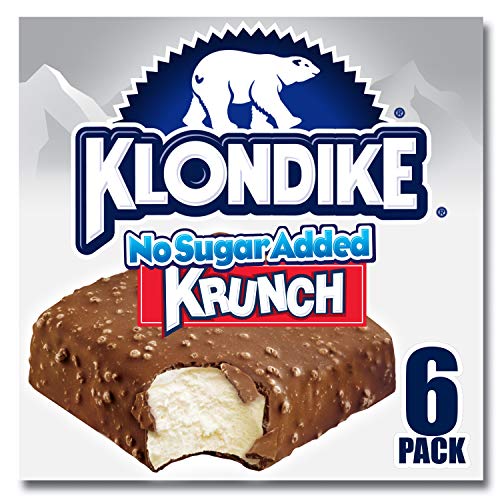
– No Sugar Added (NSA) Varieties: These ice creams are widely available from many popular brands, often found in the standard freezer aisle. NSA options typically replace traditional caloric sugars with alternative sweeteners such as sucralose, aspartame, or acesulfame potassium. While they contain no *added* sugars, they still derive some natural sugars from milk (lactose) and other ingredients, and often contain carbohydrates from thickeners or stabilizers. Therefore, it is imperative to always check the full nutrition panel, paying close attention to the “Total Carbohydrates” and “Sugars” content, as well as the ingredients list for sugar alcohols. Brands like Breyers, Edy’s/Dreyer’s, and Friendly’s often offer NSA selections, making them accessible choices for many.
– Low-Carb & Keto Ice Creams: These varieties are specifically formulated to be very low in net carbohydrates, aligning with ketogenic or low-carb dietary principles. They achieve this by using a combination of natural, zero-calorie sweeteners like erythritol, stevia, or monk fruit, and often incorporate healthy fats such as avocado oil or coconut oil to maintain a rich, creamy texture. These fats also contribute to satiety and help slow down the absorption of any remaining carbohydrates, leading to a more stable blood sugar response. Brands like Rebel Creamery, Enlightened Keto, and Halo Top Keto are popular examples in this category. When evaluating these, calculate “net carbs” by subtracting fiber and sugar alcohols (especially erythritol, which has minimal glycemic impact) from the total carbohydrates, as this figure provides a more accurate representation of digestible carbs.
– Homemade Alternatives: Creating your own diabetic-friendly ice cream offers the ultimate control over ingredients, allowing you to tailor the sweetness, flavor, and nutritional profile precisely to your needs. This approach eliminates hidden sugars and allows for the incorporation of beneficial ingredients.
* Unsweetened Greek Yogurt: A fantastic base, Greek yogurt provides protein and a creamy texture with minimal carbohydrates. It can be sweetened with stevia or monk fruit and flavored with extracts or a small amount of berries.
* Fruit Purees: Blending frozen bananas (for “nice cream”), berries, or other low-glycemic fruits can create a naturally sweet and refreshing dessert. Be mindful of banana portions, as they are higher in natural sugars.
* Avocado: When blended, avocado creates an incredibly rich and creamy texture, making it an excellent base for chocolate or matcha ice cream. Its healthy fats contribute to satiety and mitigate blood sugar spikes.
* Protein Powders: Adding a scoop of unsweetened or naturally sweetened protein powder can boost the protein content, further aiding blood sugar stability and making the treat more filling. This method is particularly versatile for making high-protein, low-carb desserts.
Key Nutritional Factors to Consider
Beyond simply checking for “sugar-free,” a detailed understanding of the nutritional label is crucial for individuals with diabetes. Focusing on specific macronutrients can significantly influence blood glucose management.
– Carbohydrate Count: This is arguably the most crucial factor for individuals with diabetes. Prioritize options with lower total and, more specifically, lower *net* carbohydrates per serving.
* Total Carbohydrates: This figure includes all types of carbohydrates – sugars, starches, and fiber. While a general indicator, it doesn’t tell the whole story.
* Net Carbohydrates: For products containing fiber and sugar alcohols, particularly erythritol, calculating net carbs can provide a more accurate picture of how a food will impact blood sugar. The general formula is: *Total Carbohydrates – Fiber – Sugar Alcohols (that are not fully absorbed, like erythritol)*. Always be aware that not all sugar alcohols are created equal; some, like maltitol, can still raise blood sugar significantly. Aim for ice creams with 5-10 grams of net carbs per serving or lower for optimal blood glucose management, especially if you plan to enjoy a larger portion or have other carbs in your meal.
– Sugar Content: Differentiating between naturally occurring sugars and added sugars is vital.
* Naturally Occurring Sugars: These are found in ingredients like milk (lactose) or fruit purees. While they still impact blood sugar, they are often accompanied by other nutrients like protein, fiber, or vitamins.
* Added Sugars: These are sugars that have been explicitly added during processing and are identified on the label under “Added Sugars.” These are the primary culprits for rapid blood glucose spikes and should be minimized as much as possible. Look for ice creams with 0-5 grams of added sugars per serving. High amounts of added sugars contribute empty calories and can make blood sugar control challenging. The American Heart Association recommends limiting added sugars to no more than 6 teaspoons (24 grams) per day for women and 9 teaspoons (36 grams) for men, a guideline even more critical for those managing diabetes.
– Fiber and Protein: These two macronutrients play a significant role in helping to slow down sugar absorption, leading to a more gradual rise in blood glucose and promoting satiety.
* Fiber: Soluble fiber, found in ingredients like chicory root fiber or psyllium husk, forms a gel in the digestive tract, which slows gastric emptying and carbohydrate digestion. This results in a slower, more sustained release of glucose into the bloodstream, preventing sharp peaks and valleys in blood sugar. Look for ice creams with at least 3-5 grams of fiber per serving.
* Protein: Protein also contributes to satiety and has a minimal direct impact on blood glucose. When consumed alongside carbohydrates, protein can help temper the glycemic response by promoting the release of incretin hormones, which stimulate insulin secretion and slow gastric emptying. Opt for ice creams that contain at least 5-10 grams of protein per serving, particularly those made with Greek yogurt or added protein powders.
Reading Ice Cream Labels Like a Pro
Becoming adept at dissecting nutrition labels is a powerful tool for managing diabetes effectively, especially when choosing treats like ice cream. A quick glance often isn’t enough; a thorough examination can reveal crucial details.
– Serving Size Awareness: This is perhaps the most fundamental and often overlooked aspect of label reading. All nutritional values listed on a product label – calories, carbs, sugars, fats, etc. – are based on the *single serving size* indicated. Ice cream containers often list serving sizes that are smaller than what many people typically consume (e.g., 1/2 cup). If you eat double the serving size, you are also consuming double the carbohydrates, sugars, and calories. Always check the listed serving size and adjust your consumption accordingly, as nutritional values are based on this specific portion. Using measuring cups can be invaluable to ensure you’re adhering to the intended serving.
– Identifying Hidden Sugars: Food manufacturers can be quite creative with sugar terminology, often using various names to make the sugar content seem less prominent. Be vigilant for any of the following terms, particularly when they appear high up on the ingredient list (which indicates a higher concentration):
Corn syrup, high-fructose corn syrup
Dextrose, maltose, sucrose, lactose, fructose (often from fruit concentrate)
Maltodextrin (a common thickener that can raise blood sugar significantly)
Evaporated cane juice, cane sugar, raw sugar, brown sugar
Agave nectar, maple syrup, honey, molasses
Fruit juice concentrate, fruit nectar
The presence of multiple forms of sugar, even if individually low on the list, can collectively add up to a significant sugar load. The lower sugar appears on the ingredient list, the less of it the product contains.
– Sugar Alcohol Impact: Sugar alcohols (like erythritol, xylitol, sorbitol, mannitol, maltitol, lactitol, isomalt) are commonly used in diabetic-friendly products because they are generally lower in calories and have a lower glycemic index than regular sugar. However, it’s essential to understand their nuances:
* Glycemic Impact: While lower, their impact isn’t zero for all sugar alcohols. Erythritol has almost no glycemic impact and is usually well-tolerated. Xylitol and sorbitol have a modest impact. Maltitol, often found in “sugar-free” candies and desserts, can have a more significant impact on blood sugar and should be treated with more caution, often counting about half of its carbohydrate content towards net carbs.
* Digestive Upset: In larger quantities, many sugar alcohols can cause digestive discomfort, including bloating, gas, and a laxative effect, as they are not fully absorbed in the small intestine. Start with small portions to assess your individual tolerance. The “sugar alcohol” line on the nutrition label can help you account for these when calculating net carbs, but remember that individual responses vary greatly.
Homemade Diabetic-Friendly Ice Cream
Crafting your own ice cream provides unparalleled control over its nutritional profile, allowing you to enjoy a delicious treat perfectly aligned with your diabetes management plan. It eliminates the guesswork of commercial labels and empowers you to create custom flavors.
– Ingredient Swaps: The foundation of homemade diabetic-friendly ice cream lies in smart substitutions for traditional high-sugar and high-carb components.
* Sweeteners: Replace traditional granulated sugar with natural, zero-calorie sweeteners such as stevia, monk fruit, or erythritol. These can be used in liquid or granular form, depending on your recipe and preference. For a subtle sweetness without any sugar, a touch of vanilla extract, almond extract, or cinnamon can often suffice.
* Dairy/Liquid Bases: Swap out full-fat dairy milk or cream for unsweetened dairy alternatives or plant-based milks. Unsweetened almond milk, coconut milk (light or full-fat depending on desired richness), soy milk, or even cashew milk are excellent choices. Unsweetened Greek yogurt is a fantastic base for a tangier, protein-rich frozen yogurt.
* Healthy Fats & Thickening: Incorporate healthy fats like ripe avocado for an incredibly creamy texture, especially in chocolate or lime-flavored ice creams. A small amount of nut butter (almond or peanut) can also add richness and healthy fats. For thickening without added carbs, consider a tiny pinch of xanthan gum or guar gum, which can improve texture and prevent ice crystals.
– Flavor Enhancers: Achieve rich and satisfying flavors without relying on added sugars or artificial ingredients.
* Unsweetened Cocoa Powder: For chocolate lovers, high-quality unsweetened cocoa powder delivers deep flavor without any sugar. Pair it with a natural sweetener and a dash of salt to enhance its complexity.
* Vanilla Extract & Other Extracts: Pure vanilla extract is a must-have for virtually any dessert. Almond extract, peppermint extract, or coffee extract can also add wonderful dimensions to your creations.
* Spices: Cinnamon, nutmeg, and cardamom can provide warmth and natural sweetness-enhancing qualities.
* Fresh Berries (in moderation): Berries like raspberries, strawberries, and blueberries are lower in sugar compared to other fruits. A small handful of pureed or chopped berries can add vibrant color and natural flavor. Remember to account for their natural sugar content.
* Nuts and Seeds: Toasted almonds, walnuts, pecans, or chia seeds can add texture, healthy fats, protein, and fiber, enhancing satiety and making the dessert more satisfying.
– Simple Recipes: There’s a wealth of easy-to-make recipes that don’t require an ice cream maker:
* “Nice Cream” (Banana-Based): Blend frozen banana slices (use sparingly if highly sensitive to fruit sugars, or combine with lower-sugar fruits) with unsweetened cocoa powder, a splash of unsweetened almond milk, and a zero-calorie sweetener until smooth and creamy.
* Avocado Chocolate Mousse/Ice Cream: Blend ripe avocados with unsweetened cocoa powder, a natural sweetener, vanilla extract, and a little unsweetened plant-based milk until luxuriously smooth. Freeze for a firmer ice cream texture or enjoy as a mousse.
* Frozen Yogurt with Greek Yogurt and Stevia: Mix plain, unsweetened Greek yogurt with stevia or monk fruit, a dash of vanilla, and a small amount of pureed berries. Freeze until firm, stirring every 30 minutes to prevent ice crystal formation.
These homemade options offer endless possibilities for customization and provide a safe, delicious way to enjoy a frozen treat.
Enjoying Ice Cream Mindfully & Safely
Even with the plethora of diabetic-friendly ice cream options available, mindful consumption is the cornerstone of integrating these treats into a diabetes management plan without negative consequences. It’s not just about what you eat, but how much and when.
– Portion Control is Paramount: This cannot be overstressed. Even ice creams labeled “no sugar added” or “keto-friendly” can impact blood sugar if consumed in excess. The nutritional values, especially carbohydrate counts, are always based on a specific serving size (e.g., 1/2 cup). Consuming multiple servings will multiply the carbohydrates and calories, potentially leading to blood sugar spikes.
* Use Measuring Tools: Always use a measuring cup to ensure you stick to the recommended serving.
* Smaller Bowls: Serve your portion in a smaller bowl to make it psychologically feel like more.
* Be Aware of Cravings: Recognize emotional eating triggers and practice delaying gratification.
Training yourself to stick to a single, measured serving is key to enjoying ice cream without derailing your health goals.
– Pairing for Stability: The timing and context of your ice cream consumption can significantly influence its effect on your blood sugar.
* After a Meal: Consider having your ice cream *after* a well-balanced meal that includes protein, healthy fats, and fiber. The presence of these macronutrients in your stomach helps to slow down gastric emptying and the absorption of sugars from the ice cream. Protein and fiber, in particular, can create a buffer, leading to a more gradual and less pronounced rise in blood glucose compared to eating ice cream on an empty stomach.
* Avoid Isolated Snacking: Refrain from consuming ice cream as a standalone snack, especially if it contains any significant amount of carbohydrates or sugars, as this will likely lead to a quicker and higher blood sugar spike.
– Monitor Your Blood Sugar: Diabetes management is highly individualized. What works well for one person might have a different effect on another.
* Test and Learn: Pay close attention to how different ice cream types and portions affect your individual blood glucose levels. Use your glucose meter to check your blood sugar before and typically 1-2 hours after consuming a new ice cream product or portion size.
* Identify Patterns: Keep a food diary to record what you ate, the portion size, and your post-meal blood sugar readings. This practice will help you identify patterns and learn which specific products and quantities you can enjoy safely.
* Adjust as Needed: Based on your monitoring, you can make informed adjustments to your choices or portion sizes, ensuring that ice cream remains an enjoyable part of your diet without compromising your health.
Enjoying ice cream with diabetes is entirely possible with a strategic approach to selection and consumption. By prioritizing low-sugar, low-carb options, diligently reading nutrition labels, and practicing mindful portion control, you can indulge in this beloved treat without derailing your health goals. Always consult with your doctor or a registered dietitian to tailor these suggestions to your specific dietary needs and health management plan, ensuring that your choices support your overall well-being.
Frequently Asked Questions
What ingredients should diabetics prioritize when choosing ice cream?
Diabetics should prioritize ice creams that use sugar substitutes like stevia, erythritol, or monk fruit instead of added sugars or high-fructose corn syrup. Look for products that are low in net carbohydrates and contain a good amount of fiber and protein, as these can help mitigate blood sugar spikes. Always check the nutrition label for total carbohydrates, dietary fiber, and sugar alcohol content.
Which popular ice cream brands offer suitable low-sugar or diabetic-friendly options?
Several popular brands have developed excellent diabetic-friendly ice cream options. Brands like Halo Top, Enlightened, and Rebel Creamery are well-known for their low-carb, low-sugar, and high-protein ice creams, often sweetened with sugar alcohols or natural non-caloric sweeteners. Always compare nutrition facts, as formulations can vary, to find the best fit for managing your blood sugar.
How can a person with diabetes enjoy ice cream in moderation without significantly impacting blood sugar levels?
To enjoy ice cream safely, focus on strict portion control and consider pairing it with a meal containing protein and fiber, which can slow down sugar absorption. Opt for low-sugar, low-carb varieties and monitor your blood sugar before and after consumption to understand your body’s response. Choosing a small serving after a balanced meal is generally better than consuming it alone on an empty stomach.
Are “sugar-free” ice creams always the best choice for diabetics, or are there other factors to consider?
While “sugar-free” ice creams can be a good option for diabetics, they aren’t always perfect and require careful consideration. Many “sugar-free” products use sugar alcohols, which can cause digestive issues in some individuals if consumed in large quantities. It’s crucial to check the total carbohydrate count and fat content, as some sugar-free options may still be high in carbs or calories, potentially impacting blood sugar and overall health goals.
What are some tips for making your own diabetic-friendly ice cream at home?
Making your own diabetic-friendly ice cream at home allows for complete control over ingredients. Use natural sugar substitutes like stevia, erythritol, or monk fruit, and incorporate high-fat dairy or unsweetened nut milks for creaminess without added sugar. Adding fiber-rich ingredients like unsweetened cocoa powder, nuts, or a small amount of berries (in moderation) can also enhance flavor and nutritional value while keeping blood sugar in check.
References
- https://www.diabetes.org/food-nutrition/recipes/healthy-desserts-sweets-you-can-enjoy
- Foamy urine: What does it mean? – Mayo Clinic
- https://www.niddk.nih.gov/health-information/diabetes/overview/diet-eating-nutrition
- https://www.cdc.gov/diabetes/managing/eat-well.html
- https://www.health.harvard.edu/diseases-and-conditions/sweeteners-for-people-with-diabetes
- https://food.unl.edu/recipes-and-nutrition-information-diabetes
- Sugar substitute
- https://www.nytimes.com/guides/well/how-to-eat-healthy-with-diabetes