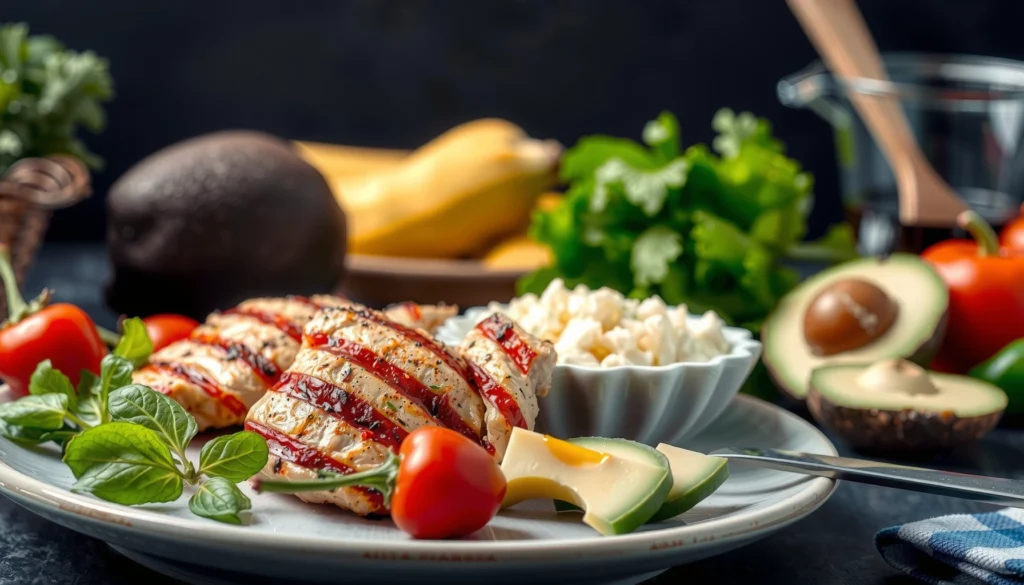

Navigating a diet for Type 1 Diabetes centers on choosing whole, unprocessed foods that contribute to stable blood sugar levels and overall well-being. The best foods for managing Type 1 Diabetes are typically fiber-rich smart carbohydrates, lean proteins, healthy fats, and a generous intake of non-starchy vegetables, all contributing to balanced nutrition and glycemic control. Understanding how these food groups impact your body is key to developing an effective meal plan that supports long-term health and optimal blood glucose management, empowering individuals to live full and active lives.




Understanding Your Plate: T1D Dietary Principles
Effective Type 1 Diabetes management extends beyond simply avoiding sugary foods; it involves a holistic understanding of how different macronutrients influence blood glucose and overall health. Adopting these fundamental dietary principles forms the bedrock of a successful T1D meal strategy, enabling greater control and predictability.
* Carbohydrate Counting: This is a cornerstone skill for individuals with Type 1 Diabetes, as carbohydrates are the primary macronutrient that directly impacts blood sugar levels and, consequently, insulin dosing. Learning to accurately estimate the carbohydrate content of meals and snacks allows for precise insulin administration, helping to prevent both hyperglycemia (high blood sugar) and hypoglycemia (low blood sugar). This involves understanding food labels, recognizing hidden carbs, and using reliable resources like food scales or portion guides. Mastery of carbohydrate counting empowers individuals to enjoy a wider variety of foods responsibly, integrating them into their management plan without compromising glycemic targets. Regular practice and consultation with a registered dietitian are crucial for refining this essential skill, ensuring it aligns with individual insulin regimens and activity levels.
* Balanced Meals: Crafting meals that strategically combine carbohydrates with protein and healthy fats is paramount for optimizing blood glucose response. Proteins and fats slow down the digestion and absorption of carbohydrates, leading to a more gradual rise in blood sugar rather than a sharp spike. This prolonged absorption allows the administered insulin more time to act effectively, improving post-meal glucose control. Furthermore, the inclusion of protein and healthy fats enhances satiety, helping individuals feel fuller for longer, which can prevent overeating and support weight management goals. A well-balanced meal structure typically involves a moderate portion of smart carbohydrates, a significant serving of lean protein, a source of healthy fats, and an abundance of non-starchy vegetables.
* Prioritize Whole Foods: The emphasis on whole, unprocessed foods is a universal recommendation for health, but it holds particular significance for Type 1 Diabetes management. Whole foods—such as fresh fruits, vegetables, whole grains, lean meats, and legumes—are naturally rich in fiber, vitamins, minerals, and antioxidants, while being free from the excessive added sugars, unhealthy trans fats, and sodium often found in highly processed items. The fiber in whole foods plays a critical role in slowing glucose absorption, contributing to more stable blood sugar levels. Conversely, processed foods, often stripped of their natural fiber and nutrients, tend to cause rapid blood sugar spikes and can contribute to inflammation and cardiovascular complications, risks already elevated in individuals with diabetes. Making whole foods the foundation of your diet supports not only glycemic control but also cardiovascular health, digestive regularity, and overall vitality.
Smart Carbohydrates: Fueling Your Body Wisely
Not all carbohydrates are created equal, especially when managing Type 1 Diabetes. The key is to select “smart” carbohydrates—those that offer nutritional benefits and a more stable impact on blood sugar levels, while still being mindful of total intake.
* Complex Carbohydrates: These are the preferred source of carbohydrates for individuals with Type 1 Diabetes due to their fibrous structure, which results in slower digestion and a more gradual release of glucose into the bloodstream. Opt for whole grains like oats (e.g., steel-cut or rolled oats), quinoa, brown rice, whole-wheat bread, and whole-grain pasta. Legumes such as lentils, black beans, chickpeas, and kidney beans are also excellent choices, providing both complex carbohydrates and a significant amount of plant-based protein and fiber. Starchy vegetables like sweet potatoes, corn, and peas, while higher in carbs than non-starchy varieties, offer valuable nutrients and fiber. These foods provide sustained energy, helping to prevent the “crashes” often associated with simple sugars, and their fiber content aids in digestive health and satiety.
* Fiber-Rich Fruits: Fruits are an essential part of a healthy diet, providing vitamins, minerals, and antioxidants. For T1D management, focus on fiber-rich fruits and consume them in moderation, pairing them with protein or fat when possible to further mitigate blood sugar spikes. Excellent choices include berries (strawberries, blueberries, raspberries), apples (with skin), oranges, pears, and grapefruit. The natural fiber in these fruits helps to slow down the absorption of fructose (fruit sugar), leading to a more controlled blood glucose response compared to fruit juices, which lack fiber. While fruits contain natural sugars, their nutritional density and fiber make them a much healthier choice than processed sweets.
* Portion Control: Even the healthiest carbohydrates can elevate blood sugar if consumed in excessive amounts. Therefore, diligent portion control is critical for aligning carbohydrate intake with your insulin regimen and blood sugar targets. Utilize tools like measuring cups, food scales, and visual cues (e.g., a cupped hand for a grain serving) to accurately estimate portions. Understanding how specific portion sizes of various carbohydrates affect your individual blood glucose levels, often through consistent monitoring and logging, allows for fine-tuning insulin doses. This meticulous approach to portioning empowers individuals to enjoy a diverse range of smart carbohydrates without compromising glycemic stability.
Lean Proteins & Healthy Fats: The Power Duo
Proteins and fats play indispensable roles in a Type 1 Diabetes diet, not only for their direct nutritional benefits but also for their ability to influence carbohydrate digestion and promote satiety. They form a crucial part of every balanced meal.
* Lean Protein Sources: Incorporating lean protein into meals is vital for muscle health, satiety, and moderating blood sugar responses. Protein has minimal direct impact on blood glucose, making it an excellent companion to carbohydrates. Good sources include skinless poultry like chicken and turkey breast, various types of fish (especially fatty fish like salmon, mackerel, and sardines, which also provide beneficial omega-3s, and lean white fish like cod and tilapia), eggs, and plant-based options such as tofu, tempeh, edamame, and legumes (lentils, beans). Lean cuts of beef and pork can also be included in moderation. These proteins help keep you full between meals, reducing the likelihood of overeating and cravings for less healthy options.
* Beneficial Fats: Healthy fats are essential for overall health, particularly cardiovascular well-being, which is a significant concern for individuals with diabetes. Monounsaturated and polyunsaturated fats can also help slow down the absorption of glucose from carbohydrates, contributing to more stable blood sugar levels. Prioritize sources like avocados, which are rich in monounsaturated fats and fiber; nuts (almonds, walnuts, pecans) and seeds (chia, flax, pumpkin), which also offer fiber and protein; and olive oil, a staple of the Mediterranean diet, ideal for cooking and dressing. Other healthy fat sources include fatty fish and certain vegetable oils like canola or sunflower oil. These fats provide energy, aid in nutrient absorption, and support cellular function, all while promoting satiety and helping to regulate glycemic responses.
* Avoid Trans & Saturated Fats: Limiting the intake of unhealthy fats is critical for protecting cardiovascular health and maintaining insulin sensitivity. Trans fats, often found in highly processed foods, fried items, and certain baked goods, should be strictly avoided due to their detrimental effects on cholesterol levels and increased risk of heart disease. Saturated fats, prevalent in red meat, full-fat dairy products, butter, and many processed snacks, should also be consumed in moderation. While some saturated fat is part of a balanced diet, excessive intake can contribute to insulin resistance over time, making blood sugar management more challenging. Reading food labels carefully and choosing lean protein sources and healthy fats are proactive steps towards minimizing these risks.
Non-Starchy Vegetables: Nutrient Powerhouses
Non-starchy vegetables are the unsung heroes of a Type 1 Diabetes diet, offering a wealth of nutrients with minimal impact on blood glucose, making them ideal for filling your plate generously.
* Abundant Choices: These vegetables are incredibly versatile and should form a significant portion, ideally half, of your plate at most meals. The options are vast and colorful: leafy greens like spinach, kale, collard greens, and romaine lettuce; cruciferous vegetables such as broccoli, cauliflower, and Brussels sprouts; and a variety of other vibrant choices including bell peppers (red, yellow, green), cucumbers, zucchini, asparagus, green beans, mushrooms, onions, and tomatoes. Their low carbohydrate content allows for generous consumption without significantly affecting blood sugar levels, providing a foundation for a truly satisfying and nutrient-dense diet.
* High Fiber, Low Carb: The key benefit of non-starchy vegetables for Type 1 Diabetes management lies in their unique nutritional profile: they are exceptionally high in dietary fiber, vitamins, and minerals, yet very low in digestible carbohydrates. This combination means they provide significant bulk and nutrients without causing blood sugar spikes. The high fiber content also contributes to feelings of fullness, aiding in weight management and preventing overeating. Furthermore, the antioxidants and phytonutrients found in these vegetables play a crucial role in reducing inflammation and protecting against various chronic diseases, offering comprehensive health benefits beyond glycemic control.
* Versatile Preparation: The culinary possibilities with non-starchy vegetables are endless, making them easy to incorporate into any meal. Enjoy them raw in salads, alongside dips like hummus, or as crunchy snacks. Steam them lightly to retain their nutrients and vibrant color, or roast them with a drizzle of olive oil and herbs for a depth of flavor. Grilling offers a smoky taste and tender-crisp texture. They can be added to stir-fries, omelets, soups, stews, and casseroles, boosting the nutritional content and volume of dishes without adding significant calories or carbohydrates. Experiment with different spices and cooking methods to keep meals exciting and ensure a consistent intake of these nutrient powerhouses.
Hydration & Meal Planning Essentials
Beyond the specific foods, how you hydrate and structure your meals plays a critical role in optimizing blood sugar management and overall well-being for individuals with Type 1 Diabetes. These practices provide stability and support metabolic functions.
* Water is Key: Prioritizing water as your primary beverage is fundamental for Type 1 Diabetes management. Proper hydration supports every metabolic function in the body, including glucose metabolism. Water helps transport nutrients and oxygen to cells, flushes out waste products, and maintains blood volume. It is crucial to avoid sugary drinks such as sodas, fruit juices (even 100% juice), and sweetened teas, as these can lead to rapid and significant blood sugar spikes due, in large part, to their lack of fiber and high concentration of simple sugars. Even “diet” sodas, while calorie-free, may not be the optimal choice for hydration due to artificial sweeteners potentially affecting gut microbiota. Unsweetened sparkling water with a slice of lemon or lime, unsweetened tea, or plain coffee in moderation are healthier alternatives.
* Consistent Meal Times: Establishing and adhering to regular meal and snack times is a critical strategy for stabilizing blood sugar levels and effectively coordinating with insulin action. For individuals on fixed insulin regimens, consistent meal times help match carbohydrate intake with peak insulin activity, reducing the risk of hypoglycemia or hyperglycemia. Even for those on more flexible insulin regimens (e.g., pump therapy or multiple daily injections), regular meal patterns can simplify carbohydrate counting and insulin dosing, leading to greater predictability in blood glucose responses. This consistency also helps regulate appetite and metabolic rhythm, contributing to more stable energy levels throughout the day.
* Snack Smart: If snacking is necessary between meals or to cover increased activity, choose options that strategically balance protein, fiber, and healthy fats. These macronutrients help slow down glucose absorption and promote satiety, preventing blood sugar spikes and subsequent crashes. Ideal smart snack options include a small handful of unsalted nuts (almonds, walnuts) or seeds (pumpkin, sunflower), which offer healthy fats, protein, and fiber. Greek yogurt (plain, unsweetened) with a few berries provides protein and some fiber. Vegetable sticks (carrots, celery, bell peppers) paired with a serving of hummus deliver fiber and healthy fats. Hard-boiled eggs are an excellent source of pure protein. These choices help bridge the gap between meals without derailing blood sugar targets, providing sustained energy and nutrients.
Adopting a diet rich in smart carbohydrates, lean proteins, healthy fats, and plenty of non-starchy vegetables is fundamental for effective Type 1 Diabetes management. By consistently focusing on whole, unprocessed foods, practicing mindful portion control tailored to your specific insulin needs, and staying diligently hydrated, you can significantly contribute to maintaining stable blood sugar levels, reducing the risk of complications, and enhancing your overall health and quality of life. Remember that managing Type 1 Diabetes is a dynamic process, and nutrition is a powerful tool within it. Always consult with a registered dietitian or your healthcare team to develop and continually refine a personalized nutrition plan that best fits your individual needs, lifestyle, and evolving health goals, ensuring a safe and effective approach to managing your condition.
Frequently Asked Questions
What are the best food groups to prioritize for type 1 diabetes management?
For effective type 1 diabetes management, prioritize a balanced intake of lean proteins, non-starchy vegetables, healthy fats, and complex carbohydrates. Lean proteins like chicken, fish, and tofu help with satiety and have minimal impact on blood sugar, while non-starchy vegetables such as leafy greens and broccoli are low in carbs and rich in nutrients. Incorporating healthy fats from avocados, nuts, and olive oil can aid in blood sugar stability and overall heart health, complementing carefully portioned complex carbohydrates like whole grains.
How can I effectively count carbohydrates in my meals with type 1 diabetes?
Effectively counting carbohydrates for type 1 diabetes involves reading nutrition labels carefully, using measuring cups and food scales for accurate portion sizes, and becoming familiar with the carb content of common foods. Many online databases and smartphone apps can also help estimate carbohydrate counts, especially for restaurant meals or homemade dishes. Working with a registered dietitian or certified diabetes educator can provide personalized guidance and strategies for precise carbohydrate counting to match your insulin doses.
Why is fiber important in the diet of someone with type 1 diabetes, and which foods are good sources?
Fiber is crucial for individuals with type 1 diabetes because it helps to slow down the absorption of glucose, leading to more stable and gradual rises in blood sugar levels after meals. This can improve glycemic control and also contribute to feelings of fullness, aiding in weight management. Excellent sources of dietary fiber include non-starchy vegetables (like spinach, bell peppers), whole grains (oats, quinoa, whole-wheat bread), legumes (beans, lentils), and most fruits (especially berries and apples with skin).
Which types of snacks are ideal for maintaining stable blood sugar between meals for type 1 diabetics?
Ideal snacks for maintaining stable blood sugar between meals for type 1 diabetics typically combine protein and healthy fats with minimal carbohydrates. This combination helps to prevent rapid blood sugar spikes and provides sustained energy. Examples include a handful of almonds or walnuts, Greek yogurt with a few berries, cheese sticks, hard-boiled eggs, or vegetable sticks with hummus.
Are there any “superfoods” or specific foods that uniquely benefit type 1 diabetes?
While there isn’t one single “superfood” that uniquely cures or prevents type 1 diabetes, a balanced diet rich in nutrient-dense whole foods is universally beneficial for managing the condition. Foods like leafy greens, berries, fatty fish, and nuts are often highlighted for their anti-inflammatory properties and overall health benefits. The focus should be on an individualized eating plan that supports stable blood sugar, heart health, and overall well-being rather than relying on a few specific items.
References
- Diabetes diet: Create your healthy-eating plan – Mayo Clinic
- https://www.jdrf.org/t1d-resources/living-with-t1d/daily-life/nutrition/
- https://diabetes.org/healthy-living/recipes-nutrition/meal-planning/type-1-diabetes-meal-planning
- https://health.clevelandclinic.org/what-to-eat-if-you-have-type-1-diabetes/
- Healthy Living with Diabetes – NIDDK
- https://www.hsph.harvard.edu/nutritionsource/disease-prevention/diabetes-diet/
- https://www.cdc.gov/diabetes/managing/eat-well.html
- https://www.nhs.uk/conditions/type-1-diabetes/living-with-type-1-diabetes/diet-and-lifestyle/
- Diet in diabetes




Pingback: Best Water for Diabetics: What to Choose for Blood Sugar - Best For Diabetics