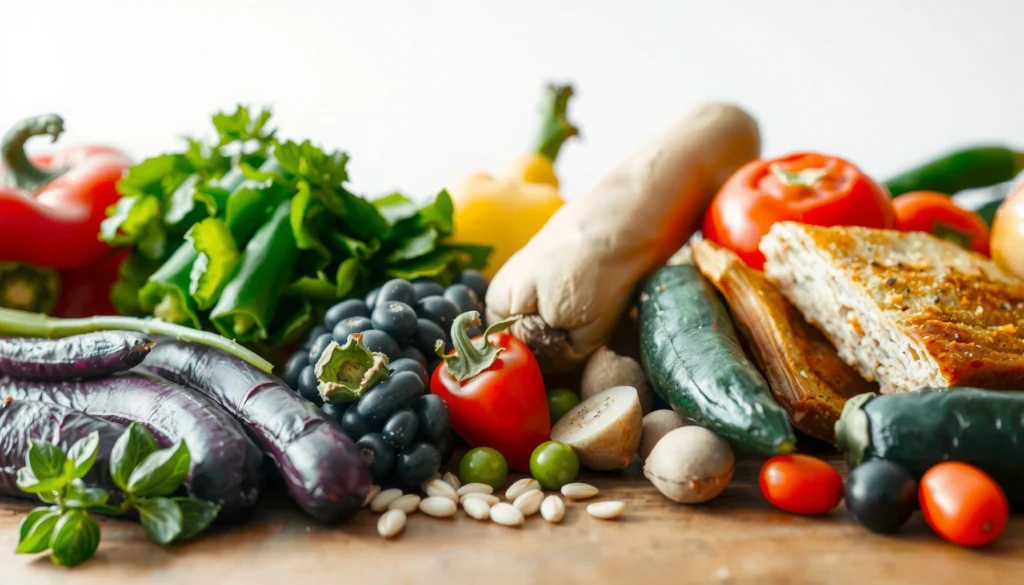

For individuals managing Type 2 Diabetes, the best foods are predominantly whole, unprocessed options rich in fiber, lean protein, and healthy fats, alongside smart carbohydrate choices that have a low glycemic index. Focusing on non-starchy vegetables, lean proteins, certain whole grains, and beneficial fats can significantly help stabilize blood sugar levels, improve insulin sensitivity, and support overall health. This guide will help you understand which foods to prioritize to manage your condition effectively, empowering you to make informed dietary decisions that contribute to long-term well-being and reduce the risk of diabetes-related complications.




The Foundation: Prioritizing Non-Starchy Vegetables
These vegetables are low in carbohydrates and calories but high in fiber, vitamins, and minerals, making them excellent for blood sugar management. Their minimal impact on glucose levels allows individuals with Type 2 Diabetes to consume them in generous quantities, providing essential nutrients without causing disruptive blood sugar spikes. Beyond managing glucose, the rich array of vitamins, minerals, and antioxidants in non-starchy vegetables plays a crucial role in reducing inflammation, supporting immune function, and protecting against cardiovascular disease, a common comorbidity for those with diabetes.
Their high fiber content aids digestion, promotes satiety, and helps prevent rapid blood sugar spikes. Soluble fiber, found in many of these vegetables, forms a gel-like substance in the digestive tract, slowing the absorption of glucose into the bloodstream. This helps maintain more stable blood sugar levels throughout the day. Insoluble fiber adds bulk to stool, promoting regular bowel movements and contributing to gut health. The combined effect of fiber also helps individuals feel full for longer, which can be invaluable for weight management—a key factor in improving insulin sensitivity and managing Type 2 Diabetes.
Examples include leafy greens (spinach, kale), broccoli, cauliflower, bell peppers, zucchini, and green beans. Leafy greens like spinach and kale are packed with vitamins K, A, and C, as well as essential minerals like iron and magnesium, all with very few carbohydrates. Broccoli and cauliflower are cruciferous vegetables renowned for their antioxidant properties and fiber content; they can be enjoyed steamed, roasted, or added to stir-fries. Bell peppers, vibrant and versatile, offer a good source of vitamin C and are excellent raw or cooked. Zucchini and green beans are mild and blend well into numerous dishes, providing fiber and nutrients without significantly impacting blood glucose. Incorporating a variety of these vegetables into every meal, ideally filling half your plate, is a highly effective strategy for managing Type 2 Diabetes.
Lean Proteins for Blood Sugar Stability
Protein helps slow down glucose absorption, keeps you feeling full, and supports muscle mass, all crucial for diabetes management. When consumed, protein has a minimal direct impact on blood sugar levels compared to carbohydrates. Instead, it aids in glucose regulation by moderating the rate at which carbohydrates are digested and absorbed, leading to a more gradual rise in blood glucose. Furthermore, protein’s powerful satiating effect helps reduce overall calorie intake and prevent overeating, which is beneficial for weight control. Maintaining adequate muscle mass is also vital, as muscle tissue is more metabolically active than fat and plays a significant role in glucose uptake from the bloodstream, thereby improving insulin sensitivity.
Choosing lean sources minimizes saturated fat intake, benefiting heart health, which is a common concern for diabetics. Individuals with Type 2 Diabetes are at an elevated risk for cardiovascular diseases, making dietary fat quality particularly important. High intake of saturated and trans fats can contribute to insulin resistance and elevate “bad” LDL cholesterol levels, further exacerbating heart disease risk. Opting for lean protein sources helps mitigate these risks by providing essential amino acids without excess unhealthy fats, thus supporting both glycemic control and cardiovascular well-being.
Include options like skinless chicken and turkey, fish (salmon, cod), eggs, tofu, tempeh, and legumes (beans, lentils). Skinless poultry breast is an excellent source of lean protein, versatile for grilling, baking, or stir-frying. Fish, particularly fatty fish like salmon, mackerel, and sardines, provides not only high-quality protein but also beneficial omega-3 fatty acids, which are known to reduce inflammation and support heart health. Lean white fish like cod and tilapia are also great choices. Eggs are a complete protein source, offering flexibility for breakfast, lunch, or dinner. Plant-based proteins such as tofu and tempeh are highly adaptable and provide all essential amino acids, along with fiber and various micronutrients. Legumes, including black beans, kidney beans, chickpeas, and lentils, are powerhouses of protein and soluble fiber, contributing significantly to satiety and blood sugar control while offering a diverse range of minerals.
Healthy Fats: Good for the Heart and Fullness
Incorporating healthy fats can improve insulin sensitivity, reduce inflammation, and provide a sense of satiety, helping to prevent overeating. Monounsaturated fatty acids (MUFAs) and polyunsaturated fatty acids (PUFAs), particularly omega-3s, are known to play a beneficial role in cellular function and metabolism. They help maintain the fluidity of cell membranes, which can improve the efficiency of insulin receptors and enhance glucose uptake by cells, thereby improving insulin sensitivity. Additionally, healthy fats possess anti-inflammatory properties, counteracting the chronic low-grade inflammation often associated with Type 2 Diabetes and its complications. Their high energy density means they contribute significantly to feelings of fullness, reducing the urge to snack and aiding in overall calorie management for weight control.
These fats are vital for cardiovascular health and overall well-being, but portion control remains important due to their calorie density. Given the increased risk of heart disease in individuals with Type 2 Diabetes, prioritizing heart-healthy fats is paramount. They help lower LDL (“bad”) cholesterol and raise HDL (“good”) cholesterol, contributing to a healthier lipid profile. While beneficial, fats are calorie-dense, providing nine calories per gram compared to four calories per gram for carbohydrates and proteins. Therefore, even healthy fats should be consumed in moderation to prevent unintended weight gain, which can negatively impact blood glucose control.
Focus on avocados, nuts (almonds, walnuts), seeds (chia, flax), and olive oil. Avocados are rich in MUFAs, fiber, and potassium, making them excellent for heart health and blood sugar regulation. Nuts like almonds, walnuts, and pecans offer a combination of healthy fats, protein, and fiber, along with essential minerals like magnesium; a small handful makes a satisfying snack. Seeds such as chia, flax, and hemp seeds are packed with omega-3 fatty acids, fiber, and plant-based protein, easily added to smoothies, yogurts, or salads. Extra virgin olive oil, a cornerstone of the Mediterranean diet, is another superb source of MUFAs and antioxidants, ideal for dressing salads or cooking at moderate temperatures.
Smart Carbohydrates: Choosing Whole Grains and Legumes
Not all carbohydrates are equal; opting for complex carbohydrates from whole grains and legumes provides sustained energy and essential fiber. Unlike refined carbohydrates, which are stripped of their bran and germ, whole grains retain all parts of the grain, including the fiber-rich outer layer. This fiber, along with the complex structure of the carbohydrates, means they are digested more slowly. This slower digestion prevents rapid spikes in blood glucose, providing a steady release of energy throughout the day, which is crucial for maintaining stable blood sugar levels in Type 2 Diabetes. The fiber also supports digestive health, helps lower cholesterol, and contributes to satiety.
These choices have a lower glycemic index compared to refined carbohydrates, leading to a more gradual rise in blood sugar. The glycemic index (GI) is a system that ranks carbohydrate-containing foods based on how quickly they raise blood glucose levels. Foods with a low GI are digested and absorbed slowly, resulting in a gentle, sustained rise in blood sugar, whereas high GI foods cause rapid spikes. By prioritizing low GI whole grains and legumes, individuals with Type 2 Diabetes can significantly improve their glycemic control, reduce the strain on their insulin-producing cells, and minimize the risk of both hyperglycemia and subsequent hypoglycemic crashes.
Good options include quinoa, oats, barley, brown rice (in moderation), and a variety of beans and lentils. Quinoa is a complete protein, gluten-free whole grain that offers substantial fiber and a low GI, making it an excellent base for meals. Oats, particularly steel-cut or rolled oats, are rich in soluble fiber called beta-glucans, which are known to help lower cholesterol and stabilize blood sugar. Barley, another ancient grain, provides significant fiber and can be used in soups or as a side dish. Brown rice, while a healthier alternative to white rice, still has a moderate GI, so it should be consumed in controlled portions. Beans and lentils, including black beans, kidney beans, chickpeas, and green lentils, are exceptionally beneficial due to their high fiber and protein content, contributing to sustained energy and excellent blood sugar management.
Fruits: Enjoying Nature’s Sweetness Wisely
Fruits offer valuable vitamins, minerals, and fiber, but they also contain natural sugars (fructose) that can impact blood glucose levels. While undoubtedly nutrient-dense and important for overall health, the carbohydrate content in fruits, primarily in the form of fructose, requires mindful consumption for individuals managing Type 2 Diabetes. The fiber in whole fruits helps to slow sugar absorption compared to fruit juice, but the glycemic response can still vary significantly depending on the fruit type, ripeness, and portion size. It is essential to appreciate their nutritional benefits while strategically managing their sugar contribution to a balanced diet.
Portion control and choosing fruits with lower glycemic indices are key to incorporating them safely into a diabetic diet. Consuming appropriate serving sizes prevents an excessive sugar load at once. For example, a single serving might be a small apple or half a banana. Pairing fruit with a source of protein or healthy fat, such as a handful of nuts or Greek yogurt, can further help mitigate blood sugar spikes by slowing digestion and absorption. Understanding the glycemic index of different fruits allows for more informed choices, prioritizing those that have a less pronounced effect on blood glucose.
Best choices include berries (strawberries, blueberries), apples, pears, peaches, and citrus fruits like oranges and grapefruit. Berries are particularly beneficial due to their high antioxidant content, lower sugar levels, and rich fiber profile; a cup of strawberries or blueberries makes an excellent choice. Apples and pears, when eaten with the skin, provide significant fiber and have a moderate GI, offering a satisfying crunch and numerous nutrients. Peaches, especially when fresh and in season, are a good source of vitamins A and C and dietary fiber. Citrus fruits such as oranges and grapefruit (with caution if taking certain medications) are high in vitamin C and tend to have a lower sugar content compared to some other fruits, making them suitable choices when enjoyed in moderation.
Foods to Limit or Avoid for Optimal Control
Certain foods can significantly undermine blood sugar management and overall health for Type 2 diabetics. These items often contribute to rapid and drastic fluctuations in blood glucose, making it challenging to maintain stable levels. Beyond the immediate glycemic impact, many of these foods also promote chronic inflammation, increase oxidative stress, and contribute to weight gain, all of which can worsen insulin resistance and accelerate the progression of diabetes complications such, as cardiovascular disease, neuropathy, and kidney damage. Eliminating or severely restricting these problematic foods is a cornerstone of effective Type 2 Diabetes management.
High sugar content, refined carbohydrates, and unhealthy fats can lead to rapid blood sugar spikes, weight gain, and increased risk of complications. Foods rich in added sugars provide empty calories, offering little nutritional value while causing quick and sharp rises in blood glucose. Refined carbohydrates, such as white flour products, are rapidly digested and absorbed, leading to similar detrimental blood sugar responses. Unhealthy fats, particularly trans fats and excessive saturated fats, can impair insulin sensitivity, elevate LDL cholesterol, and foster inflammation, collectively escalating the risk of heart disease and other chronic conditions prevalent among individuals with diabetes.
Strictly limit sugary beverages, white bread, pastries, processed snacks, fried foods, and highly processed meats. Sugary beverages, including sodas, sweetened teas, and fruit juices (even 100% juice, due to concentrated sugar without fiber), are particularly insidious as liquid sugars are absorbed almost instantaneously, leading to severe blood sugar spikes. White bread, bagels, and pasta, made from refined flour, lack the fiber and nutrients of whole grains and behave similarly to pure sugar in the body. Pastries, cakes, cookies, and processed snacks like chips and crackers are often laden with refined sugars, unhealthy fats, and artificial ingredients. Fried foods, frequently cooked in unstable oils, can contain trans fats and contribute to inflammation and weight gain. Highly processed meats like bacon, sausages, and deli meats are high in sodium, saturated fats, and nitrates, which have been linked to increased risk of heart disease and insulin resistance.
Adopting a diet rich in non-starchy vegetables, lean proteins, healthy fats, and carefully selected whole grains and fruits is fundamental to managing Type 2 Diabetes effectively. By prioritizing these essential food choices and consciously limiting problematic items, you can stabilize blood sugar levels, improve your health markers, and enhance your overall quality of life. This strategic approach to nutrition not only aids in glycemic control but also supports weight management, cardiovascular health, and reduces the risk of long-term complications. Always remember to consult with your doctor or a registered dietitian to create a personalized meal plan tailored to your specific health needs and goals, ensuring that your dietary choices are safe, effective, and sustainable for your unique condition.
Frequently Asked Questions
What are the best foods for Type 2 diabetics to help manage blood sugar?
The best foods for managing Type 2 diabetes blood sugar levels are generally whole, unprocessed options rich in fiber and lean protein. Prioritize non-starchy vegetables like leafy greens, broccoli, and bell peppers, along with lean protein sources such as fish, chicken breast, and legumes. Healthy fats from avocados, nuts, and olive oil also play a crucial role, helping to slow glucose absorption and promote satiety for individuals with Type 2 diabetes.
Which carbohydrates are safe for diabetics, and how should they be incorporated into a diet?
For Type 2 diabetics, focus on complex carbohydrates high in fiber, often referred to as “good carbs.” These include whole grains like oats, quinoa, brown rice, and barley, as well as legumes (beans, lentils) and most vegetables. Incorporate these carbohydrates in controlled portions, ideally spread throughout your meals, and always aim to pair them with protein and healthy fats to further minimize blood sugar spikes and support stable glucose management.
Why is it important for Type 2 diabetics to limit processed foods and sugary drinks?
Limiting processed foods and sugary drinks is crucial for Type 2 diabetics because these items often contain high amounts of refined sugars, unhealthy fats, and sodium, which can lead to rapid and significant blood sugar spikes. These empty calories offer little nutritional value, contributing to weight gain and increasing the risk of cardiovascular complications, making their avoidance a cornerstone of effective diabetes management and overall health improvement.
How can Type 2 diabetics create balanced meals that support healthy blood sugar levels?
To create balanced meals, Type 2 diabetics should aim for the “plate method”: fill half your plate with non-starchy vegetables, one quarter with lean protein, and the remaining quarter with a complex carbohydrate. For example, a meal might include grilled chicken, a large serving of steamed greens, and a small portion of quinoa. This balanced approach ensures adequate nutrients, helps regulate blood sugar, and promotes fullness, making it easier to maintain a healthy eating pattern.
Can Type 2 diabetics eat fruit, and if so, which fruits are best?
Yes, Type 2 diabetics can enjoy fruit in moderation, as it provides essential vitamins, minerals, and fiber. Fruits with a lower glycemic index and high fiber content are generally the best choices, such as berries (strawberries, blueberries), apples, pears, and citrus fruits like oranges. Always opt for whole fruit instead of fruit juice, and consider pairing fruit with a source of protein or healthy fat to help further mitigate its impact on blood sugar levels.
References
- https://www.diabetes.org/healthy-living/recipes-nutrition/eating-healthy/food-choices-thats-good-for-you
- https://www.cdc.gov/diabetes/managing/eat-well.html
- Healthy Living with Diabetes – NIDDK
- Diabetes diet: Create your healthy-eating plan – Mayo Clinic
- https://www.health.harvard.edu/diseases-and-conditions/best-diet-for-diabetes
- https://www.nhs.uk/conditions/type-2-diabetes/food-and-diet/
- https://health.clevelandclinic.org/what-foods-should-you-eat-if-you-have-type-2-diabetes/