
Navigating fast food as a diabetic can be challenging, but finding a healthy and satisfying lunch is absolutely possible. The key to the best fast food lunch for diabetics lies in prioritizing grilled lean proteins, non-starchy vegetables, and whole grains while actively avoiding sugary drinks, fried items, and excessive portions. Many popular chains now offer customizable options that allow you to build a meal that supports stable blood sugar levels without sacrificing convenience. With a strategic approach, individuals managing diabetes can enjoy the convenience of fast food without derailing their health goals.




Essential Guidelines for Diabetic-Friendly Fast Food
Making informed choices at fast food establishments is paramount for maintaining stable blood sugar levels. Adhering to a few core principles can transform a potentially problematic meal into a nourishing one.
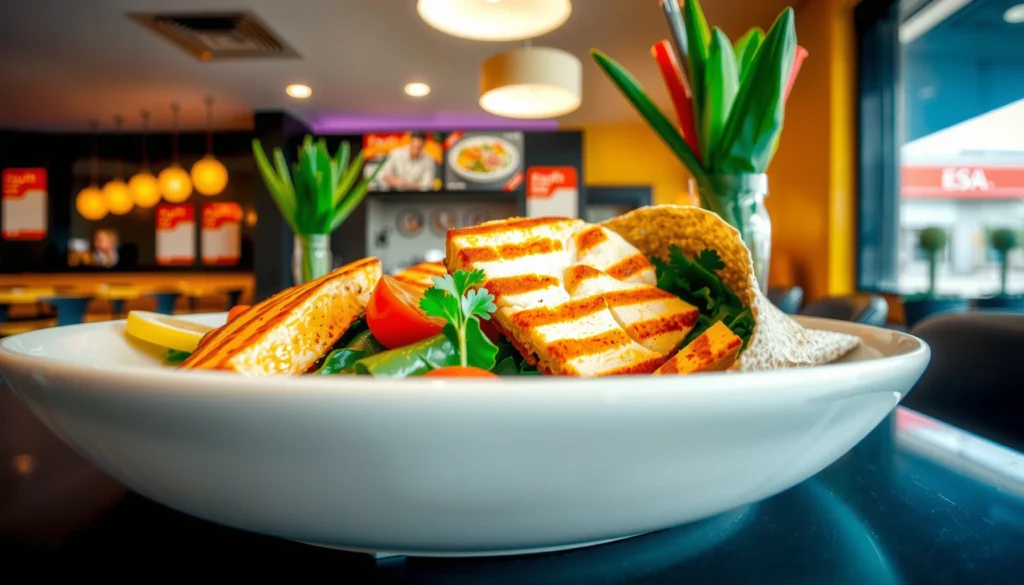
* Prioritize Protein & Vegetables: The cornerstone of a diabetic-friendly fast food lunch is a robust inclusion of lean protein and non-starchy vegetables. Protein, such as grilled chicken breast, baked fish, or lean beef, plays a critical role in satiety, helping you feel full longer and preventing overeating. More importantly, protein has a minimal impact on blood glucose levels compared to carbohydrates. Non-starchy vegetables like lettuce, spinach, tomatoes, onions, bell peppers, and cucumbers are rich in fiber, vitamins, and minerals, but low in carbohydrates. Fiber helps slow down the absorption of glucose, leading to a more gradual rise in blood sugar and promoting digestive health. Aim for a generous serving of these vegetables, effectively making them the bulk of your meal. For instance, opting for a large salad with grilled chicken or a “naked” burger wrapped in lettuce provides an excellent balance.
* Watch Carbohydrate Intake: Carbohydrates are the primary nutrient that impacts blood sugar, so mindful management is crucial. Refined carbohydrates, typically found in white bread, buns, fries, and sugary sauces, cause rapid spikes in blood glucose. When selecting a meal, actively seek out whole-grain alternatives, such as whole-wheat buns or brown rice, which contain more fiber and elicit a slower, more controlled blood sugar response. Even with whole grains, portion control remains essential. Often, the best strategy is to reduce or eliminate unnecessary carbs; for example, ordering a burger without the bun, opting for a lettuce wrap, or choosing a salad bowl instead of a burrito with rice. Always be aware of hidden carbohydrates in dressings, condiments, and breading on fried items.
* Limit Sugary Drinks & Fried Foods: This guideline is non-negotiable for diabetic individuals. Sugary beverages, including regular sodas, sweet teas, fruit juices, and milkshakes, are concentrated sources of rapidly absorbed sugar, leading to immediate and significant blood sugar spikes. These drinks offer little to no nutritional value and contribute empty calories. Always choose water, unsweetened tea, or diet beverages. Similarly, fried foods, such as french fries, onion rings, and breaded chicken, are detrimental. They are typically high in unhealthy saturated and trans fats, excessive calories, and often breaded, adding a substantial amount of refined carbohydrates. These fats can also contribute to insulin resistance over time. Instead, consistently opt for grilled, baked, broiled, or steamed options to significantly reduce fat and carb intake.
Top Fast Food Chains for Diabetic Lunch Options
Several popular fast food chains have evolved their menus to include more health-conscious options, making them viable choices for individuals managing diabetes. Strategic ordering at these establishments can lead to satisfying and blood-sugar-friendly meals.
* Chick-fil-A: Renowned for its focus on chicken, Chick-fil-A stands out for its grilled options. Their Grilled Chicken Sandwich can be customized by asking for a whole-wheat bun (where available) or, ideally, served without the bun and wrapped in lettuce. The Market Salad is another excellent choice, featuring grilled chicken, fresh greens, berries, nuts, and a light balsamic vinaigrette (always ask for dressing on the side and use sparingly). Other solid options include their Spicy Southwest Salad (again, dressing on the side, limit crispy toppings) and the Grilled Nuggets, which offer pure lean protein with minimal carbs. Avoid their fried chicken options and sugary sauces like Chick-fil-A sauce.
* Subway: Subway’s “build-your-own” model makes it a fantastic option for diabetics. Starting with whole-wheat bread or a salad bowl is crucial. Prioritize lean protein choices such as turkey breast, grilled chicken, roast beef, or oven-roasted chicken. Load up on a wide array of non-starchy vegetables like lettuce, spinach, tomatoes, cucumbers, green peppers, and onions. Be mindful of higher-sodium deli meats and excessive cheese. For sauces, opt for mustard, vinegar, or a light vinaigrette, using them sparingly to avoid hidden sugars and calories. Skipping the cheese and adding extra vegetables can further enhance the meal’s nutritional profile.
* Chipotle/Qdoba: These fast-casual establishments excel in offering customizable bowls, which are ideal for diabetic meal planning. The key here is to build a burrito bowl rather than a burrito or tacos to avoid extra refined carbs from tortillas. Start with a base of brown rice (in moderation) or, even better, skip the rice entirely and opt for a bed of lettuce or fajita vegetables. Select lean protein options like chicken or steak (carnitas and sofritas can also be good, but check fat content). Load up on beans (black or pinto) for added fiber, and plenty of fresh salsa (pico de gallo, mild, medium), grilled fajita vegetables, and lettuce. Exercise caution with high-calorie additions like queso, sour cream, and guacamole (if chosen, limit to a small portion due to high fat content).
Smart Meal Assembly and Customization
Empowering yourself through customization is a cornerstone of successful diabetic eating at fast food restaurants. Don’t be afraid to make specific requests to tailor your meal to your health needs.
* Build Your Own: The “build-your-own” concept, prevalent in many modern fast-casual eateries, provides an unparalleled opportunity for control. Restaurants like Subway, Chipotle, and even many pizza places offering salad or bowl options, allow you to dictate every ingredient. This means you can choose lean proteins, double up on non-starchy vegetables, select whole grains, and control portion sizes of high-carb or high-fat ingredients. Always think about the base of your meal—can it be a salad, a lettuce wrap, or a “naked” protein instead of bread or rice? This approach minimizes guesswork and ensures your meal aligns with your dietary goals.
* Grilled Over Fried: This rule is simple yet profoundly impactful. Choosing grilled, baked, or broiled meats instead of fried or breaded options dramatically reduces unhealthy fats, calories, and carbohydrates. Fried foods often come with a crispy coating made of refined flour, adding unnecessary carbs that can spike blood sugar. Furthermore, the oils used for frying are often unhealthy and can contribute to inflammation and heart disease risk. Always confirm the cooking method. For example, at burger joints, ensure your chicken is grilled, not crispy or breaded. Opt for a baked potato (plain) instead of fries, or grilled fish instead of fish and chips.
* Salad Savvy: Salads can be deceptive; while seemingly healthy, they can quickly become high-calorie, high-carb traps if not chosen wisely. To make a salad diabetic-friendly, focus on a base of dark leafy greens, add generous portions of lean protein (grilled chicken, fish, turkey), and fill it with an abundance of non-starchy vegetables. The pitfalls often lie in the toppings and dressings. Avoid crispy noodles, croutons, candied nuts, bacon bits, dried fruit (high in sugar), and fried chicken or shrimp. For dressings, creamy options are typically high in calories, unhealthy fats, and often sugar. Always ask for dressing on the side and opt for light vinaigrettes, oil and vinegar, or a squeeze of lemon. Use only a small amount to lightly coat your greens, rather than drowning them.
Choosing Sides, Sauces, and Beverages Wisely
The small choices often make the biggest difference in managing a diabetic diet. Sides, sauces, and drinks can subtly sabotage an otherwise healthy main dish.
* Hydrate with Water: Water is the best and safest beverage choice for diabetics. It contains no carbohydrates, calories, or artificial ingredients, and helps maintain proper hydration, which is essential for overall health and kidney function. Unsweetened tea (iced or hot) and black coffee are also excellent zero-calorie options. Diet sodas can be consumed in moderation, but some individuals prefer to avoid artificial sweeteners. Absolutely avoid all regular sodas, sweetened fruit juices, sweetened iced teas, and milkshakes, as these are loaded with sugar and will cause rapid blood sugar spikes.
* Healthy Side Swaps: The typical fast food side—french fries—is a notorious culprit for high carbs and unhealthy fats. Thankfully, many establishments now offer healthier alternatives. Always inquire about these swaps. Common diabetic-friendly sides include a side salad (with light dressing on the side), apple slices, fruit cups (check for added sugar), yogurt parfaits (choose plain and low-sugar varieties), or steamed vegetables. Some places may offer chili (opt for a small, lean bean-based chili if available) or a plain baked potato (eat in moderation and avoid high-fat toppings like sour cream, cheese, and bacon bits; stick to salsa or mustard). These options provide essential fiber and nutrients while keeping carb counts in check.
* Condiment Control: Condiments and sauces are often hidden sources of sugar, sodium, and unhealthy fats. For example, ketchup, BBQ sauce, honey mustard, and many sweet and sour sauces are laden with added sugars. High sodium content can also be a concern for overall health. Opt for healthier, low-sugar alternatives like classic mustard, hot sauce, vinegar, or fresh lemon/lime juice. When choosing dressings or other sauces, always ask for them on the side and use them sparingly. Even seemingly innocuous options like salsa can contain hidden sugars, so a quick check of nutritional information (if available) can be beneficial.
Planning Ahead for Successful Fast Food Meals
Proactive planning is a powerful tool for diabetics navigating the fast food landscape. A little preparation can go a long way in making smart, health-conscious choices.
* Check Nutritional Information: One of the most effective strategies is to research before you order. Most major fast food chains provide detailed nutritional information on their websites, mobile apps, or in-store. Take advantage of these resources to view calorie counts, total carbohydrates, added sugars, fiber, and fat content for various menu items and their customizable components. This allows you to plan your meal in advance, identifying the most diabetic-friendly options and understanding the impact of modifications. Look for tools that allow you to “build” a meal online and see its nutritional breakdown in real-time. This can help you make informed decisions and stay within your daily carbohydrate and calorie targets.
* Don’t Be Afraid to Ask: Empower yourself by confidently requesting modifications. Fast food establishments are increasingly accustomed to accommodating dietary needs. Simple requests like “no bun,” “lettuce wrap instead,” “extra veggies,” “dressing on the side,” “grilled not fried,” or “no cheese” can significantly transform a meal’s nutritional profile. Be clear and polite with your requests; staff are generally happy to help ensure you have a satisfactory dining experience. Remember, you are advocating for your health, and making these small adjustments can have a major impact on your blood sugar management.
* Balance Your Day: A single meal should always be considered within the context of your entire day’s dietary intake. If you anticipate a fast food lunch that might be slightly higher in carbohydrates or calories than usual, plan to adjust your breakfast, dinner, or snacks accordingly. For instance, if your lunch includes a moderate amount of brown rice, ensure your other meals are very low in carbohydrates. This holistic approach helps you maintain your overall carbohydrate, calorie, and nutrient goals throughout the day, preventing spikes and maintaining blood sugar stability. Regular monitoring of your blood glucose levels after a fast food meal can also provide valuable insights into how specific choices affect your body, informing future decisions.
Finding a satisfying fast food lunch for diabetics doesn’t require sacrificing convenience; it simply requires making informed choices and thoughtful customizations. By focusing on lean proteins, abundant vegetables, and smart swaps, you can enjoy a quick meal out while effectively managing your blood sugar. Remember to check nutritional information, don’t hesitate to ask for modifications, and always consult your healthcare provider or a registered dietitian for personalized dietary advice tailored to your specific needs.
Frequently Asked Questions
What are the best low-carb fast food lunch options for diabetics?
For a diabetic-friendly low-carb fast food lunch, prioritize bunless burgers (like a “protein style” burger) or grilled chicken sandwiches served without the bread. Salads with lean protein (chicken, steak) and low-sugar vinaigrette, or customizable bowls where you can load up on non-starchy vegetables and protein, are also excellent choices. These options help significantly reduce carbohydrate intake, crucial for maintaining stable blood sugar levels.
How can diabetics make healthier fast food choices when eating out for lunch?
Making healthier fast food choices involves strategic substitutions and portion control. Opt for grilled or baked proteins instead of fried, choose water or unsweetened iced tea over sugary sodas, and swap fries for a side salad with light dressing (on the side) or steamed vegetables. Request sauces and dressings on the side to manage added sugars, fats, and sodium effectively.
Which fast food restaurants offer good diabetic-friendly lunch menus?
Many popular chains are increasingly accommodating to diabetic dietary needs. Restaurants like Subway, Chipotle, Panera Bread, and even some burger joints (e.g., In-N-Out’s protein style, Five Guys bunless options) offer flexible menus that allow for significant customization. These places make it easier to build a low-carb, high-protein meal suitable for managing diabetes.
What fast food items should diabetics *always* avoid for lunch to manage blood sugar effectively?
Diabetics should generally avoid sugary drinks like sodas and milkshakes, large portions of refined carbohydrates such as oversized fries, onion rings, or thick crust pizzas. Heavily breaded and fried foods, as well as dessert items, are also high in unhealthy fats, added sugars, and carbs, which can lead to rapid and significant blood sugar spikes.
Why is customizing fast food orders important for diabetics at lunchtime?
Customizing fast food orders is paramount for diabetics because it allows precise control over macronutrient intake, particularly carbohydrates, sodium, and unhealthy fats. By requesting no bun, adding extra vegetables, choosing grilled over fried, or skipping sugary condiments, you can transform a standard fast food meal into a much healthier, blood sugar-friendly option. This proactive approach helps align your lunch with your individual dietary requirements and health goals.
References
- Diabetes diet: Create your healthy-eating plan – Mayo Clinic
- https://diabetes.org/food-nutrition/eating-out
- https://www.uwmedicine.org/health-wellness/diabetes/eating-well-diabetes/eating-out-diabetes
- https://www.ucsfhealth.org/education/eating-out-with-diabetes
- https://www.nytimes.com/guides/well/how-to-eat-healthy-at-fast-food-restaurants