
Finding the best diabetic dog treats means prioritizing options that are low in sugar, high in fiber, and made with whole, natural ingredients to help manage your pet’s blood glucose levels effectively. The ideal treats will complement their prescribed diet without causing blood sugar spikes, ensuring your diabetic dog can still enjoy a delicious reward safely. This guide will help you understand what to look for, what to avoid, and how to choose or make treats that support your dog’s health.


What Makes a Dog Treat Diabetic-Friendly?
Managing canine diabetes involves careful regulation of blood glucose levels through diet, insulin, and exercise. Treats, while a small part of the overall diet, can significantly impact this delicate balance if not chosen wisely. A diabetic-friendly treat is meticulously formulated to minimize adverse effects on blood sugar.
* Low Sugar and Carbohydrate Content: This is arguably the most critical factor. Simple sugars, such as glucose, fructose, and sucrose, and high-glycemic carbohydrates are rapidly absorbed into the bloodstream, causing a swift and often significant surge in blood glucose. For a diabetic dog whose body either doesn’t produce enough insulin or can’t effectively use the insulin it produces, these spikes are dangerous and can destabilize their condition. Treats should contain minimal to no added sugars and focus on complex carbohydrates in very small, controlled amounts, or ideally, be carbohydrate-free. The goal is to prevent the metabolic rollercoaster that high-sugar, high-carb items can induce, ensuring a smoother blood glucose curve throughout the day.
* High Fiber for Stable Blood Sugar: Fiber plays a crucial role in mitigating the impact of any carbohydrates present in a treat. Soluble fiber, found in ingredients like psyllium or certain vegetables, forms a gel-like substance in the digestive tract, which slows down the absorption of glucose. This gradual release helps to prevent sharp blood sugar spikes, leading to more stable blood glucose levels. Insoluble fiber adds bulk to the stool and promotes regular bowel movements, which is beneficial for overall digestive health. Furthermore, fiber contributes to satiety, helping a diabetic dog feel full and potentially reducing overall caloric intake, which is often important for weight management in diabetic pets.
* Whole, Natural Ingredients: The philosophy of feeding whole, natural ingredients extends beyond just diabetic dogs but is particularly pertinent for them. Treats made with real, unprocessed foods typically offer higher nutritional value without the hidden sugars, excessive salts, artificial preservatives, colors, or flavors often found in highly processed items. For a diabetic dog, every ingredient counts. Whole ingredients like lean meats, specific vegetables, and small amounts of certain grains, when used appropriately, contribute essential vitamins, minerals, and antioxidants without introducing metabolic stressors. Choosing natural also means avoiding ingredients that might trigger sensitivities or allergies, which can further complicate a diabetic dog’s health management.
Key Ingredients to Prioritize
When selecting or preparing treats for your diabetic canine companion, focusing on specific ingredient categories can significantly aid in maintaining their health and stable blood glucose levels. These ingredients are chosen for their low impact on blood sugar and high nutritional value.
* Lean Proteins: Lean proteins form the cornerstone of diabetic-friendly treats due to their minimal impact on blood glucose. Protein is metabolized differently from carbohydrates; it provides essential amino acids for muscle maintenance, tissue repair, and overall bodily functions without causing rapid blood sugar spikes. Prioritize treats where the primary ingredient is lean meat such as chicken breast (skinless, boneless), turkey, white fish (like cod or tilapia), venison, or bison. These options are low in fat and carbohydrates while being rich in vital nutrients. Examples include plain, baked chicken jerky, dehydrated lean turkey breast, or small, cooked pieces of fish. Even certain organ meats like liver, in very small, controlled portions, can be a nutrient-dense option, but always ensure they are cooked plainly and without seasoning.
* Complex Carbohydrates (in moderation): While the emphasis for diabetic dogs is on low-carb, certain complex carbohydrates can be included in *very strict moderation* and *only with veterinary approval*. Unlike simple sugars, complex carbohydrates are broken down slowly, leading to a more gradual rise in blood sugar. Ingredients like small amounts of cooked oats (plain, unsweetened), brown rice, quinoa, or sweet potato can offer some fiber and nutrients. However, portion control is paramount. For instance, a tiny cube of baked sweet potato can be a palatable treat, but its caloric and carbohydrate content must be factored into the dog’s daily dietary allowance. These should never be the primary ingredient in a diabetic treat and their suitability must be confirmed by your veterinarian who understands your dog’s specific insulin regimen and blood glucose stability.
* Healthy Fats and Omega-3s: Fats are energy-dense, and while overall fat content in a diabetic dog’s diet needs careful management (especially for those prone to pancreatitis), certain healthy fats can be beneficial. Ingredients rich in Omega-3 fatty acids, such as flaxseed (ground for better absorption) or fish oil (e.g., from salmon or sardines), can provide anti-inflammatory benefits, support skin and coat health, and contribute to cognitive function. When incorporating fats, ensure they are in small quantities to avoid excessive calorie intake or digestive upset. Omega-3s primarily come from supplements or small additions to food, rather than being the main component of a treat. Always discuss any fat additions with your vet, as the caloric density of fats can impact weight management and overall diabetes control.
Ingredients to Strictly Avoid
For diabetic dogs, avoiding certain ingredients is as crucial as prioritizing beneficial ones. These substances can directly interfere with blood glucose regulation, trigger adverse reactions, or offer no nutritional value. Vigilant label reading is paramount.
* Added Sugars and Syrups: This is the most critical category to avoid. Any form of added sugar will lead to rapid and dangerous spikes in blood glucose levels, undermining all efforts to manage your dog’s diabetes. Beyond obvious culprits like table sugar or corn syrup, be aware of “hidden” sugars that appear under various names. These include, but are not limited to, molasses, honey, fructose, dextrose, sucrose, maltose, high-fructose corn syrup, maple syrup, rice syrup, agave nectar, and fruit juice concentrates. Even natural sweeteners that are often considered healthy for humans, such as dates or raisins, are concentrated sources of sugar and should be strictly avoided for diabetic dogs. It is also crucial to avoid artificial sweeteners like Xylitol, which is highly toxic and potentially fatal to dogs, causing a rapid release of insulin leading to a drastic drop in blood sugar (hypoglycemia) and liver failure. Always scrutinize ingredient lists for any form of added sweetener.
* High-Glycemic Fillers: Many commercial dog treats use inexpensive fillers that are high in carbohydrates and can quickly convert to glucose in the bloodstream, leading to blood sugar spikes. Common high-glycemic fillers include white flour, cornmeal, potato, potato starch, tapioca, and soy. These ingredients offer minimal nutritional benefit for a diabetic dog and serve primarily as binders or cost-effective bulk. While some complex carbohydrates can be tolerated in very small, controlled amounts (as discussed previously), these highly refined fillers should be strictly avoided due to their propensity for rapid glucose release. Always check the first few ingredients on a label, as these typically constitute the largest proportion of the treat.
* Artificial Additives: Chemical preservatives (e.g., BHA, BHT, ethoxyquin), artificial colors (e.g., Red 40, Yellow 5), and artificial flavors offer absolutely no nutritional benefit to any dog, let alone one with a compromised metabolic system. For diabetic dogs, their bodies are already under stress managing blood glucose, and introducing unnecessary chemicals can exacerbate sensitivities, trigger allergic reactions, or place additional burden on detoxification organs. These additives are often found in highly processed treats that are also likely to contain sugars and high-glycemic fillers. Prioritizing treats with short, recognizable ingredient lists free from these synthetic components supports overall health and minimizes potential adverse effects, contributing to a cleaner, more manageable diet for your diabetic pet.
Top Commercial Diabetic Treat Options
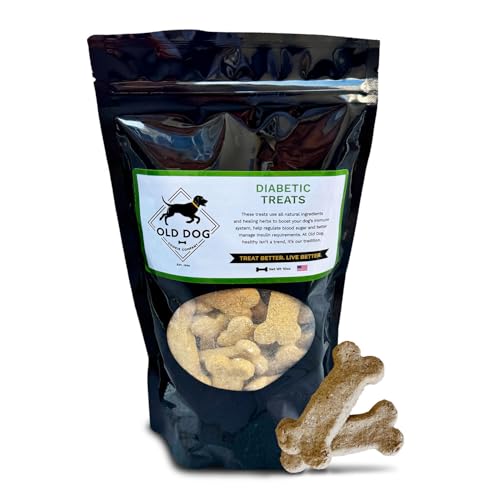
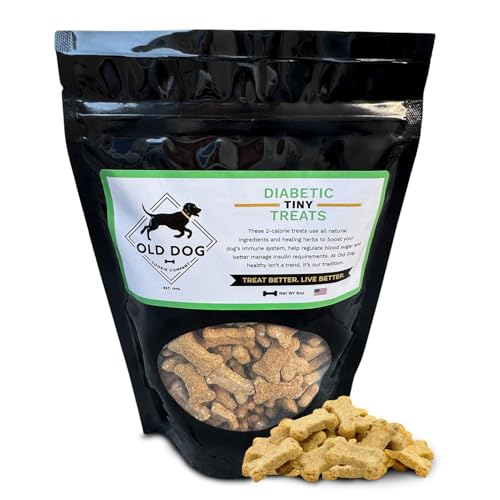
Navigating the vast market of commercial dog treats for a diabetic pet requires careful discernment and a thorough understanding of what constitutes a safe choice. While specific brand recommendations can vary based on regional availability and product changes, the principles of selection remain constant.
* Read Labels Meticulously: This cannot be overstressed. Claims like “diabetic-friendly,” “low-glycemic,” or “sugar-free” are excellent starting points, but they are marketing terms that require verification. Always flip the package over and examine the full ingredient list and the guaranteed analysis. For diabetic dogs, you’ll want to pay close attention to the carbohydrate content, which is often not directly listed but can be estimated. Calculate the “Nitrogen-Free Extract” (NFE) by subtracting the percentages of crude protein, crude fat, crude fiber, moisture, and ash from 100%. A lower NFE indicates a lower carbohydrate content. Ensure that sugars and high-glycemic fillers are entirely absent from the ingredient list. Look for treats specifically formulated by veterinary nutritionists for diabetic dogs, as these often undergo more rigorous testing to ensure blood sugar stability.
* Seek Limited Ingredient Treats: Treats with a simplified ingredient list are often the safest bet for diabetic dogs. Fewer ingredients mean less chance of hidden sugars, problematic fillers, or potential allergens. When you see a treat with only two or three core ingredients, it’s easier to verify their suitability. This approach minimizes the complexity of the dietary intake, making it easier to pinpoint if a particular treat is causing issues or to confirm its safety. Limited ingredient treats are often less processed, aligning with the preference for whole, natural foods.
* Consider Single-Ingredient Options: Single-ingredient treats are arguably the gold standard for diabetic dogs due to their unparalleled transparency and purity. These treats contain only one item, eliminating any concerns about hidden sugars, artificial additives, or high-glycemic fillers. Excellent examples include:
* Dehydrated Meats: Plain dehydrated chicken breast (no seasoning), beef liver, or salmon skins are highly palatable and protein-rich. Ensure they are slow-dried without any added sugars, salts, or preservatives.
* Certain Raw or Steamed Vegetables: Small pieces of green beans, broccoli florets, carrots, or cucumber can serve as refreshing, low-calorie, and fiber-rich treats. Always introduce new vegetables slowly to observe for any digestive upset. Frozen versions of these vegetables can also provide a crunchy, long-lasting chew that dogs often enjoy, especially in warmer weather.
* Plain Air-Popped Popcorn (no butter/salt): A very occasional, small piece can be a surprising, low-calorie option, but ensure it’s completely plain.
These options offer peace of mind that you are not inadvertently introducing anything detrimental to your dog’s diabetic management.
Homemade Diabetic Dog Treat Ideas
Making treats at home offers unparalleled advantages for owners of diabetic dogs, providing complete control over ingredients and preparation. This approach ensures treats perfectly align with your dog’s specific dietary needs and restrictions.
* Control Over Ingredients: The primary benefit of homemade treats is the absolute control you gain over every single component. This eliminates the guesswork associated with reading commercial labels, where hidden sugars, undesirable fillers, or artificial additives might be present. For diabetic dogs, this level of precision is invaluable. You can select only the freshest, highest-quality, and most appropriate ingredients, ensuring no unwanted carbohydrates or additives interfere with blood glucose management. Furthermore, if your dog has other health concerns, such as allergies or sensitivities, you can tailor recipes to avoid specific triggers, providing a truly personalized and safe treat option. This bespoke approach empowers owners to confidently provide rewards without jeopardizing their pet’s health.
* Simple & Healthy Recipes: Many excellent homemade diabetic dog treats require minimal effort and few ingredients. The key is simplicity and plain preparation.
* Baked Chicken or Beef Liver Bits: Liver is highly palatable and nutrient-dense. Slice lean chicken or beef liver into small, treat-sized pieces. Bake them on a parchment-lined tray at a low temperature (e.g., 250-300°F or 120-150°C) until thoroughly dried and firm, similar to jerky. Ensure no seasonings are added. These are protein-rich and low in carbohydrates.
* Plain Pumpkin Puree Chews: Use 100% pure pumpkin puree (not pumpkin pie filling, which contains sugar). Spread a thin layer of puree onto a baking sheet lined with parchment paper. Bake at a very low temperature until dry and chewy or brittle. Break into small pieces. Pumpkin is high in fiber and can aid digestion.
* Steamed Green Beans or Broccoli: Small pieces of steamed green beans or broccoli florets are excellent low-calorie, high-fiber, and refreshing treats. You can also freeze these for a cooling summer snack.
* Boiled Chicken Breast Shreds: Simply boil plain, boneless, skinless chicken breast until cooked through. Shred it into small, manageable pieces. This provides a lean protein boost without any added carbs or fats.
* Cucumber Slices: Thin slices of cucumber offer a hydrating, crunchy, and virtually calorie-free treat.
* Frozen Pureed Veggie Cubes: Blend diabetic-friendly vegetables like green beans, spinach, or kale with a little water, then freeze the mixture in ice cube trays for convenient, cooling treats.
* Vet Consultation is Key: While homemade treats offer significant advantages, it is absolutely paramount to discuss any homemade treat recipes or new ingredients with your veterinarian or a veterinary nutritionist. Your vet understands your dog’s specific health profile, current insulin dosage, and overall dietary needs. They can confirm the suitability of ingredients, advise on appropriate portion sizes, and help you ensure that treats contribute positively to your dog’s diabetes management without unbalancing their core diet or insulin requirements. This professional guidance is crucial for maintaining your dog’s health and well-being.
Serving Treats Safely & Monitoring
The effective management of canine diabetes extends beyond just selecting appropriate treats; it encompasses how those treats are served and the diligent monitoring of their impact. A thoughtful approach to treat-giving is essential for maintaining stable blood glucose levels and overall health.
* Moderation is Essential: Even the most diabetic-friendly treats must be given in strict moderation. Treats, by definition, are supplemental and should never replace a portion of your dog’s balanced, vet-prescribed diet. A common guideline for treats, even for healthy dogs, is that they should constitute no more than 10% of their daily caloric intake. For diabetic dogs, this percentage might need to be even lower or adjusted based on their specific caloric needs and weight management goals. Overfeeding treats, regardless of how healthy they seem, can contribute to excess calorie consumption, weight gain (which can worsen insulin resistance), and disrupt the careful balance of their main meals and insulin timing. Always factor the calories from treats into your dog’s total daily allowance and distribute them strategically throughout the day to avoid blood sugar fluctuations.
* Monitor Blood Glucose: The ultimate test of any new treat’s suitability is its effect on your dog’s blood glucose levels. When introducing a new type of treat, it’s crucial to closely monitor your dog’s blood sugar using a home glucometer or through regular veterinary checks. Observe how their glucose levels respond in the hours following the treat. Does it cause an unexpected rise or fall? Does it alter the effectiveness of their insulin? Maintain a detailed log of treats given, their quantity, and corresponding blood glucose readings. This data is invaluable for understanding your dog’s individual metabolic response and for making informed decisions about which treats are truly safe and beneficial. Any significant or consistent deviation in blood glucose should prompt immediate consultation with your veterinarian.
* Regular Vet Check-ups: Consistent communication and follow-up with your veterinarian are the cornerstones of effective diabetes management. Your vet is your most important partner in navigating your dog’s diabetic journey. During regular check-ups, discuss the types and quantities of treats you are giving. Share your blood glucose monitoring logs, observations, and any concerns you may have. Your veterinarian can provide expert advice on dietary adjustments, insulin dosage modifications, and strategies for incorporating treats safely. They can also perform necessary blood tests and assessments to ensure that your dog’s overall health, including kidney function, liver values, and weight, remains optimal while managing their diabetes. This collaborative approach ensures that your beloved companion receives the comprehensive care needed to thrive despite their condition.
Choosing the right treats is a vital part of managing your diabetic dog’s health, focusing on low-sugar, high-fiber, and natural ingredients. Always prioritize treats that support stable blood glucose and complement their prescribed diet. Consult your veterinarian before introducing any new treats or making significant dietary changes, and consistently monitor your dog’s response to ensure their well-being. By making informed choices, you can safely indulge your beloved companion while effectively managing their diabetes.
Frequently Asked Questions
What are the key nutritional considerations when choosing treats for a diabetic dog?
When selecting treats for a diabetic dog, prioritize those that are low in sugar, carbohydrates, and fat, as these factors directly impact blood glucose levels and insulin sensitivity. Opt for high-fiber, high-protein options with a low glycemic index, which can help stabilize blood sugar and provide sustained energy without spikes. Always read ingredient labels carefully to avoid hidden sugars, artificial sweeteners, or unhealthy fillers that could disrupt their diabetes management.
How can I identify truly “diabetic-friendly” commercial dog treats amidst so many options?
To find the best diabetic dog treats commercially, look for products specifically labeled “for diabetic dogs,” “low glycemic,” or “limited ingredient” with a clear nutritional analysis. Scrutinize the ingredient list for whole, natural components, ensuring sugars (like corn syrup, molasses, honey), excessive starches (corn, wheat, potato), and unhealthy fats are absent or very low. Prioritize treats rich in lean protein and fiber, like those made with real meat or vegetables, and consider consulting your veterinarian for recommended brands.
Why is monitoring carbohydrate and sugar content so critical in treats for dogs with diabetes?
Monitoring carbohydrate and sugar content is paramount because these ingredients directly influence a diabetic dog’s blood glucose levels. High-sugar or high-carb treats can cause rapid spikes in blood sugar, making insulin regulation challenging and potentially leading to serious health complications. Consistent control over these elements through appropriate diabetic dog treats helps maintain stable blood sugar, which is vital for their long-term health, energy levels, and overall well-being.
Which common human foods can be safely given as occasional, low-glycemic treats to diabetic dogs?
Several common human foods make excellent, safe, and low-glycemic treats for diabetic dogs when given in moderation. Excellent choices include plain cooked lean meats like chicken or turkey (without skin, bones, or seasoning), crunchy green beans, cucumber slices, baby carrots, and small broccoli florets. Small amounts of plain, canned pumpkin (not pie filling) or unsweetened applesauce can also be beneficial due to their fiber content. Always ensure these foods are free from any added salts, sugars, or harmful ingredients like onions or garlic.
Are there simple recipes for homemade diabetic dog treats to ensure control over ingredients?
Yes, making homemade treats offers complete control over ingredients, which is ideal for diabetic dogs and a great way to provide safe options. Simple ideas include baking thin slices of lean chicken or turkey breast until crispy for a crunchy, protein-rich snack, or dehydrating liver for bite-sized chews. You can also mix pureed canned pumpkin (unsweetened) with a touch of oat flour and an egg to bake small, low-calorie cookies. Freezing tiny portions of plain, unsweetened Greek yogurt or blending dog-safe vegetables like spinach with water into ice cubes also creates refreshing, healthy diabetic dog treats.
References
- https://www.vet.cornell.edu/departments-centers-and-institutes/cornell-university-hospital-animals/pets/dogs/canine-diabetes-mellitus
- https://health.ucdavis.edu/vth/smallanimal/internalmedicine/news/DiabetesMellitusinDogs.pdf
- https://hospital.vetmed.wsu.edu/wp-content/uploads/sites/4/2014/12/DM-Canine-Client-Handout.pdf
- Veterinary Partner – VIN
- https://www.akc.org/expert-advice/health/diabetic-dog-diet-treats/
- https://www.vetmed.wisc.edu/pet-health-information/client-handouts-pdfs/diabetes-in-dogs/
- https://vcahospitals.com/know-your-pet/diabetes-mellitus-in-dogs-nutritional-management
- https://vet.osu.edu/vmc/companion/our-services/nutrition-support-service/nutrition-articles/feeding-dogs-diabetes