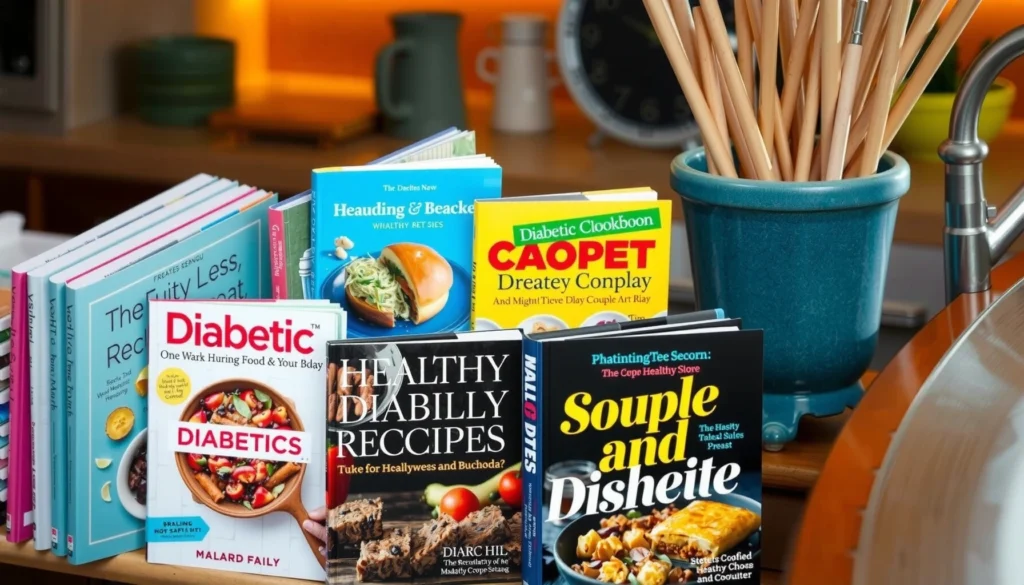

Discovering the best diabetic cookbooks is a game-changer for managing your health without sacrificing flavor or enjoyment. These resources provide essential guidance, delicious recipes, and crucial nutritional information, making healthy eating for diabetes easier and more exciting. We’ve curated a list of top-rated cookbooks that stand out for their clarity, variety, and effectiveness, ensuring you can find the perfect culinary companion for your journey.



Why a Dedicated Diabetic Cookbook is Essential
Living with diabetes necessitates a mindful approach to diet, and while general healthy eating principles are helpful, a dedicated diabetic cookbook offers a specialized advantage. These culinary guides go beyond basic health advice, providing targeted strategies that directly support blood sugar management and overall well-being.
* Blood Sugar Management: At the core of diabetes care is maintaining stable blood glucose levels. Recipes in dedicated diabetic cookbooks are meticulously crafted to achieve this by carefully controlling key macronutrients. They provide precise carbohydrate counts, which are critical for individuals managing their blood sugar through insulin or oral medications. Furthermore, these recipes often emphasize complex carbohydrates over simple sugars, incorporate healthy fats, and prioritize lean proteins and fiber-rich ingredients, all of which contribute to a slower, more controlled release of glucose into the bloodstream. This precision helps prevent spikes and crashes, leading to greater stability and reducing the risk of long-term complications. Understanding portion control, a key element often highlighted in these cookbooks, further empowers individuals to regulate their intake effectively.
* Nutritional Guidance: One of the most significant benefits of a specialized diabetic cookbook is its comprehensive nutritional breakdown for each dish. Unlike standard cookbooks, these resources typically include detailed information on calories, total carbohydrates, net carbs, fat (total, saturated, unsaturated), protein, fiber, and often sodium. This level of detail empowers individuals to make informed food choices, allowing them to track their intake, align meals with specific dietary recommendations from their healthcare provider, and better understand the impact of different foods on their body. This guidance is invaluable for meal planning, especially for those who need to count carbohydrates for insulin dosing or adhere to specific daily macro targets. It transforms cooking from guesswork into an educated, health-conscious practice.
* Variety and Inspiration: A common challenge for individuals managing diabetes is meal fatigue—the feeling of being limited to a repetitive and unexciting menu. Dedicated diabetic cookbooks are designed to combat this by offering a vast array of diverse and delicious options. They help break out of meal ruts by introducing new ingredients, flavors, and cooking techniques that are still perfectly aligned with diabetic dietary requirements. From international cuisines to modern twists on comfort foods, these cookbooks demonstrate that healthy eating for diabetes doesn’t have to mean sacrificing enjoyment. They inspire culinary creativity, making the journey of managing diabetes through diet not just sustainable, but genuinely pleasurable, fostering a positive relationship with food.
What to Look for in a Great Diabetic Cookbook
Selecting the right diabetic cookbook can significantly impact your success and enjoyment in managing your condition. Not all cookbooks are created equal, and discerning certain features can help you find a resource that truly supports your health goals and culinary aspirations.
* Comprehensive Nutritional Information: This is perhaps the most crucial feature for any diabetic cookbook. Each recipe should include clear, accurate, and detailed nutritional breakdowns. This means not just calories and total carbohydrates, but also fiber (allowing for net carb calculation), protein, total fat, saturated fat, and sodium. Some excellent cookbooks will also include potassium and cholesterol information. This level of detail is indispensable for effective diabetes management, enabling users to accurately track their intake, adjust insulin doses if necessary, and ensure their meals align with personal dietary goals set by their healthcare team. The information should be easy to locate and understand, ideally presented in a consistent format alongside each recipe.
* Diverse and Appetizing Recipes: A great diabetic cookbook should offer a wide variety of recipes that appeal to different tastes, dietary preferences, and meal occasions. Look for a range of dishes covering breakfasts, lunches, dinners, snacks, and even healthy desserts. The recipes should incorporate various cuisines to keep things interesting and prevent monotony. Appetizing photography can also be a significant motivator, making the dishes look appealing and inspiring you to try new things. Beyond just variety, the recipes should genuinely sound delicious and satisfying, demonstrating that diabetic-friendly eating can be gourmet and enjoyable, not restrictive or bland. Consider if the cookbook caters to different skill levels, offering both simple, quick meals and more elaborate options.
* Practicality and Accessibility: A cookbook, no matter how nutritionally sound, is only valuable if its recipes are practical and accessible for everyday use. This means the recipes should primarily use readily available ingredients that can be found at most local supermarkets, avoiding obscure or expensive specialty items. Furthermore, the instructions should be clear, concise, and easy to follow, suitable for both novice cooks and experienced chefs. Look for features like estimated preparation and cooking times, suggestions for ingredient substitutions, and tips for meal prepping or making dishes ahead of time. Cookbooks that simplify the cooking process, perhaps by focusing on one-pan meals, slow-cooker recipes, or dishes with minimal steps, greatly enhance adherence and make healthy eating more sustainable in a busy lifestyle.
Our Top Picks for General Diabetic Cooking
For those seeking foundational, reliable, and widely applicable resources for managing diabetes through diet, certain cookbooks have consistently risen to the top. These selections offer a robust combination of educational content, diverse recipes, and practical advice, making them excellent starting points for anyone looking to master diabetic-friendly cooking.
* The American Diabetes Association’s Complete Guide to Diabetes: Often considered the definitive resource in diabetic nutrition, this guide is much more than just a cookbook; it’s an extensive manual for living well with diabetes. Authled by the leading authority on diabetes research and care, it provides evidence-based information on nutrition, meal planning, carbohydrate counting, physical activity, and medication. The recipe section is meticulously curated, offering a wide array of reliable, tested dishes that adhere to the ADA’s dietary recommendations. Each recipe comes with precise nutritional breakdowns, making it easy for users to track their intake. Its strength lies in its comprehensive approach, blending educational content with practical, delicious recipes, making it an indispensable tool for both newly diagnosed individuals and seasoned veterans seeking to deepen their understanding and expand their culinary repertoire with confidence.
* Diabetic Living Magazine’s cookbooks: Known for their vibrant aesthetic and approachable recipes, the cookbooks from *Diabetic Living Magazine* are a fantastic choice for those who want their healthy eating journey to be both informative and visually inspiring. These cookbooks consistently deliver beautiful photography that makes the dishes look appealing and achievable. They excel at transforming everyday ingredients into exciting, diabetes-friendly meals without compromising on flavor. The recipes often feature seasonal ingredients, offer clever swaps to reduce carbs and unhealthy fats, and provide practical tips for meal planning and healthy living. Their emphasis on diverse, family-friendly recipes, often with complete meal plans, makes them particularly appealing for those looking to integrate diabetic cooking seamlessly into their household routines. These cookbooks make healthy eating feel like a celebration rather than a restriction.
* The Diabetes Cookbook for Dummies: True to the “For Dummies” series ethos, this cookbook is an excellent resource for beginners, or anyone who appreciates straightforward, no-fuss guidance. It strips away complexity, offering simple, easy-to-understand explanations of diabetes and its dietary management principles. The recipes are designed to be accessible, using common ingredients and featuring clear, step-by-step instructions that even a novice cook can follow with confidence. It focuses on fundamental cooking techniques and provides a solid foundation for understanding carbohydrate counting and portion control without overwhelming the user with overly scientific jargon. For individuals who are new to managing diabetes through diet or who feel intimidated by cooking, “The Diabetes Cookbook for Dummies” provides a comforting, empowering pathway to creating delicious, healthy meals effortlessly.
Best Cookbooks for Specific Dietary Needs & Preferences
While general diabetic cookbooks offer broad guidance, many individuals have specific dietary needs, health goals, or culinary preferences that can be better met by more specialized resources. Addressing these niche requirements can lead to more effective management and greater satisfaction with one’s diet.
* Low-Carb & Keto-Friendly Diabetic Cookbooks: For individuals aiming to significantly reduce their carbohydrate intake to manage blood sugar, promote weight loss, or improve insulin sensitivity, low-carb and ketogenic diabetic cookbooks are invaluable. These resources focus on recipes that minimize net carbohydrates, often emphasizing healthy fats, lean proteins, and non-starchy vegetables. They provide creative solutions for classic dishes, adapting them to fit a very low-carb framework without sacrificing flavor or texture. Look for cookbooks that clearly differentiate between total and net carbs, offer a variety of protein sources (e.g., poultry, fish, eggs, some dairy, nuts), and provide guidance on incorporating healthy fats like avocado, olive oil, and coconut oil. These cookbooks are particularly beneficial for those following a physician-supervised low-carb or keto diet as a strategy for diabetes reversal or advanced management.
* Plant-Based & Vegetarian Diabetic Cookbooks: A growing body of research supports the benefits of plant-based diets for diabetes management, including improved insulin sensitivity, reduced risk of cardiovascular disease, and healthy weight maintenance. Plant-based and vegetarian diabetic cookbooks offer a wealth of creative, flavorful meals centered around vegetables, legumes, whole grains, fruits, nuts, and seeds. These cookbooks excel at providing strategies for incorporating high-fiber foods, which are crucial for blood sugar control, and identifying plant-based protein sources to ensure adequate nutrient intake. They move beyond simple salads, offering sophisticated dishes from various global cuisines that are rich in vitamins, minerals, and antioxidants. For those seeking to reduce their consumption of animal products while managing diabetes, these specialized cookbooks demonstrate how vibrant, diverse, and satisfying a plant-focused diet can be.
* Quick & Easy Diabetic Meal Prep Cookbooks: In today’s fast-paced world, time constraints are a significant barrier to healthy eating. Quick and easy diabetic meal prep cookbooks are designed for busy individuals who need efficient solutions without compromising on nutritional integrity. These cookbooks focus on recipes that can be prepared in advance, cooked quickly (often in 30 minutes or less), or are suitable for batch cooking and freezing. They frequently include strategies for “mise en place” (pre-prepping ingredients), one-pan or one-pot meals, and slow-cooker or instant pot recipes that minimize active cooking time. For example, recipes might focus on building versatile base components (like grilled chicken or roasted vegetables) that can be used in multiple meals throughout the week. These resources help to eliminate the stress of daily meal decisions, reduce reliance on unhealthy takeout, and ensure consistent adherence to a diabetic-friendly diet, even on the busiest of schedules.
Maximizing Your Diabetic Cookbook Experience
Possessing a great diabetic cookbook is just the first step; truly leveraging its potential requires a strategic approach to integrate it into your daily routine. By thoughtfully engaging with your chosen culinary guide, you can transform your cooking habits and achieve sustained health benefits.
* Start with Your Favorites: When you first acquire a new diabetic cookbook, resist the urge to overhaul your entire diet immediately. Instead, begin by selecting a few recipes that sound most appealing to you, perhaps dishes that use ingredients you already enjoy or cooking methods you’re familiar with. Starting with “wins” builds confidence and makes the transition to new eating habits feel less daunting and more enjoyable. Successfully preparing and savoring a new, healthy dish creates positive reinforcement, encouraging you to explore more of the cookbook’s offerings. This gradual approach allows you to ease into new flavors and techniques without feeling overwhelmed, fostering a sustainable change in your cooking routine.
* Adapt and Experiment: While diabetic cookbooks provide excellent foundational recipes, don’t be afraid to personalize them to suit your taste preferences and available ingredients. Once you understand the core principles of diabetic-friendly cooking—such as managing carbohydrates, choosing lean proteins, and incorporating healthy fats—you can confidently make mindful adjustments. For instance, you might swap out certain non-starchy vegetables for others you prefer, adjust spice levels, or experiment with different herbs to enhance flavor. Always keep the nutritional impact in mind; if you’re substituting a key ingredient, consider its carbohydrate, fat, and protein profile. This process of adaptation and experimentation not only makes cooking more engaging but also helps you develop a deeper understanding of food and nutrition, empowering you to create delicious meals that are perfectly tailored to your individual needs and palate.
* Integrate Meal Planning: One of the most effective ways to maximize your diabetic cookbook experience is to integrate its recipes into a consistent meal planning strategy. Dedicate time each week to plan your meals, incorporating dishes from your cookbook that align with your dietary goals and schedule. This might involve selecting a few breakfast, lunch, and dinner recipes for the week, creating a grocery list based on those selections, and even doing some pre-preparation (like chopping vegetables or cooking grains) on a designated prep day. Meal planning reduces daily stress, prevents impulsive unhealthy food choices, ensures variety in your diet, and helps you stay within your nutritional targets. Using your cookbook as a central tool for this planning process will ensure that every meal contributes positively to your diabetes management, making healthy eating a seamless and enjoyable part of your lifestyle.
Choosing the right diabetic cookbook can transform your approach to managing your condition, making healthy eating enjoyable, sustainable, and truly delicious. By selecting a resource that aligns with your preferences and needs, you’re investing in your health and well-being. Pick one of our top recommendations today, roll up your sleeves, and start discovering the wonderful world of diabetic-friendly cuisine!
Frequently Asked Questions
What features should I look for to identify the best diabetic cookbooks?
When searching for the best diabetic cookbooks, prioritize those with clear nutritional information, including carbohydrate counts, fiber, and sugar content per serving. Look for recipes that emphasize whole foods, lean proteins, healthy fats, and non-starchy vegetables, designed to help manage blood sugar levels effectively. Cookbooks endorsed by reputable health organizations like the American Diabetes Association often offer reliable, evidence-based guidance.
How can a specialized diabetic cookbook help me manage my blood sugar more effectively?
A specialized diabetic cookbook provides recipes carefully crafted to minimize blood sugar spikes by balancing macronutrients, controlling portion sizes, and often using ingredients with a lower glycemic index. These cookbooks frequently include practical advice on carb counting, meal planning, and understanding food labels, empowering users to make informed dietary choices. Consistent use helps maintain stable glucose levels, contributing to better long-term diabetes management.
Are there diabetic cookbooks available that cater to specific dietary preferences like low-carb or vegetarian?
Absolutely, the market for diabetic cookbooks has expanded to include a wide range of dietary preferences. You can find excellent options specifically tailored for low-carb, keto-friendly, plant-based, or even gluten-free diets, all while keeping diabetes management in mind. When selecting, check the introduction or table of contents to ensure the cookbook aligns with your personal eating style and health goals for managing your diabetes.
Which diabetic cookbooks are recommended for beginners who need simple, easy-to-follow recipes?
For beginners new to managing their diet, cookbooks from organizations like the American Diabetes Association (ADA) or those titled “Diabetic Cookbook for Dummies” often provide excellent starting points. These books typically feature foundational recipes with common ingredients, clear instructions, and helpful tips on meal planning, making it easier to integrate healthy eating habits without feeling overwhelmed. Look for options that also offer meal prep guidance and grocery lists.
What are the benefits of investing in a specialized diabetic cookbook compared to general healthy eating guides?
Investing in a specialized diabetic cookbook offers precise benefits beyond general healthy eating guides, primarily due to its dedicated focus on blood sugar regulation. These cookbooks often provide exact carbohydrate counts, portion recommendations tailored for diabetes, and recipes specifically formulated to prevent glucose spikes. They offer targeted support for daily meal planning and food choices, directly aiding in the proactive management of type 1 or type 2 diabetes.
References
- Diabetes diet: Create your healthy-eating plan – Mayo Clinic
- https://www.cdc.gov/diabetes/managing/eat-healthy.html
- https://diabetes.org/food-nutrition/recipes-and-meal-planning/recipes
- https://www.mayoclinic.org/healthy-lifestyle/recipes/healthy-recipes-for-diabetes/lst-20463445
- https://www.aces.edu/blog/topics/food-nutrition/diabetic-meal-planning/
- Programs
- https://www.hopkinsmedicine.org/health/conditions-and-diseases/diabetes/eating-well-with-diabetes
- Diabetes Patient Education Materials – Nutrition and Food Services