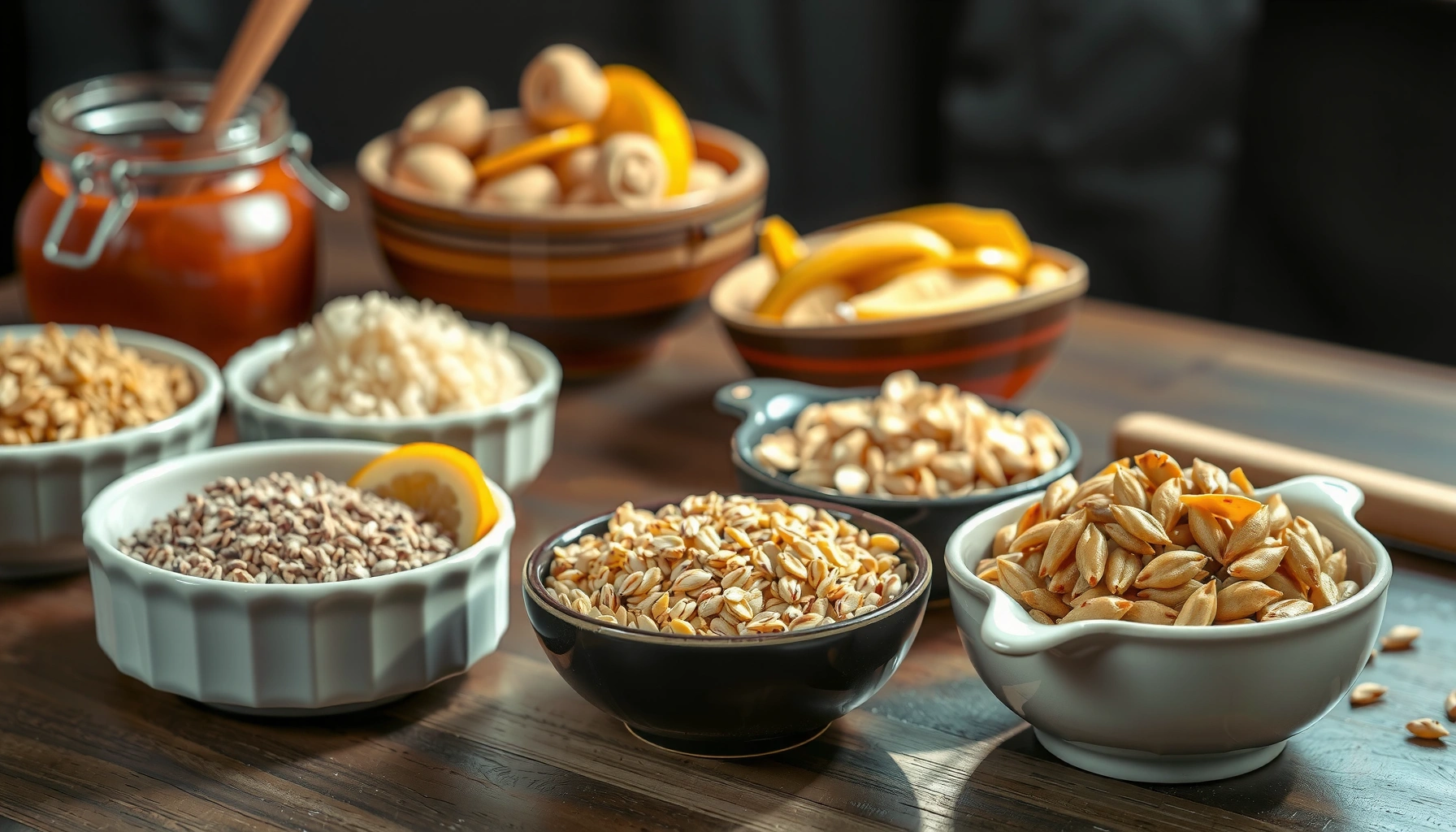

When managing diabetes, there isn’t a single “best” food, but rather a pattern of eating that prioritizes nutrient-dense, whole foods to stabilize blood sugar and support overall health. The core strategy involves focusing on high-fiber carbohydrates, lean proteins, and healthy fats, while limiting processed foods and added sugars. This guide will walk you through the key food choices that form the foundation of a healthy diabetic diet, empowering you to make informed decisions that contribute to stable glucose levels and long-term well-being.




Understanding Core Diabetic Nutrition Principles
Effective diabetes management hinges on a foundational understanding of nutrition. It’s not just about what you eat, but how you balance and time your meals to create a consistent, supportive environment for your body’s metabolic processes.
* Focus on a balanced intake of macronutrients (carbohydrates, proteins, fats) at each meal. A truly balanced meal ensures that carbohydrates, which are the primary source of glucose, are consumed alongside proteins and healthy fats. This strategic combination helps to slow down the digestion and absorption of sugars, preventing rapid spikes in blood glucose. For instance, pairing a complex carbohydrate like quinoa with grilled chicken and a serving of avocado provides a robust macronutrient profile that promotes sustained energy release rather than immediate glucose surges. This balance also contributes to prolonged satiety, reducing the likelihood of overeating or snacking on less healthy options between meals.
* Emphasize portion control to manage caloric intake and carbohydrate load effectively. Portion control is arguably one of the most critical aspects of diabetic nutrition. Even healthy foods can impact blood sugar if consumed in excess. For individuals with diabetes, understanding appropriate serving sizes for carbohydrates is paramount, as the total carbohydrate content of a meal directly influences blood glucose levels. Using tools like a food scale, measuring cups, or even visual cues (e.g., a serving of protein the size of a deck of cards) can be invaluable. This careful management not only aids in blood sugar stability but also supports healthy weight management, which is a significant factor in insulin sensitivity and overall diabetes control.
* Aim for regular meal times to prevent drastic blood sugar fluctuations throughout the day. Consistency in meal timing helps regulate the body’s natural insulin response and glucose metabolism. Skipping meals or eating at highly irregular intervals can lead to significant blood sugar dips (hypoglycemia) followed by compensatory spikes (hyperglycemia). Establishing a consistent eating schedule, perhaps three main meals and one or two planned snacks, can train your body to anticipate nutrient intake, leading to more predictable blood sugar patterns and improved insulin efficiency. This regularity provides a steady supply of energy, preventing both extreme hunger and the subsequent temptation for unhealthy, quick-fix foods.
Smart Carbohydrate Choices
Carbohydrates are not inherently bad for diabetics; the key lies in selecting the right types and managing portions effectively. Smart choices can provide essential energy without derailing blood sugar goals.
* Prioritize complex carbohydrates from whole grains (oats, brown rice, quinoa), legumes (beans, lentils), and non-starchy vegetables. Complex carbohydrates are rich in fiber, which significantly slows down the digestion and absorption of glucose into the bloodstream. Unlike their refined counterparts, these foods provide a steady, sustained release of energy, preventing the sharp blood sugar spikes often associated with simple sugars. Examples include whole oats for breakfast, brown rice or quinoa as a side dish, and a variety of non-starchy vegetables like broccoli, spinach, bell peppers, and green beans, which can be consumed in larger quantities due to their low calorie and carbohydrate density. Legumes such as black beans, lentils, and chickpeas are also excellent sources, offering both complex carbohydrates and plant-based protein.
* Understand the Glycemic Index (GI) and Glycemic Load (GL) to choose carbohydrates that cause slower, more stable rises in blood sugar. The Glycemic Index ranks carbohydrates based on how quickly they raise blood sugar levels after consumption, with high GI foods causing rapid spikes and low GI foods leading to gradual increases. The Glycemic Load further refines this by considering both the GI and the actual amount of carbohydrates in a typical serving. Focusing on low GI and GL foods, such as most non-starchy vegetables, berries, and whole grains like steel-cut oats, can be a powerful strategy for maintaining blood sugar stability. This understanding empowers individuals to make more informed choices, opting for a small apple over a slice of white bread, for example, even if both contain carbohydrates.
* Avoid refined carbohydrates, sugary drinks, and highly processed snacks that lead to rapid blood sugar spikes. Refined carbohydrates, such as white bread, white pasta, pastries, and many breakfast cereals, have had their fiber and many nutrients stripped away during processing. This makes them digest quickly, leading to rapid and often dramatic increases in blood glucose. Similarly, sugary beverages like soda, fruit juices (even 100% natural due to concentrated fruit sugars), and sweetened teas deliver a fast dose of sugar directly into the bloodstream, making them particularly detrimental for blood sugar control. Highly processed snacks often combine refined carbohydrates, unhealthy fats, and added sugars, creating a triple threat to diabetic health and overall metabolic well-being.
Lean Proteins for Blood Sugar Management
Protein plays a critical role in a diabetic diet, not only for building and repairing tissues but also for its profound impact on satiety and blood sugar regulation.
* Include lean protein sources in every meal to promote satiety and help slow the absorption of glucose. Protein is highly satiating, meaning it helps you feel fuller for longer periods compared to carbohydrates or fats. This can significantly reduce overall calorie intake and prevent overeating. More importantly for diabetes management, protein slows down the digestion and absorption of carbohydrates, leading to a more gradual rise in blood sugar rather than a sharp peak. By pairing protein with carbohydrates, you can effectively mitigate the glycemic impact of your meals. Aim for a substantial protein serving at each main meal and even for snacks.
* Excellent choices include poultry (chicken, turkey), fish (especially fatty fish like salmon), eggs, tofu, nuts, and seeds. Lean poultry, such as skinless chicken breast or turkey, provides high-quality protein with minimal saturated fat. Fish, particularly fatty fish like salmon, mackerel, and sardines, offers the added benefit of omega-3 fatty acids, which are beneficial for heart health and reducing inflammation—both crucial for diabetics. Eggs are a versatile and complete protein source, while plant-based options like tofu, tempeh, edamame, and various beans and lentils offer excellent protein along with fiber. Nuts and seeds (e.g., almonds, walnuts, chia seeds, flax seeds) also contribute protein, healthy fats, and fiber.
* Protein helps maintain muscle mass, which is important for metabolic health. Muscle tissue is metabolically active and plays a significant role in glucose uptake from the bloodstream. Maintaining or increasing muscle mass through adequate protein intake and regular physical activity can improve insulin sensitivity, meaning your body cells respond more effectively to insulin. This enhanced insulin sensitivity is a cornerstone of effective diabetes management, as it helps keep blood sugar levels stable and reduces the burden on the pancreas.
Healthy Fats: Essential for Well-being
While fats are calorie-dense, healthy fats are indispensable for a diabetic diet, offering heart protection, improved satiety, and essential nutrients.
* Incorporate monounsaturated and polyunsaturated fats, which are beneficial for heart health and can help manage satiety. These “good” fats play a crucial role in lowering LDL (bad) cholesterol and increasing HDL (good) cholesterol, thereby reducing the risk of heart disease, a common complication for individuals with diabetes. Beyond cardiovascular benefits, healthy fats also contribute to meal satisfaction, helping to slow down digestion and prolong feelings of fullness, which can prevent overeating and stabilize blood sugar. They also aid in the absorption of fat-soluble vitamins (A, D, E, K).
* Good sources include avocados, olive oil, nuts (almonds, walnuts), seeds (chia, flax), and fatty fish. Avocados are rich in monounsaturated fats and fiber. Extra virgin olive oil is a cornerstone of the Mediterranean diet, known for its heart-protective properties. A variety of nuts like almonds, walnuts, pecans, and pistachios, as well as seeds such as chia, flax, pumpkin, and sunflower seeds, offer a combination of healthy fats, fiber, and protein. As mentioned, fatty fish like salmon and tuna provide essential omega-3 polyunsaturated fatty acids.
* Consume healthy fats in moderation, as they are calorie-dense. Despite their health benefits, fats are the most calorie-dense macronutrient, providing 9 calories per gram compared to 4 calories per gram for carbohydrates and proteins. Therefore, even healthy fats should be consumed in controlled portions to manage overall caloric intake and prevent weight gain, which can negatively impact insulin sensitivity. For example, a small handful of nuts, a tablespoon of olive oil, or a quarter of an avocado can provide significant nutritional benefits without contributing excessive calories.
The Power of Fiber-Rich Foods
Fiber is a cornerstone of a healthy diabetic diet, offering a multitude of benefits that directly impact blood sugar control and overall digestive health.
* Fiber is crucial for diabetics as it slows sugar absorption, aids digestion, and can help lower cholesterol. Dietary fiber, particularly soluble fiber, forms a gel-like substance in the digestive tract that significantly slows down the absorption of glucose into the bloodstream. This leads to a more gradual and controlled rise in blood sugar after meals, reducing the need for large insulin surges. Beyond blood sugar control, fiber promotes healthy digestion, preventing constipation and supporting a healthy gut microbiome. Soluble fiber also binds to cholesterol particles in the digestive tract, facilitating their excretion and thereby helping to lower LDL cholesterol levels, further benefiting cardiovascular health.
* Load up on fruits (berries, apples, pears), vegetables (broccoli, spinach, carrots), whole grains, and legumes. Incorporating a wide variety of high-fiber foods is key. Fruits like berries (raspberries, blueberries, strawberries), apples, and pears are excellent choices due to their natural fiber content and antioxidants, though portion control for fruits is still important due to their natural sugar content. Non-starchy vegetables such as broccoli, cauliflower, spinach, kale, asparagus, and carrots can be consumed generously. Whole grains like oats, barley, quinoa, and whole wheat bread (in moderation) are far superior to their refined counterparts. Legumes, including kidney beans, black beans, chickpeas, and lentils, are powerhouses of both fiber and plant-based protein.
* Ensure adequate water intake when increasing fiber to prevent digestive discomfort. While increasing fiber intake is highly beneficial, it’s essential to also increase your water consumption. Fiber absorbs water to form its bulk, and without sufficient fluid, it can lead to digestive issues such as constipation, bloating, and gas. Drinking plenty of water helps fiber move smoothly through the digestive system, maximizing its benefits and preventing discomfort. Aim for at least 8 glasses of water daily, and even more when significantly boosting fiber intake.
Hydration and Diabetic-Friendly Beverages
Proper hydration is fundamental to overall health, and for diabetics, the choice of beverage has a direct and significant impact on blood sugar levels.
* Water is the best beverage choice; it helps maintain hydration without affecting blood sugar levels. Water is calorie-free, carbohydrate-free, and has no impact on blood glucose. It is essential for numerous bodily functions, including regulating body temperature, lubricating joints, transporting nutrients, and flushing out waste products. Adequate hydration is especially important for individuals with diabetes, as high blood sugar can lead to increased urination and a higher risk of dehydration. Making water your primary beverage choice is one of the simplest and most effective strategies for blood sugar management and general well-being.
* Unsweetened tea and black coffee (in moderation) are generally acceptable options. For those who prefer beverages with flavor, unsweetened teas (green, black, herbal) and black coffee can be enjoyed in moderation. These beverages contain antioxidants and other beneficial compounds, and in their unsweetened forms, they do not contribute to blood sugar spikes. However, it’s important to be mindful of caffeine intake, especially for individuals sensitive to its effects or those with certain medical conditions. Avoid adding sugar, creamers, or flavored syrups that are high in sugar.
* Strictly limit or avoid sugary drinks, fruit juices (even 100% natural), and artificially sweetened beverages. Sugary drinks like soda, sweetened iced tea, sports drinks, and energy drinks are among the worst offenders for blood sugar control, delivering large amounts of rapidly absorbed sugar directly into the bloodstream. Even 100% fruit juice, despite being “natural,” is a concentrated source of fruit sugars (fructose) with most of the beneficial fiber removed, causing blood sugar to rise quickly. While artificially sweetened beverages might not raise blood sugar directly, some research suggests potential negative impacts on gut microbiome and insulin sensitivity in the long term, and they can perpetuate a preference for sweet tastes. It is generally best to choose water or unsweetened options.
Foods to Limit or Avoid
To effectively manage diabetes, it’s just as important to know which foods to limit or avoid as it is to know which to embrace. These categories typically offer little nutritional value and can actively hinder blood sugar control and overall health.
* Minimize intake of foods high in added sugars, such as desserts, candies, and sweetened cereals. Added sugars contribute empty calories, lead to rapid blood sugar spikes, and can contribute to weight gain, inflammation, and increased risk of heart disease. This category includes obvious culprits like cakes, cookies, ice cream, chocolates, and candies. However, added sugars are also hidden in many processed foods, including sweetened yogurts, granola bars, sauces, dressings, and even some “healthy” breakfast cereals. Always read food labels carefully, looking for terms like sucrose, glucose, fructose, corn syrup, high-fructose corn syrup, dextrose, and maltose. Reducing added sugar intake is a cornerstone of diabetic dietary management.
* Reduce consumption of refined grains like white bread, white pasta, and pastries. Refined grains have undergone processing that removes the bran and germ, stripping them of fiber, vitamins, and minerals. This results in a product that is rapidly digested and absorbed, causing blood sugar levels to rise quickly, similar to simple sugars. Regularly consuming refined grains can make blood sugar control challenging and does not offer the sustained energy and satiety provided by whole grains. Opt for whole-grain alternatives whenever possible, such as 100% whole wheat bread, whole wheat pasta, brown rice, and quinoa.
* Limit saturated and trans fats found in fried foods, processed snacks, and some red meats, which can negatively impact heart health. Saturated fats, often found in high-fat dairy, fatty cuts of red meat, and some processed foods, can increase LDL (bad) cholesterol levels, contributing to atherosclerosis and increasing the risk of heart disease—a heightened concern for individuals with diabetes. Trans fats, often found in commercially baked goods, fried foods, and certain processed snacks, are even more detrimental, raising LDL cholesterol while simultaneously lowering HDL (good) cholesterol. Avoiding trans fats entirely and limiting saturated fats is crucial for protecting cardiovascular health and reducing the overall risk of diabetes complications.
Adopting a diet rich in whole, unprocessed foods, carefully chosen carbohydrates, lean proteins, and healthy fats is the most effective approach for managing diabetes. While there’s no single “best” food, these key choices collectively empower you to maintain stable blood sugar levels and achieve better overall health. By understanding the principles of balanced nutrition, making smart food selections, and being mindful of portions and meal timing, individuals with diabetes can significantly improve their quality of life. Always consult with a healthcare professional or a registered dietitian to tailor a personalized eating plan that meets your specific needs, medication regimen, and health goals, ensuring your dietary choices are safe and optimally effective for your unique situation.
Frequently Asked Questions
What are the foundational food groups for a diabetes-friendly diet?
The cornerstone of a healthy diabetic diet includes non-starchy vegetables (like leafy greens, broccoli, bell peppers), lean proteins (fish, chicken, beans), and whole grains (oats, quinoa, brown rice). These foods are rich in fiber, essential nutrients, and have a lower impact on blood sugar levels compared to refined options. Prioritizing these groups helps in effective diabetes management and overall wellness.
How do I choose the best carbohydrates to prevent blood sugar spikes?
When selecting carbohydrates for a diabetes-friendly diet, opt for complex carbs that are high in fiber, such as whole grains, legumes, and certain fruits. These foods digest slowly, leading to a more gradual rise in blood glucose compared to simple sugars found in white bread or sugary drinks. Focusing on appropriate portion control for even healthy carbs is also crucial for diabetic meal planning.
Which types of fats and proteins are most beneficial for someone with diabetes?
For optimal diabetic health, prioritize lean protein sources like poultry without skin, fish (especially fatty fish like salmon for omega-3s), legumes, and tofu, which support muscle health and satiety. Healthy fats from avocados, nuts, seeds, and olive oil are also beneficial, helping to stabilize blood sugar and promote heart health. These choices contribute significantly to a balanced diabetes-friendly diet.
Can people with diabetes safely enjoy fruits, and if so, which ones are best?
Yes, fruits can be a healthy part of a diabetic diet when chosen wisely and consumed in moderation. Berries, apples, pears, and oranges are excellent choices due to their high fiber content and lower glycemic index, which helps manage blood sugar levels effectively. Always opt for whole fruit over juice to benefit from the fiber and avoid concentrated sugars.
What practical steps can I take to build a balanced, diabetes-friendly meal?
A practical strategy for building a diabetes-friendly meal is using the “plate method”: fill half your plate with non-starchy vegetables, one-quarter with lean protein, and the remaining quarter with a complex carbohydrate like brown rice or quinoa. This balanced approach ensures you get essential nutrients while effectively managing your blood sugar. Consistency in healthy eating habits and mindful eating are key for long-term diabetes management.
References
- Eating Well & Managing Diabetes | ADA
- Healthy Living with Diabetes – NIDDK
- https://www.cdc.gov/diabetes/managing/eat-well/index.html
- Diabetes diet: Create your healthy-eating plan – Mayo Clinic
- https://my.clevelandclinic.org/health/articles/11267-diabetes-and-diet
- https://www.hsph.harvard.edu/nutritionsource/disease-prevention/diabetes-prevention/type-2-diabetes-diet-review/
- Not Found | American Heart Association | American Heart Association
- Diet in diabetes