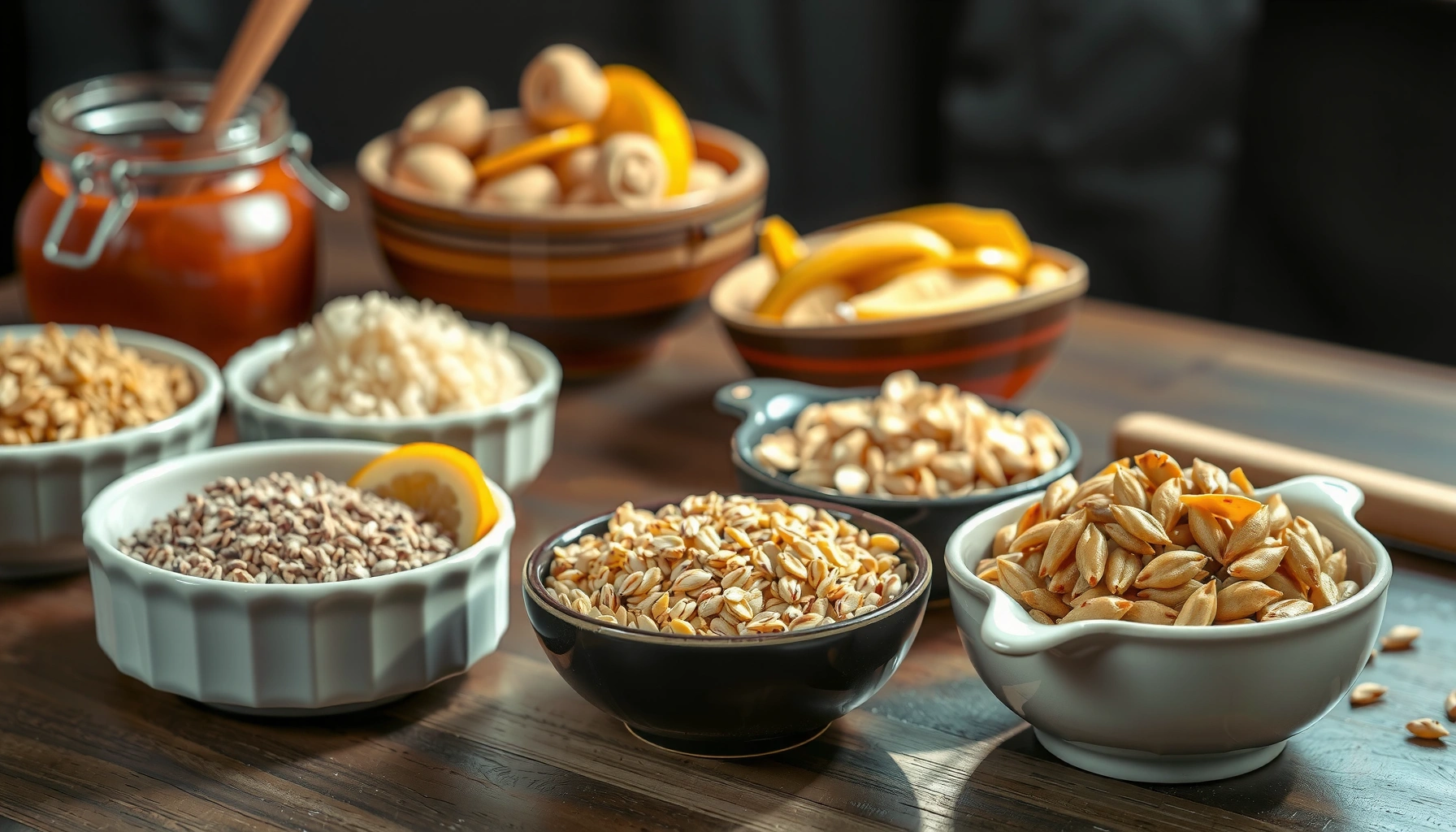

For individuals managing diabetes, the best breakfast prioritizes a balance of complex carbohydrates, lean protein, healthy fats, and plenty of fiber to help stabilize blood sugar levels and provide sustained energy. The key is to avoid refined sugars and highly processed foods that can cause rapid spikes. This guide will help you craft delicious and diabetes-friendly morning meals, focusing on nutrient density and glycemic control to support overall health.



Understanding Key Principles for Diabetic Breakfasts
Effective diabetes management begins with understanding how food impacts your body, especially concerning blood glucose. Incorporating these principles into your breakfast choices can significantly improve your daily control.
– Glycemic Index (GI) and Load: The Glycemic Index (GI) is a system that ranks carbohydrate-containing foods based on how quickly they raise blood sugar compared to a reference food. Foods with a low GI (55 or less) are digested and absorbed more slowly, leading to a more gradual and healthier rise in blood glucose. Conversely, high-GI foods can cause rapid spikes, which are detrimental to diabetes management. Beyond GI, the Glycemic Load (GL) provides an even more comprehensive picture by factoring in both the GI of a food and the amount of carbohydrates consumed in a typical serving. Focusing on low-GI and moderate-GL foods like non-starchy vegetables, most fruits, whole grains, and lean proteins helps maintain stable blood sugar levels throughout the morning, preventing sudden energy crashes and promoting satiety. Prioritizing foods with a lower GL, such as steel-cut oats, berries, or Greek yogurt, can make a significant difference in post-meal glucose responses.
– Carbohydrate Counting: Carbohydrate counting is a fundamental tool for many individuals with diabetes, particularly those who take insulin or certain oral medications. This strategy involves estimating the amount of carbohydrates in meals and snacks to match them with insulin doses or adjust medication. For breakfast, understanding carbohydrate portions is crucial, as many traditional breakfast foods like cereals, bread, and fruits contain significant amounts of carbohydrates. Learning to accurately estimate carbohydrate grams in your morning meal allows for more precise blood sugar management, preventing both hyperglycemic (high blood sugar) and hypoglycemic (low blood sugar) events. A registered dietitian or certified diabetes educator can provide personalized guidance on carbohydrate targets based on your individual needs, activity levels, and medication regimen, ensuring your breakfast choices align with your broader diabetes care plan.
– Fiber’s Role: Fiber is an unsung hero in diabetes management, playing a multifaceted role in blood sugar control and overall digestive health. Soluble fiber, found in foods like oats, apples, beans, and psyllium, dissolves in water to form a gel-like substance. This gel slows down the digestion and absorption of carbohydrates, leading to a more gradual rise in blood sugar and preventing sharp spikes. Furthermore, soluble fiber contributes to a feeling of fullness, which can aid in weight management. Insoluble fiber, present in whole grains, nuts, seeds, and the skins of many fruits and vegetables, adds bulk to stool, promoting regular bowel movements and preventing constipation. Both types of fiber are vital for a healthy gut microbiome and can contribute to improved insulin sensitivity over time. Incorporating high-fiber foods into your breakfast helps regulate glucose, supports digestive regularity, and enhances satiety, making it a cornerstone of a diabetes-friendly morning meal.
Ideal Food Components for a Diabetic Breakfast
Building a balanced diabetic breakfast involves selecting nutrient-dense ingredients that work synergistically to support stable blood sugar and provide lasting energy.
– Lean Proteins: Proteins are essential for satiety, muscle maintenance, and minimizing blood sugar fluctuations. Unlike carbohydrates, proteins have a minimal immediate impact on blood glucose levels.
– Eggs: A powerhouse of nutrition, eggs are a complete protein source, offering all essential amino acids. They are incredibly versatile, perfect for scrambling, poaching, boiling, or incorporating into an omelet with vegetables. Two large eggs provide approximately 12 grams of high-quality protein.
– Greek Yogurt: Opt for plain, unsweetened Greek yogurt, which boasts nearly twice the protein of regular yogurt. Its thick texture and probiotic content support gut health, while its protein content (around 15-20 grams per serving) promotes fullness.
– Cottage Cheese: Another excellent source of casein protein, which is digested slowly, providing a sustained release of amino acids. It’s also rich in calcium and can be enjoyed plain, with berries, or savory with herbs.
– Lean Turkey Bacon/Sausage: When desiring a traditional breakfast meat, choose lean, low-sodium varieties of turkey bacon or sausage in moderation. These offer a protein boost with less saturated fat than their pork counterparts.
– Nuts and Seeds: Almonds, walnuts, pecans, chia seeds, and flax seeds provide not only plant-based protein but also healthy fats and fiber, contributing to satiety and better blood sugar control.
– Complex Carbohydrates: These carbohydrates are digested more slowly than simple sugars, providing a sustained release of energy and preventing sudden blood glucose spikes.
– Whole-grain Oats: Steel-cut or rolled oats are excellent choices due to their high soluble fiber content (beta-glucan), which slows glucose absorption. Avoid instant oats with added sugars.
– Whole-wheat Bread: Look for 100% whole-wheat or whole-grain options with at least 3-5 grams of fiber per slice. Pair with lean protein or healthy fats to further manage its glycemic impact.
– Whole-grain Cereals (sugar-free): Carefully check labels for minimal added sugar and high fiber content. Examples include shredded wheat or specific bran cereals.
– Non-starchy Vegetables: While primarily low in carbohydrates, including options like spinach or bell peppers provides essential nutrients without significantly impacting blood sugar, and their fiber contributes to overall carb management.
– Healthy Fats: Healthy fats are crucial for satiety, nutrient absorption, and heart health. They also help to slow down gastric emptying, which in turn can mitigate the rate at which carbohydrates are absorbed, leading to steadier blood sugar levels.
– Avocado: Rich in monounsaturated fats, fiber, and various vitamins and minerals, avocado adds a creamy texture and significant nutritional value to any breakfast.
– Nuts and Seeds: In addition to protein, these provide beneficial omega-3 and omega-6 fatty acids, along with fiber, making them excellent toppings or mix-ins.
– Olive Oil: A small amount of extra virgin olive oil can be used for cooking eggs or drizzling over savory breakfast dishes, offering heart-healthy monounsaturated fats.
– Non-Starchy Vegetables: These vegetables are low in carbohydrates and calories but high in fiber, vitamins, and minerals. They add volume, nutrients, and antioxidants to your breakfast without significantly affecting blood sugar.
– Spinach and Kale: Packed with vitamins K, A, and C, and iron, these leafy greens are perfect for adding to omelets, scrambles, or smoothies.
– Mushrooms: Provide a savory umami flavor, along with B vitamins and selenium, making them a great addition to egg dishes.
– Bell Peppers: Rich in Vitamin C and antioxidants, bell peppers add vibrant color, crunch, and a subtle sweetness to breakfast meals.
Quick & Easy Diabetic-Friendly Breakfast Ideas
Starting your day with a nutritious breakfast doesn’t have to be time-consuming. These ideas are designed for convenience and optimal blood sugar management.
– Oatmeal with Berries and Nuts: Begin with half a cup of steel-cut or rolled oats (avoid instant varieties that are often higher on the glycemic index) cooked with water or unsweetened almond milk. Once cooked, top with a handful of fresh or frozen mixed berries such as blueberries, raspberries, or strawberries. Berries are low in sugar and high in antioxidants and fiber. Finish with a sprinkle of chopped nuts like almonds or walnuts, and a tablespoon of chia seeds or ground flaxseed for added fiber, omega-3s, and healthy fats. This combination provides sustained energy, promotes satiety, and helps to keep blood sugar stable well into the morning.
– Scrambled Eggs with Veggies: Whisk two large eggs with a splash of unsweetened almond milk and season with salt and pepper. Cook in a non-stick pan with a minimal amount of olive oil or cooking spray. As the eggs begin to set, fold in a generous portion of pre-chopped non-starchy vegetables such as spinach, diced bell peppers, mushrooms, and onions. The vegetables add fiber, vitamins, and volume without significantly increasing carbohydrate count. Serve alongside half an avocado, sliced, to provide healthy monounsaturated fats that contribute to fullness and slow carbohydrate absorption. For a complete meal, a single slice of 100% whole-wheat toast (ensure it’s truly whole grain) can be added.
– Greek Yogurt Parfait: Create a simple yet satisfying parfait using one cup of plain, unsweetened Greek yogurt. The high protein content of Greek yogurt is excellent for satiety and has minimal impact on blood sugar. Layer the yogurt with a small amount (approximately half a cup) of fresh berries for natural sweetness, fiber, and antioxidants. Sprinkle the top with a tablespoon of chia seeds or chopped almonds for healthy fats, fiber, and an extra protein boost. Be mindful of portion sizes for toppings, as even healthy additions can increase calorie and carbohydrate counts if consumed in excess. This option is refreshing, protein-packed, and highly customizable.
Breakfasts to Limit or Avoid
Making informed choices means understanding which foods can hinder your diabetes management. Limiting or avoiding certain breakfast items is crucial for maintaining stable blood sugar.
– Sugary Cereals & Pastries: These items are often laden with refined carbohydrates and excessive added sugars, making them among the worst choices for a diabetic breakfast. Sugary cereals, donuts, muffins, croissants, and most commercial pastries cause a rapid and significant spike in blood glucose levels due, to their high glycemic index and lack of fiber and protein. This immediate surge in sugar necessitates a large insulin response, which can lead to subsequent energy crashes and increased hunger shortly after eating. Furthermore, these foods are typically low in essential nutrients, offering “empty calories” that contribute to weight gain and poor long-term health outcomes. Prioritizing whole, unprocessed options is essential to avoid these detrimental effects.
– Sweetened Fruit Juices: While fruit itself is healthy, sweetened fruit juices, and even 100% fruit juices, are problematic for individuals with diabetes. The juicing process removes the beneficial fiber found in whole fruit, which is crucial for slowing down sugar absorption. What remains is a concentrated source of natural sugars (fructose) that can cause blood sugar to rise quickly, similar to consuming a sugary beverage. Many commercial fruit juices also contain added sugars, exacerbating this effect. Instead of juice, opt for whole fruits, which provide the intact fiber to mitigate the sugar impact, alongside a fuller spectrum of vitamins and antioxidants. Hydrate with water, unsweetened tea, or coffee instead.
– Processed Breakfast Meats: Many common breakfast meats such as conventional bacon, sausages, and deli ham are highly processed and high in sodium, unhealthy saturated fats, and sometimes trans fats. High intake of saturated and trans fats can contribute to insulin resistance and increase the risk of heart disease, a common complication of diabetes. The high sodium content can also contribute to elevated blood pressure. Furthermore, some processed meats contain nitrites and nitrates, which have been linked to other health concerns. If you choose to include breakfast meats, opt for very lean, minimally processed, low-sodium varieties, such as lean turkey bacon or chicken sausage, and consume them in moderation. Prioritize plant-based protein sources or lean, unprocessed animal proteins like eggs.
Meal Prepping for Success
Strategic meal preparation can revolutionize your morning routine, making healthy, diabetes-friendly breakfasts a consistent reality, even on the busiest days.
– Overnight Oats: This is a remarkably simple yet effective meal prep strategy. The night before, combine half a cup of rolled oats (not instant), one tablespoon of chia seeds (for added fiber and omega-3s), and one cup of unsweetened almond milk (or your preferred unsweetened milk) in a jar or container. Add a dash of cinnamon or a few drops of vanilla extract for flavor. You can also layer in a small portion of fresh or frozen berries. Refrigerate overnight. By morning, the oats will have softened, absorbing the liquid to create a creamy, ready-to-eat breakfast. This method not only saves time but also allows the soluble fiber in the oats and chia seeds to fully hydrate, enhancing their blood sugar-stabilizing properties.
– Hard-Boiled Eggs: Hard-boiled eggs are an excellent source of complete protein and can be prepared in large batches at the start of the week. Boil a dozen eggs, then peel them or store them in their shells in the refrigerator for up to seven days. They are the ultimate grab-and-go protein, perfect for busy mornings. Enjoy them on their own, sliced onto a whole-wheat English muffin, or chopped into a quick salad with some greens and avocado. Their portability and high protein content make them an invaluable asset for maintaining stable blood sugar and curbing mid-morning hunger.
– Chop Vegetables: Streamlining your morning cooking process significantly reduces the temptation to opt for less healthy, quick fixes. Dedicate some time on a weekend or evening to pre-chop a variety of non-starchy vegetables such as bell peppers, onions, mushrooms, and spinach. Store these chopped vegetables in airtight containers in the refrigerator. In the morning, you can effortlessly add them to scrambled eggs, omelets, or even blend them into savory smoothies. This simple step ensures that nutrient-dense, fiber-rich vegetables are always within easy reach, making it easier to create vibrant, healthy breakfasts that support optimal blood sugar control.
Personalizing Your Diabetic Breakfast Plan
Diabetes management is highly individual, and what works best for one person may not be ideal for another. Personalizing your breakfast plan is key to long-term success.
– Monitor Blood Sugar: The most effective way to personalize your breakfast is through consistent blood sugar monitoring. Regularly check your glucose levels before and two hours after eating new breakfast combinations or portion sizes. Keep a detailed log of your food intake, including specific ingredients and quantities, alongside your blood sugar readings. This “test and learn” approach will reveal how different foods impact your unique metabolism. For instance, you might discover that a specific type of whole-grain bread or a certain quantity of fruit causes a higher spike for you compared to others. This objective data empowers you to make informed adjustments, refining your breakfast choices to optimize your personal glycemic response.
– Consult a Dietitian: While general guidelines are helpful, a registered dietitian (RD) or a certified diabetes educator (CDE) offers invaluable personalized guidance. These healthcare professionals can assess your individual medical history, dietary preferences, activity levels, medication regimen, and cultural considerations to craft a breakfast plan that is perfectly tailored to your needs. They can help you determine appropriate carbohydrate targets, identify specific food intolerances or sensitivities, and provide practical strategies for meal planning and preparation. Their expertise can help demystify nutrition labels, suggest suitable alternatives, and ensure your breakfast choices support not only your blood sugar goals but also your overall health and well-being.
– Listen to Your Body: Beyond numerical readings, paying close attention to your body’s signals is a critical aspect of personalization. Observe how different breakfasts make you feel throughout the morning. Are you experiencing sustained energy, or do you feel a slump shortly after eating? Does your breakfast keep you satisfied until your next meal, or are you feeling hungry too soon? These subjective experiences provide valuable feedback on the adequacy of your protein, fiber, and healthy fat intake. Learning to differentiate true hunger from cravings and understanding how certain foods affect your energy levels, mood, and satiety will empower you to make intuitive, body-aware choices that foster better blood sugar control and a greater sense of well-being.
Crafting the best breakfast for diabetes is about mindful choices that keep your blood sugar stable and your energy consistent. By incorporating whole, unprocessed foods and focusing on a balance of macronutrients—lean proteins, complex carbohydrates, healthy fats, and ample fiber—you can start your day strong. Remember to consult with your healthcare provider or a registered dietitian to tailor these suggestions to your specific needs and health goals, ensuring a breakfast plan that truly supports your diabetes management journey and contributes to your overall health and vitality.
Frequently Asked Questions
What are the best types of foods to include in a diabetic-friendly breakfast?
The ideal diabetic breakfast focuses on a balance of macronutrients to manage blood sugar effectively. Prioritize lean protein sources like eggs, Greek yogurt, or nuts, combined with high-fiber complex carbohydrates such as whole-grain oats, berries, or non-starchy vegetables. Healthy fats from avocado or chia seeds also contribute to satiety and better glucose control, making it a truly balanced meal for diabetes management.
How can I prevent blood sugar spikes with my breakfast choices as a diabetic?
To prevent blood sugar spikes, focus on portion control and the glycemic index of your breakfast foods. Always pair carbohydrates with protein and healthy fats, which slow down digestion and glucose absorption. Avoiding sugary cereals, pastries, and refined carbs, while opting for high-fiber foods, will significantly stabilize post-meal blood sugar levels for individuals with diabetes.
Can you give me examples of quick and healthy breakfast meals for diabetics?
Certainly! Quick and healthy diabetic breakfast ideas include a scramble of eggs with spinach and whole-wheat toast, or Greek yogurt topped with a handful of berries and chopped nuts. Another great option is oatmeal made with water or unsweetened almond milk, mixed with chia seeds and a sprinkle of cinnamon, providing essential fiber and controlled carbohydrates for managing diabetes.
Which common breakfast foods should diabetics limit or avoid to manage blood sugar effectively?
Diabetics should limit or avoid foods high in refined carbohydrates and added sugars, which can cause rapid blood sugar spikes. This includes sugary cereals, pastries, muffins, sweetened yogurts, white bread, and fruit juices that lack fiber. Opting for whole, unprocessed foods is key for maintaining stable blood glucose levels and overall diabetic health.
Why is a balanced breakfast so important for diabetics, and what does it typically include?
A balanced breakfast is crucial for diabetics as it sets the tone for blood sugar control throughout the day, preventing morning spikes and reducing overall glucose fluctuations. It typically includes a good source of lean protein, high-fiber complex carbohydrates, and healthy fats. This combination helps improve insulin sensitivity, provides sustained energy, and aids in satiety, making it an essential meal for effective diabetes management.
References
- https://diabetes.org/healthy-living/recipes-nutrition/eating-well/healthy-breakfast
- https://my.clevelandclinic.org/health/articles/24856-breakfast-ideas-for-people-with-diabetes
- Flu shots: Especially important if you have heart disease – Mayo Clinic
- Healthy Living with Diabetes – NIDDK
- https://www.cdc.gov/diabetes/managing/eat-well/index.html
- https://www.health.harvard.edu/diabetes/10-tips-for-healthy-eating-with-diabetes
- https://www.nhs.uk/conditions/type-2-diabetes/eating-well/
- https://diabetes.org/healthy-living/recipes-nutrition/what-can-i-eat