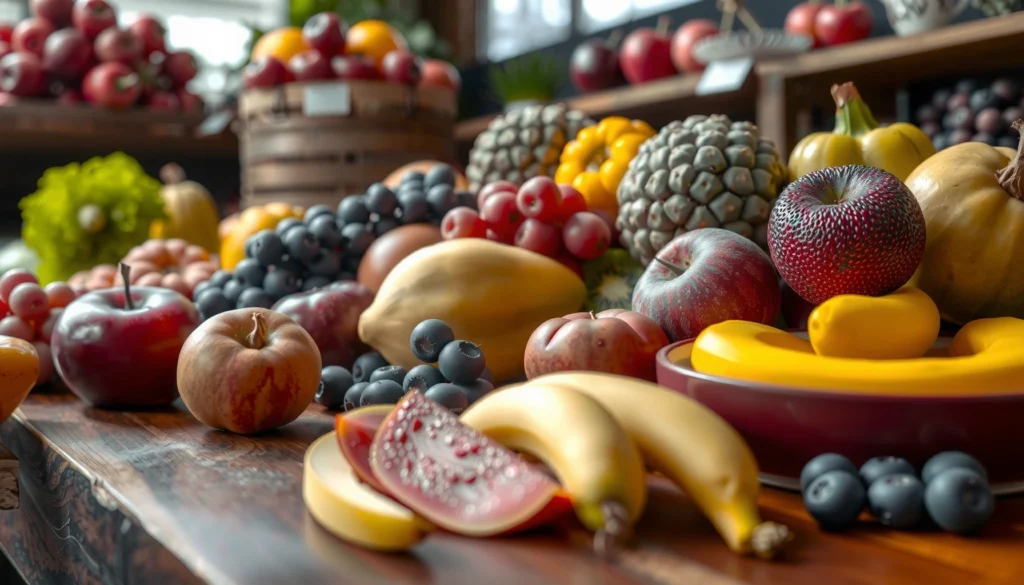

For individuals managing diabetes, most whole fruits can be a healthy and beneficial part of your diet, thanks to their fiber, vitamins, and antioxidants. However, certain fruits are particularly excellent choices due to their lower glycemic index (GI), higher fiber content, and ability to help manage blood sugar levels without causing significant spikes, with berries, apples, pears, and citrus fruits generally being top recommendations. These offer natural sweetness and essential nutrients while supporting overall health, making them smart inclusions in a balanced diabetic meal plan.




The Role of Fruit in a Diabetic Diet
Incorporating fruit into a diabetic diet is not merely permissible but highly recommended due to its multifaceted health benefits. Understanding these benefits is crucial for making informed dietary choices.
* Understanding Natural Sugars: Fruits contain naturally occurring sugars, primarily fructose, glucose, and sucrose. Unlike the refined, added sugars found in processed foods, these natural sugars in whole fruit come encased within a complex matrix of fiber, water, and other nutrients. This unique packaging fundamentally alters how the body processes these sugars. The fiber content significantly slows down the absorption of sugars into the bloodstream, preventing the rapid blood glucose spikes often associated with processed carbohydrates. This controlled release provides a more sustained energy supply and reduces the burden on the pancreas to produce insulin, a key consideration for individuals with diabetes. Therefore, distinguishing between natural fruit sugars and added sugars is paramount for effective blood sugar management.
* Fiber’s Benefits: The high fiber content in fruits is perhaps its most celebrated attribute for diabetic management. Dietary fiber, both soluble and insoluble, plays a critical role in regulating blood glucose levels. Soluble fiber, found abundantly in fruits like apples and berries, dissolves in water to form a gel-like substance, which further slows gastric emptying and the absorption of glucose. This extended digestion process helps stabilize post-meal blood sugar levels. Insoluble fiber, while not dissolving, adds bulk to stool, aiding digestive regularity and contributing to a feeling of fullness. This satiety can help prevent overeating and support weight management, which is a vital component of diabetes care. Furthermore, fiber has been linked to improved insulin sensitivity and a reduction in HbA1c levels over time, underscoring its profound impact.
* Nutrient Powerhouse: Beyond sugar and fiber, fruits are veritable powerhouses of essential vitamins, minerals, and antioxidants, all of which contribute significantly to overall health and can mitigate diabetes-related complications. For instance, Vitamin C, prevalent in citrus fruits and berries, is a potent antioxidant that helps combat oxidative stress, a common issue in diabetes. Potassium, found in many fruits, is essential for blood pressure regulation, a critical concern for diabetics often at higher risk for cardiovascular disease. Antioxidants such as flavonoids, anthocyanins, and carotenoids help reduce inflammation, protect cells from damage, and may lower the risk of neuropathy, retinopathy, and kidney disease. These micronutrients work synergistically to enhance immune function, support cellular health, and improve systemic well-being, providing comprehensive support that extends far beyond just blood sugar control.
Glycemic Index (GI) and Load (GL): What to Prioritize
The Glycemic Index (GI) and Glycemic Load (GL) are valuable tools for understanding how different foods affect blood sugar, guiding individuals with diabetes toward optimal fruit choices.
* What is GI and GL? The Glycemic Index (GI) is a numerical scale that ranks carbohydrate-containing foods based on their effect on blood glucose levels over a two-hour period after consumption, compared to a reference food (usually pure glucose or white bread). Foods are classified as low (GI ≤ 55), moderate (GI 56-69), or high (GI ≥ 70). While GI indicates how *quickly* a carbohydrate raises blood sugar, the Glycemic Load (GL) provides a more comprehensive picture. GL accounts for both the GI of a food and the *amount* of carbohydrate in a typical serving. It’s calculated by multiplying the GI by the amount of carbohydrate (in grams) in a serving and dividing by 100. A low GL is 10 or less, moderate is 11-19, and high is 20 or more. GL is often considered a more practical indicator because it considers real-world portion sizes.
* Opt for Low-to-Moderate GI Fruits: Prioritizing fruits with a lower GI (55 or less) and a lower GL is a strategic approach to minimize significant blood sugar spikes. These fruits release glucose into the bloodstream more slowly and steadily, which helps maintain stable blood glucose levels and reduces the demand for insulin. For example, berries, apples, and pears typically have a low GI and GL, making them excellent choices. Consistently choosing lower GI options contributes to better long-term glycemic control and can reduce the risk of diabetes complications. This doesn’t mean high GI fruits are entirely off-limits, but they should be consumed less frequently and in carefully controlled portions, ideally paired with foods that lower the overall GL of the meal.
* Beyond the Numbers: While GI and GL are undeniably useful metrics, they should not be the sole determinants of fruit choice. It is imperative to consider the overall nutritional profile of a fruit, including its fiber content, vitamin and mineral density, and antioxidant capacity. For instance, some fruits might have a slightly higher GI but are incredibly rich in beneficial fibers and micronutrients. The way a fruit is prepared (e.g., whole vs. juiced) and what it is eaten with (e.g., paired with protein or healthy fats) can also significantly alter its glycemic response. Furthermore, individual responses to foods can vary, influenced by factors such as metabolism, medication, and physical activity levels. Therefore, while GI and GL offer a valuable framework, they should be integrated into a broader understanding of nutrition, recognizing the importance of overall dietary balance and individual metabolic responses.
Top Recommended Fruits for Diabetics
Selecting fruits wisely is a cornerstone of effective diabetes management. The following fruits are particularly beneficial due to their favorable glycemic profiles and rich nutrient content.
* Berries (Strawberries, Blueberries, Raspberries, Blackberries): Berries are superstars in a diabetic diet, celebrated for their exceptionally high fiber content and potent antioxidant profiles, all while maintaining a low glycemic index. A cup of raspberries, for instance, can provide up to 8 grams of fiber, which is crucial for slowing sugar absorption and promoting satiety. Blueberries are rich in anthocyanins, powerful antioxidants that have been shown to improve insulin sensitivity and reduce inflammation. Strawberries and blackberries also offer significant amounts of Vitamin C and various phytochemicals that protect against cellular damage. Their natural sweetness means they can satisfy cravings without resorting to added sugars, making them perfect additions to yogurt, oatmeal, or simply enjoyed on their own.
* Apples and Pears: These crisp, satisfying fruits are staples for good reason. Both apples and pears are excellent sources of soluble fiber, particularly pectin, which is highly effective in managing blood sugar levels and lowering cholesterol. A medium apple with its skin contains about 4-5 grams of fiber, contributing significantly to daily fiber targets. Pears offer a similar nutritional bounty. Their low glycemic index ensures a gradual rise in blood sugar, providing sustained energy without abrupt spikes. Apples are also rich in quercetin, an antioxidant with anti-inflammatory properties, while pears provide a good source of Vitamin C and K. Eating them whole, with the skin on, maximizes their fiber and nutrient benefits.
* Citrus Fruits (Oranges, Grapefruits, Lemons, Limes): Zesty and refreshing, citrus fruits are another superb choice for individuals with diabetes. They are renowned for their high Vitamin C content, which is vital for immune function and acts as an antioxidant. Furthermore, citrus fruits are rich in fiber, particularly the white pith found under the peel, which contributes to their low glycemic impact. Grapefruits, in particular, contain naringenin, a flavonoid that has been studied for its potential role in improving insulin sensitivity. Lemons and limes, while typically not eaten whole, are excellent for flavoring water and meals without adding significant calories or sugar. Consuming oranges and grapefruits in whole form ensures the intake of beneficial fiber and helps regulate blood sugar more effectively than juice.
* Stone Fruits (Peaches, Plums, Nectarines): These seasonally delightful fruits offer a sweet treat with a moderate glycemic index and a good amount of dietary fiber, making them suitable for diabetics when consumed in appropriate portions. Peaches, plums, and nectarines are good sources of vitamins A and C, as well as potassium. A medium peach, for example, contains about 2 grams of fiber and around 13 grams of carbohydrates, making it a manageable addition to a meal plan. Their moderate GI means they should be enjoyed with mindfulness regarding portion size to prevent exceeding carbohydrate limits. Their natural sweetness makes them a wonderful addition to summer salads or as a light dessert.
Other Smart Fruit Choices and Portion Control
Expanding your fruit repertoire can add variety and diverse nutrients to your diet while maintaining excellent blood sugar management.
* Kiwis and Cherries: Kiwis are small but mighty, packed with Vitamin C, Vitamin K, Vitamin E, and a unique enzyme called actinidin that aids digestion. With a low glycemic index and a good amount of fiber (around 2 grams per medium kiwi), they offer a sweet-tart flavor profile that makes for a refreshing snack. Cherries, particularly tart cherries, are gaining recognition for their anti-inflammatory properties due to high levels of anthocyanins. They also have a relatively low glycemic impact and can even help improve sleep due to natural melatonin. Both fresh kiwis and cherries can be incorporated into a diabetic diet in measured portions.
* Avocados (Yes, a Fruit!): Often perceived as a vegetable, avocados are botanically a single-seeded berry and an exceptionally beneficial fruit for diabetics. They are uniquely high in healthy monounsaturated fats (like oleic acid), which can improve insulin sensitivity and support heart health—a critical aspect of diabetes management. With very low carbohydrate content and an abundance of dietary fiber (around 7 grams per half avocado), they have a negligible effect on blood sugar levels. Avocados also provide potassium and magnesium. Incorporating avocados into salads, sandwiches, or as a snack can contribute to satiety and overall nutritional intake without concerns for blood sugar spikes.
* Melons (Cantaloupe, Honeydew): While melons tend to have a slightly higher glycemic index compared to berries or apples, their high water content means their glycemic load per typical serving is often moderate and manageable. Cantaloupe and honeydew are excellent sources of hydration, Vitamin C, and Vitamin A. A cup of diced cantaloupe contains about 13 grams of carbohydrates and 1.5 grams of fiber. The key here is careful portion control. Enjoying a single, measured serving (e.g., one cup) can be a refreshing and nutritious option without causing significant blood sugar elevation, especially if paired with a source of protein or fat to slow absorption further.
* The Importance of Portion Size: Even the healthiest fruits contain carbohydrates, and for individuals managing diabetes, total carbohydrate intake is a primary factor in blood sugar control. Therefore, the importance of portion size cannot be overstated. Over-consuming even low-GI fruits can lead to an excess of carbohydrates, subsequently raising blood sugar levels. It’s imperative to be mindful of serving sizes, often equated to a small fist-sized portion for whole fruits or approximately one cup for chopped fruits. Utilizing measuring cups or food scales initially can help develop an accurate understanding of appropriate serving sizes. Working with a registered dietitian to understand carbohydrate counting and how fruits fit into your personalized meal plan is highly recommended.
Fruits to Consume with Caution or Limit
While most whole fruits are beneficial, certain forms or varieties of fruit require careful consideration due to their concentrated sugar content or lack of fiber.
* Dried Fruits (Raisins, Dates, Dried Apricots): Dried fruits are perhaps one of the most common pitfalls for individuals managing diabetes. The process of drying removes water, which concentrates their natural sugars and calories into a much smaller serving size. For example, a small box of raisins can contain as much sugar and carbohydrates as a large apple, but without the bulk and water content to promote satiety. This high concentration can lead to rapid and significant blood sugar spikes. While they do retain some fiber and nutrients, the glycemic impact is substantial. They should be consumed very sparingly, in extremely small portions, and ideally as part of a meal that includes protein and fat to mitigate the sugar surge. Fresh fruit is always the superior choice.
* Fruit Juices and Fruit Smoothies (Pre-made): Fruit juices, even 100% natural ones, lack the critical fiber present in whole fruits. When fruit is juiced, the fiber is largely removed, allowing the natural sugars to be absorbed very quickly into the bloodstream. This rapid influx of glucose can cause blood sugar levels to spike sharply, akin to consuming a sugary beverage. Pre-made fruit smoothies can be even worse, often containing added sugars, syrups, and artificial flavors, further exacerbating their impact on blood glucose. Even homemade smoothies, if not carefully constructed, can be problematic if they contain too many fruits without enough fiber or protein to balance the sugar. The best practice is to always opt for whole fruit, which provides the intact fiber matrix essential for healthy blood sugar regulation. If making a smoothie, ensure it contains plenty of vegetables, a small portion of low-GI fruit, and a source of protein or healthy fat.
* Very Ripe Bananas, Mangoes, and Grapes: While these fruits are nutritious, their sugar content and glycemic index tend to be higher, especially when very ripe. As fruits ripen, their complex carbohydrates convert into simpler sugars, increasing their sweetness and their potential to raise blood sugar. Very ripe bananas, for instance, have a higher GI than slightly green ones. Similarly, mangoes and grapes are naturally higher in sugar compared to berries or citrus. This doesn’t mean they must be entirely avoided, but they should be enjoyed in smaller, carefully controlled portions and less frequently than lower-GI alternatives. Pairing them with a handful of nuts or seeds can also help temper their glycemic impact. Monitoring how your body responds to these fruits is also crucial for personalized dietary adjustments.
Best Practices for Enjoying Fruit Safely
Strategic consumption is key to enjoying the health benefits of fruit without compromising blood sugar control. Implementing a few best practices can make all the difference.
* Pair with Protein or Healthy Fats: A highly effective strategy to mitigate the blood sugar impact of fruit is to pair it with sources of protein or healthy fats. Protein and fat slow down gastric emptying and the absorption of glucose, leading to a more gradual and sustained rise in blood sugar. For example, enjoying a handful of berries with Greek yogurt (protein), an apple with a tablespoon of almond butter (healthy fat), or sliced peaches with a small portion of cottage cheese (protein) can significantly stabilize post-meal glucose levels. This pairing also enhances satiety, helping to manage appetite and prevent overeating.
* Eat Whole Fruit Over Juice: This is a fundamental principle for diabetic fruit consumption. As discussed, whole fruit retains all its beneficial fiber, which is stripped away during juicing. This fiber is paramount for slowing sugar absorption, promoting digestive health, and contributing to fullness. Always choose to eat a whole apple rather than drink apple juice, opt for a handful of fresh grapes instead of grape juice, and snack on a whole orange rather than its squeezed counterpart. The intact cellular structure of whole fruit also plays a role in its slower digestion compared to its liquid form.
* Monitor Your Blood Sugar: Personalization is at the heart of effective diabetes management. Individuals can react differently to the same foods due to variations in metabolism, medication, and activity levels. Therefore, it is imperative to monitor your blood sugar levels before and two hours after consuming fruit to understand its specific impact on your body. This practice provides invaluable feedback, allowing you to identify which fruits and portion sizes work best for you without causing undue spikes. Maintaining a food and blood sugar log can help identify patterns and inform your dietary choices, fostering a truly personalized and effective meal plan.
* Consult a Professional: While general guidelines are helpful, individual needs and medical conditions vary significantly. Working collaboratively with your doctor, a certified diabetes educator, or a registered dietitian is paramount for creating a personalized fruit and meal plan that aligns with your specific health needs, medication regimen, and lifestyle. A healthcare professional can provide tailored advice on carbohydrate counting, portion control, specific fruit recommendations, and how to integrate fruit safely into your overall diabetes management strategy, ensuring that your dietary choices support optimal health outcomes.
Incorporating fruits into a diabetes-friendly diet is not only possible but highly beneficial when done thoughtfully. By prioritizing low glycemic, high-fiber choices like berries, apples, and citrus fruits, and practicing mindful portion control, you can enjoy the natural sweetness and vast nutritional benefits of fruit. Remember to listen to your body, diligently monitor your blood sugar, and always consult with your healthcare team to tailor a fruit plan that best supports your individual diabetes management and contributes to your overall well-being.
Frequently Asked Questions
What are the top recommended fruits for diabetics to help manage blood sugar levels?
The best fruits for diabetics are generally those with a low glycemic index (GI) and high fiber content, which help prevent rapid blood sugar spikes. Excellent choices include berries (strawberries, blueberries, raspberries), cherries, grapefruit, apples, pears, and oranges. These fruits provide essential vitamins and antioxidants, making them valuable components of a balanced, diabetic-friendly diet.
Why is the glycemic index (GI) an important factor for diabetics choosing fruits?
The Glycemic Index (GI) measures how quickly a food raises blood sugar levels after consumption. For diabetics, choosing fruits with a low GI is crucial because they lead to a slower, more gradual rise in blood glucose, making it easier to manage insulin response. Understanding a fruit’s GI helps individuals with diabetes make informed choices that support stable blood sugar control throughout the day.
How much fruit can a diabetic safely eat daily without negatively impacting their glucose levels?
Generally, diabetics can safely enjoy 2-3 servings of fruit per day, though individual needs vary based on activity level, medication, and overall diet. A standard serving size is typically one small apple, half a banana, or about a cup of berries. It’s essential to monitor blood sugar responses after eating fruit and consult with a doctor or registered dietitian to determine personalized serving recommendations for effective diabetes management.
Are certain forms of fruit, like fresh, frozen, dried, or juiced, better or worse for diabetics?
Fresh and plain frozen fruits are generally the best options for diabetics, as they retain their natural fiber and nutrients without added sugars. Fruit juices, even 100% juice, should be consumed sparingly due to their concentrated sugar content and lack of fiber, which can cause rapid blood sugar spikes. Dried fruits also contain concentrated sugars and calories, so they should be eaten in very small, carefully portioned amounts.
Beyond glycemic index, what other nutritional factors should diabetics consider when selecting fruits?
In addition to the glycemic index, diabetics should prioritize fruits rich in dietary fiber, which helps slow sugar absorption, promotes satiety, and supports digestive health. Look for fruits packed with antioxidants, vitamins (like Vitamin C), and minerals (like potassium) that support overall health and can help combat inflammation. Choosing whole fruits over processed forms ensures you get the full spectrum of beneficial nutrients important for comprehensive diabetes management.
References
- Best Fruit Choices for Diabetes | ADA
- https://www.cdc.gov/diabetes/managing/eat-well/diabetes-and-healthy-food-choices.html
- Diabetes diet: Create your healthy-eating plan – Mayo Clinic
- https://www.niddk.nih.gov/health-information/diabetes/overview/diet-eating-physical-activity/meal-planning
- Diabetes • The Nutrition Source
- Diet in diabetes
- https://www.nytimes.com/guides/well/what-to-eat-with-diabetes