
When searching for the best wet food for your diabetic cat, the primary focus should be on options that are high in protein, very low in carbohydrates (typically under 10% on a dry matter basis), and moderate in fat. These specific nutritional parameters are crucial for effective blood glucose management, helping to stabilize your cat’s sugar levels and support overall health. This guide will walk you through identifying the ideal foods and making informed choices for your feline companion.



Understanding the Diabetic Cat Diet
Managing feline diabetes through diet is a cornerstone of treatment, often working in tandem with insulin therapy. A cat’s natural diet is carnivorous, meaning their physiology is optimized for processing animal-based proteins and fats, with very minimal carbohydrates. When diabetes strikes, adhering to this natural dietary preference becomes even more critical.
* High Protein Content: Cats are obligate carnivores, meaning they require nutrients found only in animal products. A diet rich in high-quality animal protein is essential for maintaining muscle mass, which can be compromised in diabetic cats, especially if weight loss occurs. Protein also promotes satiety, helping your cat feel full and reducing the likelihood of overeating or begging, which can disrupt blood glucose control. Furthermore, protein has a minimal impact on blood glucose levels compared to carbohydrates, making it an ideal primary energy source for diabetic felines. Look for foods where meat is the predominant ingredient, ensuring it’s a complete protein source.
* Very Low Carbohydrates: This is perhaps the most critical dietary component for a diabetic cat. Carbohydrates, once ingested, are broken down into glucose, which then enters the bloodstream. Diabetic cats have an impaired ability to produce or respond to insulin, the hormone responsible for transporting glucose into cells for energy. Therefore, minimizing carbohydrate intake directly reduces the amount of glucose entering the bloodstream, helping to stabilize blood sugar levels and decrease the demand on the cat’s compromised insulin system. The target for diabetic cats is typically less than 10% carbohydrates on a dry matter basis, with many veterinarians recommending even lower, ideally below 5%. This drastic reduction can often lead to better glycemic control, and in some cases, even diabetic remission, particularly for cats with Type 2 diabetes.
* Moderate Fat Content: While fats are a concentrated source of energy, a moderate level is appropriate for diabetic cats. Fat provides essential fatty acids and contributes to palatability without directly impacting blood glucose in the same way carbohydrates do. However, excessively high fat content can lead to weight gain, which exacerbates insulin resistance and complicates diabetes management. Therefore, the goal is to provide sufficient fat for energy and overall health without contributing to obesity. The specific fat percentage will vary depending on the cat’s individual needs, activity level, and body condition, but a balanced approach is key.
Decoding Wet Food Labels for Diabetic Cats
Navigating the myriad of pet food labels can be daunting, but understanding a few key principles allows you to make informed decisions critical for your diabetic cat’s health.
* Ingredient List Priority: The ingredient list provides a window into the food’s primary components. For a diabetic cat, the first few ingredients should unequivocally be high-quality animal proteins. Look for specific meat sources like “chicken,” “turkey,” “salmon,” “beef,” or “duck.” Avoid vague terms like “meat by-products” or “animal digest” as primary ingredients, which can be less desirable. Critically, steer clear of grains (corn, wheat, soy, rice), potatoes, peas, and other starchy vegetables prominently listed. These ingredients are high in carbohydrates and will negatively impact blood glucose regulation. The closer the food mimics a cat’s natural prey diet, the better it typically is for managing diabetes.
* Calculating Carbohydrates (Dry Matter Basis): Pet food labels typically list guaranteed analysis on an “as fed” basis, including moisture. To accurately assess carbohydrate content, you must convert these percentages to a “dry matter” basis, which removes the water content. The calculation is as follows:
1. Find the “Guaranteed Analysis” on the label, noting the percentages for Crude Protein, Crude Fat, Crude Fiber, and Moisture.
2. Calculate Dry Matter (DM) percentage: 100% – % Moisture = % DM.
3. Convert each nutrient to a DM basis: (% Nutrient / % DM) x 100 = % Nutrient (DM).
4. Estimate Carbohydrates (DM): 100% – % Protein (DM) – % Fat (DM) – % Fiber (DM) – % Ash (DM) = % Carbs (DM).
Note: Ash content is often not listed. If it’s not, you might have to estimate it (typically 2-4% for wet foods, but can be higher). For best accuracy, contact the manufacturer for ash content or a more precise carbohydrate estimate. Aim for foods with less than 10% carbohydrates on a dry matter basis, with under 5% being optimal.
* Avoidance of Fillers & Sugars: Beyond just starches, many commercial pet foods include fillers and added sugars that are detrimental to a diabetic cat. Fillers like corn, wheat, soy, and rice are cheap carbohydrate sources that offer little nutritional value beyond calories and can cause rapid spikes in blood glucose. Similarly, any form of added sugar – including sucrose, fructose, corn syrup, molasses, or even natural sweeteners like fruit – must be avoided. These ingredients contribute directly to hyperglycemia and undermine diabetes management efforts. Carefully scrutinize the ingredient list for these hidden carbohydrate sources.
Characteristics of Recommended Wet Foods
Beyond the numerical analysis, certain general characteristics define optimal wet foods for diabetic felines, contributing to both effective diabetes management and overall health.
* Grain-Free and Starch-Free: This characteristic is non-negotiable for diabetic cats. A truly grain-free and starch-free diet ensures the lowest possible carbohydrate intake, which is paramount for blood glucose control. Many foods marketed as “grain-free” may still contain high-starch vegetables like potatoes, sweet potatoes, or peas, which are equally problematic. Therefore, it’s crucial to look beyond the “grain-free” label and meticulously examine the ingredient list for *all* high-carbohydrate components. The ideal food will derive its minimal carbohydrate content primarily from the inherent carbohydrates within the animal proteins themselves, rather than added plant sources.
* High Moisture Content: Wet food, by its nature, is high in moisture, typically ranging from 70-85%. This high moisture content is highly beneficial for all cats, but particularly for those with chronic conditions like diabetes. Adequate hydration supports kidney health, which can be strained in diabetic cats due to increased urination (polyuria). It also helps prevent urinary tract issues and constipation. Furthermore, the higher water content in wet food can contribute to a feeling of fullness, aiding in weight management without significantly increasing caloric intake, a key consideration for diabetic cats prone to obesity.
* Complete and Balanced: Any food chosen for your diabetic cat must be labeled as “complete and balanced” and meet the nutritional guidelines established by the Association of American Feed Control Officials (AAFCO) for adult maintenance. This designation ensures that the food provides all the essential vitamins, minerals, amino acids, and other nutrients your cat needs to thrive, without requiring additional supplements. While focusing on protein and carbohydrate levels is crucial, neglecting overall nutritional completeness could lead to deficiencies, compromising your cat’s long-term health. Always check for the AAFCO statement on the label.
Navigating Wet Food Brands and Types
Choosing from the vast array of available wet foods requires a strategic approach, often balancing veterinarian recommendations with practical considerations.
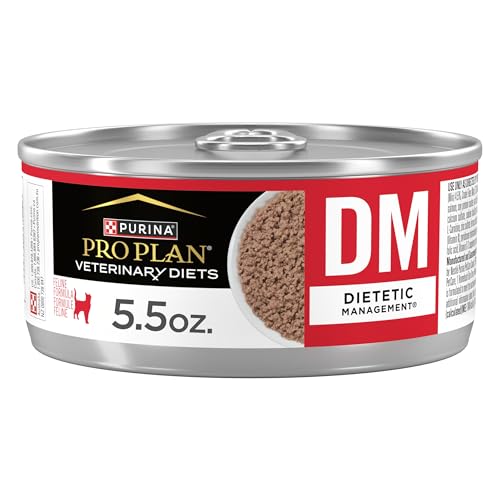
* Prescription Diabetic Diets: These specialized diets, such as Purina Pro Plan Veterinary Diets DM (Diabetic Management) or Royal Canin Veterinary Diet GlycoBalance, are formulated specifically to meet the stringent nutritional requirements of diabetic cats. They offer precise nutrient profiles, typically featuring very high protein, ultra-low carbohydrates, and controlled fat levels, and are backed by scientific research to support blood glucose stabilization. Prescription diets are often recommended by veterinarians because they provide a reliable and consistent dietary solution that has been rigorously tested for efficacy in diabetic patients. They eliminate much of the guesswork involved in label deciphering and ensure optimal nutritional support.
* Over-the-Counter (OTC) Low-Carb Options: For some cats, or as an alternative under veterinary guidance, various readily available wet foods can be suitable. The key is to select “pate-style” varieties, as these typically contain less binders (like starches) compared to shredded or gravy-based formulas. Gravy often contains thickening agents that are carbohydrate-heavy. When considering OTC options, it is absolutely essential to perform the dry matter carbohydrate calculation diligently, aiming for foods below 10% (and ideally below 5%) carbohydrates. Popular choices that often fit this profile, depending on specific formulation, include certain varieties from brands like Fancy Feast Classic Pate, Friskies Pate, and specific flavors from Weruva or Applaws, but *always* verify the specific product’s nutritional analysis. Each flavor and formula can differ significantly.
* Consistency is Key: Once a suitable wet food is identified and your cat is transitioned onto it, maintaining consistency in their diet is paramount. Frequent changes in food can disrupt blood glucose stability, making diabetes management more challenging. Stick to the chosen formula to allow your cat’s metabolism and insulin response to adjust and stabilize. If a change becomes necessary (e.g., due to availability, medical reasons, or palatability issues), do so gradually and always under the guidance of your veterinarian, closely monitoring your cat’s blood glucose levels during the transition period.
Important Feeding and Monitoring Considerations
Effective dietary management for diabetic cats extends beyond just choosing the right food; it encompasses how and when the food is offered, as well as vigilant monitoring.
* Consistent Feeding Schedule: Establishing and adhering to a consistent feeding schedule is fundamental for diabetic cats, especially those receiving insulin. Regular meal times help synchronize food intake with insulin administration, allowing for a more predictable and stable blood glucose curve. Many veterinarians recommend two to three meals per day, spaced evenly, often coinciding with insulin injections. This approach helps prevent large fluctuations in blood sugar, minimizing both hyperglycemic (high blood sugar) and hypoglycemic (low blood sugar) episodes. Work with your veterinarian to determine the best feeding schedule that aligns with your cat’s insulin regimen and lifestyle.
* Portion Control: Precisely controlling portion sizes is critical to prevent weight gain, which can exacerbate insulin resistance and worsen diabetes management. Obesity makes it harder for the body’s cells to respond to insulin, requiring higher doses or leading to less effective blood glucose control. Your veterinarian will provide specific recommendations for daily caloric intake based on your cat’s ideal body weight, activity level, and current health status. Use a kitchen scale to accurately measure portions, rather than relying on imprecise scoops, to ensure consistency and prevent overfeeding.
* Blood Glucose Monitoring: Home blood glucose monitoring, often referred to as “fructosamine testing” or using a glucometer, is an invaluable tool for managing feline diabetes. Working with your vet to learn how to monitor your cat’s blood glucose at home provides real-time data on how their body is responding to diet, insulin, and activity. This information allows for timely adjustments to insulin dosage and dietary components, helping to fine-tune management and prevent complications. Regular monitoring provides peace of mind and empowers pet owners to be active participants in their cat’s care, leading to better long-term outcomes and an improved quality of life for their feline companion.
The Vital Role of Your Veterinarian
While extensive research and careful food selection are important, the partnership with your veterinarian is the most critical component in successfully managing your diabetic cat’s diet and overall health.
* Personalized Dietary Plan: Every cat is an individual, and a “one-size-fits-all” approach to diet may not be suitable. Your veterinarian possesses the medical expertise to create a personalized dietary plan tailored to your cat’s specific needs. This plan will consider their current body condition score, ideal weight, any co-existing medical conditions (e.g., kidney disease, pancreatitis), insulin regimen, and even individual food preferences. They can recommend specific prescription diets or guide you through selecting appropriate over-the-counter options, ensuring the chosen food optimally supports their diabetes management without compromising other aspects of their health.
* Regular Health Check-ups: Ongoing veterinary care, including regular check-ups, is essential for monitoring your cat’s diabetes. These appointments allow your vet to assess blood glucose curves, fructosamine levels, and overall health. They can identify and address any potential complications early, such as diabetic neuropathy, ketoacidosis, or concurrent illnesses. These check-ups are also the opportunity to adjust insulin dosages, refine dietary strategies, and ensure the long-term effectiveness of the treatment plan, adapting it as your cat’s needs change over time.
* Diet Transition Guidance: Never make significant changes to your diabetic cat’s diet without consulting your veterinarian first. Abrupt dietary shifts can drastically impact blood glucose levels, potentially leading to dangerous hyperglycemia or hypoglycemia. Your vet can provide a safe, gradual transition plan, often involving mixing the old food with the new over several days to weeks, while simultaneously guiding you on how to monitor for blood sugar fluctuations. This careful approach minimizes stress on your cat and prevents metabolic instability, ensuring a smooth and safe transition to their new, optimized diet.
Selecting the right wet food is a cornerstone of managing your cat’s diabetes, directly impacting their blood glucose levels and quality of life. By prioritizing high-protein, low-carbohydrate options and consistently monitoring their response, you can significantly contribute to their well-being. Always consult with your veterinarian before making any significant changes to your diabetic cat’s diet to ensure the chosen food aligns with their specific medical needs and treatment plan.
Frequently Asked Questions
What are the most important nutritional considerations when choosing wet food for diabetic cats?
When selecting wet food for diabetic cats, the primary focus should be on a diet that is very low in carbohydrates and high in protein, closely mimicking a cat’s natural carnivorous diet. Look for wet foods where animal protein (like chicken, turkey, or fish) is the primary ingredient, as this helps stabilize blood sugar levels and supports lean muscle mass. The high moisture content inherent in wet food also greatly benefits kidney function and overall hydration, which is crucial for diabetic felines.
Why is a high-protein, low-carbohydrate wet food crucial for managing feline diabetes?
A high-protein, low-carbohydrate diet is essential for diabetic cats because it significantly minimizes the post-meal rise in blood glucose, which is vital for effective diabetes management. Cats are obligate carnivores, so this type of diet supports their natural metabolism, helping them maintain a healthy weight and muscle mass while potentially reducing insulin requirements. Wet food naturally aligns with these nutritional needs, promoting better glycemic control and overall well-being.
How can I identify wet cat foods that are truly low in carbohydrates for my diabetic cat?
To identify genuinely low-carbohydrate wet cat food, carefully examine the ingredient list and the guaranteed analysis on the product label. Prioritize foods where the first few ingredients are high-quality animal proteins, and the carbohydrate content (on a dry matter basis) is less than 10%. Avoid common high-carb fillers like corn, wheat, rice, potatoes, peas, and other starchy vegetables or fruits, which can cause detrimental blood sugar spikes for diabetic cats.
Which specific ingredients should I avoid in wet food to best support my diabetic cat’s health?
For diabetic cats, it is crucial to avoid wet foods that contain high amounts of simple carbohydrates and starches. Specifically, steer clear of ingredients such as corn, wheat, rice, potatoes, peas, carrots, and sweet potatoes, as these can lead to rapid and dangerous fluctuations in blood sugar levels. Also, be vigilant about avoiding added sugars, artificial sweeteners, and ambiguous by-products, which offer no nutritional value and can further complicate blood glucose management for your diabetic feline.
What are some common challenges when feeding a diabetic cat wet food, and how can I overcome them?
A common challenge is a diabetic cat’s pickiness or reluctance to transition from dry food to the recommended wet diet. Overcome this by gradually introducing new wet food, mixing small amounts with their old food and slowly increasing the proportion over several days or weeks. Another hurdle is ensuring consistent meal times and precise portion control; this can be managed effectively by adhering to a strict feeding schedule, ideally aligned with insulin administration, and using measuring tools for accurate portioning to optimize blood sugar stability.
References
- Vogt-Koyanagi-Harada-Like Syndrome in Dogs – Veterinary Partner – VIN
- Veterinary Partner – VIN
- https://www.vet.cornell.edu/departments-centers-and-institutes/cornell-feline-health-center/health-information/feline-health-topics/diabetes-mellitus
- https://vetmed.tufts.edu/wp-content/uploads/Feline-Diabetic-Diet-Information.pdf
- https://healthtopics.vetmed.ucdavis.edu/health-topics/feline/diabetes-mellitus
- https://www.aaha.org/aaha-guidelines/diabetes-management/for-pet-owners/
- https://www.acvim.org/animal-owners/animal-health-conditions/diabetes-mellitus-in-cats