
For men living with diabetes, the best shoes are those specifically engineered to provide superior cushioning, ample toe room, seamless interiors, excellent arch support, and non-slip soles, prioritizing pressure reduction and protection for vulnerable feet. Choosing the right footwear isn’t just about comfort; it’s a critical, proactive step in preventing serious foot complications that can arise from diabetes, such as ulcers, infections, and even amputation. This comprehensive guide will walk you through the essential features and detailed considerations for selecting the ideal footwear to support and safeguard your foot health, ensuring you maintain mobility and overall well-being.




Why Diabetic Footwear Matters for Men
Diabetes can profoundly impact foot health, making specialized footwear an indispensable part of daily care. The delicate balance of nerve function, blood circulation, and skin integrity is often compromised in individuals with diabetes, rendering their feet highly susceptible to injury and infection. Understanding these underlying risks underscores the vital role of appropriate footwear.
* Protecting against neuropathy, poor circulation, and loss of sensation, which can mask injuries. Diabetic neuropathy, a form of nerve damage, can lead to a diminished ability to feel pain, temperature changes, or pressure in the feet. This means a man with diabetes might unknowingly develop a blister from ill-fitting shoes, step on a sharp object, or suffer a minor injury that goes unnoticed for days. Poor circulation, another common diabetic complication, impairs the body’s ability to heal wounds and fight infections effectively. Specialized diabetic shoes are designed to mitigate these risks by distributing pressure evenly, reducing friction, and providing a protective barrier against external trauma. By minimizing the chances of injury, these shoes become a crucial line of defense against complications that could escalate rapidly due to impaired sensation and healing.
* Preventing common foot problems such as blisters, calluses, corns, and ulcers from developing. Conventional shoes often feature internal seams, tight toe boxes, or inadequate cushioning that can create friction and pressure points. For a man with diabetes, these seemingly minor irritations can quickly progress into serious issues. Blisters can break open, leading to open wounds; calluses and corns, while appearing innocuous, can hide underlying ulcerations. Diabetic footwear is meticulously constructed to eliminate internal seams, provide generous space, and offer superior cushioning. This deliberate design prevents the microtraumas that initiate these common foot problems, thereby reducing the likelihood of skin breakdown and the subsequent development of hard-to-heal diabetic foot ulcers, which are a major cause of hospitalizations among diabetic patients.
* Maintaining overall foot health, mobility, and reducing the risk of infections or more severe complications. Beyond preventing specific lesions, proper diabetic footwear contributes significantly to overall foot health and sustains a man’s mobility and quality of life. By ensuring feet are comfortable, well-supported, and protected, these shoes encourage regular physical activity, which is vital for managing blood glucose levels and cardiovascular health. They help to absorb shock, reduce strain on joints, and promote a natural gait, all of which contribute to long-term foot integrity. Furthermore, by preventing skin breaks and providing a clean, dry environment (often with moisture-wicking materials), diabetic shoes reduce the entry points for bacteria, thus significantly lowering the risk of infections. In severe cases, unchecked infections or unhealed ulcers can lead to osteomyelitis (bone infection) or gangrene, potentially necessitating amputation. Diabetic footwear is thus a foundational element in a comprehensive strategy to avoid such devastating outcomes.
Essential Features of Quality Diabetic Shoes
Selecting the right pair of diabetic shoes involves scrutinizing several critical design elements that differentiate them from standard footwear. These features are not mere luxuries but necessities, engineered to provide maximum protection and comfort for men with diabetes.
* Wide and Deep Toe Box: This is perhaps one of the most fundamental features. A wide and deep toe box provides ample space for toes to splay naturally without compression or rubbing against the shoe’s interior or neighboring toes. This design is particularly crucial for men who may have common foot deformities such as hammertoes, bunions, or overlapping toes, which are exacerbated by cramped footwear. Sufficient room prevents the formation of pressure points that can lead to blisters, corns, and painful calluses. Furthermore, it accommodates the natural swelling of feet throughout the day, ensuring continuous comfort and protection. The extra depth also allows for the insertion of custom orthotic devices without requiring a larger shoe size, thus maintaining proper fit and functionality.
* Seamless Interior: Any internal seam, stitch, or rough edge can act as a friction point, leading to skin irritation and breakdown, especially for feet with reduced sensation. Quality diabetic shoes feature a meticulously constructed seamless interior lining, typically made from soft, non-abrasive materials. This design minimizes the risk of rubbing, chafing, and hot spots that can quickly develop into blisters or open sores, which are particularly dangerous for individuals with compromised healing capabilities. The smooth, uninterrupted surface ensures that the foot is cradled comfortably without any potential for localized pressure or injury, providing a consistently safe environment for the foot.
* Superior Cushioning and Shock Absorption: Diabetic feet are vulnerable to repetitive stress and impact from walking, which can damage tissues and joints. High-quality diabetic shoes incorporate advanced cushioning systems, often utilizing multiple layers of foam, gel, or air-based technologies, throughout the sole and footbed. This superior cushioning effectively absorbs shock and dissipates pressure across the entire plantar surface of the foot. It reduces impact on the heels, balls of the feet, and joints, offering enhanced comfort during prolonged standing or walking. By protecting the skin and underlying structures from microtrauma, this feature helps prevent the formation of calluses and ulcers, while also alleviating pain and fatigue, promoting greater mobility and activity.
* Adjustable Closures: The ability to adjust the shoe’s fit throughout the day is paramount, as foot swelling is common and can fluctuate. Adjustable closures, such as Velcro straps or traditional laces, allow for a customized, secure fit that can be tightened or loosened as needed. Velcro systems offer ease of use, making them ideal for individuals with limited dexterity, while laces provide a highly customizable and firm hold. These closures ensure that the shoe remains snug without being constrictive, preventing the foot from sliding within the shoe (which causes friction) while also accommodating daily changes in foot volume. This adaptability is critical for maintaining optimal comfort and preventing pressure points that can arise from shoes that are too tight or too loose.
* Supportive Soles: The design of the sole plays a crucial role in stability, gait mechanics, and pressure distribution. Quality diabetic shoes feature rigid, non-slip outsoles that provide excellent traction and stability, reducing the risk of falls, which can lead to serious foot and ankle injuries. Furthermore, many therapeutic shoes incorporate a “rocker sole” design. This slightly curved sole promotes a smooth, natural rolling motion from heel strike to toe-off during walking. This unique geometry can significantly reduce pressure on the metatarsal heads (ball of the foot) and toes, areas often prone to high-pressure ulcer formation. By facilitating a more efficient and less stressful gait, supportive soles enhance comfort, protect vulnerable areas, and contribute to overall foot health and injury prevention.
Choosing the Right Shoe Style for Your Lifestyle
While features are paramount, diabetic shoes also come in various styles to suit different activities and preferences. It’s essential to match the shoe style with your daily routine to ensure continuous protection and comfort.
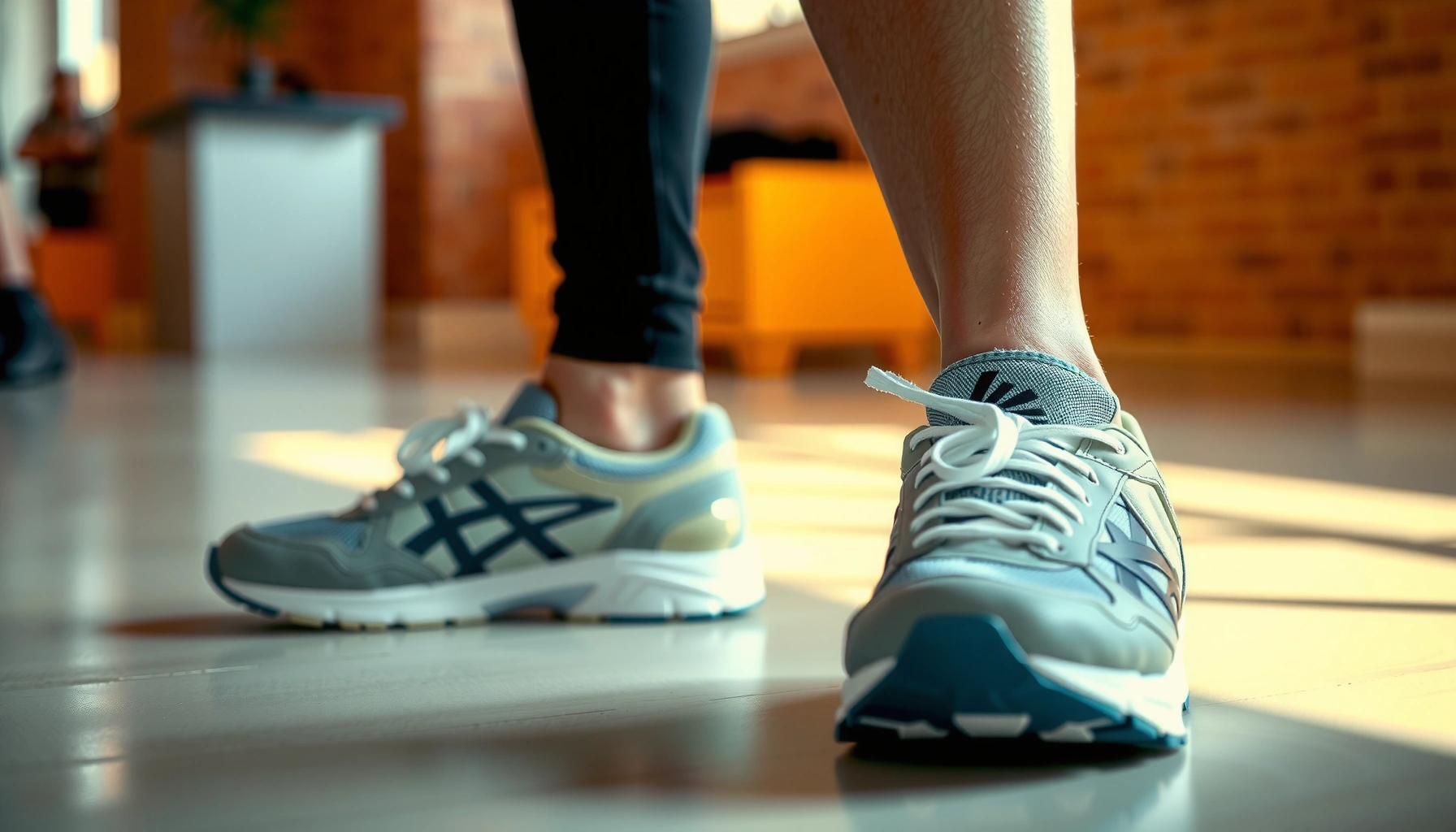
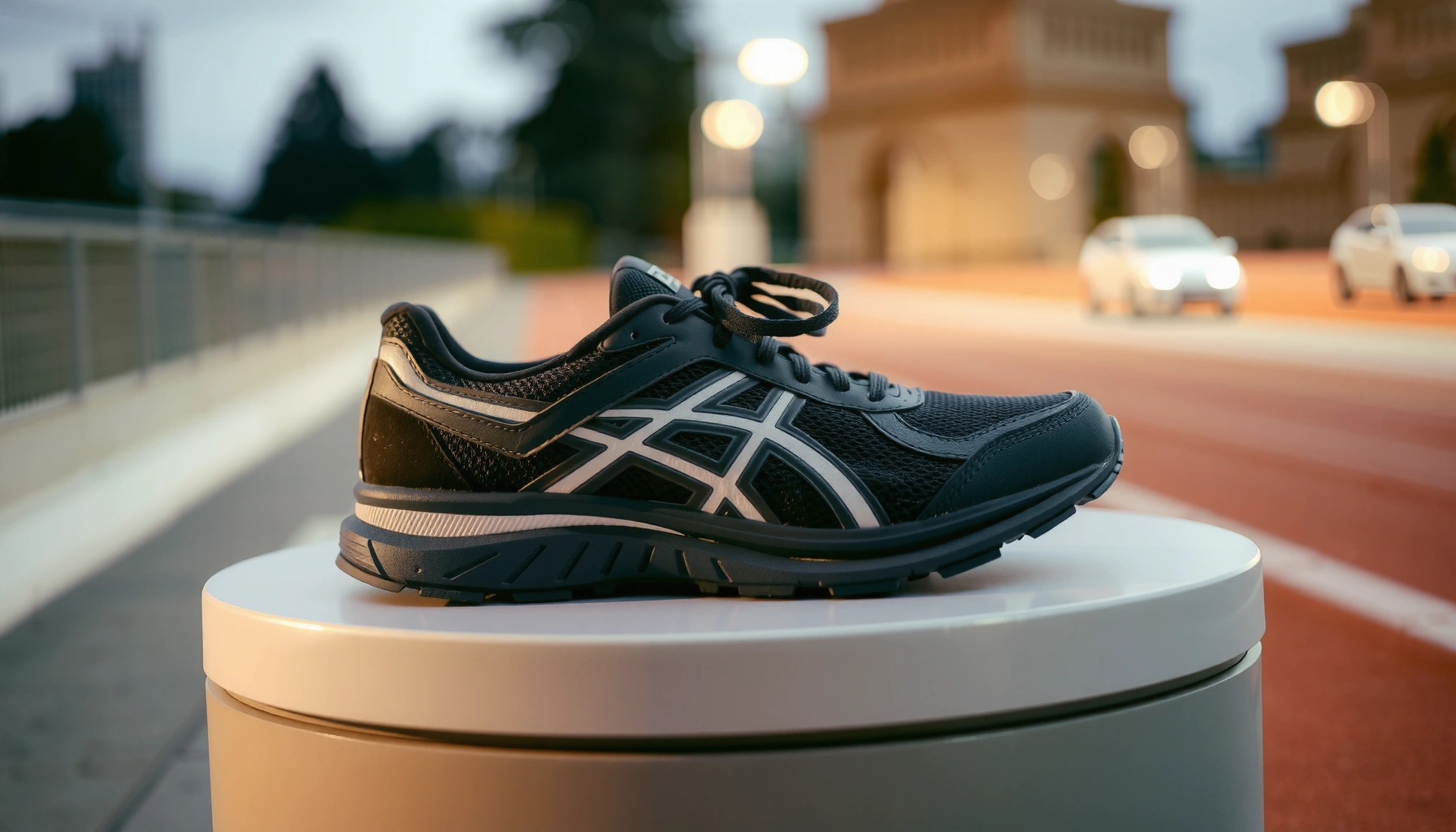
* Athletic and Walking Shoes: For men with active lifestyles or those who spend a significant amount of time on their feet, athletic and walking shoes are often the best choice for everyday wear. These styles are specifically engineered for performance and endurance, incorporating maximum cushioning, breathable materials (like mesh uppers), and advanced shock-absorption technologies. They offer exceptional support, stability, and flexibility, which are crucial for maintaining proper foot mechanics during physical activity. Look for models that emphasize a wide and deep toe box, seamless interiors, and robust arch support. Brands known for their therapeutic athletic lines often integrate features such as padded collars, Achilles tendon protection, and extra-wide sizing options, making them ideal for managing diabetes while staying active and comfortable.
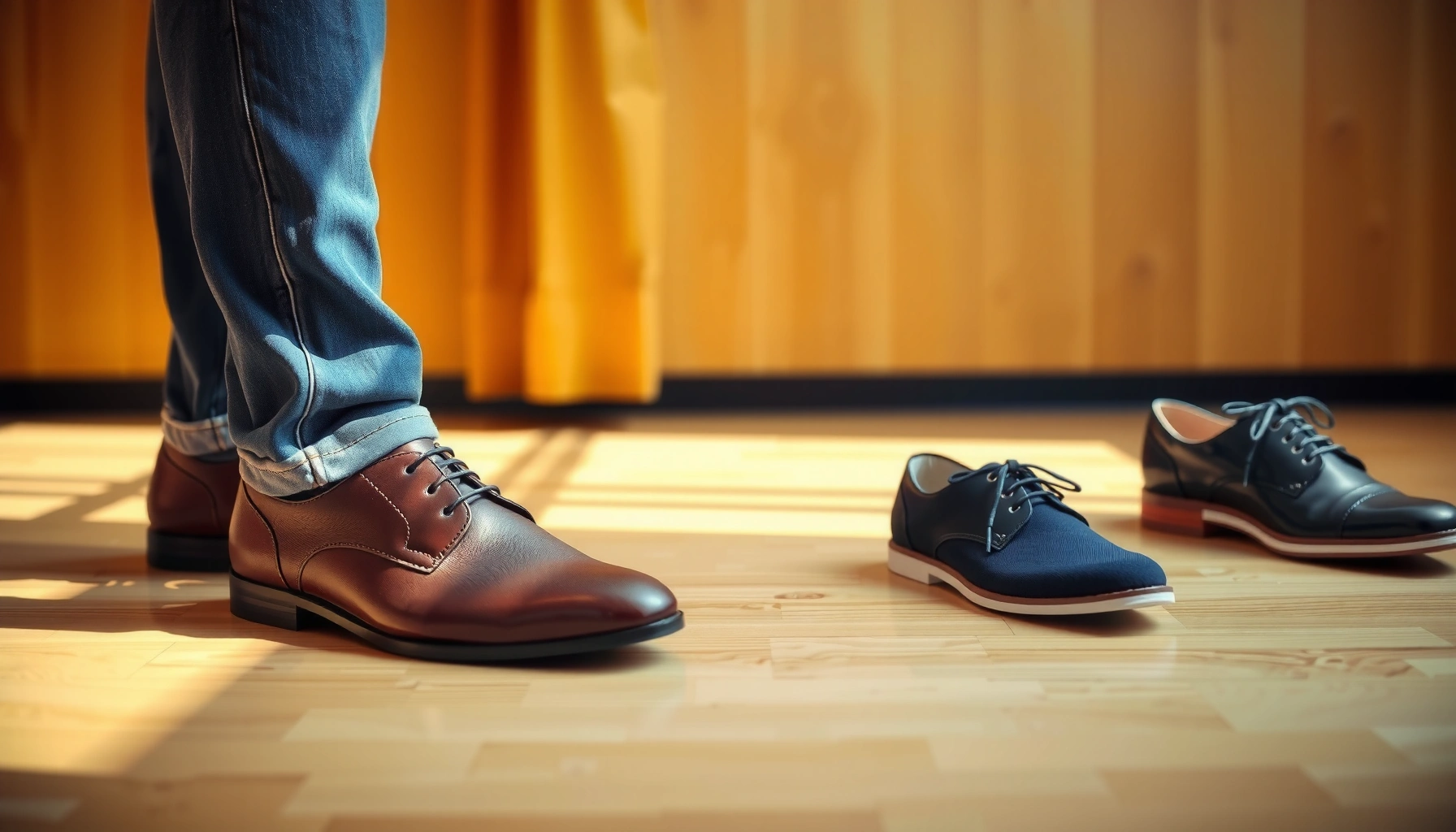
* Casual and Dress Shoes: Men require footwear that meets professional and social demands without compromising foot health. Fortunately, many manufacturers now offer casual and dress shoes that incorporate diabetic-friendly features without sacrificing style. When selecting these, prioritize materials like soft, genuine leather or high-quality synthetics that conform to the foot without constricting it. Look for designs that maintain a wide toe box and offer adequate depth, often featuring hidden elastic goring or subtle adjustable closures for a comfortable fit. While they might not have the same level of aggressive cushioning as athletic shoes, quality diabetic dress shoes will still feature cushioned insoles, seamless linings, and supportive, non-slip outsoles. These options ensure that protection against pressure points and friction is maintained, allowing men to participate in professional settings and social events confidently and comfortably.
* Therapeutic or Custom-Molded Shoes: For individuals with more advanced foot complications, significant deformities (such as Charcot foot), severe neuropathy, or a history of recurrent ulcers, therapeutic or custom-molded shoes are often prescribed. These specialized shoes offer the highest level of protection and customization. Therapeutic shoes are typically prescribed by a podiatrist and can be billed to insurance when medically necessary. They feature extra depth to accommodate custom orthotics, wider widths, and highly protective, rigid soles. Custom-molded shoes, on the other hand, are individually crafted from a cast of the patient’s foot. This bespoke approach ensures a perfect, pressure-free fit that precisely matches the unique contours of the foot, providing maximum protection, stability, and comfort where off-the-shelf solutions are insufficient. These shoes are paramount in preventing further complications and facilitating healing for high-risk individuals.
Achieving the Perfect Fit: A Critical Step
Even the most technologically advanced diabetic shoe won’t provide adequate protection if it doesn’t fit correctly. Achieving the perfect fit is arguably the most critical step in preventing foot complications. It’s a precise process that requires attention to detail and patience.
* Measure Your Feet Regularly: Foot size is not static; it can change due to swelling, weight fluctuations, or age. It is imperative to have both feet measured professionally each time you purchase new shoes, rather than relying on past sizes. Always measure your feet later in the day, as feet naturally swell and are at their largest then. This ensures that shoes purchased will comfortably accommodate your feet even at their maximum size, preventing tightness and pressure points. Pay attention not only to length but also to width, as many individuals require wider shoes than they realize. Professional measurement should include both arches and comprehensive width analysis, taking into account any deformities.
* Try Shoes with Your Diabetic Socks: The type of socks you wear significantly impacts shoe fit. Always try on shoes while wearing the specific diabetic socks you intend to use with them. Diabetic socks are typically thicker than regular socks, seamless, and non-binding, and wearing them during a fitting ensures that the shoe will have adequate space to accommodate both the foot and the sock comfortably without feeling tight or restrictive. This step is crucial for an accurate assessment of the shoe’s internal volume and to prevent any unexpected pressure once the socks are on.
* Ensure No Pressure Points or Rubbing: A common misconception is that new shoes need a “breaking-in” period. This is absolutely not the case for diabetic shoes. They should feel comfortable immediately upon trying them on, with no areas of tightness, rubbing, or pressure. Walk around the store for several minutes to assess the fit and feel. Pay close attention to the toes, heels, and the sides of the feet. There should be approximately half an inch (a thumb’s width) of space between your longest toe and the end of the shoe. The widest part of your foot should align with the widest part of the shoe, and the heel should fit snugly without slipping. Any sensation of pinching, rubbing, or discomfort indicates an improper fit, and that particular pair should be avoided. Prioritizing immediate comfort and a perfect, pressure-free fit is non-negotiable for diabetic foot health.
Top Considerations Beyond the Shoe Itself
While the shoe itself is paramount, comprehensive diabetic foot care extends beyond just the footwear. A holistic approach involves integrating other critical elements that work in conjunction with your shoes to maximize protection and maintain optimal foot health.
* Diabetic Socks: The right pair of socks is as important as the right pair of shoes. Diabetic socks are specifically designed to complement therapeutic footwear and protect sensitive feet. They are typically seamless to eliminate friction points, non-binding to prevent constriction and promote healthy circulation (often featuring a loose-fitting top band), and made from soft, moisture-wicking materials such as bamboo, merino wool, or specialized synthetic blends. These materials help keep feet dry, preventing fungal infections and skin maceration. Padded soles often provide extra cushioning and protection. Always avoid socks with tight elastic bands or prominent seams that can cut off circulation or create pressure indentations, which can lead to skin breakdown. Integrating high-quality diabetic socks into your daily routine is an essential yet often overlooked component of foot care.
* Custom Orthotics: For many men with diabetes, custom orthotics are an invaluable addition to their footwear regimen. These are not standard over-the-counter insoles, but rather prescription medical devices custom-made by a podiatrist or orthotist to specifically fit your foot and address unique biomechanical needs. Custom orthotics provide targeted support, correct gait imbalances, and redistribute pressure away from high-risk areas. For example, they can relieve pressure on calluses or ulcers, support collapsed arches, or stabilize foot deformities. By optimizing foot function and cushioning, orthotics work synergistically with diabetic shoes to prevent abnormal pressure that leads to skin breakdown and injury. Consulting with a podiatrist to determine if custom orthotics are appropriate for your specific foot structure and diabetic complications is highly recommended.
* Regular Foot Inspections and Professional Care: Regardless of how well-chosen your shoes and socks are, diligent self-care and professional oversight remain critical. Men with diabetes should perform daily self-inspections of their feet, meticulously checking for any cuts, blisters, redness, swelling, ingrown toenails, or changes in skin or nail condition. Early detection of any issue allows for prompt intervention before it escalates into a serious complication. Use a mirror or ask a family member for assistance if reaching or seeing your feet is difficult. In addition to daily self-checks, routine visits to a podiatrist are crucial. These professionals can identify subtle changes, address minor issues before they become major problems, trim toenails safely, remove calluses, and provide expert guidance on footwear, orthotics, and general foot care. For men with diabetes, regular professional foot care is not an option but a vital component of a comprehensive health management plan.
Selecting the right footwear is a foundational element of diabetic foot care, offering essential protection and comfort that can significantly impact a man’s overall health and quality of life. By prioritizing shoes with key features like a spacious toe box, seamless design, superior cushioning, and proper support, along with diligent fitting practices, men with diabetes can proactively safeguard their feet against the severe complications associated with the condition. Don’t wait for issues to arise; invest in your foot health today. Furthermore, consult with your doctor or a podiatrist to ensure you’re making the best choices for your specific needs, integrating specialized footwear with appropriate socks, custom orthotics, and regular professional care for a truly comprehensive approach to diabetic foot management.
Frequently Asked Questions
What key features should men with diabetes prioritize when selecting shoes for optimal foot health?
Men with diabetes should prioritize shoes with a wide, deep toe box to prevent pressure and accommodate foot changes, along with a seamless interior to minimize friction and rubbing that can cause sores. Look for supportive soles with good shock absorption to reduce impact on the feet, and adjustable closures like Velcro or laces to ensure a secure, customizable fit throughout the day, even with minor swelling. Breathable materials are also crucial to keep feet dry and prevent fungal infections.
Why is it essential for men with diabetes to wear specialized or protective footwear, even without current foot complications?
It is crucial because diabetes can lead to neuropathy, reducing sensation, and poor circulation, hindering healing. Specialized diabetic footwear is designed to prevent common foot problems by providing extra cushioning, reducing pressure points, and offering superior protection against injuries. Proactive use of appropriate shoes can significantly lower the risk of developing serious complications like foot ulcers and infections, which can have severe consequences for individuals with diabetes.
How can men with diabetes ensure they choose the correct shoe size and fit, especially with concerns like neuropathy or swelling?
To ensure a correct fit, men with diabetes should have their feet professionally measured, preferably later in the day when feet are typically at their largest due to natural swelling. Always try on both shoes, walking around to check for any pressure points, rubbing, or tightness, ensuring there’s about a thumb’s width of space between your longest toe and the end of the shoe. With neuropathy, it’s vital to visually inspect the fit and feel for comfort, as reduced sensation can mask poor fit.
Which specific types of shoes are generally recommended for men with diabetes for different activities, from casual wear to light exercise?
For daily casual wear, supportive walking shoes or specialized therapeutic sneakers with ample cushioning and a wide toe box are highly recommended. For light exercise, athletic shoes designed for stability and shock absorption, ensuring they accommodate any custom orthotics, are ideal. If choosing sandals, opt for styles with closed toes or significant coverage, adjustable straps, and a supportive footbed, always avoiding open-toed or flip-flop designs that offer minimal protection.
Are there stylish shoe options available for men with diabetes that don’t compromise on necessary foot protection and comfort?
Absolutely, the market for diabetic footwear has significantly evolved, offering a wide range of stylish options that combine modern aesthetics with essential foot protection. Many brands now specialize in therapeutic shoes that look like regular dress shoes, boots, or fashionable sneakers, incorporating features like wide widths, seamless interiors, and cushioned soles without sacrificing style. Men with diabetes can find sophisticated designs that meet their health needs, often available in various colors and materials.
References
- https://diabetes.org/healthy-living/medication-treatments/foot-care/footwear-finding-right-fit
- https://www.cdc.gov/diabetes/managing/foot-care.html
- https://www.niddk.nih.gov/health-information/diabetes/overview/preventing-problems/diabetic-neuropathy
- Crohn’s disease – Symptoms and causes – Mayo Clinic
- https://my.clevelandclinic.org/health/diseases/21495-diabetic-foot-care
- https://www.apma.org/patients/foothealthinfo/diabeticfootwear.cfm
- Diabetic foot