When looking for the best salad for diabetics, the key is to prioritize a balanced mix of non-starchy vegetables, lean proteins, healthy fats, and fiber, while carefully managing carbohydrate content and avoiding hidden sugars. The ideal diabetic-friendly salad will help regulate blood sugar, promote satiety, and provide essential nutrients without compromising on flavor or satisfaction. This guide will walk you through crafting delicious and healthy salads tailored for managing diabetes.



The Ideal Diabetic-Friendly Salad Formula
A well-constructed salad can be a cornerstone of a diabetic diet, offering a wealth of nutrients and fiber while keeping blood sugar levels stable. The secret lies in understanding the foundational elements that contribute to both health and taste.
* Focus on Non-Starchy Vegetables: These vegetables are the workhorses of a diabetic-friendly salad. Comprising the largest portion of your plate, they offer significant volume and fiber content with a minimal impact on blood glucose levels. Their high water content also contributes to hydration and satiety, helping you feel full on fewer calories. Rich in vitamins, minerals, and antioxidants, non-starchy vegetables provide essential micronutrients vital for overall health and disease management. They are incredibly versatile, offering diverse textures and flavors that form a robust and satisfying base without spiking blood sugar.
* Include Lean Protein and Healthy Fats: Protein and healthy fats are crucial for managing diabetes, primarily due to their roles in satiety and blood sugar regulation. Lean protein sources help to build and repair tissues, maintain muscle mass, and significantly contribute to feelings of fullness, which can prevent overeating and subsequent blood sugar spikes. Healthy fats, particularly monounsaturated and polyunsaturated fats, are heart-healthy and play a vital role in slowing down the absorption of glucose into the bloodstream. This slower absorption helps to prevent rapid blood sugar surges after meals. Furthermore, healthy fats enhance the absorption of fat-soluble vitamins (A, D, E, K) found in your vegetables, maximizing the nutritional benefit of your salad.
* Prioritize Fiber and Complex Carbohydrates: Fiber is a superstar nutrient for individuals managing diabetes. Both soluble and insoluble fibers are essential. Soluble fiber, found in foods like beans and some vegetables, dissolves in water to form a gel-like substance, which can slow down digestion and the absorption of sugar, thereby helping to stabilize blood glucose levels. Insoluble fiber adds bulk to stool and promotes digestive health. When incorporating carbohydrates into a diabetic-friendly salad, the focus should be on complex carbohydrates in controlled portions. These carbohydrates, typically found in whole grains or legumes, are digested more slowly than simple sugars, providing a sustained release of energy rather than a sharp spike, helping to maintain energy levels throughout the day without adversely affecting blood sugar.
Building Your Base: Leafy Greens & Non-Starchy Veggies
The foundation of any great salad, especially one tailored for diabetes management, begins with a generous and colorful assortment of leafy greens and non-starchy vegetables. These ingredients provide bulk, essential nutrients, and fiber without adding excessive carbohydrates.
* Choose Dark, Leafy Greens: Dark, leafy greens are nutritional powerhouses and should form the bulk of your salad base.
* Spinach: Packed with iron, magnesium, folate, and vitamins K and A, spinach has a mild flavor that pairs well with almost anything.
* Kale: Known for its high content of vitamins A, C, and K, as well as powerful antioxidants, kale is a more robust green that can be massaged with a little olive oil to soften its texture.
* Romaine Lettuce: Offers a satisfying crunch and a good source of vitamins A and K, with a relatively neutral flavor that allows other ingredients to shine.
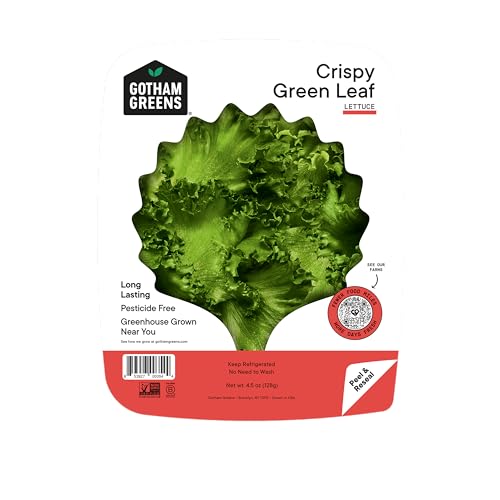
* Mixed Greens: Often a blend of various lettuces and tender greens like butter lettuce, red leaf, and green leaf, providing a diverse nutrient profile and interesting textures.
* Arugula: Adds a peppery, slightly bitter kick, rich in vitamins C and K, and beneficial for digestion. These greens are virtually carbohydrate-free and contribute significantly to overall nutrient intake.
* Load Up on Colorful Non-Starchy Vegetables: The more colors you include, the broader the spectrum of vitamins, minerals, and antioxidants you’ll consume.
* Cucumber: Primarily water, offering excellent hydration and a refreshing crunch with very few carbohydrates.
* Bell Peppers (all colors): Especially red, yellow, and orange, which are loaded with vitamin C and antioxidants, adding vibrant color and a sweet crunch. Green bell peppers are slightly more bitter but still excellent.
* Cherry Tomatoes: Bursting with lycopene, an antioxidant, and adding a juicy sweetness.
* Radishes: Provide a peppery bite and a crisp texture, good for detoxification.
* Mushrooms: Offer an umami flavor, B vitamins, and are low in calories and carbohydrates.
* Broccoli Florets and Cauliflower: These cruciferous vegetables are excellent sources of fiber, vitamin C, and various cancer-fighting compounds. They add a hearty texture and significant nutritional value.
* Be Mindful of Starchy Vegetables: While some starchy vegetables have nutritional benefits, their higher carbohydrate content means they should be limited or consumed in very small, controlled portions to prevent blood sugar spikes.
* Corn and Peas: Though sweet and often found in salads, they are higher in natural sugars and starch. Use sparingly, if at all.
* Carrots (in large quantities): While nutritious, their natural sugars can add up. A small handful for color and crunch is fine, but avoid large portions.
* Potatoes (especially white potatoes): Generally best to avoid in salads for diabetics due to their high glycemic index and significant carbohydrate load. Sweet potatoes can be used in very small, controlled amounts as they offer more fiber and a slightly lower glycemic index. Focus instead on the non-starchy options to maximize volume and nutrient density without impacting blood sugar.
Powering Up with Lean Protein Sources
Incorporating sufficient lean protein is essential in a diabetic-friendly salad. Protein contributes to satiety, helps maintain muscle mass, and slows down carbohydrate absorption, leading to more stable blood sugar levels.
* Opt for Grilled or Baked Proteins: These cooking methods are preferable as they minimize added fats and preserve the integrity of the protein.
* Skinless Chicken Breast: A versatile, low-fat source of complete protein. Grilling or baking keeps it tender and flavorful. Cut into strips or cubes for easy mixing.
* Turkey: Similar to chicken, lean ground turkey or sliced turkey breast (from a whole cooked breast, not deli meat which can be high in sodium) is an excellent option.
* Baked Salmon: An outstanding choice, rich in omega-3 fatty acids (which are beneficial for heart health and reducing inflammation) in addition to being a high-quality protein. Bake or pan-sear it with minimal oil.
* Tuna (canned in water): A convenient, budget-friendly protein. Ensure it’s packed in water, not oil, to control fat intake. Flake it into your salad.
* Cod or other white fish: Mild-flavored, lean, and easily digestible. Baked or steamed, it flakes beautifully into salads.
* Consider Plant-Based Proteins: For those following a vegetarian or vegan diet, or simply looking to diversify their protein sources, plant-based options are rich in fiber and contribute to a well-rounded meal.
* Lentils: High in fiber, protein, and iron. They have a low glycemic index and are excellent for blood sugar management. Cooked lentils can be added warm or cold.
* Chickpeas (Garbanzo Beans): Another fantastic source of fiber and plant protein. Rinse canned chickpeas thoroughly to remove excess sodium. They add a satisfying texture and nutty flavor.
* Black Beans (rinsed): Rich in fiber, protein, and antioxidants. Like chickpeas, rinsing canned beans is crucial. They pair well with Southwestern-inspired salads.
* Edamame: Whole, shelled edamame beans are a complete plant protein, offering all nine essential amino acids, along with fiber and vitamins.
* Tofu or Tempeh: These soy-based proteins are incredibly versatile. Tofu can be pressed, cubed, and baked or pan-fried until crispy. Tempeh, a fermented soy product, has a firmer texture and nutty flavor, perfect for marinating and grilling.
* Eggs and Dairy Options: These provide additional protein and can add variety to your salad.
* Hard-boiled Eggs: A convenient and complete source of protein. Slice or chop them into your salad for an easy boost.
* A small amount of low-fat Cottage Cheese: While not typically a salad topping, a spoonful on the side or mixed in can provide a good source of slow-digesting casein protein and calcium. Ensure it’s low-fat and contains no added sugars.
Healthy Fats for Flavor and Fullness
Healthy fats are essential for enhancing flavor, promoting satiety, and facilitating the absorption of fat-soluble vitamins. Crucially, they also help to slow digestion, which contributes to more stable blood sugar levels.
* Add Avocado Slices: Avocado is a powerhouse of healthy monounsaturated fats, particularly oleic acid, which is known for its heart-healthy benefits. Beyond fats, avocados are rich in fiber, potassium (important for blood pressure regulation), and vitamins K, C, B, and E. Their creamy texture adds a luxurious mouthfeel to any salad, making it more satisfying and helping to keep hunger at bay for longer periods. A quarter to half an avocado per serving is a good portion.
* Sprinkle Nuts and Seeds: Nuts and seeds are concentrated sources of healthy fats, fiber, protein, vitamins, and minerals. They provide a delightful crunch and a nutritional boost.
* Almonds: Rich in vitamin E, magnesium, and healthy fats.
* Walnuts: Known for their omega-3 fatty acids, which are beneficial for brain and heart health.
* Pecans: Contain antioxidants and monounsaturated fats.
* Chia Seeds and Flaxseeds: Excellent sources of omega-3s (ALA), fiber, and lignans. They can be sprinkled over the salad or incorporated into dressings.
* Pumpkin Seeds (Pepitas): Provide magnesium, zinc, and healthy fats.
A small handful (about 1-2 tablespoons) is generally sufficient to reap the benefits without adding excessive calories. Always opt for raw or dry-roasted, unsalted varieties to avoid added sodium and sugars.
* Use Olive Oil-Based Dressings: Extra virgin olive oil (EVOO) is a cornerstone of the Mediterranean diet and a superior choice for salad dressings. It is primarily composed of monounsaturated fats and is rich in antioxidants and anti-inflammatory compounds. Using EVOO as the base for your dressings ensures you’re getting a heart-healthy fat that supports overall well-being. It helps in the absorption of fat-soluble vitamins from the vegetables and contributes significantly to the salad’s flavor and your sense of fullness. Homemade dressings allow for complete control over ingredients, ensuring no hidden sugars or unhealthy additives.
Mindful Dressings and Toppings
The dressing and extra toppings can make or break a diabetic-friendly salad. Often, these elements are where hidden sugars, unhealthy fats, and excess calories can sabotage an otherwise healthy meal.
* Avoid Creamy, Sugary, or Fruit-Heavy Dressings: This is perhaps the most critical rule for diabetic-friendly salads. Many commercially prepared dressings are laden with ingredients that can rapidly spike blood sugar.
* Creamy Dressings: Such as ranch, blue cheese, or Caesar, are often high in saturated and unhealthy fats, sodium, and sometimes hidden sugars.
* Sugary Dressings: Look out for honey mustard, French dressing, or many “light” options, which compensate for reduced fat by adding significant amounts of sugar, high-fructose corn syrup, or other sweeteners.
* Fruit-Heavy Dressings: While fruit itself can be healthy in moderation, many fruit vinaigrettes contain concentrated fruit juices and added sugars that can contribute to blood sugar spikes. Always read nutrition labels carefully, looking for low sugar and carbohydrate counts.
* Make Your Own Vinaigrettes: Crafting your own dressing is simple, cost-effective, and guarantees control over every ingredient. A homemade vinaigrette can elevate your salad with fresh, vibrant flavors without the unhealthy additives.
* Base: Start with 2-3 parts high-quality extra virgin olive oil.
* Acid: Add 1 part apple cider vinegar, red wine vinegar, balsamic vinegar (check for added sugar), or fresh lemon juice. Apple cider vinegar, in particular, has been studied for its potential benefits in blood sugar control.
* Flavor Boosters: Incorporate fresh or dried herbs like dill, oregano, basil, or parsley. Minced garlic, a pinch of black pepper, and a small amount of Dijon mustard (which acts as an emulsifier) can also add depth.
* Sweetness (Optional and Minimal): If you desire a touch of sweetness, use a tiny amount of a natural, calorie-free sweetener like stevia or monk fruit extract, or a very small drizzle of pure maple syrup.
This formula allows for endless customization to suit your palate.
* Watch Out for High-Carb Toppings: Just as with dressings, some popular salad toppings can quickly add unwanted carbohydrates and sugars.
* Croutons: Typically made from refined white bread, croutons offer empty calories and can significantly increase the carbohydrate content of your salad.
* Candied Nuts: While plain nuts are healthy, candied varieties are coated in sugar, turning a beneficial ingredient into a less-desirable one.
* Dried Fruits: Raisins, cranberries, and other dried fruits are highly concentrated sources of natural sugars, meaning a small serving can have a substantial impact on blood sugar. Opt for a small handful of fresh berries instead if you crave fruit.
* Excessive Amounts of Cheese: While a small amount of cheese can provide protein and calcium, many cheeses are high in saturated fat and sodium. Use strong-flavored cheeses like feta or goat cheese sparingly to add flavor without overdoing it.
Instead, consider toppings like toasted seeds, a sprinkle of nutritional yeast for a cheesy flavor, or a few olives for a savory punch.
Sample Diabetic-Friendly Salad Combinations
Putting all these principles into practice makes crafting delicious and blood-sugar-friendly salads an enjoyable and simple task. Here are a few examples to inspire your culinary creations:
* Mediterranean Chickpea Salad: This vibrant salad is packed with fiber, healthy fats, and lean protein, embodying the principles of diabetic-friendly eating.
* Base: A generous bed of mixed greens or fresh spinach.
* Veggies: Crisp cucumber slices, juicy cherry tomatoes, colorful bell peppers (red, yellow, orange), and a handful of Kalamata olives for healthy fats and briny flavor.
* Protein/Fiber: One cup of rinsed chickpeas provides substantial fiber and plant-based protein.
* Fat/Flavor: A small sprinkle of crumbled feta cheese (in moderation for flavor without excess saturated fat).
* Dressing: A homemade lemon-oregano vinaigrette (extra virgin olive oil, fresh lemon juice, dried oregano, minced garlic, salt, and pepper). This combination is incredibly satisfying and rich in antioxidants.
* Grilled Chicken & Avocado Salad: A classic, hearty salad that provides a balanced mix of lean protein, healthy fats, and nutrient-dense greens, perfect for a main meal.
* Base: Crisp romaine lettuce, which offers a satisfying crunch.
* Protein: Sliced grilled chicken breast strips, ensuring a lean and complete protein source.
* Healthy Fats: Creamy avocado slices, providing monounsaturated fats and a rich texture.
* Veggies: Bright cherry tomatoes and thinly sliced red onion for a pungent kick and additional nutrients.
* Dressing: A simple, light olive oil and balsamic vinegar dressing (check balsamic for added sugars; a good quality one often has minimal to none). You can enhance it with a touch of Dijon mustard and black pepper.
* Spinach & Berry Salad with Pecans: This salad offers a refreshing blend of flavors and textures, with controlled fruit portions and healthy fats.
* Base: Tender baby spinach, rich in iron and vitamins.
* Fruit (in moderation): A small handful of mixed berries, such as strawberries and blueberries. Berries are lower in sugar compared to many other fruits and are packed with antioxidants.
* Healthy Fats/Crunch: Toasted pecan halves, providing healthy fats, fiber, and a satisfying crunch.
* Dressing: A light, sugar-free poppy seed dressing. This can be made with extra virgin olive oil, apple cider vinegar, a natural calorie-free sweetener, Dijon mustard, and poppy seeds. The sweetness from the berries complements the earthy spinach and nutty pecans beautifully.
Crafting the best salad for managing diabetes is all about informed choices, focusing on whole, unprocessed ingredients that nourish your body and keep blood sugar levels stable. By following these guidelines, you can create a wide variety of delicious, satisfying, and blood-sugar-friendly salads. Experiment with different combinations of greens, proteins, healthy fats, and low-carb vegetables to discover your favorite creations and make healthy eating an enjoyable part of your diabetes management plan. Remember that consistent monitoring of your blood glucose levels, along with consultation with healthcare professionals, remains paramount in successfully managing diabetes through diet.
Frequently Asked Questions
What makes a salad ideal for managing diabetes, and what are key ingredients to include?
An ideal salad for managing diabetes focuses on ingredients that help stabilize blood sugar, provide lasting fullness, and deliver essential nutrients. Key components include a generous base of non-starchy vegetables (like leafy greens, cucumbers, bell peppers), lean protein sources (grilled chicken, fish, tofu, legumes), and healthy fats (avocado, nuts, seeds). This combination ensures high fiber, low glycemic impact, and sustained energy, making it a powerful tool for blood sugar control.
Which salad dressings are best for diabetics, and which should be avoided?
For diabetics, the best salad dressings are typically homemade vinaigrettes made with olive oil, vinegar (apple cider or balsamic), herbs, and spices, as they are naturally low in sugar and unhealthy fats. It’s crucial to avoid creamy dressings like ranch, Caesar, or honey mustard, along with many store-bought options, which often contain hidden added sugars, high sodium, and saturated fats that can negatively impact blood glucose levels and heart health. Always check nutrition labels carefully for sugar and fat content.
How can I build a satisfying salad that won’t spike my blood sugar?
To build a satisfying, blood sugar-friendly salad, start with a diverse base of fibrous non-starchy vegetables to provide bulk and nutrients without excessive carbs. Next, add a substantial portion of lean protein, such as grilled chicken breast, salmon, or chickpeas, to promote satiety and slow digestion. Incorporate healthy fats like a quarter avocado or a small handful of nuts, and consider a small serving of complex carbohydrates like quinoa or lentils for sustained energy without blood sugar spikes.
Are there common salad ingredients diabetics should limit or avoid entirely?
Diabetics should limit or avoid salad ingredients high in added sugars, unhealthy fats, and refined carbohydrates that can rapidly spike blood sugar. This includes sugary dried fruits, candied nuts, excessive croutons, starchy vegetables in large quantities (like corn or peas), and high-fat, processed meats or cheeses. These components can quickly turn an otherwise healthy salad into a less ideal option for glucose management and overall heart health.
Why are salads often recommended as a great meal option for diabetics?
Salads are highly recommended for diabetics primarily due to their potential to be rich in fiber, vitamins, and minerals, especially when packed with non-starchy vegetables. The high fiber content helps slow the absorption of glucose, leading to more stable blood sugar levels and improved glycemic control. When properly constructed with lean proteins and healthy fats, salads offer a nutrient-dense, low-glycemic meal that promotes satiety, supports weight management, and contributes to overall well-being.
References
- https://www.diabetes.org/healthy-living/recipes/healthy-salads
- https://extension.umd.edu/resource/diabetes-friendly-recipes
- https://www.uaex.uada.edu/life-skills-wellness/health/diabetes/diabetic-recipes.aspx
- Healthy Living with Diabetes – NIDDK
- https://www.mayoclinic.org/diseases-conditions/diabetes/in-depth/diabetes-meal-plan/art-20046555
- https://www.cdc.gov/diabetes/managing/eat-well.html
- https://www.health.harvard.edu/diseases-and-conditions/type-2-diabetes/eating-well-with-type-2-diabetes