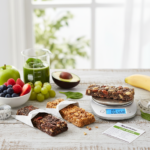
When managing diabetes, choosing the right type of oats can significantly impact blood sugar control. The best oats for diabetes are generally steel-cut oats and rolled (old-fashioned) oats due to their higher fiber content and lower glycemic index, which help to slow down glucose absorption and prevent sharp spikes. This guide will help you understand why these options are superior and how to incorporate them effectively into your diet for better health management.




Understanding Oats and Blood Sugar
Oats are a remarkable whole grain, celebrated globally for their nutritional density and numerous health benefits, particularly their significant role in blood sugar management for individuals with diabetes. Their primary strength lies in their richness in soluble fiber, specifically a potent type known as beta-glucan. This unique fiber forms a gel-like substance in the digestive tract, which is instrumental in slowing down the digestion and absorption of carbohydrates. By doing so, it mitigates the rapid influx of glucose into the bloodstream, preventing the sharp, undesirable blood sugar spikes often associated with less fiber-rich carbohydrate sources. This controlled release of glucose is crucial for maintaining stable blood sugar levels, a cornerstone of effective diabetes management.
The processing method of oats directly impacts their glycemic index (GI), influencing how quickly they raise blood sugar. The glycemic index is a system that ranks carbohydrate-rich foods based on their effect on blood glucose levels over a specific period. Minimally processed oats, with their intact structure, require more time and effort for the body to break down, resulting in a lower GI. Conversely, highly processed oats have their structure significantly altered, making their carbohydrates readily available for quick absorption and a higher GI. Understanding this distinction is vital, as a lower GI translates to a slower, more gradual rise in blood sugar, which is far more beneficial for individuals managing diabetes.
Beyond immediate blood sugar control, regular consumption of appropriate oat types can contribute to improved insulin sensitivity and cholesterol levels over time. Enhanced insulin sensitivity means the body’s cells respond more effectively to insulin, enabling better glucose uptake and reducing the need for the pancreas to produce excessive amounts of insulin. This can lead to more stable long-term blood sugar levels and potentially reduce the risk of diabetes-related complications. Furthermore, the beta-glucan in oats has been extensively studied for its lipid-lowering effects. It binds to bile acids in the gut, leading to their excretion, which prompts the liver to draw cholesterol from the blood to produce more bile, thereby reducing LDL (“bad”) cholesterol levels. This dual benefit of improving both blood sugar and cholesterol makes oats an exceptionally valuable addition to a diabetes-friendly diet, supporting not only glycemic control but also cardiovascular health, which is a significant concern for many individuals with diabetes.
Steel-Cut Oats: The Premier Choice
Steel-cut oats stand out as the gold standard for individuals managing diabetes, primarily due to their minimal processing and profound nutritional integrity. Unlike other oat varieties, steel-cut oats are simply whole oat groats (the hulled kernels of the oat plant) that have been cut into two or three pieces with steel blades, hence their name. This process leaves the oat groat largely intact, preserving its robust structure, dense fiber content, and rich nutritional profile. Their unrefined nature means they retain virtually all of their beneficial compounds, including a full spectrum of vitamins, minerals, and antioxidants, alongside their potent fiber.
The minimal processing directly translates to their lowest glycemic index (GI) among all oat types. Because their structure remains so integral, the digestive enzymes in the body must work harder and longer to break them down. This extended digestion process ensures a gradual and sustained release of glucose into the bloodstream, rather than a rapid surge. For individuals with diabetes, this means a stable and gentle rise in blood sugar, avoiding the dangerous peaks and subsequent crashes that can undermine glycemic control. This slow energy release also contributes to sustained satiety, helping to curb hunger and reduce the likelihood of overeating, which is beneficial for weight management, a critical aspect of diabetes care. While instant oats can have a GI above 70, steel-cut oats typically fall in the range of 55-60, making them a much safer choice.
The high fiber content of steel-cut oats is another cornerstone of their superiority. A typical serving (1/4 to 1/2 cup dry) can provide around 5 grams of dietary fiber, a significant portion of the recommended daily intake. This fiber, particularly beta-glucan, forms a viscous gel that slows down gastric emptying and carbohydrate absorption, directly contributing to their low GI. Beyond blood sugar benefits, this robust fiber profile promotes digestive health, supporting regularity and acting as a prebiotic to nourish beneficial gut bacteria. The inherent chewiness and density of steel-cut oats also require longer cooking times—typically 15-30 minutes—making them ideal for meal prepping, where a larger batch can be cooked once and refrigerated for quick breakfasts throughout the week. This combination of structural integrity, low GI, and high fiber content firmly establishes steel-cut oats as the premier choice for diabetes management.
Rolled Oats (Old-Fashioned): A Versatile Alternative
Rolled oats, commonly known as old-fashioned oats, offer a highly versatile and still highly beneficial alternative for diabetes management. Their processing involves a slightly different approach compared to steel-cut oats. Oat groats are first steamed to make them more pliable and to denature enzymes that could cause rancidity. Following this, they are flattened by large rollers into thin flakes. This steaming and flattening process increases their surface area and reduces their cooking time significantly compared to steel-cut oats, typically cooking in about 5-10 minutes. Despite this processing, rolled oats retain a substantial portion of their fiber, nutrient profile, and structural integrity, making them an excellent choice for a balanced diet.
While slightly higher in glycemic index (GI) than steel-cut oats, rolled oats still represent a very good choice for diabetes management, especially when prepared thoughtfully. Their GI typically ranges from 55-65, which is still considered moderate and significantly better than the high GI of instant oats. The key to maximizing their benefits for blood sugar control lies in how they are prepared and what they are paired with. Combining rolled oats with protein sources, healthy fats, and additional fiber (like berries or chia seeds) can further slow down digestion and mitigate any potential blood sugar spikes, making them an effective tool in a diabetes-friendly meal plan.
One of the most appealing aspects of rolled oats is their incredible versatility, making them ideal for a wide range of preparations, including both cooking and baking. Their softer texture after cooking, yet ability to hold their shape, makes them perfect for creating hearty breakfast bowls. For those seeking convenience, rolled oats are the quintessential ingredient for overnight oats. This method involves simply combining rolled oats with liquid (milk or a milk alternative) and other desired ingredients (chia seeds, berries, nuts) and allowing them to soak in the refrigerator overnight. This no-cook preparation can even enhance their blood sugar benefits, as the cold preparation and extended soaking time may increase their resistant starch content, which acts like fiber and further contributes to lower post-meal glucose responses. In baking, rolled oats shine in healthy muffins, cookies, granola bars, and crumbles, adding fiber and texture. When using them in baking, it’s crucial to select recipes that are low in added sugars and high in other beneficial ingredients to align with diabetes management principles. Their adaptability makes it easy to consistently incorporate this beneficial whole grain into a varied and enjoyable diet.
Oats to Be Mindful Of: Instant and Flavored Varieties
While oats, in general, are lauded for their health benefits, it is crucial for individuals managing diabetes to exercise significant caution, and often outright avoidance, when it comes to instant or quick oats and their pre-flavored varieties. These types of oats undergo extensive processing that fundamentally alters their nutritional impact on blood sugar.
Instant or quick oats are the most highly processed form of oats available. The oat groats are pre-cooked, dried, and then rolled much thinner and often cut into smaller pieces than old-fashioned oats. This intensive processing is specifically designed to minimize cooking time, allowing them to be prepared in just a minute or two with boiling water or a microwave. However, this convenience comes at a significant nutritional cost. The extensive processing breaks down the oat’s natural structure, increasing its surface area dramatically. While this allows for rapid hydration and quick cooking, it also means the carbohydrates within are much more accessible for rapid digestion and absorption by the body.
This rapid digestion is the primary reason instant oats pose a significant risk for individuals with diabetes, leading to potential for sharp sugar spikes. Their significantly higher glycemic index (GI), often ranging from 70 to 80 or even higher, means that they cause a much quicker and more pronounced elevation in blood glucose levels compared to steel-cut or rolled oats. Such rapid blood sugar elevations are detrimental for diabetes management, contributing to a “rollercoaster” effect of highs and lows that can strain the body’s insulin response and, over time, exacerbate insulin resistance. Consistent exposure to these spikes can make it challenging to maintain long-term glycemic control and increase the risk of diabetes-related complications.
Furthermore, a major concern with many instant oat packets lies in their hidden content of added sugars and artificial flavors. These conveniently packaged servings are frequently loaded with sweeteners such as sucrose, high-fructose corn syrup, brown sugar, or even less obvious forms of sugar, which further exacerbate blood sugar elevations. A single packet can contain several teaspoons of added sugar, turning what appears to be a healthy whole grain into a sugar-laden dessert. Beyond the direct impact on blood sugar, these added sugars contribute empty calories, offering no nutritional value and potentially leading to weight gain, which is often counterproductive for diabetes management. Additionally, many flavored varieties contain artificial sweeteners, colors, and flavorings that offer no health benefits and are best avoided. It is imperative for those with diabetes to scrutinize nutrition labels carefully, opting instead for plain, unsweetened varieties of steel-cut or rolled oats, where they have complete control over what ingredients are added.
Maximizing the Benefits of Oats for Diabetes
Even with the superior choices of steel-cut or rolled oats, strategic preparation and consumption are key to truly maximizing their benefits for diabetes management. It’s not just about what you eat, but how you eat it.
One of the most effective strategies is to pair oats with protein and healthy fats. While oats provide valuable complex carbohydrates and fiber, adding protein and healthy fats can significantly enhance blood sugar control and extend satiety. Protein slows down the digestion of carbohydrates, moderating the rise in blood glucose. Healthy fats, similarly, delay gastric emptying, leading to a more gradual release of sugars into the bloodstream and prolonged feelings of fullness.
* Protein additions: Consider stirring in a scoop of unflavored protein powder, a dollop of Greek yogurt or cottage cheese, or adding a hard-boiled egg on the side.
* Healthy fat additions: Incorporate a small handful of nuts (almonds, walnuts, pecans) or seeds (chia seeds, flax seeds, hemp seeds), which also boost fiber. A tablespoon of natural, unsweetened nut butter (almond, peanut) can also provide healthy fats and protein. These combinations create a more balanced meal that effectively blunts the glycemic response.
Next, focus on natural sweeteners and flavor enhancers instead of added sugars or syrups. The goal is to enjoy the natural goodness of oats without inadvertently turning them into a high-sugar meal.
* Berries: A small handful of fresh or frozen berries (blueberries, raspberries, strawberries) offers natural sweetness along with a powerful dose of antioxidants and additional fiber, with minimal impact on blood sugar.
* Cinnamon: This spice not only adds a warm, sweet flavor without sugar but has also been studied for its potential to improve insulin sensitivity and lower blood glucose levels, though it should not replace medication.
* Other options: A splash of pure vanilla extract, a sprinkle of unsweetened cocoa powder, or a pinch of nutmeg can elevate the flavor profile without adding problematic sugars. Avoid honey, maple syrup, or agave nectar, as these are still concentrated forms of sugar that can spike blood glucose levels, even if they are “natural.”
Finally, portion control is paramount, even for healthy oats. While steel-cut and rolled oats are excellent choices, they still contain carbohydrates, and consuming excessive amounts can still lead to elevated blood sugar levels. A typical serving size for cooked oats is often around 1/2 cup to 1 cup, depending on individual carbohydrate allowances and dietary needs. It is crucial to measure your dry oats before cooking to ensure you are consuming an appropriate portion. Understanding your personal carbohydrate targets, as advised by your healthcare provider or a registered dietitian, is essential. For example, if your meal plan allows for 30-45 grams of carbohydrates per meal, you would adjust your dry oat portion accordingly, factoring in any carbohydrates from milk, fruit, or other additions. Mindful eating and portioning ensure that oats contribute positively to your diabetes management strategy without inadvertently derailing your efforts.
Choosing the right oats, specifically steel-cut or rolled varieties, can be a powerful tool in your diabetes management strategy. By understanding their impact on blood sugar and preparing them mindfully with healthy additions, you can enjoy a nutritious and satisfying meal that supports your health goals. Always consult with your doctor or a registered dietitian to tailor dietary advice to your individual needs and medication regimen, ensuring your dietary choices align perfectly with your overall health plan.
Frequently Asked Questions
Which types of oats are best for individuals managing diabetes?
For effective blood sugar management, steel-cut oats and old-fashioned rolled oats are generally considered the best choices. These less-processed varieties have a lower glycemic index (GI) because they take longer for the body to digest, leading to a slower and more gradual rise in blood sugar compared to highly processed instant oats. Their high soluble fiber content is crucial for diabetic health.
Why are oats considered a good food choice for managing diabetes?
Oats are beneficial for diabetes management primarily due to their high soluble fiber content, especially beta-glucan. This fiber slows down the absorption of glucose into the bloodstream, helping to prevent sharp blood sugar spikes after meals. Regular consumption of oats can also improve insulin sensitivity and contribute to better long-term glycemic control.
How should people with diabetes prepare oats to keep them blood sugar-friendly?
To maintain oats’ benefits for diabetes, prepare them plain with water or unsweetened milk, avoiding added sugars, syrups, or dried fruits with high sugar content. Enhance flavor and satiety by adding healthy fats like a small amount of nuts or seeds, and protein sources such as unsweetened Greek yogurt or a scoop of protein powder. Always practice portion control to manage carbohydrate intake effectively.
Do oats raise blood sugar, and how can diabetics minimize this effect?
As a carbohydrate, oats will naturally cause some increase in blood sugar, but their high fiber content ensures a slower, more controlled rise compared to refined grains. To minimize the blood sugar impact, choose steel-cut or rolled oats, pair them with protein and healthy fats, and pay close attention to portion sizes. Avoid adding high-sugar ingredients that can negate their beneficial effects.
Are instant or quick oats suitable for individuals with diabetes, or should they be avoided?
Instant or quick oats are generally less ideal for people with diabetes compared to steel-cut or rolled oats. Due to their finer processing, they have a higher glycemic index and are digested more quickly, potentially leading to a more rapid blood sugar spike. While acceptable in very small, infrequent portions, prioritizing less processed oat varieties is recommended for better glycemic control.
References
- Oats • The Nutrition Source
- https://health.clevelandclinic.org/are-oats-good-for-you-a-dietitian-explains/
- https://www.mayoclinic.org/diseases-conditions/diabetes/in-depth/diabetes-diet/art-20046985
- https://diabetes.org/food-nutrition/whole-grains-fiber
- https://www.berkeleywellness.com/healthy-eating/food/article/oatmeal-whats-best-type
- Oatmeal
- Healthy Living with Diabetes – NIDDK
- University of Illinois Extension | Illinois Extension | UIUC