For diabetics seeking the best jelly, the answer lies in sugar-free or low-sugar varieties that utilize artificial or natural alternative sweeteners, alongside options made with whole fruit and minimal added sugars. These carefully formulated spreads allow you to enjoy a classic condiment without significantly impacting blood glucose levels, provided you prioritize reading labels and practice portion control. Navigating the world of spreads can seem daunting, but with the right knowledge, you can confidently select delicious options that align with your dietary needs, adding a touch of sweetness to your meals without compromising your health management plan.




Understanding Diabetic-Friendly Jellies
When managing diabetes, not all jellies are created equal. Distinguishing between various product claims and understanding ingredient lists is paramount to making informed choices that support stable blood glucose levels.
* Sugar-Free vs. Low-Sugar: The terms “sugar-free” and “low-sugar” carry distinct meanings critical for diabetics. “Sugar-free” products typically contain less than 0.5 grams of sugar per serving. This is often achieved by replacing traditional sugar (sucrose, high-fructose corn syrup) with non-nutritive sweeteners or sugar alcohols. While they contain minimal sugar, it’s essential to remember they are not necessarily carbohydrate-free. Conversely, “low-sugar” or “no sugar added” products still contain naturally occurring sugars from the fruit itself but have no additional refined sugars. These options can be beneficial as they often boast higher fruit content and fewer artificial additives, but their total carbohydrate count from natural fruit sugars will be higher than truly “sugar-free” counterparts. For instance, a “no sugar added” apple butter might still have 10-15g of carbohydrates per serving from concentrated fruit, whereas a “sugar-free” strawberry jelly might have 3-5g. Always scrutinize the total carbohydrate count on the nutrition label, as this is the primary factor impacting blood glucose.
* Sweetener Spotlight: The choice of sweetener is central to a jelly’s diabetic-friendly status. Understanding common sugar substitutes is vital for making educated selections.
* Sucralose (Splenda): A widely used artificial sweetener, sucralose is about 600 times sweeter than sugar and is calorie-free. It passes through the body largely unabsorbed, meaning it does not significantly impact blood glucose levels. Many commercial “sugar-free” jellies utilize sucralose.
* Stevia: Derived from the *Stevia rebaudiana* plant, stevia is a natural, zero-calorie sweetener available in various forms (e.g., Reb A, Reb M). It has a minimal impact on blood sugar and is often favored by those seeking natural alternatives. Its distinct taste can be an acquired preference for some.
* Erythritol: A sugar alcohol naturally found in some fruits, erythritol is very low in calories and carbohydrates. It’s absorbed into the bloodstream but largely excreted unchanged in urine, resulting in minimal blood glucose or insulin response. It’s often well-tolerated digestively compared to other sugar alcohols.
* Xylitol: Another sugar alcohol, xylitol is found naturally in many fruits and vegetables. It has fewer calories than sugar but can cause a slight rise in blood sugar, although significantly less than sucrose. In larger quantities, it can have a laxative effect. *A crucial caution: Xylitol is highly toxic to dogs.*
* Monk Fruit: A natural extract from monk fruit, this sweetener is calorie-free and extremely sweet, with no known impact on blood glucose. It’s gaining popularity for its clean taste profile. Each of these sweeteners offers unique benefits and potential considerations, and individual tolerance can vary.
* Nutritional Label Essentials: Mastering the art of reading food labels is arguably the most critical skill for anyone managing diabetes. For jellies, several key indicators demand attention.
* Total Carbohydrates: This is your primary metric. Even if a jelly is “sugar-free,” it will contain some carbohydrates, often from fruit itself, thickeners, or sugar alcohols. Factor these into your daily carbohydrate allowance.
* Added Sugars: Thanks to updated labeling requirements, the “Added Sugars” line clearly distinguishes between sugars naturally present in the fruit and sugars intentionally added during processing. For diabetics, minimizing “Added Sugars” is a top priority.
* Fiber Content: Dietary fiber can help mitigate the blood sugar impact of carbohydrates by slowing digestion and absorption. Look for jellies that incorporate fiber (e.g., from chia seeds or added inulin) as this can be a beneficial addition.
* Serving Size: Never overlook this detail. The nutritional values are always based on a specific serving size (e.g., 1 tablespoon). Consuming more than the recommended portion will increase your carbohydrate and calorie intake proportionally, potentially derailing your blood sugar management. Always adhere to the stated serving size.
Top Picks for Diabetic-Friendly Jelly Brands
The market has expanded significantly, offering a wider array of suitable options for diabetics. Understanding popular and specialty brands can simplify your shopping experience.
* Commercial Sugar-Free Spreads: These brands are typically widely available in most grocery stores, making them convenient choices for daily use.
* Smucker’s Sugar Free: A household name, Smucker’s offers a range of sugar-free jams and jellies in popular flavors like Strawberry, Concord Grape, and Apricot. These products typically use sucralose as their primary sweetener, providing a familiar taste with significantly reduced sugar and carbohydrate counts compared to their regular counterparts. They are a reliable choice for those seeking traditional flavors without the glycemic impact.
* Polaner All Fruit Sugar Free with Fiber: Polaner’s offering often stands out due to the inclusion of added fiber, which further aids in blood sugar management by slowing absorption. Their “All Fruit” line means the product is made with fruit as the primary ingredient, and the sugar-free version utilizes sweeteners like sucralose. This brand provides a good balance of flavor, texture, and additional nutritional benefit.
* Welch’s Sugar-Free: Known for its grape products, Welch’s also offers sugar-free grape jelly and preserves. These provide the classic taste that many enjoy, reformulated to be suitable for diabetic diets using artificial sweeteners. These commercial options are often a good starting point for diabetics looking for accessible and affordable choices.
* No-Sugar-Added Jams & Preserves: These selections focus on the natural sweetness of fruit, often without relying on artificial sweeteners, though some may use fruit juice concentrates which still contribute to carbohydrate count.
* St. Dalfour: This French brand is renowned for its “100% Fruit” spreads, which use concentrated fruit juice (like grape or date juice) as a sweetener instead of refined sugar. While not “sugar-free” in the strict sense (as fruit sugars are present), they contain no *added* sucrose or artificial sweeteners. It’s crucial to check the total carbohydrate content, as the fruit sugars can still be significant, but many individuals prefer this more natural approach.
* Hero Diet: A European brand that is sometimes found in specialty stores, Hero Diet offers a range of jams and marmalades specifically designed for diabetic diets. They often use a combination of fruit and alternative sweeteners to achieve a pleasant taste with controlled carbohydrate levels. These options often appeal to those looking for a gourmet touch without the sugar.
* Specialty & Organic Options: Beyond mainstream brands, a growing number of specialty and organic producers cater to health-conscious consumers, including diabetics.
* Lakanto: This brand offers monk fruit sweetened products, including jellies and fruit spreads. Monk fruit is a natural, zero-calorie sweetener that does not impact blood sugar, making these products an excellent choice for diabetics seeking natural alternatives. Lakanto products are often found in health food stores or online.
* ChocZero: While more known for chocolate, ChocZero has expanded into syrups and spreads, often using monk fruit and erythritol. Their commitment to sugar-free, naturally sweetened products makes them a viable option for spreads.
Smaller, artisanal, or organic brands found at farmers’ markets or specialty grocery stores may also offer unique formulations. These often prioritize high-quality, organic fruit and use natural sweeteners like stevia or erythritol, avoiding artificial ingredients. Always verify their ingredient list and nutritional panel, as “organic” doesn’t automatically mean “diabetic-friendly.” These brands represent an evolving segment of the market, driven by consumer demand for cleaner, healthier food options.
Key Ingredients to Look For (and Avoid)
Understanding ingredient lists is a powerful tool in managing diabetes. Knowing what to seek out and what to bypass can significantly impact your dietary success.
* Desired Ingredients: Prioritizing certain ingredients ensures you’re choosing the most beneficial jellies for your health.
* High Fruit Content: Look for products where fruit (e.g., strawberries, raspberries, blueberries) is listed as the first ingredient. This indicates a richer, more natural flavor profile and potentially more beneficial antioxidants and vitamins from the fruit itself.
* Natural Sweeteners: Opt for jellies sweetened with stevia, erythritol, or monk fruit. These sweeteners are generally well-tolerated, have a minimal impact on blood glucose, and are increasingly favored for their natural origins. They allow for sweetness without the caloric and glycemic load of sugar.
* Dietary Fiber: Ingredients like pectin (a natural fiber that provides gelling properties), chia seeds (which naturally thicken and add fiber and omega-3s), or added fibers such as inulin or chicory root fiber are highly beneficial. Fiber helps slow digestion, promotes satiety, and can help stabilize blood sugar response.
* Minimal Preservatives: While some preservatives are necessary for shelf stability, look for brands with shorter, more recognizable ingredient lists, indicating a less processed product.
* Ingredients to Limit/Avoid: Being vigilant about certain ingredients can prevent unnecessary blood sugar spikes and avoid potentially harmful additives.
* High-Fructose Corn Syrup (HFCS): This highly processed sweetener is rapidly absorbed and can contribute to quick blood sugar spikes and has been linked to other metabolic issues. It’s a common cheap sweetener in conventional jellies and should be strictly avoided.
* Artificial Colors: Ingredients like Red 40, Yellow 5, and Blue 1 are synthetic dyes used to enhance visual appeal. While their direct impact on blood glucose is negligible, some individuals prefer to avoid them due to potential health concerns or sensitivities.
* Excessive Amounts of Added Sucrose or Dextrose: These are simply other names for common table sugar. Even if not HFCS, any significant amount of added sucrose or dextrose will directly raise blood glucose levels rapidly. Scrutinize the “Added Sugars” line on the nutrition label.
* Other Sugars: Be aware of other sugar aliases in ingredient lists, such as glucose, maltose, corn syrup solids, cane sugar, brown sugar, or fruit juice concentrate (unless it’s the *only* sweetener in a “no sugar added” product and you’ve factored in the total carbs).
* Reading the Ingredient List: Develop a systematic approach to reading labels. Ingredients are listed in descending order by weight, so the first few ingredients make up the bulk of the product. If sugar or a sugar variant is among the first three ingredients, it’s likely not a diabetic-friendly choice. Look for products where fruit is first, followed by water or pectin, and then a preferred natural sweetener. Compare the ingredients list with the nutritional facts panel to ensure consistency – a “sugar-free” claim should be supported by the absence of high-sugar ingredients.
Making Your Own Diabetic-Friendly Jelly
Creating your own diabetic-friendly jelly offers unparalleled control and customization, making it an empowering option for many.
* Homemade Advantages: The benefits of making your own spreads are numerous and compelling.
* Complete Ingredient Control: You dictate exactly what goes into your jelly – from the quality of the fruit to the type and amount of sweetener. This eliminates concerns about hidden sugars, artificial colors, or unwanted preservatives.
* Customization of Sweetness Levels: Commercial sugar-free jellies might still be too sweet for some palates. At home, you can adjust the sweetener to perfectly match your preference, gradually reducing it over time as your taste buds adapt.
* Freshness and Nutrient Retention: Homemade jellies, especially quick-prep varieties, can often retain more of the delicate nutrients and vibrant flavors of fresh fruit compared to highly processed commercial options.
* Sweetener Alternatives for Recipes: When making your own jelly, several excellent sugar substitutes can be utilized.
* Erythritol/Stevia Blends: These blends are highly recommended for homemade jellies. Erythritol provides bulk and a clean taste profile similar to sugar, while stevia contributes intense sweetness. Granulated erythritol can often replace sugar on a cup-for-cup basis in terms of volume, though you may need to adjust for sweetness using stevia.
* Monk Fruit Sweetener: A potent, natural sweetener that works well. Due to its intensity, it’s typically used in very small amounts, often necessitating the addition of a small amount of erythritol for bulk and texture.
* “No-Sugar-Needed” Pectin: Traditional pectin requires a high amount of sugar to gel properly. For diabetic-friendly jellies, seek out “low-sugar” or “no-sugar-needed” pectin, which is formulated to gel with reduced or no added sugar, using calcium to facilitate the gelling process. This is crucial for achieving the right consistency without compromising on sugar content. Experiment with small batches to find your preferred sweetness and consistency.
* Recipe Ideas & Resources: Getting started with homemade jellies can be simple.
* Simple Berry Chia Jam: This is an excellent beginner-friendly recipe. Combine fresh or frozen berries (strawberries, raspberries, blueberries) with a small amount of water, your preferred sugar substitute (erythritol/stevia blend), and chia seeds. The chia seeds naturally thicken the mixture as they absorb liquid, creating a jam-like consistency without the need for pectin or extensive cooking. It’s quick, healthy, and packed with fiber.
* Cooked Fruit Purees with Low-Sugar Pectin: For a more traditional jelly, blend fruits like peaches, apricots, or plums with water, your chosen sugar substitute, and low-sugar pectin. Cook according to pectin package directions until gel point is reached.
* Resources: Look for recipes on reputable health and wellness blogs, diabetic-focused cooking websites (e.g., American Diabetes Association, Diabetes Food Hub), or specialized canning resources that offer low-sugar options. These sources often provide specific ratios and instructions tailored for sugar substitutes and low-sugar pectin.
Enjoying Jelly Safely & Smartly
Integrating diabetic-friendly jelly into your diet requires more than just selecting the right product; it involves smart consumption strategies and self-monitoring.
* Portion Control is Key: Even when opting for sugar-free or low-sugar jellies, portion control remains paramount. While these options are significantly better than traditional sugar-laden versions, they still contain carbohydrates (from fruit, thickeners, or sugar alcohols) and calories. A typical serving size for jelly is 1 tablespoon. Over-consuming, even a “diabetic-friendly” product, can lead to an unexpected rise in blood glucose levels. Use measuring spoons initially to train your eye, ensuring you stick to recommended serving sizes, and integrate the carbohydrate count into your meal plan.
* Pairing for Better Blood Sugar: The foods you pair your jelly with can significantly influence its impact on your blood sugar.
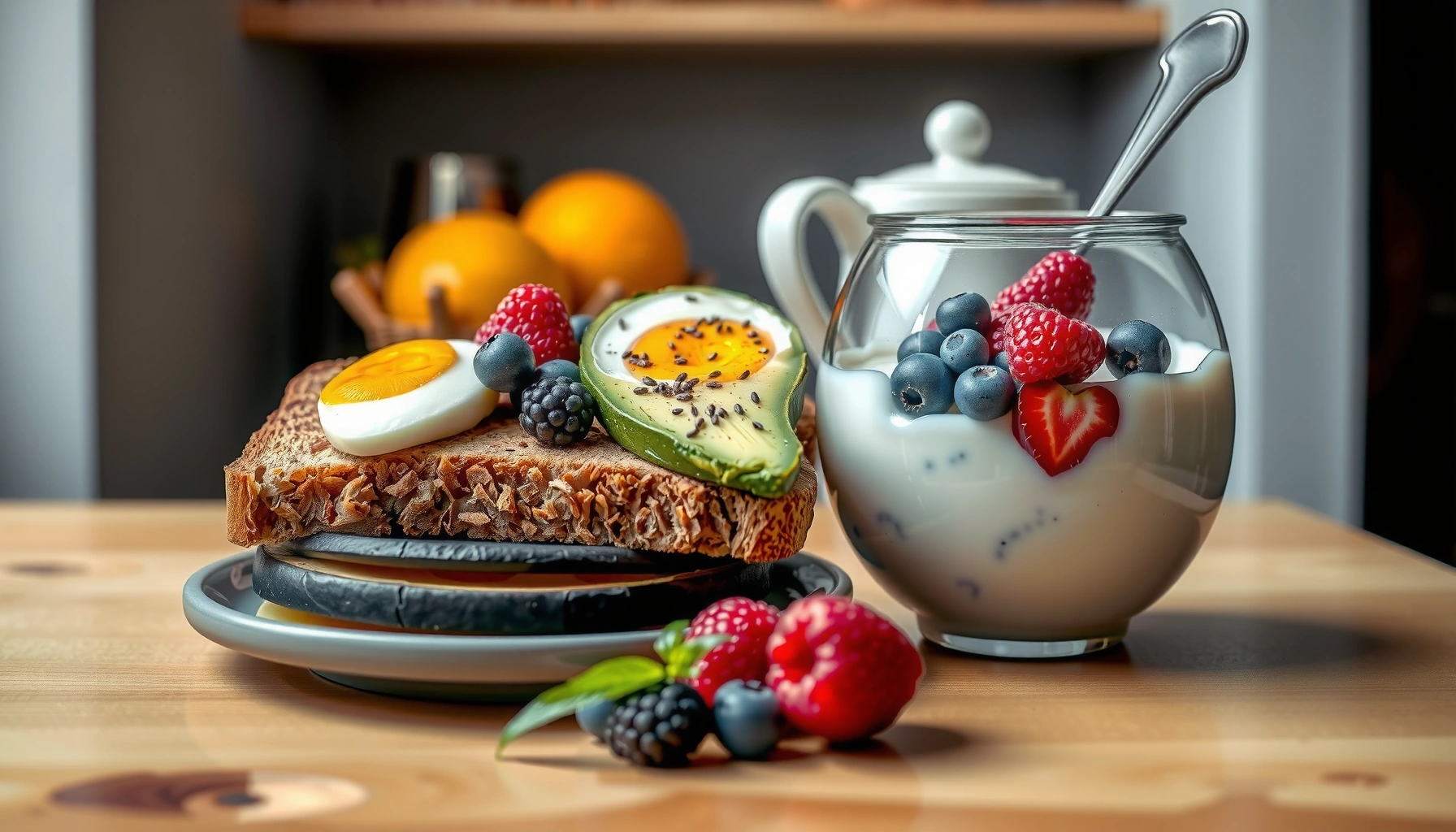
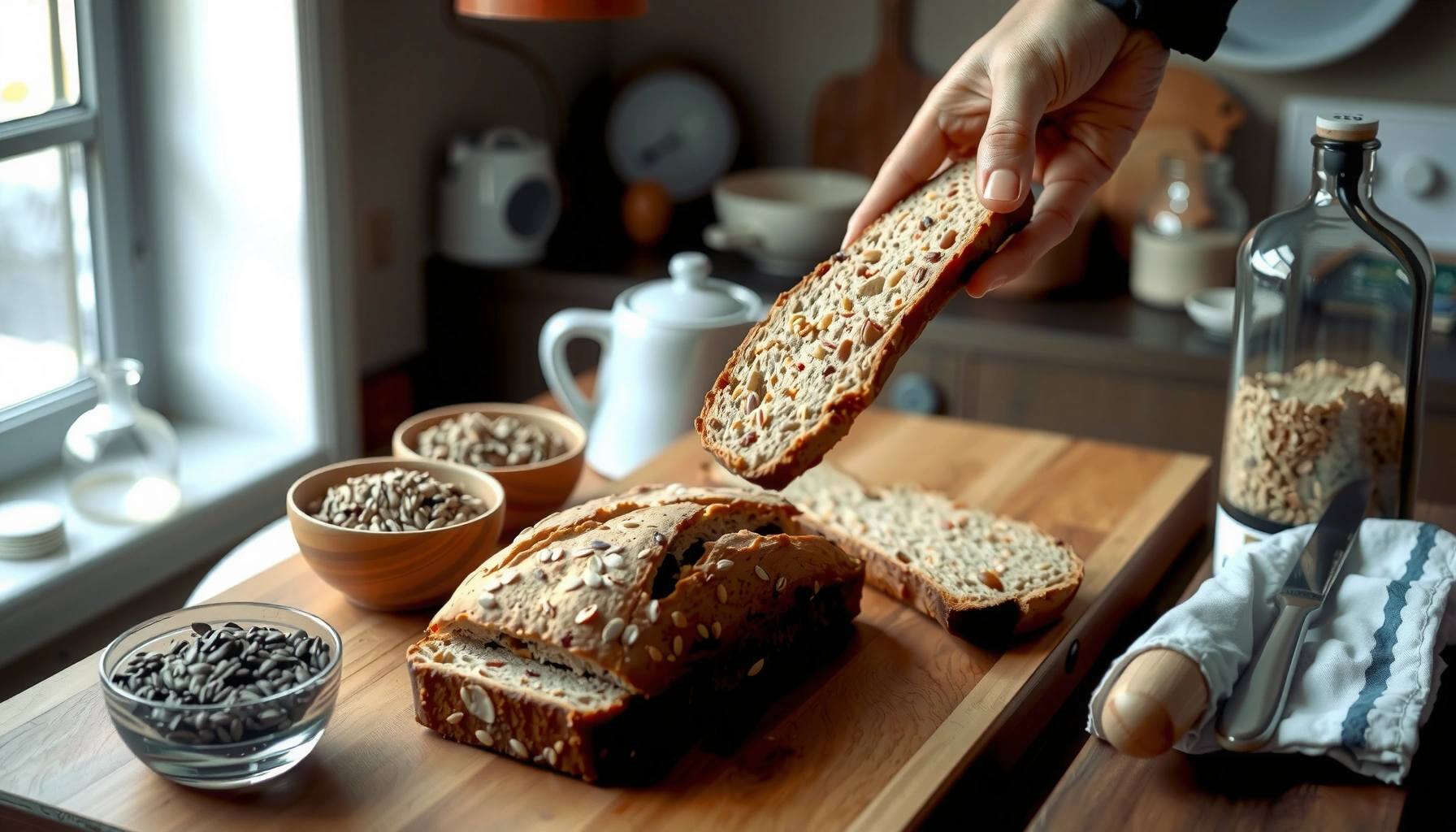
* Fiber-Rich Foods: Combine your jelly with high-fiber foods to help slow down the absorption of carbohydrates. Examples include whole-grain toast, high-fiber crackers, oatmeal, or a whole-wheat English muffin. The fiber in these foods creates a barrier that moderates the post-meal glucose spike.
* Protein and Healthy Fats: Pairing jelly with protein and healthy fats also aids in blood sugar stabilization. Spread a small amount of sugar-free jelly on unsweetened Greek yogurt, cottage cheese, or a slice of whole-grain toast with a thin layer of sugar-free nut butter (like almond or peanut butter). Protein and fats promote satiety and further slow digestion, leading to a more gradual rise in blood glucose. Avoid pairing with refined carbohydrates like white bread or sugary cereals, as this will counteract the benefits of the diabetic-friendly jelly.
* Monitoring Blood Glucose: The most effective way to understand how any food, including diabetic-friendly jelly, impacts *your* body is through consistent blood glucose monitoring.
* Test and Learn: Check your blood sugar before consuming a new food and again 1-2 hours after. This helps you identify your individual glycemic response to different types and brands of jelly. Everyone’s body reacts differently, and factors like activity level, other foods consumed, and medication can all play a role.
* Personalized Insights: Use these insights to refine your choices and portion sizes. If a particular jelly causes an unexpected spike, you might need to reduce the portion, try a different brand, or pair it with more protein and fiber. Conversely, if your blood sugar remains stable, you’ve found a good option. Always discuss your monitoring results and dietary choices with your healthcare provider or a registered dietitian, who can provide personalized guidance tailored to your specific diabetes management plan.
Choosing the best jelly for diabetics means being an informed consumer, prioritizing sugar-free or naturally low-sugar options, and always checking ingredient lists. By understanding which sweeteners are beneficial and practicing mindful portion control, you can safely enjoy delicious spreads without compromising your health. Start exploring these healthier options today and add a little sweetness back into your diabetic meal plan!
Frequently Asked Questions
What is the best type of jelly for diabetics to choose for managing blood sugar?
The best jelly for diabetics is typically a “sugar-free” or “no-sugar-added” variety, often sweetened with artificial sweeteners or natural sugar substitutes like stevia or erythritol. These options significantly reduce carbohydrate content, helping to prevent sharp blood sugar spikes compared to traditional high-sugar jellies. Always look for labels that explicitly state “diabetic-friendly” or specify low net carbs per serving.
How can diabetics identify healthy, low-sugar jelly options when grocery shopping?
When shopping, diabetics should carefully read nutrition labels, prioritizing jellies with 0-1g of added sugar per serving and minimal total carbohydrates. Look for ingredients like fruit purees without added sugar, along with approved sugar substitutes. Comparing the fiber content can also be helpful, as higher fiber can slightly mitigate the impact of any natural fruit sugars present.
Why is regular fruit jelly generally not recommended for people with diabetes?
Regular fruit jelly is typically laden with high amounts of added sugar, primarily high-fructose corn syrup or granulated sugar, which are rapidly absorbed into the bloodstream. This causes a quick and significant rise in blood glucose levels, making it challenging for diabetics to maintain their blood sugar within a healthy range. Consistent consumption can lead to poor glycemic control and associated health complications.
Which sugar substitutes are commonly used in diabetic-friendly jellies, and are they safe?
Diabetic-friendly jellies often use sugar substitutes like sucralose, aspartame, stevia, monk fruit, or erythritol to provide sweetness without adding carbohydrates. These sweeteners are generally recognized as safe (GRAS) by regulatory bodies when consumed in moderation within acceptable daily intake levels. However, some individuals might experience digestive discomfort with certain sugar alcohols, so personal tolerance should be considered.
Can diabetics make their own sugar-free jelly at home, and what are the benefits?
Yes, diabetics can absolutely make their own sugar-free jelly at home, which offers excellent control over ingredients and nutritional content. Using fresh or frozen fruits, low-sugar pectin, and your preferred natural or artificial sweetener (like stevia or monk fruit) ensures a healthier spread. This homemade approach allows for avoiding unwanted additives and tailoring the sweetness to personal preferences, making it a truly best jelly for diabetics option.
References
- Diabetes diet: Create your healthy-eating plan – Mayo Clinic
- https://health.clevelandclinic.org/how-to-sweeten-food-when-you-have-diabetes/
- https://www.diabetes.org/food-nutrition/recipes/sugar-free-strawberry-jam
- Healthy Living with Diabetes – NIDDK
- https://www.cdc.gov/diabetes/managing/eat-well/index.html
- https://www.ncbi.nlm.nih.gov/pmc/articles/PMC3969116/
- https://www.mayoclinic.org/diseases-conditions/diabetes/in-depth/diabetes/art-20046908
- Diabetic Diet | MedlinePlus