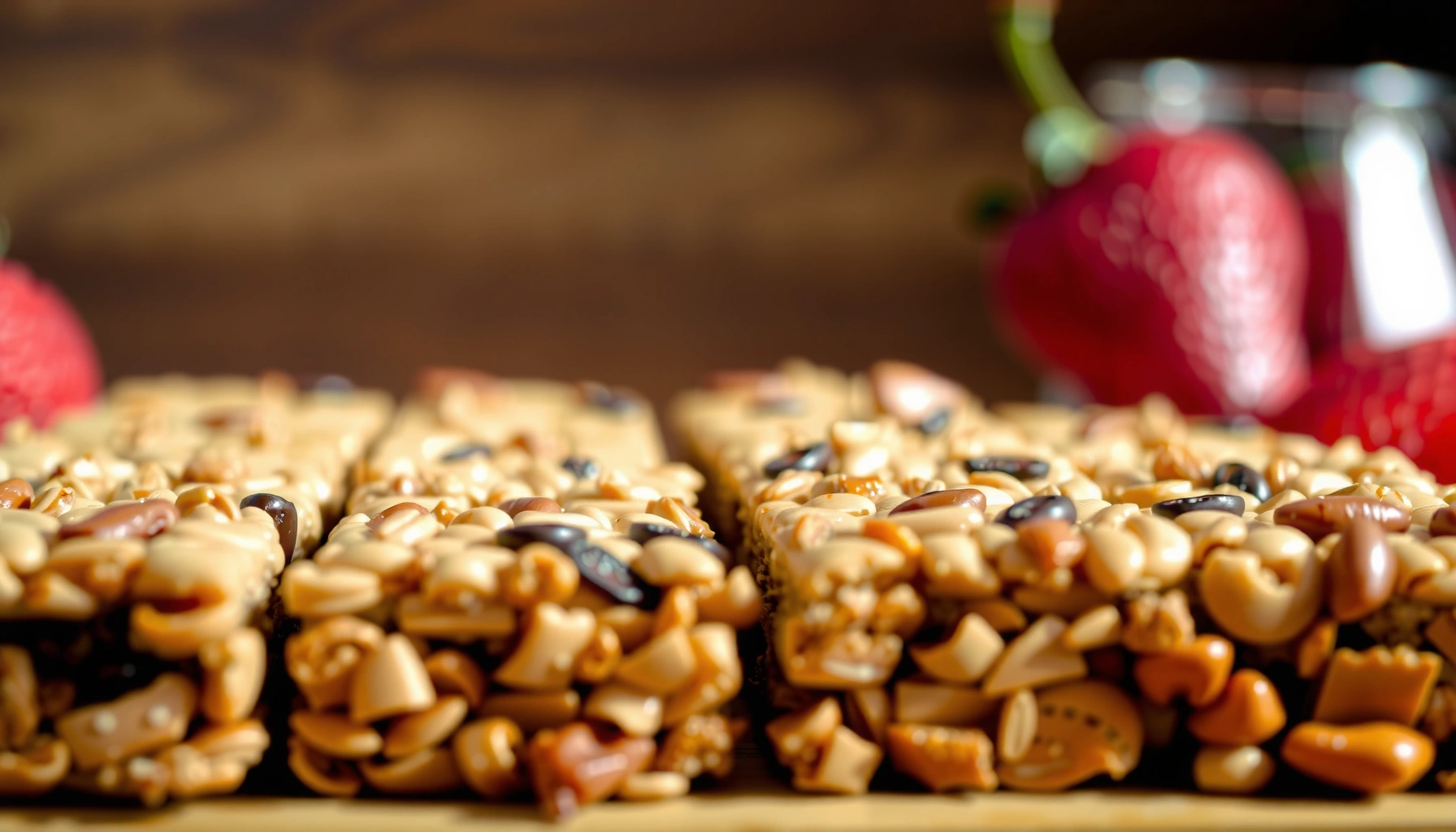

Finding the best granola bar for diabetics isn’t about one single “best” product, but rather identifying specific nutritional criteria to look for. The ideal granola bar for someone with diabetes will be low in added sugars, high in fiber, and offer a good source of protein and healthy fats to help manage blood sugar levels and provide sustained energy. This guide will walk you through what to prioritize when selecting a diabetic-friendly snack bar, ensuring you make informed choices that support your health goals.



What to Look For: Essential Nutritional Criteria
Navigating the vast array of granola bars on the market can be challenging, especially when managing diabetes. The key lies in understanding the core nutritional components that directly impact blood glucose levels and overall health. By focusing on a few critical criteria, you can significantly narrow your options and make smarter choices.
* Low Added Sugar: This is perhaps the most critical factor for individuals managing diabetes. Added sugars contribute directly to rapid blood sugar spikes, making consistent glucose management difficult. Many conventional granola bars are surprisingly high in added sugars, often disguised under various names like high-fructose corn syrup, cane sugar, brown rice syrup, or fruit juice concentrate. When evaluating a bar, always check the “Added Sugars” line on the nutrition facts label. Prioritize bars that contain less than 5 grams of added sugar per serving. Ideally, look for bars with 2-3 grams or less. Some excellent options utilize natural, non-caloric sweeteners like stevia or monk fruit extract, or sugar alcohols such as erythritol (which have minimal impact on blood sugar), but moderation is still key. Avoiding processed sugars helps prevent the energy crashes often associated with high-sugar foods and supports more stable blood glucose readings throughout the day.
* High Fiber Content: Fiber is a non-digestible carbohydrate that plays a pivotal role in blood sugar management. It slows down the digestion and absorption of other carbohydrates, leading to a more gradual rise in blood glucose rather than a sudden spike. Furthermore, fiber promotes satiety, helping you feel fuller for longer, which can aid in weight management and reduce the likelihood of overeating. There are two main types of fiber: soluble and insoluble. Soluble fiber (found in oats, nuts, and seeds) is particularly beneficial for diabetics as it forms a gel-like substance in the digestive tract, further slowing sugar absorption. Aim for granola bars that provide at least 3-5 grams of fiber per serving, with higher amounts being even better. Ingredients like whole oats, chia seeds, flax seeds, and nuts are excellent sources of dietary fiber.
* Adequate Protein & Healthy Fats: Protein and healthy fats are powerful allies in managing blood sugar and promoting overall satiety. Both macronutrients have minimal direct impact on blood glucose levels and, when consumed with carbohydrates, can significantly slow down the rate at which glucose enters the bloodstream. Protein contributes to muscle maintenance and repair, and its digestion requires more energy, leading to a higher thermic effect of food. Healthy fats, such as monounsaturated and polyunsaturated fats found in nuts and seeds, not only improve satiety but also support heart health, a crucial consideration for individuals with diabetes. Look for bars that offer at least 5 grams of protein per serving. Many bars achieve this through ingredients like nuts, seeds, nut butters, or added plant-based proteins like pea protein or soy protein isolate. The combination of fiber, protein, and healthy fats creates a balanced snack that provides sustained energy without the rapid blood sugar fluctuations often seen with carb-heavy options.
Key Ingredients: Good vs. Bad Choices
Understanding the ingredient list is just as important as scrutinizing the nutrition label. The quality and type of ingredients used in a granola bar directly influence its nutritional profile and its impact on your blood sugar.
* Beneficial Ingredients: When selecting a diabetic-friendly granola bar, prioritize those made with whole, unprocessed ingredients that provide natural fiber, protein, and healthy fats.
* Whole Oats: Opt for bars that list whole oats as a primary ingredient. Oats are a fantastic source of soluble fiber, which is known to help lower cholesterol and stabilize blood sugar. They provide a sustained release of energy, preventing sharp blood glucose spikes.
* Nuts (Almonds, Walnuts, Pecans, Peanuts): Nuts are nutritional powerhouses, offering healthy fats, plant-based protein, and fiber. They contribute to satiety and have a low glycemic index, making them excellent for blood sugar control. Almonds, for example, are rich in monounsaturated fats and vitamin E, while walnuts provide omega-3 fatty acids.
* Seeds (Chia, Flax, Pumpkin, Sunflower): Seeds are tiny but mighty, packed with fiber, protein, healthy fats (including omega-3s), and various micronutrients. Chia and flax seeds are particularly noted for their high soluble fiber content and ability to absorb water, which can further slow digestion.
* Natural, Low-Glycemic Sweeteners: When a sweetener is necessary, look for options like stevia, erythritol, or monk fruit extract. These are non-caloric or have a minimal caloric impact and generally do not raise blood sugar levels. They allow for a touch of sweetness without the negative consequences of added sugars. However, some individuals might experience digestive discomfort with excessive sugar alcohols like erythritol, so consume in moderation.
* Ingredients to Limit or Avoid: Being vigilant about ingredients that can negatively impact blood sugar is crucial. Many seemingly healthy granola bars are laden with components that can undermine your diabetes management efforts.
* High-Fructose Corn Syrup (HFCS) and Other Processed Sugars: HFCS is a prime culprit for rapid blood sugar spikes and contributes to various health issues. Be wary of any ingredient ending in “-ose” (dextrose, maltose, sucrose) or listed as “cane sugar,” “brown rice syrup,” “agave nectar,” or “fruit juice concentrate” high up on the ingredient list. These are all forms of added sugar that can quickly elevate blood glucose.
* Excessive Amounts of Dried Fruit: While whole fruits are healthy, dried fruits are a concentrated source of natural sugars. The drying process removes water, condensing the sugars and calories into a smaller serving. A small amount of dried fruit can be acceptable, but bars where dried fruit is a primary ingredient often contain very high sugar counts, making them unsuitable for regular diabetic consumption.
* Artificial Sweeteners (Sucralose, Aspartame, Saccharin): While these sweeteners are calorie-free and do not directly raise blood sugar, some research suggests they may negatively impact gut microbiome health and could potentially alter glucose metabolism over time. It’s generally advisable to limit their intake and prioritize naturally occurring low-glycemic sweeteners or unsweetened options.
* Partially Hydrogenated Oils: These are trans fats, which are detrimental to heart health and should be avoided, especially by individuals with diabetes who are already at increased risk for cardiovascular complications. Always check for “partially hydrogenated” fats on the ingredient list.
Identifying Diabetic-Friendly Granola Bar Features
Beyond just the raw numbers on the nutrition label, certain product features and marketing approaches can help you quickly identify granola bars that are more likely to be suitable for a diabetic diet.
* Prioritize “Keto” or “Low-Carb” Options: In recent years, the market has seen a surge in products specifically formulated for ketogenic or low-carb diets. These bars are typically designed to have significantly fewer net carbohydrates and much lower sugar content, making them often an excellent choice for individuals managing diabetes. The underlying principle of these diets is to minimize glucose impact, which aligns perfectly with diabetic nutritional goals. However, it’s still imperative to read the labels carefully, as some “keto” bars might rely heavily on sugar alcohols, which can cause digestive upset in larger quantities for some individuals. Also, ensure they don’t compensate for low carbs with excessive unhealthy fats or artificial ingredients.
* Look for Whole, Unprocessed Ingredients: A good rule of thumb for any healthy food choice, and particularly for diabetics, is to favor products with a short and recognizable ingredient list. The fewer ingredients, and the more you can pronounce and understand what they are, the better. This often indicates a less processed product with fewer hidden sugars, artificial flavors, preservatives, or other additives that offer little nutritional value. When a bar features whole foods like actual nuts, seeds, and oats prominently at the beginning of its ingredient list, it’s generally a strong indicator of a higher-quality, more diabetic-friendly option. Conversely, bars with long lists of unpronounceable chemicals or multiple forms of sugar within the first few ingredients should typically be avoided.
* Consider Brands Specializing in Diabetic Nutrition: Some food manufacturers specifically cater to the needs of individuals managing diabetes, often designing products with controlled carbohydrate counts, low glycemic indexes, and clear labeling regarding blood sugar impact. These brands may use specific formulations that incorporate resistant starches, unique fiber blends, or specific protein sources to help stabilize blood glucose. While not an exclusive indicator of suitability (many mainstream brands offer good options), exploring products from companies known for diabetic-focused nutrition can often save you time and provide an added layer of confidence. Always cross-reference their claims with your knowledge of nutrition labels, but their specialized focus can be a valuable starting point in your search.
Deciphering Nutrition Labels Like a Pro
The nutrition label is your most powerful tool in the quest for diabetic-friendly granola bars. Learning to read it effectively allows you to cut through marketing hype and make truly informed decisions based on scientific data.
* Monitor Total & Added Sugars: This is perhaps the most critical section for diabetics. The “Total Sugars” line includes both naturally occurring sugars (like those in fruit) and “Added Sugars.” For effective blood sugar management, your primary focus should be on “Added Sugars.” These are the sugars put into the product during processing and are the main culprits behind rapid blood glucose spikes. Aim for bars with less than 5 grams of added sugar per serving, ideally even lower. Remember that even naturally occurring sugars in high concentrations, such as those in excessive dried fruit, can impact blood sugar, but added sugars are the direct concern. Always compare the “Added Sugars” number to your daily sugar allowance recommended by your healthcare provider.
* Calculate Net Carbs: For many individuals managing diabetes, especially those following low-carb or ketogenic approaches, calculating net carbs provides a more accurate picture of a food’s impact on blood sugar. Net carbs are the carbohydrates that are digested and converted into glucose. The formula is: Total Carbohydrates – Fiber – Sugar Alcohols (if present).
* Total Carbohydrates: This is the overarching number for all carbs.
* Fiber: Since fiber is indigestible, it does not raise blood sugar and is subtracted.
* Sugar Alcohols: Ingredients like erythritol, xylitol, and maltitol are partially digested. While they have a lower impact on blood sugar than regular sugars, their impact varies. Erythritol has almost no impact, making it a preferred choice for subtraction. Others, like maltitol, can have a more significant effect. Always consider the type of sugar alcohol and consult with your dietitian if unsure.
A lower net carb count generally translates to a lesser impact on blood glucose, making bars with lower net carbs more suitable for diabetics.
* Check Serving Size: This is a common oversight that can derail even the best intentions. A granola bar that appears to have a reasonable sugar or carb count might actually contain multiple servings. For example, a “bar” might be labeled as 2 servings, meaning you need to double all the nutritional values if you consume the entire bar. Always verify the serving size at the top of the nutrition label and adjust your mental calculations accordingly. Misinterpreting serving sizes can lead to consuming far more carbohydrates and calories than intended, significantly impacting blood sugar control and overall dietary goals. Be diligent; it’s a simple step that yields significant benefits.
Smart Snacking: Granola Bars in Your Diabetic Meal Plan
While choosing the right granola bar is crucial, integrating it effectively into your broader diabetic meal plan is equally important. Granola bars, even the best ones, are just one component of a balanced diet and should be consumed strategically.
* Portion Control is Key: Even with diabetic-friendly granola bars, moderation is paramount. A “low-carb” or “low-sugar” bar is not an invitation for unlimited consumption. Every snack, including a granola bar, needs to fit within your individualized daily carbohydrate allowance and calorie goals. Overconsuming even healthy snacks can lead to unintended blood sugar spikes and weight gain. Be mindful of the serving size (as discussed earlier) and adhere to a single serving. If a bar is particularly dense or large, you might even consider eating half and saving the rest for later, especially if your carbohydrate tolerance is lower. Understanding your personal carbohydrate budget, often determined with the help of a dietitian, is essential for effective portion control.
* Pair with Protein or Healthy Fats: To further enhance blood sugar stability and increase satiety, consider pairing your diabetic-friendly granola bar with another small source of protein or healthy fats. For example, enjoy your bar alongside a few almonds, a small handful of walnuts, a hard-boiled egg, or a dollop of unsweetened Greek yogurt. The additional protein and healthy fats will work synergistically with the fiber in the granola bar to slow down digestion even further, leading to a more gradual release of glucose into the bloodstream. This strategy can help you feel fuller and more satisfied for a longer period, preventing premature hunger pangs and reducing the likelihood of reaching for less healthy snacks later. It transforms a good snack into an even better, more balanced mini-meal.
* Not a Meal Replacement: Granola bars, even those designed for diabetics, are generally intended as convenient snacks between meals, not as a substitute for a full, balanced meal. While they can provide a quick source of fiber, protein, and healthy fats, they typically lack the comprehensive range of nutrients found in a well-rounded meal consisting of lean protein, non-starchy vegetables, and complex carbohydrates. Relying too heavily on snack bars for meal replacements can lead to nutrient deficiencies and an unbalanced dietary intake over time. Think of them as supplemental fuel or a bridge between meals when you need something quick and portable, rather than a primary source of nutrition. Prioritize whole, unprocessed foods for your main meals to ensure you’re getting all the vitamins, minerals, and other essential nutrients your body needs.
Choosing the right granola bar can be a convenient and healthy snack option for managing diabetes, provided you know what to look for. By prioritizing low-sugar, high-fiber, and protein-rich options, and by carefully reading nutrition labels, you can confidently select bars that support your blood sugar goals. Remember to pay close attention to added sugars, calculate net carbs, and always check serving sizes. Integrating these bars into your meal plan through portion control and smart pairing with other healthy foods will further enhance their benefits. Always remember to discuss your dietary choices with your healthcare provider or a registered dietitian to ensure they align with your personalized diabetes management plan, as individual needs and responses can vary.
Frequently Asked Questions
What are the most important nutritional factors diabetics should consider when choosing a granola bar?
Diabetics should prioritize granola bars that are low in net carbohydrates and added sugars. Look for options rich in dietary fiber, which helps slow glucose absorption, and adequate protein, which promotes satiety and can mitigate blood sugar spikes. Healthy fats from nuts and seeds are also beneficial for overall metabolic health and can make a granola bar more suitable for a diabetic diet.
How can I identify genuinely low-sugar granola bars that are safe for my blood sugar?
Always scrutinize the nutrition label, specifically focusing on the “Added Sugars” line, aiming for less than 5 grams per bar if possible. Also, carefully check the ingredients list for hidden sugars like high-fructose corn syrup, cane sugar, or fruit juice concentrate listed early on. Prioritize brands that use natural, low-glycemic sweeteners or keep overall sugar content very minimal to ensure a diabetic-friendly granola bar choice.
Why is fiber content particularly important in a granola bar for individuals with diabetes?
Fiber plays a crucial role in blood sugar management by slowing down the digestion and absorption of carbohydrates, which helps prevent rapid spikes in blood glucose levels after eating. High-fiber granola bars contribute to better glycemic control, help you feel fuller for longer, and support digestive health, making them an excellent component of a diabetic’s diet.
Are there specific ingredients or types of granola bars commonly recommended for a diabetic-friendly diet?
Yes, opt for granola bars made with whole grains like oats, and abundant in nuts, seeds (such as chia, flax, or pumpkin), and sometimes legumes, as these provide beneficial protein and healthy fats. Bars that incorporate sugar alcohols (like erythritol or xylitol, in moderation) or natural, low-glycemic sweeteners like stevia can be suitable. It’s best to avoid bars with excessive dried fruit, sugary binders, or artificial ingredients.
How can I effectively integrate a diabetic-friendly granola bar into my daily meal plan without negatively affecting my blood sugar?
To best manage blood sugar, treat a diabetic-friendly granola bar as a carefully planned snack rather than a meal replacement. Consider pairing it with a source of lean protein, such as a hard-boiled egg or a small serving of plain Greek yogurt, to further stabilize glucose levels. Always monitor your post-snack blood glucose to understand how specific granola bars impact your unique body and adjust accordingly.
References
- https://diabetes.org/food-nutrition/eating-well/snack-ideas
- Diabetes diet: Create your healthy-eating plan – Mayo Clinic
- https://www.cdc.gov/diabetes/managing/eat-well/index.html
- Healthy Living with Diabetes – NIDDK
- https://www.hsph.harvard.edu/nutritionsource/carbohydrates/glycemic-index-and-glycemic-load/
- https://extension.psu.edu/foods-to-reduce-your-risk-of-type-2-diabetes
- https://www.webmd.com/diabetes/diabetic-friendly-snacks