

For a diabetic cat, the single most impactful dietary change is a shift to a high-protein, very low-carbohydrate wet food. This type of diet closely mimics a cat’s natural carnivorous eating habits, helping to stabilize blood glucose levels and potentially reduce the need for insulin. Understanding the specific nutritional requirements and avoiding certain ingredients are crucial steps in managing your feline companion’s diabetes effectively.
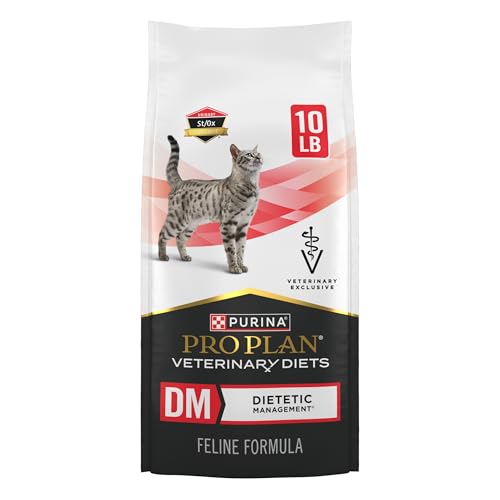


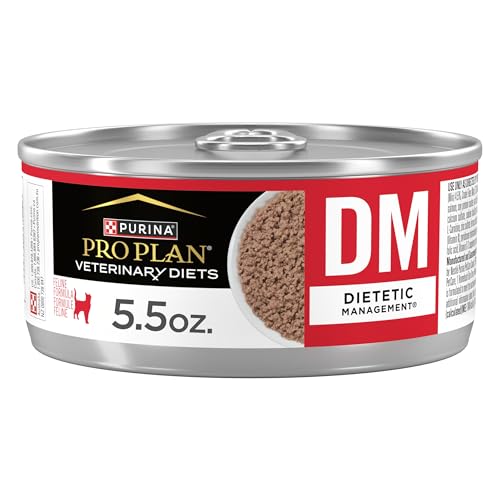
Understanding Your Diabetic Cat’s Nutritional Needs
Managing feline diabetes centers significantly on dietary intervention, recognizing the unique physiological makeup of cats. A tailored diet can dramatically impact a cat’s blood glucose regulation and overall health outcomes.
* High Protein, Low Carbohydrate: Cats are obligate carnivores, meaning their bodies are exquisitely adapted to metabolize nutrients primarily from animal sources. Their natural diet in the wild consists of prey animals rich in protein and fat, with minimal carbohydrates. Biologically, cats lack the necessary enzymatic pathways to efficiently process large amounts of carbohydrates. When a diabetic cat consumes a diet high in carbohydrates, these sugars are rapidly absorbed, leading to drastic spikes in blood glucose levels that stress the pancreas and exacerbate insulin resistance. Conversely, a high-protein diet supports stable blood sugar by providing a steady release of energy and promoting satiety without causing glucose surges. High-quality animal protein also helps maintain lean muscle mass, which is critical for metabolic health and can often be compromised in diabetic felines.
* Mimicking Natural Diet: The concept of a species-appropriate diet is paramount for diabetic cats. Their ancestral eating patterns involved consuming whole prey, which is inherently moisture-rich, high in protein and moderate in fat, and very low in carbohydrates. Replicating this dietary composition helps their bodies function optimally, particularly in glucose metabolism. A diet that aligns with their evolutionary design can improve insulin sensitivity, reduce the workload on the pancreas, and stabilize blood glucose levels. This foundational approach supports overall metabolic health, strengthens the immune system, and can even contribute to diabetic remission in some cases, where the cat no longer requires exogenous insulin due to improved pancreatic function.
* Consistent Feeding Schedule: Beyond the nutritional composition, the timing of meals plays a critical role in managing a diabetic cat’s blood sugar. A consistent feeding schedule, ideally synchronized with insulin administration, is essential for preventing dramatic fluctuations in blood glucose. Irregular meal times can lead to periods of dangerously high or low blood sugar (hyperglycemia or hypoglycemia), which can be life-threatening. By providing meals at predictable intervals, owners can help their cat’s body regulate insulin response more effectively, ensuring that the administered insulin can efficiently process the glucose from food. Many veterinarians recommend feeding small, frequent meals or providing timed feedings to maintain a more even blood glucose curve throughout the day.
Wet Food vs. Dry Food: The Clear Choice
When selecting food for a diabetic cat, the choice between wet and dry formulations is unequivocally in favor of wet food, due to several key nutritional and physiological advantages.
* Wet Food Superiority: High-quality wet food is overwhelmingly recommended by veterinary professionals for diabetic cats. Its primary advantage lies in its inherently lower carbohydrate content compared to most dry kibbles. Carbohydrates, often used as binders in dry food, are detrimental to blood sugar control in diabetic felines. Additionally, wet food boasts a significantly higher moisture content, typically ranging from 70-85%. This elevated moisture level is not only crucial for hydration, especially important for diabetic cats who may experience increased urination, but also contributes to satiety, helping to manage weight more effectively. The protein sources in premium wet foods are also often of higher biological value, providing superior amino acid profiles essential for an obligate carnivore.
* Dry Food Concerns: Most dry cat foods present significant challenges for diabetic management. They are typically laden with high levels of carbohydrates derived from ingredients like corn, wheat, rice, potatoes, peas, and other starchy fillers. These ingredients lead to rapid and pronounced spikes in blood glucose, making it exceedingly difficult to stabilize a diabetic cat’s condition, even with insulin therapy. Furthermore, the low moisture content of dry food can exacerbate dehydration, a common issue in diabetic cats who often exhibit polyuria (increased urination). The crunchy texture of dry food, often marketed for dental health, does not typically provide significant dental benefits, and the trade-off in blood sugar control is not worthwhile for diabetic felines.
* Moisture Content: The high water content in wet food is a critical factor often overlooked but vital for diabetic cats. Diabetic cats frequently exhibit increased thirst and urination (polydipsia and polyuria) as their bodies attempt to excrete excess glucose. This can lead to chronic dehydration if their water intake is insufficient. Feeding a wet food diet significantly contributes to their daily fluid intake, directly supporting kidney function and preventing dehydration. Adequate hydration also aids in nutrient transport, detoxification, and overall cellular function, all of which are crucial for a cat managing a metabolic condition like diabetes. The increased moisture in wet food also helps create a feeling of fullness, which can be beneficial for diabetic cats who may experience increased appetite or require weight management.
Key Nutrients and Ingredients to Prioritize
Selecting the right ingredients is the cornerstone of managing feline diabetes through diet. Focusing on a specific nutritional profile can profoundly impact blood glucose stability.
* High-Quality Animal Protein: The foundation of a diabetic cat’s diet must be high-quality animal protein. As obligate carnivores, cats require a diet rich in protein derived directly from meat, poultry, or fish. When examining food labels, look for these ingredients listed as the first few items, indicating they form the bulk of the product’s composition. Examples include chicken, turkey, beef, salmon, and venison. Animal proteins provide essential amino acids that cats cannot synthesize themselves, supporting muscle maintenance, immune function, and overall metabolic health without contributing to blood sugar spikes. These proteins offer a sustained energy release, crucial for preventing both hyperglycemia and hypoglycemia. The digestibility and biological value of animal proteins are far superior for cats compared to plant-based alternatives.
* Minimal Carbohydrates: This is perhaps the most critical nutritional parameter for a diabetic cat. The carbohydrate content of their food should ideally be less than 10% on a dry matter basis. Many high-quality prescription diabetic diets achieve levels as low as 1-6%. Calculating dry matter carbohydrate content requires a bit of math, using the “guaranteed analysis” on the food label: (100% – % moisture – % protein – % fat – % ash (if listed) = % carbohydrates on an “as fed” basis; then convert to dry matter basis if necessary). A very low-carbohydrate intake directly reduces the glucose load on the cat’s system, minimizing post-meal blood sugar surges and easing the burden on the pancreas. This approach supports better glycemic control, often leading to reduced insulin requirements and a greater chance of diabetic remission.
* Moderate Fat Content: While protein takes precedence, healthy fats are also essential components of a diabetic cat’s diet. Fats are a concentrated source of energy and are crucial for the absorption of fat-soluble vitamins (A, D, E, K). However, the fat content should be moderate to avoid excessive calorie intake, which can lead to obesity—a significant exacerbating factor for insulin resistance in diabetic cats. Look for healthy animal fats such as chicken fat or fish oil. Omega-3 fatty acids, often found in fish oils (EPA and DHA), are particularly beneficial as they possess anti-inflammatory properties that can support overall health and potentially improve insulin sensitivity. The key is balance; sufficient fat for energy and essential fatty acids, but not so much as to promote unhealthy weight gain.
What to Avoid in Diabetic Cat Food
Just as crucial as knowing what to include is understanding which ingredients can severely undermine diabetes management. Eliminating problematic components is a direct step towards better glycemic control.
* High Carbohydrate Fillers: These are the primary culprits to avoid in the diet of a diabetic cat. Common high-carbohydrate fillers include corn, wheat, rice, barley, oats, potatoes, sweet potatoes, peas, tapioca, and lentils. These ingredients are used extensively in many commercial cat foods, particularly dry kibbles, due to their low cost and binding properties. However, in a cat’s digestive system, these starches are rapidly converted into glucose, causing dramatic and sustained spikes in blood sugar. Even “grain-free” labels can be misleading, as they often substitute grains with other starchy carbohydrates like peas or potatoes, which are equally detrimental to a diabetic cat’s blood glucose levels. Scrutinizing ingredient lists to identify and eliminate these high-glycemic components is paramount.
* Sugars and Sweeteners: Any form of added sugar or artificial sweetener is entirely inappropriate for a diabetic cat. Common sugars to watch for on ingredient lists include dextrose, sucrose, fructose, corn syrup, molasses, maltose, and even some fruit-based ingredients high in natural sugars. These ingredients directly contribute to hyperglycemia, making blood glucose management incredibly challenging and undermining the efficacy of insulin therapy. While artificial sweeteners might not directly raise blood glucose, they offer no nutritional benefit and their long-term effects on feline health are not well-understood, making them best avoided. The goal is to provide a diet that naturally supports stable blood glucose, not one that requires constant counteraction from insulin due to sugary components.
* Excessive Plant-Based Proteins: While some high-quality animal-based foods may contain a very small amount of plant-derived ingredients for fiber or micronutrients, the vast majority of protein in a diabetic cat’s diet must come from animal sources. Ingredients like pea protein, potato protein, or soy protein are often used in lower-quality foods to boost crude protein percentages on the label, but they do not provide the complete amino acid profile that an obligate carnivore requires. Cats need specific amino acids, such as taurine and arginine, which are abundant in animal tissues but often deficient or poorly bioavailable in plant proteins. Relying heavily on plant proteins can lead to nutritional deficiencies and suboptimal health, despite potentially appearing “high protein” on paper. Prioritizing animal-derived proteins ensures complete and species-appropriate nutrition.
Transitioning Your Cat to a New Diabetic Diet
Implementing a new diet for a diabetic cat requires a careful and monitored approach. Abrupt changes can lead to digestive upset or, more critically, significant fluctuations in blood glucose that necessitate veterinary intervention.
* Gradual Introduction: The transition to a new diabetic diet should always be gradual, typically spanning 7 to 10 days, to minimize digestive upset and allow your cat’s system to adjust. Begin by mixing a small amount of the new food (e.g., 25%) with the old food. Maintain this ratio for 2-3 days, observing your cat for any signs of gastrointestinal distress such as vomiting, diarrhea, or reduced appetite. If tolerated well, slowly increase the proportion of the new food while decreasing the old food over subsequent days (e.g., 50/50 for 2-3 days, then 75% new/25% old, until fully transitioned). This slow introduction helps prevent food aversion and ensures your cat accepts the new diet. Should digestive issues arise, revert to the previous step and extend the transition period.
* Monitor Blood Glucose: This step is critically important during a dietary transition for a diabetic cat. A significant change to a high-protein, very low-carbohydrate diet will almost certainly impact your cat’s blood glucose levels and, consequently, their insulin dosage. Without careful monitoring, there is a substantial risk of hypoglycemia (dangerously low blood sugar) if the insulin dose is not adjusted downwards to account for the new diet’s improved glucose control. Work in extremely close collaboration with your veterinarian throughout this period. They will likely recommend more frequent blood glucose checks, potentially including a full glucose curve, to assess the diet’s impact and precisely adjust insulin dosage as needed. Do not alter insulin doses without veterinary guidance.
* Observe Weight and Appetite: During the transition and in the initial weeks of the new diet, diligently observe your cat’s weight, appetite, and overall energy levels. A healthy diabetic diet should lead to improved appetite and stable weight, or gradual, healthy weight loss if your cat is overweight. Increased energy and a more vibrant demeanor are positive indicators that the diet is well-tolerated and effective. Conversely, any decrease in appetite, significant weight loss (unless planned and vet-monitored), lethargy, or changes in litter box habits (e.g., increased urination or defecation) warrant immediate communication with your veterinarian. These could be signs that the new food is not suitable, or that insulin adjustments are required.
Ongoing Management and Veterinary Partnership
Managing feline diabetes is a dynamic process that extends beyond initial diagnosis and diet change. A robust partnership with your veterinarian and diligent home monitoring are essential for long-term success.
* Regular Veterinary Check-ups: Consistent follow-up appointments with your veterinarian are absolutely crucial for the long-term management of feline diabetes. These check-ups typically involve comprehensive physical examinations, blood tests (including fructosamine levels which give an average blood glucose over weeks), and urinalysis to monitor kidney function and screen for urinary tract infections (common in diabetic cats). Your vet will use this data to assess the effectiveness of the current diet and insulin regimen, making necessary adjustments to maintain optimal blood glucose control and prevent complications. Diabetes is a condition that can change over time, and regular veterinary oversight ensures that the treatment plan evolves with your cat’s needs.
* Home Glucose Monitoring: If you are comfortable and trained, learning to monitor your cat’s blood glucose at home can provide invaluable data. Home monitoring often yields more accurate readings because the cat is in a familiar, stress-free environment, avoiding the “stress hyperglycemia” often seen at veterinary clinics. This allows for more frequent checks, providing a clearer picture of blood glucose trends throughout the day and in response to meals and insulin. Your veterinarian can teach you how to perform a simple ear prick technique to collect a tiny blood sample. This information can significantly empower both you and your vet to fine-tune insulin dosages and dietary protocols, leading to more stable blood sugar control and a better quality of life for your cat.
* Weight Management: Maintaining an ideal body weight is paramount for diabetic cats. Obesity is a significant risk factor for developing diabetes and can severely worsen insulin resistance in already diabetic felines, making blood glucose control much harder. Working with your veterinarian to establish and maintain an ideal body condition score is vital. This may involve calorie-controlled feeding, precise portioning of the diabetic-appropriate diet, and incorporating safe, low-impact exercise (such as play sessions) into your cat’s daily routine. Achieving and maintaining an ideal weight can dramatically improve insulin sensitivity, potentially allowing for a reduction in insulin dosage or, in some cases, even leading to diabetic remission. Regular weight checks at home and during vet visits are key to this aspect of management.
Choosing the best food for your diabetic cat is a cornerstone of effective diabetes management, with a high-protein, very low-carbohydrate wet food being the recommended approach. By carefully selecting ingredients and working closely with your veterinarian, you can significantly improve your cat’s quality of life and potentially achieve remission. Consistent monitoring, a gradual dietary transition, and a proactive partnership with your veterinary team are all essential elements for success. Consult your vet today to tailor a diet plan that best suits your feline friend’s specific needs and health condition.
Frequently Asked Questions
What is the best type of food for a diabetic cat?
The best food for a diabetic cat is typically a high-protein, low-carbohydrate wet food diet. This type of food closely mimics a cat’s natural carnivorous diet, which is essential for stabilizing blood sugar levels and reducing the need for insulin. Many veterinarians recommend specific prescription diets formulated for diabetic cats, or high-quality over-the-counter options that meet these strict nutritional requirements. Consistent feeding of appropriate diabetic cat food is crucial for effective glucose management.
Why is a low-carbohydrate diet crucial for managing feline diabetes?
A low-carbohydrate diet is crucial for managing feline diabetes because carbohydrates convert into glucose, directly impacting blood sugar levels. Diabetic cats have impaired insulin production or response, which is responsible for regulating glucose. By minimizing carbohydrate intake, this diet helps stabilize blood glucose, reduces the amount of insulin needed, and can significantly improve a diabetic cat’s health, even leading to diabetic remission in some cases.
Can diabetic cats eat dry kibble, or is wet food always necessary?
While some specialized low-carb dry kibbles exist, wet food is overwhelmingly recommended and often necessary for diabetic cats. Wet food typically contains much lower carbohydrate levels and a higher moisture content, which is beneficial for kidney health and overall hydration in diabetic felines. Dry kibble, even “prescription” versions, often contain higher carbohydrate levels from starches required for processing, which can lead to unwanted blood sugar spikes.
How do I choose the right commercial diabetic cat food brand?
To choose the right commercial diabetic cat food brand, prioritize options with a guaranteed analysis showing high protein (ideally over 40-50% on a dry matter basis) and very low carbohydrates (under 10% on a dry matter basis). Consult your veterinarian for specific recommendations, as they can guide you towards prescription diets or suitable over-the-counter options tailored to your cat’s individual needs and health status. Always read the ingredient list to ensure real meat is the primary component and avoid excessive fillers.
Which ingredients should I look for and avoid when selecting food for my diabetic cat?
When selecting food for your diabetic cat, look for real animal protein sources like chicken, turkey, beef, or fish as the first few ingredients. You should actively avoid ingredients such as grains (corn, wheat, rice), potatoes, peas, fruits, and other starchy or sugary fillers, as these are high in carbohydrates and can negatively impact blood glucose levels. Always check the guaranteed analysis for protein, fat, and fiber, aiming for the lowest possible carbohydrate content to best support your diabetic cat’s health and insulin regulation.
References
- https://www.vet.cornell.edu/departments-centers-and-institutes/cornell-feline-health-center/health-information/feline-health-topics/diabetes-mellitus
- https://vetmed.osu.edu/vmc/companion/our-services/internal-medicine/feline-diabetes-mellitus-faq
- https://healthtopics.vetmed.ucdavis.edu/health-information/feline-diabetes
- Cat Advice – International Cat Care
- https://en.wikipedia.org/wiki/Feline_diabetes_mellitus
- https://catvets.com/guidelines/client-brochures/feline-diabetes-mellitus-brochure






Pingback: Best Sausages for Diabetics: What to Look For and Choose - Best For Diabetics
Pingback: Best Food for Cat With Diabetes: What to Feed for Stable Glucose - Best For Diabetics