

For dogs with canine diabetes, selecting the best dry food is crucial for managing blood sugar and overall health. Generally, the most effective options are veterinary prescription diets specifically formulated for diabetic dogs, which feature a low glycemic index, high fiber content, moderate high-quality protein, and controlled fat levels. These specialized foods are designed to help stabilize glucose levels and support overall well-being, but the optimal choice always requires consultation with your veterinarian.



Understanding Canine Diabetes and Dietary Impact
Canine diabetes mellitus, similar to Type 1 diabetes in humans, is primarily characterized by the body’s inability to produce sufficient insulin or to properly utilize the insulin it does produce, leading to chronically elevated blood glucose levels (hyperglycemia). While Type 2 diabetes (insulin resistance) is rare in dogs, the principles of dietary management remain largely similar: stabilizing blood sugar.
Diet plays a fundamental role in managing this condition because every meal directly influences a dog’s blood glucose levels. The type, quantity, and composition of food determine how quickly carbohydrates are broken down into glucose and absorbed into the bloodstream. A poorly chosen diet can lead to drastic post-meal spikes in blood glucose, making it difficult to regulate with insulin and increasing the risk of complications such as cataracts, neuropathy, and kidney disease. Conversely, a well-formulated diet provides a steady release of glucose, helping to maintain stable blood sugar levels, reduce the burden on the pancreas, and optimize the effectiveness of insulin therapy. Beyond glucose control, a diabetic diet also aims to achieve and maintain a healthy weight, as obesity can exacerbate insulin resistance and other health issues. Therefore, dietary intervention is not merely supplementary but a cornerstone of effective diabetes management, directly impacting a dog’s quality of life and longevity.
Essential Nutritional Profile for Diabetic Dogs
The ideal dry dog food for a diabetic canine is carefully crafted to support stable blood glucose and overall health. This involves a precise balance of macronutrients designed to minimize metabolic stress.
* Low Glycemic Carbohydrates: Carbohydrates are a primary source of glucose, making their quality paramount. Low glycemic index (GI) carbohydrates are essential because they are digested and absorbed slowly, leading to a gradual and sustained rise in blood sugar rather than a rapid spike. This helps prevent large fluctuations in glucose levels, making insulin regulation more predictable. Ideal sources include complex carbohydrates like whole grains (barley, oats, quinoa, sorghum) and legumes (peas, lentils). These differ significantly from high GI carbohydrates like white rice, corn, or potatoes, which can cause abrupt and significant increases in blood glucose. The goal is to provide a consistent energy supply without overtaxing the insulin system.
* High Fiber Content: Fiber is a critical component in diabetic diets due to its multifaceted benefits. Both soluble and insoluble fibers play vital roles. Soluble fiber (found in ingredients like beet pulp, psyllium, oats, and certain fruits and vegetables) slows down gastric emptying and nutrient absorption, which directly helps to temper post-meal blood glucose spikes. It can also ferment in the gut, promoting beneficial gut bacteria and producing short-chain fatty acids that may improve insulin sensitivity. Insoluble fiber (found in cellulose, wheat bran, and many vegetables) adds bulk to food without adding significant calories, promoting satiety and aiding in weight management – a common challenge for diabetic dogs. By slowing digestion and promoting fullness, fiber helps prevent overeating and aids in maintaining a healthy body condition, which is crucial for mitigating insulin resistance.
* Moderate High-Quality Protein: Protein is essential for maintaining muscle mass, supporting organ function, and providing a sense of fullness. For diabetic dogs, a moderate level of high-quality, easily digestible protein is recommended. “Moderate” is key because while protein has a minimal direct impact on blood glucose compared to carbohydrates, excessively high protein levels can be converted to glucose through gluconeogenesis in the liver, potentially impacting blood sugar. Moreover, very high protein can sometimes place undue stress on the kidneys, especially in older dogs or those with incipient renal issues. High-quality protein sources, such as lean chicken, turkey, lamb, or fish, provide essential amino acids without contributing excessive fat, supporting lean body mass and overall metabolic health.
* Controlled Fat Levels: While fats are a necessary component of any diet, providing concentrated energy, their levels must be carefully controlled in diabetic dogs. Excessive fat intake can contribute to obesity, which exacerbates insulin resistance, and increases the risk of pancreatitis – a painful and potentially life-threatening condition that diabetic dogs are already more prone to. However, fats should not be entirely eliminated. Essential fatty acids, particularly Omega-3s (from sources like fish oil), are crucial for managing inflammation, supporting skin and coat health, and potentially improving insulin sensitivity. Therefore, the aim is to provide controlled, healthy fat levels that meet energy needs without promoting weight gain or increasing the risk of secondary health complications.
Key Ingredients to Seek and Avoid
Choosing the right dry food involves scrutinizing the ingredient list to ensure it aligns with the specific nutritional needs of a diabetic dog. Understanding which ingredients support stable blood sugar and which can undermine management efforts is paramount.
When selecting a dry dog food, look for ingredients that promote slow digestion and a steady release of energy. Whole grains such as barley, oats, and sorghum are excellent choices because they are complex carbohydrates with a lower glycemic index and are rich in dietary fiber. Lean protein sources like chicken meal, turkey meal, lamb meal, and various fish meals (e.g., salmon, herring) provide high-quality, digestible protein without excessive fat. Fiber sources such as beet pulp, peas, lentils, and chicory root are beneficial for digestive health and blood sugar regulation. Ingredients rich in Omega-3 fatty acids, like fish oil and flaxseed, are also desirable for their anti-inflammatory properties and overall health benefits. Additionally, look for natural antioxidants found in certain fruits and vegetables (e.g., berries, spinach, carrots) which support immune function.
Conversely, there are several ingredients that should be avoided due to their detrimental effects on blood glucose control. Simple sugars, often listed as corn syrup, sucrose, dextrose, molasses, or high-fructose corn syrup, cause rapid and significant spikes in blood sugar, making them highly inappropriate for diabetic dogs. Similarly, highly processed grains like corn, wheat flour, and white rice have a high glycemic index and can lead to unstable glucose levels. While some veterinary diets might use small, carefully controlled amounts of certain grains, in general commercial foods, it’s best to minimize these. High-glycemic vegetables such as potatoes and sweet potatoes should also be largely avoided in commercial diets, though they might appear in specific veterinary formulations due to their unique starch structure and palatability, which are carefully balanced with other ingredients. Finally, ingredients with excessive fat content, such as unnamed animal fats, fatty meats, or large amounts of certain oils, should be limited to prevent weight gain and reduce the risk of pancreatitis.
Consistency is Key in the dietary management of canine diabetes. Once a suitable dry food has been identified and approved by your veterinarian, it is crucial to maintain a consistent diet. Frequent changes in food brands or formulas can lead to unpredictable fluctuations in blood sugar levels, making insulin dosing and overall management more challenging. A consistent ingredient profile ensures a predictable metabolic response, which is vital for long-term stability and health.
Top Dry Food Options for Diabetic Canines
When it comes to managing canine diabetes through diet, certain dry food options stand out due to their specific formulations and proven efficacy. The “best” choice, however, is always individualized and made in consultation with a veterinarian.
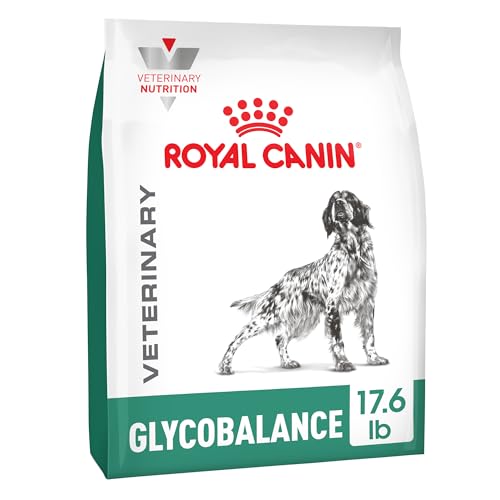
* Veterinary Prescription Diets: These specialized diets are unequivocally the gold standard for diabetic dogs. Brands like Royal Canin Veterinary Diet GlycoBalance, Purina Pro Plan Veterinary Diets DM Dietetic Management, and Hill’s Prescription Diet w/d Multi-Benefit are specifically formulated with precise nutrient profiles to address the unique metabolic needs of diabetic canines. These foods are characterized by:
* Low Glycemic Index: Carefully selected carbohydrate sources ensure a slow, steady release of glucose.
* High Fiber Content: Optimal levels of both soluble and insoluble fiber help moderate glucose absorption, promote satiety, and support digestive health.
* Moderate, High-Quality Protein: Designed to maintain lean muscle mass without excessively impacting blood glucose.
* Controlled Fat Levels: Balanced to provide essential fatty acids while minimizing the risk of obesity and pancreatitis.
* Specific Nutrients: Often include L-carnitine to support fat metabolism and antioxidants to combat oxidative stress.
These diets undergo extensive research and clinical trials to demonstrate their effectiveness in stabilizing blood glucose, improving insulin sensitivity, and supporting overall health outcomes. They require a prescription from your veterinarian, who can recommend the most appropriate option based on your dog’s specific health status and other co-existing conditions.
* High-Fiber, Low-Glycemic Commercial Foods: While not specifically designed for diabetic management, some reputable commercial dry dog foods may align with certain nutritional principles beneficial for diabetic dogs. These typically feature higher fiber content, lower carbohydrate levels, and whole-food ingredients. If considering such an option, it is imperative to:
* Scrutinize Ingredient Lists: Look for whole grains like barley or oats as primary carbohydrate sources, named lean meat proteins, and a high crude fiber percentage (often 10% or more).
* Ensure Moderate Fat: Avoid foods with excessively high-fat content.
* Consult Your Veterinarian: Before introducing any commercial diet, even one that appears suitable, it is crucial to obtain your veterinarian’s approval. They can assess if the food truly meets your dog’s needs and advise on close monitoring to ensure it does not negatively impact blood glucose control. These foods lack the precise, clinically tested balance of prescription diets, and careful monitoring of your dog’s blood glucose levels will be essential if you and your vet decide to try one.
* Individualized Choices: It’s vital to recognize that the “best” food can vary significantly among diabetic dogs. Factors such as a dog’s age, activity level, presence of other health conditions (e.g., kidney disease, allergies, pancreatitis history), and even palatability preferences can influence the optimal choice. For example, a dog with concurrent kidney disease might require a diet with restricted protein and phosphorus, necessitating a different prescription diet than one without. Similarly, a highly active diabetic dog might need slightly different caloric and macronutrient ratios than a sedentary senior. Your veterinarian will consider all these variables, along with your dog’s response to different diets, to formulate the most effective and personalized nutritional plan.
Transitioning to a New Diet and Feeding Strategies
Implementing a new diet for a diabetic dog requires a systematic approach to ensure digestive comfort and effective blood glucose management. Proper feeding strategies are just as crucial as the food itself.
* Gradual Transition: Any change in your dog’s diet, especially for a diabetic dog, must be introduced gradually. An abrupt switch can lead to gastrointestinal upset, including vomiting or diarrhea, which can further complicate blood sugar regulation and lead to dehydration. A typical transition plan spans 7-10 days:
* Days 1-3: Mix 25% new food with 75% old food.
* Days 4-6: Mix 50% new food with 50% old food.
* Days 7-9: Mix 75% new food with 25% old food.
* Day 10 onwards: Feed 100% new food.
Throughout this period, closely monitor your dog for any signs of digestive distress or changes in appetite. More importantly, your veterinarian may recommend more frequent blood glucose monitoring during this transition to observe how the new diet impacts blood sugar levels and to make any necessary adjustments to insulin dosage.
* Consistent Meal Times: Establishing and strictly adhering to consistent meal times is paramount for diabetic dogs. Insulin dosages are often timed in conjunction with meals to help the body process the incoming glucose efficiently. Typically, insulin is administered after a meal, often twice daily at 12-hour intervals. Feeding your dog at the exact same times each day ensures that the peak action of insulin aligns with the absorption of glucose from the food. This consistency helps prevent dangerous fluctuations, such as hypoglycemia (low blood sugar, if insulin is given without food or too far in advance) or hyperglycemia (high blood sugar, if food is given too late after insulin or erratically). Many veterinarians also recommend dividing the daily food allowance into two or more smaller meals to further stabilize blood glucose throughout the day.
* Portion Control: Precise portion control is critical for managing calorie intake, maintaining a healthy weight, and ensuring accurate insulin dosing. “Eyeballing” portions with a scoop is often inaccurate and can lead to overfeeding or underfeeding. Instead, use a kitchen scale to measure food portions precisely, based on the caloric recommendations provided by your veterinarian. These recommendations are tailored to your dog’s ideal body weight, activity level, and metabolic needs. Free-feeding (leaving food out all day) is highly discouraged for diabetic dogs as it prevents accurate monitoring of food intake and makes blood sugar regulation impossible. All treats, if given, must be vet-approved, low-calorie, and low-glycemic (e.g., small pieces of cooked lean protein, green beans, or specific diabetic treats) and accounted for within the daily caloric allowance to avoid disrupting the carefully balanced diet.
Working Closely with Your Veterinarian
Effective management of canine diabetes is a collaborative effort between the pet owner and the veterinary team. The intricate relationship between diet, insulin, and a dog’s individual metabolism necessitates continuous professional guidance.
* Regular Monitoring: Your veterinarian will outline a comprehensive monitoring plan. Initially, this often includes detailed blood glucose curves to assess how your dog’s blood sugar responds to food and insulin over several hours. Fructosamine levels, which provide an average blood glucose over the preceding 2-3 weeks, are also frequently used. As management progresses, your vet will guide you on appropriate at-home glucose monitoring techniques, which might include using a pet-specific glucometer or continuous glucose monitoring (CGM) systems. Regular check-ups are essential to track your dog’s weight, overall health, and progress. Your consistent record-keeping of food intake, insulin dosages, blood glucose readings, water consumption, and urination patterns will be invaluable data for your vet to make informed decisions about diet adjustments and insulin dosage changes.
* Personalized Plan: Every diabetic dog is unique, and there is no one-size-fits-all approach to management. Your veterinarian will develop a highly personalized plan that considers your dog’s specific type of diabetes, age, breed, body condition, activity level, and any concurrent health conditions (e.g., dental disease, kidney disease, pancreatitis, allergies). This holistic approach ensures that the chosen diet not only supports blood glucose control but also addresses all aspects of your dog’s health. The diet is just one component of a multi-modal management strategy that also includes precise insulin administration, appropriate exercise, and regular health assessments.
* Addressing Concerns: Prompt communication with your veterinarian is critical if you observe any changes in your dog’s health or behavior. Be vigilant for symptoms such as excessive thirst or urination, changes in appetite (either increased or decreased), lethargy, sudden weight loss or gain, vomiting, diarrhea, or any signs of hypoglycemia (weakness, disorientation, tremors, seizures) or hyperglycemia (increased thirst/urination, lethargy). Reporting these changes immediately allows your vet to intervene promptly, adjusting the diet or insulin regimen as needed to prevent serious complications. Your vet will also provide clear instructions on what to do in case of an emergency, such as a hypoglycemic crisis, which may involve administering a small amount of corn syrup or honey to gums before seeking immediate veterinary care.
Navigating the dietary needs of a diabetic dog requires careful consideration and a proactive approach. By choosing dry foods specifically formulated to manage blood sugar, focusing on the right nutritional profile, and maintaining consistent feeding practices, you can significantly contribute to your dog’s well-being. Always remember that the most effective diabetes management plan is one developed in close consultation with your veterinarian, ensuring the diet aligns perfectly with your dog’s specific health requirements and treatment regimen.
Frequently Asked Questions
What key ingredients should I look for in dry dog food for canine diabetes?
When selecting dry dog food for canine diabetes, prioritize formulas with complex carbohydrates like whole grains (e.g., barley, oats, brown rice) or specific vegetables, as these digest slowly and help prevent blood sugar spikes. High-quality protein sources are essential to support lean muscle mass, along with a moderate fat content. Crucially, look for a high fiber content, which aids in blood sugar regulation and promotes satiety.
Why is a high-fiber, low-glycemic diet crucial for managing canine diabetes?
A high-fiber, low-glycemic diet is vital for managing canine diabetes because fiber slows down glucose absorption, preventing rapid increases in blood sugar after meals. Low-glycemic ingredients release glucose gradually into the bloodstream, contributing to more stable and predictable blood glucose levels throughout the day. This consistent control is essential for preventing complications and supporting overall metabolic health in diabetic dogs.
How can commercial “diabetic formula” dry dog foods benefit my dog?
Commercial “diabetic formula” dry dog foods are expertly formulated by veterinary nutritionists to meet the specific dietary needs of dogs with diabetes. These specialized diets typically feature precisely controlled levels of complex carbohydrates, elevated fiber content, and carefully balanced protein-to-fat ratios designed to stabilize blood glucose and aid in weight management. Consulting your veterinarian is crucial to determine if a prescription diabetic diet is the optimal choice for your dog’s condition and to ensure it aligns with their specific medical needs.
Which general characteristics make a dry dog food “best” for dogs with diabetes?
The “best” dry dog food for canine diabetes typically possesses a high protein content to help maintain lean muscle mass, moderate fat levels, and complex carbohydrates with a low glycemic index to ensure steady energy release. It should also be rich in dietary fiber, which is fundamental for regulating blood sugar and promoting a feeling of fullness. Veterinarian-recommended formulas, often prescription diets, are ideal due to their consistent nutrient profiles tailored to effectively manage blood glucose levels.
Can I feed my diabetic dog regular dry food, or do I need a specialized diet?
While some regular dry dog foods might seem suitable, a specialized or prescription diet is generally recommended and often necessary for effectively managing canine diabetes. Regular dog foods can contain ingredients that cause significant blood sugar fluctuations, making diabetes control much more challenging. A veterinary-formulated diabetic diet is precisely balanced to help stabilize blood glucose, manage weight, and provide optimal nutrition, and its selection should always be guided by your veterinarian.
References
- https://en.wikipedia.org/wiki/Canine_diabetes_mellitus
- https://vet.osu.edu/vmc/companion/our-services/internal-medicine/canine-diabetes-mellitus
- https://now.tufts.edu/articles/managing-diabetes-dogs
- Veterinary Partner – VIN
- https://www.akc.org/expert-advice/health/diet-for-diabetic-dogs/
- https://vetmed.illinois.edu/wp-content/uploads/2021/05/Managing-Your-Diabetic-Dog-FINAL.pdf






Pingback: Best Dry Cat Food for Diabetes: What to Choose and Why - Best For Diabetics
Pingback: Best Dry Fruits for Diabetics: Top Picks and Smart Portions - Best For Diabetics
Pingback: Best Diet for Diabetic Person: Simple, Healthy Meal Guidance - Best For Diabetics
Pingback: Best Diets for Diabetics: Top Approaches to Improve Blood Sugar - Best For Diabetics