
Finding delicious and satisfying dessert recipes that manage blood sugar effectively for individuals with diabetes is absolutely achievable, proving that sweet cravings don’t have to be off-limits. This guide will provide you with a curated list of the best diabetic dessert recipes, focusing on options that are low in added sugars, mindful of carbohydrates, and packed with flavor, ensuring you can indulge responsibly and deliciously.



Understanding Diabetic-Friendly Desserts
Creating desserts that align with diabetic dietary guidelines requires a fundamental shift in ingredients and preparation methods. The goal is to minimize blood sugar spikes while maximizing nutritional value and flavor. Understanding the core principles of diabetic-friendly baking and cooking is the first step toward enjoying sweet treats responsibly.
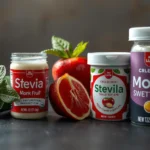
* Focus on Sugar Alternatives: The cornerstone of diabetic-friendly desserts is the judicious use of sugar alternatives. Refined sugars like sucrose rapidly elevate blood glucose levels, making them unsuitable for regular consumption by individuals managing diabetes. Instead, natural sugar substitutes such as stevia, monk fruit, and erythritol offer sweetness with minimal to no caloric impact or effect on blood sugar. Xylitol, another sugar alcohol, can also be used, though it’s important to note its higher caloric content compared to non-nutritive sweeteners and potential digestive effects in large quantities. Artificial sweeteners like sucralose or aspartame are also options, though many prefer natural alternatives. The careful selection of these substitutes allows for the creation of flavorful desserts without compromising glycemic control.
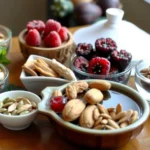
* Prioritize Whole Ingredients & Fiber: Incorporating whole, unprocessed ingredients is paramount. Fruits, nuts, seeds, and whole grains are rich in dietary fiber, which plays a crucial role in blood sugar management. Fiber slows down the absorption of glucose into the bloodstream, leading to a more gradual and stable rise in blood sugar after meals. Furthermore, fiber promotes satiety, helping to prevent overeating and supporting weight management. Opting for ingredients like whole-wheat flour, oats, flaxseeds, chia seeds, and a wide variety of berries and other high-fiber fruits not only enhances the nutritional profile of desserts but also contributes to better overall health. These ingredients often provide essential vitamins, minerals, and antioxidants, turning a simple dessert into a more wholesome treat.
* Mindful Carbohydrate Counting: While focusing on fiber and natural sugars is beneficial, diligent monitoring of total carbohydrate intake per serving remains crucial for effective blood sugar management. Even natural sugars found in fruits contain carbohydrates, and healthy ingredients like oats or nuts contribute carbs. Understanding the carbohydrate content of all ingredients allows individuals to align their dessert choices with their daily carbohydrate allowance. This often involves reading nutrition labels thoroughly, calculating net carbs (total carbs minus fiber and sugar alcohols, for some), and using portion control to ensure that dessert fits seamlessly into a balanced meal plan without causing unwanted blood glucose fluctuations. Consulting with a registered dietitian can provide personalized guidance on carbohydrate goals.
Fresh & Fruity Delights
Embracing the natural sweetness of fruits is an excellent strategy for creating refreshing and satisfying diabetic-friendly desserts. These options are often lighter, packed with vitamins, and naturally lower in added sugars, making them perfect for a guilt-free indulgence.
* Berry Parfaits with Greek Yogurt: A berry parfait is a vibrant, nutrient-dense dessert that’s simple to assemble. Layer plain, low-fat Greek yogurt – a rich source of protein that aids satiety and helps stabilize blood sugar – with a colorful assortment of mixed berries such as strawberries, blueberries, and raspberries. Berries are particularly beneficial due to their high fiber content and potent antioxidant properties, with a relatively low glycemic index. To add texture and healthy fats, sprinkle in a small amount of chopped nuts like almonds or walnuts. This creates a balanced treat that is satisfying, visually appealing, and supports blood sugar stability. You can enhance the sweetness slightly with a dash of monk fruit or stevia in the yogurt if desired.
* Baked Apples with Cinnamon: This classic comfort dessert can be easily adapted to be diabetic-friendly. Start by coring firm apples like Honeycrisp or Granny Smith. Fill the cavity with a mixture of rolled oats, a generous amount of ground cinnamon (which some research suggests may help with insulin sensitivity), and a touch of a sugar substitute like erythritol. A small amount of water or a sugar-free maple syrup can be added to create moisture. Bake until the apples are tender, releasing their natural sweetness and creating a warm, inviting aroma. This dessert is rich in fiber from both the apples and oats, providing sustained energy release without a sharp blood sugar spike.
* Simple Fruit Salads: Sometimes the simplest approach is the best. A carefully curated fruit salad can be a delightful and healthy dessert. Focus on low-glycemic fruits to minimize blood sugar impact. Excellent choices include melon (cantaloupe, honeydew), kiwi, and a generous portion of berries. While grapes and bananas are healthy, they are higher in natural sugars and should be consumed in smaller portions. A squeeze of fresh lime juice or a sprinkle of fresh mint can elevate the flavors and add an extra zing without adding sugar. This type of dessert ensures a good intake of vitamins and minerals, while the natural sugars are buffered by fiber.
Decadent Chocolate & Creamy Treats
For those who crave richer, more indulgent desserts, it’s entirely possible to create decadent chocolate and creamy options that are still mindful of blood sugar. The key lies in strategic ingredient substitutions and smart portioning.
* Sugar-Free Dark Chocolate Mousse: Indulge in the luxurious texture and intense flavor of chocolate mousse without the sugar load. This recipe utilizes unsweetened cocoa powder, providing all the robust chocolate flavor without added carbohydrates. Sweeten the mousse with a suitable sugar substitute like stevia or erythritol to taste. For creaminess, traditional heavy cream can be used in moderation, or for a healthier, dairy-free alternative, ripe avocado can be blended in. Avocado lends a remarkably smooth, velvety texture and healthy monounsaturated fats, while its flavor is completely masked by the cocoa. This results in an antioxidant-rich, satisfying dessert that won’t cause a blood sugar spike.
* Low-Carb Cheesecake Bites: Cheesecake is a beloved dessert, and individual low-carb cheesecake bites offer the perfect solution for portion control and flavor. The crust can be made with almond flour, which is low in carbohydrates and gluten-free, combined with a little melted butter and a sugar substitute. The creamy filling typically consists of cream cheese, a sugar substitute (such as erythritol or monk fruit), and a touch of vanilla extract. Baked in mini muffin tins, these bites are perfectly sized, making it easy to enjoy a controlled portion without overindulging. They provide a good source of healthy fats and protein, contributing to satiety.
* Avocado Chocolate Pudding: This surprising yet incredibly effective recipe transforms ripe avocados into a velvety smooth, rich chocolate pudding. By blending ripe avocados with unsweetened cocoa powder, a sugar substitute, and a splash of unsweetened almond milk, you achieve a dessert that is remarkably creamy and indulgent. The healthy fats from the avocado contribute to a feeling of fullness and help slow down sugar absorption if combined with other carb sources. The taste of avocado is completely masked by the cocoa, leaving only a deep, satisfying chocolate flavor. This pudding is also dairy-free and packed with nutrients.
Baked Goods for Every Craving
Baked goods often top the list of desired desserts, and with thoughtful modifications, they can absolutely be part of a diabetic-friendly diet. The secret lies in swapping traditional high-carb, high-sugar ingredients for healthier, lower-glycemic alternatives.
* Almond Flour Brownies: For a fudgy, rich brownie experience, almond flour is an excellent substitute for wheat flour. Almond flour is naturally low in carbohydrates, high in protein, and gluten-free, making it an ideal base for diabetic-friendly baked goods. Combine almond flour with unsweetened cocoa powder and a sugar substitute like erythritol or monk fruit. Adding ingredients like unsweetened applesauce or a small amount of healthy fats (like coconut oil or avocado oil) can help maintain moisture and fudginess. These brownies offer a satisfying texture and deep chocolate flavor without the typical sugar rush, allowing you to enjoy a classic treat with confidence.
* Oatmeal Raisin Cookies (Diabetic-Friendly): Recreating a beloved classic like oatmeal raisin cookies requires careful attention to ingredients. Use rolled oats, which provide soluble fiber that aids in blood sugar control and contributes to satiety. The amount of raisins should be minimal and carefully measured, as raisins are concentrated sources of natural sugars; a few provide flavor without a significant carbohydrate impact. Sweeten the cookies primarily with a sugar substitute, along with a touch of unsweetened applesauce or mashed banana for natural sweetness and moisture. These cookies offer a comforting texture and flavor profile, making them a healthier alternative to traditional versions.
* Pumpkin Spice Muffins: Enjoy the comforting flavors of the season with pumpkin spice muffins adapted for diabetic needs. Pumpkin puree is naturally low in calories and carbohydrates, and rich in fiber and vitamin A. Combine it with whole wheat flour (for added fiber) or almond/coconut flour for a lower-carb option. Spices like cinnamon, nutmeg, ginger, and cloves provide warmth and complexity without needing extra sugar. Sweeten with a suitable sugar substitute and consider adding a small amount of chopped nuts for healthy fats and crunch. These muffins are moist, flavorful, and a perfect way to enjoy a seasonal treat responsibly.
Key Considerations for Sweet Success
Achieving consistent success with diabetic-friendly desserts goes beyond just selecting the right recipes. It involves developing good habits, understanding ingredient nuances, and maintaining a proactive approach to dietary management.
* Read Nutrition Labels Carefully: This cannot be overstressed. Even products marketed as “sugar-free” or “diet” can contain hidden sugars or ingredients that impact blood glucose. Always scrutinize nutrition labels for total carbohydrates, fiber content, and the presence of sugar alcohols. Pay attention to serving sizes, as even a healthy dessert can become problematic if consumed in excessive portions. Ingredients like maltodextrin, corn syrup solids, or various forms of dextrose can elevate blood sugar, so it’s essential to recognize them. Understanding “net carbs” (total carbs minus fiber and some sugar alcohols) can be helpful, but always consider the overall ingredient list.
* Portion Control is Paramount: Even when opting for diabetic-friendly desserts, moderation is crucial. These treats are designed to be better options, not an invitation for unlimited consumption. Consuming large quantities, even of low-sugar items, can still contribute to excess calorie intake and potentially impact blood glucose levels due to the carbohydrate content from other ingredients like flours, fruits, or nuts. Practice mindful eating, savoring each bite, and pre-portioning desserts to avoid overindulgence. Using smaller plates or individual servings (like the cheesecake bites mentioned) can be an effective strategy.
* Experiment with Substitutions: The world of diabetic-friendly baking is vast and continuously evolving. Don’t be afraid to experiment with different flours (almond, coconut, oat), various sugar substitutes (stevia, monk fruit, erythritol, xylitol), and healthy fats (avocado oil, coconut oil, unsweetened applesauce, Greek yogurt) to find your perfect balance of taste, texture, and nutritional profile. For example, if a recipe calls for dairy, try unsweetened almond or soy milk. If a recipe uses a sweetener you don’t prefer, research a suitable conversion for your preferred alternative. This experimentation not only broadens your culinary horizons but also allows you to tailor recipes to your specific dietary needs and taste preferences, making the journey of healthy eating more enjoyable and sustainable.
Embracing a diabetic-friendly diet doesn’t mean giving up the joy of dessert; rather, it’s an invitation to explore a world of delicious and creative alternatives. By focusing on whole ingredients, smart substitutions, and mindful portions, you can confidently enjoy sweet treats that satisfy your cravings while effectively managing your health. We encourage you to try these recipes, experiment with your own variations, and discover just how delightful healthy indulgence can be. Always consult with your healthcare provider or a registered dietitian for personalized dietary advice.
Frequently Asked Questions
What are some popular and genuinely delicious diabetic-friendly dessert recipes?
Many genuinely delicious diabetic-friendly dessert recipes focus on natural sweetness and controlled carbohydrates. Popular choices include berry crumbles made with almond flour and stevia, sugar-free chocolate avocado mousse, or baked apples with cinnamon. You can also enjoy low-carb cheesecakes sweetened with erythritol, which offer rich flavor without spiking blood sugar.
How can I modify my favorite traditional dessert recipes to make them diabetic-friendly?
You can easily modify traditional recipes by making smart ingredient swaps. Replace refined white sugar with sugar substitutes like erythritol, stevia, or monk fruit. For flour, opt for almond flour or coconut flour, which are lower in carbs and higher in fiber, helping to stabilize blood sugar. Additionally, consider incorporating healthy fats like avocado or nut butters, and boosting flavor with spices like cinnamon or vanilla instead of excessive sweeteners.
What key ingredients should I look for or avoid when making diabetic dessert recipes?
When making diabetic dessert recipes, prioritize ingredients that have a minimal impact on blood sugar. Look for natural, non-caloric or low-calorie sweeteners, whole grain flours in moderation (or low-carb alternatives), and fresh fruits like berries, which are lower in sugar and high in fiber. Strictly avoid refined sugars like white sugar, corn syrup, and high-fructose corn syrup, as well as highly processed white flours, which can cause rapid glucose spikes.
Which sugar substitutes are best for diabetic dessert recipes, and why?
For diabetic dessert recipes, top sugar substitutes include erythritol, stevia, and monk fruit. These are excellent choices because they are non-caloric and do not raise blood sugar levels, making them ideal for managing diabetes. Xylitol is another option, though it should be used in moderation and kept away from pets. These sweeteners provide sweetness without the carb load, allowing you to enjoy delicious diabetic desserts safely.
How can individuals with diabetes enjoy decadent desserts without compromising their health goals?
Individuals with diabetes can enjoy decadent desserts by focusing on portion control and mindful eating, alongside choosing well-crafted diabetic dessert recipes. Opt for smaller servings of richer, sugar-free options made with high-quality ingredients, and balance them within your daily carbohydrate budget. Enjoying these treats on special occasions, rather than routinely, helps maintain blood sugar stability and supports long-term health goals while satisfying a sweet tooth.
References
- https://www.diabetes.org/healthy-living/recipes/desserts
- https://extension.illinois.edu/diabetic-diet-and-recipes
- https://food.unl.edu/recipes/diabetes-friendly-desserts
- https://health.clevelandclinic.org/how-to-make-diabetic-desserts-sweet-and-healthy/
- https://www.cdc.gov/diabetes/managing/eat-well/recipes.html
- https://www.joslin.org/patient-care/health-library/joslin-kitchen-recipes