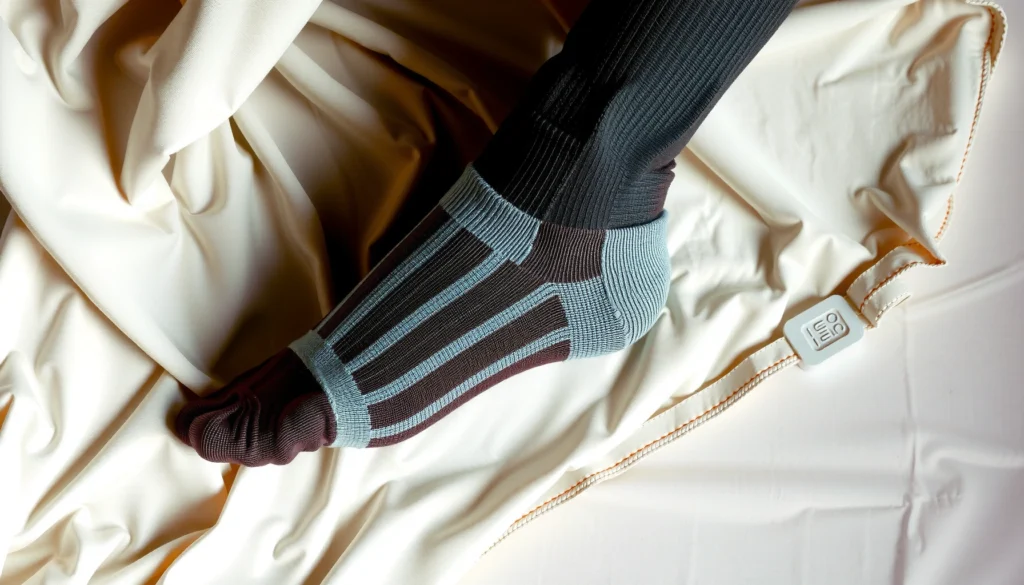

For individuals managing diabetic neuropathy, selecting the right compression socks is crucial for comfort, circulation, and preventing complications. The best compression socks for diabetic neuropathy are specifically designed with mild, graduated compression (typically 8-15 mmHg), featuring seamless construction, moisture-wicking fabrics, and adequate cushioning to support sensitive feet without constricting blood flow. This guide will help you understand what to look for to make an informed choice for your foot health, ensuring these garments provide beneficial support rather than posing a risk.




Understanding Diabetic Neuropathy and Compression’s Role
Diabetic neuropathy is a serious and prevalent complication of diabetes, stemming from prolonged high blood sugar levels. It profoundly impacts nerve function, particularly in the feet and lower legs, leading to a cascade of issues that demand careful management, including the consideration of specialized footwear and hosiery.
* Nerve Damage and Circulation Issues: Chronic hyperglycemia systematically damages peripheral nerves, impairing their ability to transmit signals effectively. This can manifest as loss of sensation (anesthesia), tingling, burning, or sharp pain, making individuals less aware of injuries or pressure points on their feet. Concurrently, diabetes often compromises microvascular circulation, reducing blood flow to the extremities. This impaired circulation slows wound healing and increases susceptibility to infections, transforming minor scrapes or blisters into severe complications. The combination of nerve damage and poor circulation creates a highly vulnerable environment for foot health.
* Mild Compression Benefits: In this delicate context, *mild* graduated compression socks can play a beneficial, supportive role. The gentle pressure exerted by these socks is strategically graduated – meaning it’s tightest at the ankle and gradually decreases towards the knee. This mechanism helps to counteract gravity, facilitating the return of venous blood and lymphatic fluid from the lower legs back towards the heart. The result is improved circulation, reduced venous pooling, and a significant decrease in swelling (edema), which is often a contributing factor to discomfort and reduced mobility in neuropathic feet. By providing this gentle support, these socks can alleviate symptoms like fatigue and heaviness, promoting overall comfort without creating harmful constriction.
* Distinction from High Compression: It is absolutely vital to differentiate mild diabetic compression socks from higher-grade medical compression socks, which are typically found in classes like 20-30 mmHg or higher. While higher compression is prescribed for conditions such as deep vein thrombosis or severe lymphedema, it is generally *not* suitable for most diabetic patients, especially those with pre-existing peripheral artery disease (PAD) or significant neuropathy. The stronger pressure from high-grade compression can dangerously restrict arterial blood flow, potentially leading to ischemia (lack of oxygen to tissues), skin breakdown, and even ulceration in feet with compromised circulation. Always consult a healthcare professional before considering any compression level above the mild range for diabetic neuropathy.
Essential Features for Diabetic-Friendly Compression Socks
When selecting compression socks for diabetic neuropathy, the details of their design are paramount. Each feature is thoughtfully integrated to prioritize the safety, comfort, and therapeutic benefit for sensitive and vulnerable feet.
* Mild, Graduated Compression (8-15 mmHg): This specific range of compression is the cornerstone of diabetic-friendly socks. The term “graduated” is key: the compression is strongest at the ankle (e.g., 15 mmHg) and progressively loosens towards the top of the calf (e.g., 8 mmHg). This physiological gradient actively assists the venous and lymphatic systems in returning fluids against gravity, thereby reducing swelling and improving peripheral circulation. Unlike higher compression levels that can impede arterial flow, this mild range provides sufficient support to alleviate common symptoms like leg fatigue and minor edema without exerting excessive pressure that could compromise the delicate circulatory balance in a diabetic limb. This level is generally considered safe for daily wear, promoting consistent blood flow and comfort throughout the day.
* Seamless Toe Construction: For feet with reduced sensation, even the slightest friction or pressure from a traditional sock seam can lead to serious complications. A prominent seam can rub repeatedly against the toes or the ball of the foot, creating a localized pressure point that, over time, can result in redness, irritation, blisters, or even open sores and ulcers. Diabetic neuropathy renders individuals unaware of such damage until it has progressed significantly. Seamless toe construction eliminates this critical risk factor by providing a smooth, uninterrupted interior. This design ensures maximum comfort and minimizes the potential for skin breakdown, offering a crucial protective layer for neuropathic feet.
* Non-Binding, Cushioned Cuffs: Traditional sock cuffs often feature elastic bands designed to hold the sock firmly in place. While effective for typical socks, these tight bands can be detrimental for individuals with diabetic neuropathy. A binding cuff can create a “tourniquet effect,” constricting blood flow at the calf and exacerbating circulatory issues or causing discomfort. Furthermore, it can leave indentations on the skin, which can become areas of irritation or even lead to localized skin damage. Non-binding cuffs are engineered to stay up without digging into the skin, ensuring that circulation remains unimpeded at the top of the sock. Often, these cuffs are also cushioned, providing a gentle, soft hold that enhances comfort and further reduces the risk of pressure points or skin irritation. This design element is vital for maintaining consistent, healthy blood flow throughout the entire lower leg.
Key Design Elements for Foot Health and Protection
Beyond compression and structural integrity, the materials and specific design enhancements of diabetic compression socks play a pivotal role in maintaining foot health and preventing complications. These elements are meticulously chosen to address the unique vulnerabilities of neuropathic feet.
* Moisture-Wicking and Breathable Fabrics: The skin on diabetic feet is particularly susceptible to issues arising from excessive moisture. Perspiration can lead to maceration, a softening and breakdown of the skin that makes it highly vulnerable to fungal infections (like athlete’s foot) and bacterial proliferation. These infections can quickly escalate into more serious problems due to impaired immune response and circulation. High-quality diabetic socks are crafted from advanced moisture-wicking and breathable fabrics such as bamboo, merino wool, or specialized synthetic blends (e.g., polyester, nylon, spandex engineered for wicking). These materials are designed to actively pull moisture away from the skin’s surface and allow it to evaporate, keeping the feet dry, cool, and comfortable. This proactive management of moisture is critical in preventing skin maceration and reducing the risk of debilitating infections.
* Targeted Cushioning and Padding: Neuropathic feet frequently experience changes in foot structure, including fat pad atrophy (loss of the natural protective padding on the soles) and altered biomechanics due to muscle weakness. These changes can increase pressure on specific areas of the foot, leading to increased friction, calluses, and a heightened risk of ulceration from repetitive impact. Diabetic compression socks often incorporate targeted cushioning and padding in high-pressure zones, such as the heel, the ball of the foot (metatarsal heads), and sometimes the Achilles tendon. This extra padding provides critical shock absorption, distributes pressure more evenly across the foot, and offers an additional layer of protection against minor traumas, bumps, and rubs from footwear. It significantly enhances comfort and reduces the likelihood of developing skin lesions in vulnerable areas.
* Antimicrobial Properties: Given the increased risk of infections in individuals with diabetes, socks with antimicrobial properties offer an invaluable layer of protection. These properties help inhibit the growth of bacteria, fungi, and other microorganisms that thrive in warm, moist environments. Some fabrics, like bamboo, possess natural antimicrobial qualities, while others are treated with antimicrobial agents (e.g., silver ions) that release slowly over time. By reducing microbial load on the skin, these socks help prevent foot odor and, more importantly, mitigate the risk of skin infections such as athlete’s foot, cellulitis, or fungal nail infections. This proactive approach to hygiene is essential in safeguarding the compromised skin integrity of diabetic feet.
The Benefits of Choosing the Right Pair
Selecting the appropriate compression socks for diabetic neuropathy offers a multifaceted approach to foot care, delivering significant benefits that contribute to overall comfort, health, and prevention of severe complications.
* Improved Peripheral Blood Flow: The primary benefit of mild, graduated compression is its ability to enhance peripheral blood flow. By gently supporting the venous system, these socks prevent blood from pooling in the lower extremities, thereby improving the efficiency of blood return to the heart. This enhanced circulation ensures that oxygen, nutrients, and vital immune cells are delivered more effectively to the sensitive nerves and tissues in the feet and lower legs. Better oxygenation and nutrient supply are crucial for maintaining nerve health, supporting tissue repair, and optimizing the body’s natural healing processes, which are often compromised in diabetic individuals. Consistent use can contribute to healthier skin and potentially reduce the progression of some neuropathy-related symptoms.
* Reduced Swelling and Discomfort: Edema (swelling) is a common issue for many with diabetic neuropathy, often leading to feelings of heaviness, tightness, and general discomfort in the legs and feet. This swelling can also make shoes feel tight, increasing the risk of pressure points and friction. The gentle pressure from well-chosen compression socks effectively combats edema by promoting fluid drainage. By reducing fluid accumulation, these socks alleviate the associated discomfort, making daily activities more tolerable and improving overall quality of life. Reduced swelling also means a more consistent shoe fit, which in turn minimizes the risk of footwear-induced injuries.
* Protection Against Injury: For neuropathic feet, which often have reduced sensation, the risk of unnoticed injury is exceptionally high. A minor scrape, a stubbed toe, or even friction from an ill-fitting shoe can go undetected and rapidly progress into a serious wound or ulcer due to compromised healing. A properly designed diabetic compression sock acts as a crucial protective barrier. Its soft, seamless fabric shields the skin from external abrasions and reduces friction. The targeted cushioning provides a buffer against impacts and distributes pressure evenly, minimizing the chances of developing pressure sores. This proactive physical protection is fundamental in preventing the initial small injuries that can escalate into severe complications like non-healing ulcers and, in extreme cases, amputation.
Important Safety Considerations and Doctor’s Advice
While compression socks offer numerous benefits for individuals with diabetic neuropathy, it is critical to approach their use with caution and professional guidance. Ignoring safety protocols can negate potential advantages and even introduce new risks.
* Consult Your Healthcare Provider: This is the single most important step before incorporating compression socks into your foot care regimen. A healthcare professional—such as an endocrinologist, podiatrist, or primary care physician—needs to thoroughly assess your specific condition. This assessment typically includes evaluating your circulatory status (e.g., performing an Ankle-Brachial Index (ABI) test to check for peripheral artery disease (PAD)), the severity of your neuropathy, and the presence of any existing foot complications like ulcers, infections, or dermatological issues. Compression socks are contraindicated for individuals with severe PAD, congestive heart failure, or certain skin infections. Your doctor will determine if compression socks are safe and appropriate for you, and will recommend the ideal compression level (if any) based on your individual health profile.
* Accurate Sizing is Paramount: The effectiveness and safety of compression socks hinge entirely on accurate sizing. Socks that are too tight will not only be uncomfortable but can also dangerously constrict blood flow, leading to skin damage, nerve impingement, or exacerbating existing circulatory problems. Conversely, socks that are too loose will fail to provide the intended therapeutic compression, bunch up, and potentially cause friction points. To ensure a proper fit, you must accurately measure the circumference of your ankle (at its narrowest point), your calf (at its widest point), and potentially your foot length, according to the manufacturer’s specific sizing charts. It is often recommended to take these measurements in the morning before any significant swelling has occurred. Some individuals may benefit from having their measurements taken by a healthcare professional or a trained fitter at a medical supply store to ensure precision.
* Regular Foot Checks: Even with the most carefully chosen and perfectly fitted compression socks, daily inspection of your feet remains an absolutely crucial practice due to reduced sensation from neuropathy. Because you may not feel pain or discomfort from minor injuries, a routine visual and tactile check is essential. Each day, remove your socks and thoroughly inspect your entire foot, including between the toes, the soles, and the heels. Look for any signs of redness, blisters, cuts, sores, unusual warmth or coldness, swelling, changes in skin color, or nail problems. Use a mirror if flexibility makes it difficult to see the bottom of your feet. Promptly report any abnormalities to your healthcare provider. This diligent vigilance acts as a vital safety net, ensuring that any issues are detected early, allowing for timely intervention before they can escalate into severe complications.
Choosing the appropriate compression socks is a proactive and integral step in managing diabetic neuropathy, offering significant support, enhanced comfort, and crucial protection for vulnerable feet. By prioritizing features such as mild, graduated compression, seamless designs, moisture-wicking materials, and targeted cushioning, you can significantly improve your foot health and reduce the risk of complications. However, remember that these socks are just one component of comprehensive foot care. Always initiate their use after consulting with your healthcare professional to ensure they are suitable for your specific condition, and consistently practice diligent daily foot checks. This collaborative approach between patient and provider is key to making an informed choice and optimizing outcomes for your long-term foot health.
Frequently Asked Questions
Why are specific types of compression socks recommended for diabetic neuropathy, and not just any compression sock?
Patients with diabetic neuropathy require specialized compression socks because their feet are more vulnerable to injury and poor circulation than general users. Unlike standard compression socks, those designed for neuropathy often feature seamless construction to prevent rubbing, extra padding for protection, and non-binding tops that won’t restrict blood flow, which is crucial for sensitive feet already prone to nerve damage and slow healing. These specialized socks prioritize safety, comfort, and protection, addressing the unique challenges of diabetic foot health.
What key features should I look for when choosing the best compression socks for diabetic neuropathy?
When selecting compression socks for diabetic neuropathy, prioritize features like seamless toes to prevent irritation and blisters, extra padding in high-pressure areas (heels and balls of feet) for shock absorption, and moisture-wicking materials to keep feet dry and reduce fungal infection risk. Additionally, opt for non-binding tops that stay up without constricting circulation, and ensure the fabric is breathable to maintain proper foot temperature and overall comfort. These elements are vital for protecting sensitive feet and promoting overall foot health.
How do compression socks specifically help manage symptoms of diabetic neuropathy?
Compression socks help manage diabetic neuropathy symptoms by gently supporting blood flow and reducing swelling, which can alleviate discomfort, tingling, and numbness. By promoting better circulation, they ensure more oxygen and nutrients reach the feet while helping remove waste products, potentially slowing the progression of nerve damage and aiding in recovery. The mild compression also provides a protective barrier against minor injuries and can enhance proprioception (the sense of where your feet are in space), further contributing to foot safety and comfort.
What compression level (mmHg) is generally considered safe and effective for diabetic neuropathy, and what are the risks of too much compression?
For individuals with diabetic neuropathy, mild compression levels, typically ranging from 8-15 mmHg or 15-20 mmHg, are generally recommended and considered safest. It’s crucial to consult with a healthcare professional before choosing a specific compression level, as too much compression can actually worsen circulation, especially in feet already compromised by nerve damage and peripheral artery disease. Excessive compression can lead to skin breakdown, pressure sores, and further restrict vital blood flow, making careful selection and medical guidance essential.
How do I ensure I’m selecting the correct size and fit for compression socks with diabetic neuropathy to avoid harm?
To ensure the correct size and fit for compression socks with diabetic neuropathy, always measure your ankle and calf circumference, and sometimes leg length, according to the manufacturer’s size chart. It’s best to measure first thing in the morning before swelling occurs. A proper fit should be snug but never painful or create indentations, and the material should lie smoothly without creases or bunching, particularly around the toes and ankle, to prevent rubbing or excessive pressure. Consulting with a healthcare provider or a fitting specialist can also help guarantee an an optimal and safe fit for sensitive feet.
References
- Diabetes & Foot Problems – NIDDK
- https://www.diabetes.org/food-and-fitness/complications/foot-care
- https://health.clevelandclinic.org/what-type-of-socks-are-best-for-diabetics/
- https://www.ncbi.nlm.nih.gov/pmc/articles/PMC8949576/
- Inflammatory bowel disease (IBD) – Diagnosis and treatment – Mayo Clinic
- https://www.nhs.uk/conditions/diabetes/footcare/
- https://www.uofmhealth.org/conditions-treatments/diabetes/diabetic-foot-care



Pingback: Best Compression Socks for Diabetes: Top Picks & How to Choose - Best For Diabetics
Pingback: Bruise on Top of Foot Diabetic: Causes, Safety, and Next Steps - Best For Diabetics