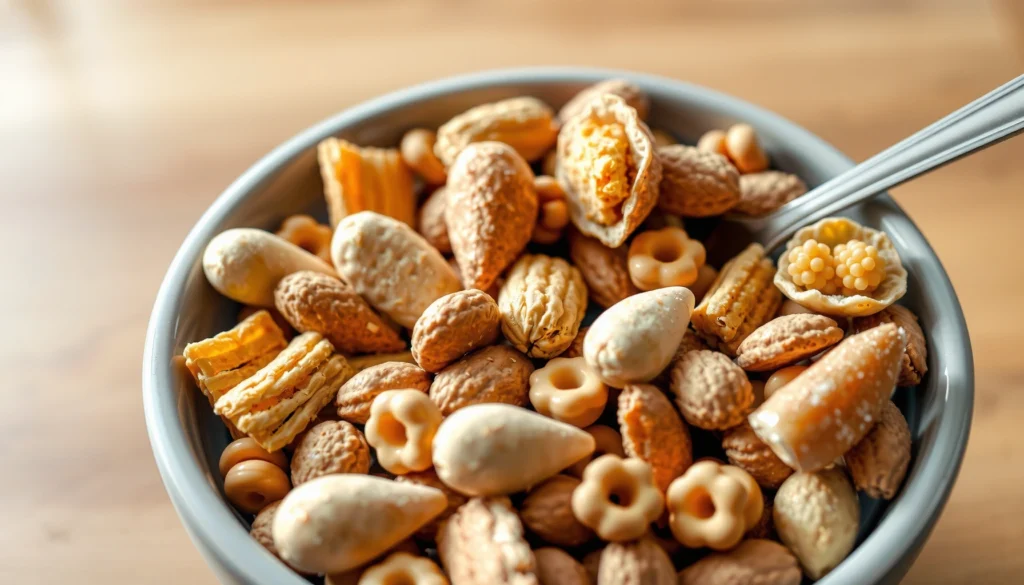

When choosing the best breakfast cereal for diabetes, the key isn’t a single product, but rather a combination of nutritional factors that promote stable blood sugar. The most effective cereals for managing diabetes are typically high in fiber, low in added sugars, made from whole grains, and have a low glycemic index. These choices help prevent blood sugar spikes, keep you feeling full, and support overall health.



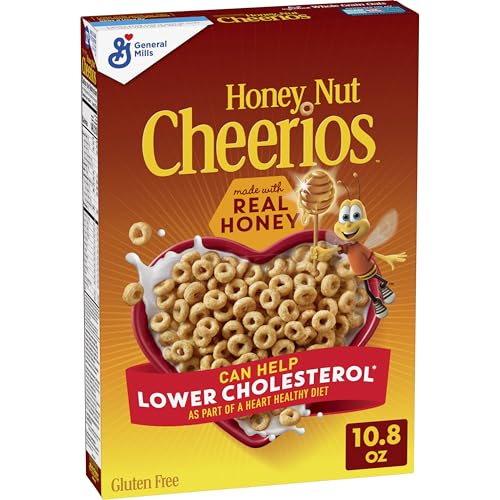
The Diabetes-Friendly Cereal Checklist
Navigating the cereal aisle can be daunting, but a clear set of criteria can simplify the process for individuals managing diabetes. Prioritizing these nutritional components ensures that your breakfast supports stable blood sugar levels and contributes positively to your overall well-being.
* High Fiber Content: Fiber is a cornerstone of a diabetes-friendly diet, and for breakfast cereals, aiming for at least 3-5 grams of fiber per serving is a robust starting point. Soluble fiber, in particular, plays a critical role in slowing glucose absorption, which directly impacts blood sugar stability. Beyond glycemic control, adequate fiber intake supports digestive health, helps lower cholesterol, and enhances satiety, making it easier to manage weight. Look for ingredients like whole oats, barley, psyllium, and flaxseed which are excellent sources.
* Low Added Sugars: This is perhaps one of the most crucial elements to scrutinize on any cereal label. The recommendation is to seek out cereals with less than 5 grams of added sugar per serving. Many popular cereals are laden with sugars that can cause rapid and significant spikes in blood glucose. Be mindful that even “healthy-sounding” cereals can contain substantial amounts of added sweeteners. Prioritizing options with minimal or no added sugars allows you to control the sweetness yourself, perhaps by adding fresh fruit or a touch of natural, low-calorie sweetener.
* Whole Grains First: The foundation of a healthy cereal for diabetes management should always be whole grains. This means ensuring that the first ingredient listed on the package is a whole grain, such as whole wheat, rolled oats, steel-cut oats, quinoa, brown rice, or barley. Unlike refined grains, which have been stripped of their bran and germ (and thus much of their fiber, vitamins, and minerals), whole grains retain all parts of the grain kernel. This preservation results in a slower digestion process, leading to a more gradual rise in blood sugar and providing a sustained release of energy throughout your morning.
Focus on Fiber: Your Blood Sugar Ally
Fiber is an unsung hero in diabetes management, acting as a powerful tool to mitigate the impact of carbohydrates on blood glucose. Its multifaceted benefits make it indispensable for anyone looking to stabilize blood sugar and enhance metabolic health.
* Slows Digestion: The primary mechanism through which fiber helps control blood sugar is by slowing down the digestive process. When fiber, especially soluble fiber, mixes with water in the digestive tract, it forms a gel-like substance. This gel encases carbohydrates, delaying their breakdown and the subsequent absorption of glucose into the bloodstream. This slower absorption rate prevents the rapid post-meal blood sugar spikes often associated with refined carbohydrates, promoting a smoother and more controlled glycemic response.
* Improves Satiety: High-fiber cereals contribute significantly to feelings of fullness and satiety, a critical factor in weight management, which is often intertwined with diabetes control. By slowing gastric emptying, fiber keeps food in the stomach longer, signaling to the brain that you are full. This prolonged feeling of satiety can reduce the likelihood of overeating or snacking between meals, thereby helping to manage calorie intake and support healthy weight maintenance or loss—both vital for improving insulin sensitivity.
* Supports Gut Health: Beyond its direct impact on blood sugar and satiety, dietary fiber plays a crucial role in maintaining a healthy gut microbiome. Many types of fiber act as prebiotics, serving as food for beneficial gut bacteria. A diverse and robust gut microbiome is increasingly linked to improved metabolic health, reduced inflammation, and better glucose regulation. A healthy gut contributes to more efficient nutrient absorption and can influence immune function, making fiber-rich cereals beneficial for overall systemic health, not just blood sugar.
Beware of Added Sugars & Refined Carbs
The modern food landscape is rife with hidden sugars and refined carbohydrates, making label scrutiny paramount for individuals managing diabetes. These ingredients can significantly undermine efforts to maintain stable blood glucose levels and promote overall health.
* Rapid Blood Sugar Spikes: Added sugars and refined grains are characterized by their rapid digestion and absorption into the bloodstream. When consumed, these carbohydrates are quickly broken down into glucose, leading to a swift and often dramatic increase in blood sugar. This rapid spike triggers a substantial insulin response from the pancreas. Over time, frequent and significant blood sugar fluctuations, coupled with consistent high insulin demands, can contribute to insulin resistance, making diabetes management more challenging and potentially exacerbating complications.
* Hidden Sugars: Manufacturers often employ various names for sugar to make ingredient lists appear healthier or less sugary. Being vigilant for these aliases is crucial. Common hidden sugars include high-fructose corn syrup, dextrose, maltose, sucrose, glucose, corn syrup solids, cane juice, fruit juice concentrate, molasses, and even “natural” sweeteners like agave nectar or honey, which, while natural, still contribute to total sugar intake and can impact blood glucose significantly. Always check the “Added Sugars” line on the nutrition facts panel, not just the “Total Sugars,” to identify how much sugar has been intentionally incorporated.
* Empty Calories: Cereals high in added sugars and refined carbohydrates are often described as providing “empty calories.” This means they contribute significant caloric energy without offering substantial nutritional value in terms of vitamins, minerals, or beneficial fiber. Consuming these types of cereals can lead to a quick burst of energy followed by a crash, leaving you feeling hungry again sooner. Furthermore, regularly choosing empty-calorie foods can displace more nutrient-dense options from your diet, leading to potential nutritional deficiencies and hindering long-term health goals beyond just blood sugar control.
Understanding Glycemic Index (GI) and Load (GL)
The Glycemic Index (GI) and Glycemic Load (GL) are invaluable tools for understanding how different carbohydrate-containing foods, including breakfast cereals, impact blood sugar levels. Incorporating these concepts into your food choices can significantly enhance diabetes management.
* GI Explained: The Glycemic Index is a ranking system that classifies carbohydrate-containing foods based on how quickly and how much they raise blood glucose levels after consumption, compared to a reference food (usually pure glucose or white bread). Foods are assigned a GI value from 0 to 100:
* Low GI: 55 or less (e.g., most non-starchy vegetables, legumes, whole grains like oats)
* Medium GI: 56-69 (e.g., whole wheat bread, brown rice)
* High GI: 70 or more (e.g., white bread, sugary cereals, instant mashed potatoes)
Choosing low GI foods helps maintain more stable blood sugar levels, reducing the likelihood of rapid spikes and subsequent crashes. However, the GI value of a food can be influenced by cooking methods, ripeness, and the presence of other nutrients like fat and protein in a meal.
* GL for Practical Use: While the GI provides a valuable ranking, it doesn’t account for typical portion sizes. This is where Glycemic Load (GL) becomes more practical for daily dietary planning. Glycemic Load considers both the GI of a food and the actual amount of carbohydrates in a typical serving. The formula is: GL = (GI x grams of carbohydrate) / 100.
* Low GL: 10 or less
* Medium GL: 11-19
* High GL: 20 or more
A food might have a high GI, but if a typical serving contains very few carbohydrates (like watermelon), its GL will be low. Conversely, a food with a moderate GI but consumed in large quantities could have a high GL. GL offers a more realistic measure of a food’s overall impact on blood sugar, helping individuals make more informed choices about both the type and amount of carbohydrates they consume.
* Opt for Low-GI Cereals: Prioritizing cereals that naturally have a low GI is a strategic approach for diabetes management. These cereals lead to a slower and more gradual rise in blood sugar, promoting sustained energy and reducing the demand on the pancreas for insulin. When selecting cereals, aim for options with whole, minimally processed grains and minimal added sugars. Combine this with the understanding of GL by being mindful of portion sizes, ensuring that even a low-GI cereal isn’t consumed in excessive amounts that could still elevate blood sugar.
Smart Cereal Choices: Types to Consider
Making informed choices in the cereal aisle involves identifying specific types of cereals that align with diabetes-friendly nutritional criteria. Focus on options that are whole, minimally processed, and allow for customization.
* Plain Rolled or Steel-Cut Oats: These are arguably among the best cereal choices for diabetes management. Both rolled oats and steel-cut oats are whole grains and excellent sources of soluble fiber, particularly beta-glucan, which is known for its blood sugar-lowering and cholesterol-reducing properties.
* Steel-cut oats are the least processed, having been cut into pieces rather than rolled flat. This results in a chewier texture and a lower glycemic index due to their slower digestion. They take longer to cook but offer superior blood sugar control.
* Rolled oats (old-fashioned oats) are steamed and flattened. While slightly more processed than steel-cut, they are still a whole grain and a good choice, especially if plain and unsweetened. Avoid instant or flavored oatmeal varieties, which often contain added sugars, sodium, and less fiber. Cook with water or unsweetened milk and flavor with cinnamon, nuts, or a few berries.
* High-Fiber, Whole-Grain Options: Beyond oats, several packaged cereals can fit into a diabetes-friendly diet, provided you scrutinize their labels carefully.
* Plain Shredded Wheat: This cereal, especially in its unsweetened, unadorned form, is an excellent source of whole wheat fiber with no added sugars or sodium. It’s simply whole wheat pressed into biscuits. Be cautious of frosted or flavored versions, which defeat the purpose.
* Fiber One Original: This particular cereal is renowned for its exceptionally high fiber content (often 10g or more per serving), primarily from insoluble wheat bran. While it’s great for digestive health and satiety, its texture can be dense. Its low sugar content makes it a viable option for blood sugar management, but always double-check the label for variations.
* Certain Bran Flakes: Some brands of plain bran flakes can be suitable, but it is absolutely critical to check the “added sugars” content. Many bran flake cereals are surprisingly high in sugar, despite their healthy perception. Look for brands that list whole grain wheat and wheat bran as primary ingredients and have less than 5 grams of added sugar per serving.
* Puffed Whole Grains: Unsweetened puffed wheat or puffed rice cereals can serve as a minimalist, whole-grain base. These are typically very low in calories and sugars, making them a blank canvas for building a nutritious breakfast. Their texture can be light and airy. However, due to their highly processed nature (even if whole grain), they might have a higher glycemic index than steel-cut oats. The key is what you add to them: incorporate healthy fats, proteins, and fiber through unsweetened milk, nuts, seeds, and berries to balance the meal and reduce the overall glycemic load.
Beyond the Bowl: Perfect Pairings & Portions
Even the best cereal choice can be undermined by unhealthy additions or inappropriate portion sizes. Strategic pairings and diligent portion control are crucial for maximizing the blood sugar benefits of your breakfast.
* Unsweetened Milk Alternatives: The type of liquid you add to your cereal significantly impacts the carbohydrate and calorie profile of your meal.
* Unsweetened almond milk and unsweetened soy milk are excellent choices as they are typically very low in carbohydrates and calories, and soy milk provides a good source of protein.
* Unsweetened oat milk is another option, but be mindful that its carbohydrate content is generally higher than almond or soy milk.
* Regular dairy milk (skim or low-fat) contains lactose, a natural sugar, which contributes to its carbohydrate content. While it also offers protein and calcium, individuals should account for its glycemic impact. Always choose unsweetened varieties to avoid unnecessary added sugars.
* Boost with Healthy Fats & Protein: Adding sources of healthy fats and protein to your cereal can dramatically improve satiety and further stabilize blood sugar. Protein and fat slow down digestion and glucose absorption, helping to mitigate any potential blood sugar spikes from the carbohydrates in the cereal.
* Nuts: A small handful of almonds, walnuts, pecans, or pistachios provides healthy fats, protein, and fiber.
* Seeds: Chia seeds, flax seeds (ground for optimal nutrient absorption), pumpkin seeds, or sunflower seeds are powerhouses of omega-3 fatty acids, fiber, and protein. Chia and flax seeds are also excellent sources of soluble fiber, creating a gel that slows digestion.
* Greek Yogurt: A dollop of plain, unsweetened Greek yogurt mixed into your cereal or served on the side significantly boosts protein content, which can keep you feeling full and satisfied for longer. Ensure it’s plain to avoid added sugars.
* Mindful Portions: Even healthy, low-GI cereals contain carbohydrates, and carbohydrate intake directly affects blood sugar. Adhering strictly to the recommended serving size is paramount. This often means measuring your cereal rather than free-pouring, as portion sizes can be surprisingly small compared to what one might intuitively pour into a bowl. Utilize measuring cups or a food scale for accuracy. Understanding the carbohydrate count per serving allows you to fit your cereal choice into your daily carbohydrate budget, ensuring effective blood sugar management.
Choosing the right breakfast cereal is a simple yet impactful step in managing diabetes effectively. By prioritizing high-fiber, low-sugar, whole-grain options and understanding the importance of glycemic index and portion control, you can enjoy a satisfying and blood sugar-friendly start to your day. Always remember to read food labels carefully and consult with your healthcare provider or a registered dietitian for personalized dietary advice tailored to your specific needs.
Frequently Asked Questions
What key nutritional factors should I look for in a breakfast cereal if I have diabetes?
When choosing a breakfast cereal for diabetes, prioritize those high in fiber and low in added sugars. Look for cereals with at least 3-5 grams of fiber per serving, as fiber helps slow down glucose absorption and stabilize blood sugar. Additionally, aim for cereals with less than 5 grams of added sugar per serving to prevent sudden blood sugar spikes, which is crucial for diabetes management.
Which types of breakfast cereals are generally recommended for managing blood sugar levels?
Generally, whole-grain, unsweetened or lightly sweetened cereals are best for managing blood sugar levels. Options like plain rolled oats, shredded wheat (without added sugar), oat bran, and certain high-fiber bran cereals are excellent choices. These whole grains provide complex carbohydrates that release energy slowly, aiding in stable glucose control throughout the morning.
How can I make my diabetic-friendly cereal even healthier and more satisfying?
To enhance your diabetic-friendly cereal, incorporate healthy fats and proteins, which further help stabilize blood sugar and increase satiety. Add a handful of berries for natural sweetness and antioxidants, a sprinkle of nuts or seeds (like chia or flax) for fiber and healthy fats, or a dollop of unsweetened Greek yogurt for protein. This combination creates a more balanced and fulfilling breakfast for individuals with diabetes.
Why is high fiber content crucial in breakfast cereals for individuals with diabetes?
High fiber content is crucial because it significantly impacts blood sugar management and overall health for individuals with diabetes. Fiber slows down the digestion and absorption of carbohydrates, preventing rapid spikes in glucose levels after eating. It also promotes satiety, helping with weight management—a key factor in diabetes control—and supports healthy digestion.
Are there specific popular cereal brands that are typically good choices for people with diabetes?
Yes, several popular cereal brands can be suitable for diabetes management if chosen carefully. Examples often include plain Shredded Wheat (check for no added sugar varieties), General Mills Fiber One Original, Post Grape-Nuts Original, and Quaker Old Fashioned Oats. Always remember to check the nutrition label for the exact fiber and sugar content per serving, as formulations can vary even within these brands.
References
- https://diabetes.org/food-nutrition/eating-well/meal-planning-healthy-eating/breakfast
- Diabetes diet: Create your healthy-eating plan – Mayo Clinic
- https://www.cdc.gov/diabetes/managing/eat-well.html
- Healthy Living with Diabetes – NIDDK
- Healthy Eating Plate • The Nutrition Source
- Page Not Found | Utah State University
- Chemotherapy and sex: Is sexual activity OK during treatment? – Mayo Clinic
- https://diabetes.org/food-nutrition/eating-well/meal-planning-healthy-eating/quick-meal-ideas






Pingback: Best Sugar Substitute for Diabetics: What Works Safest - Best For Diabetics