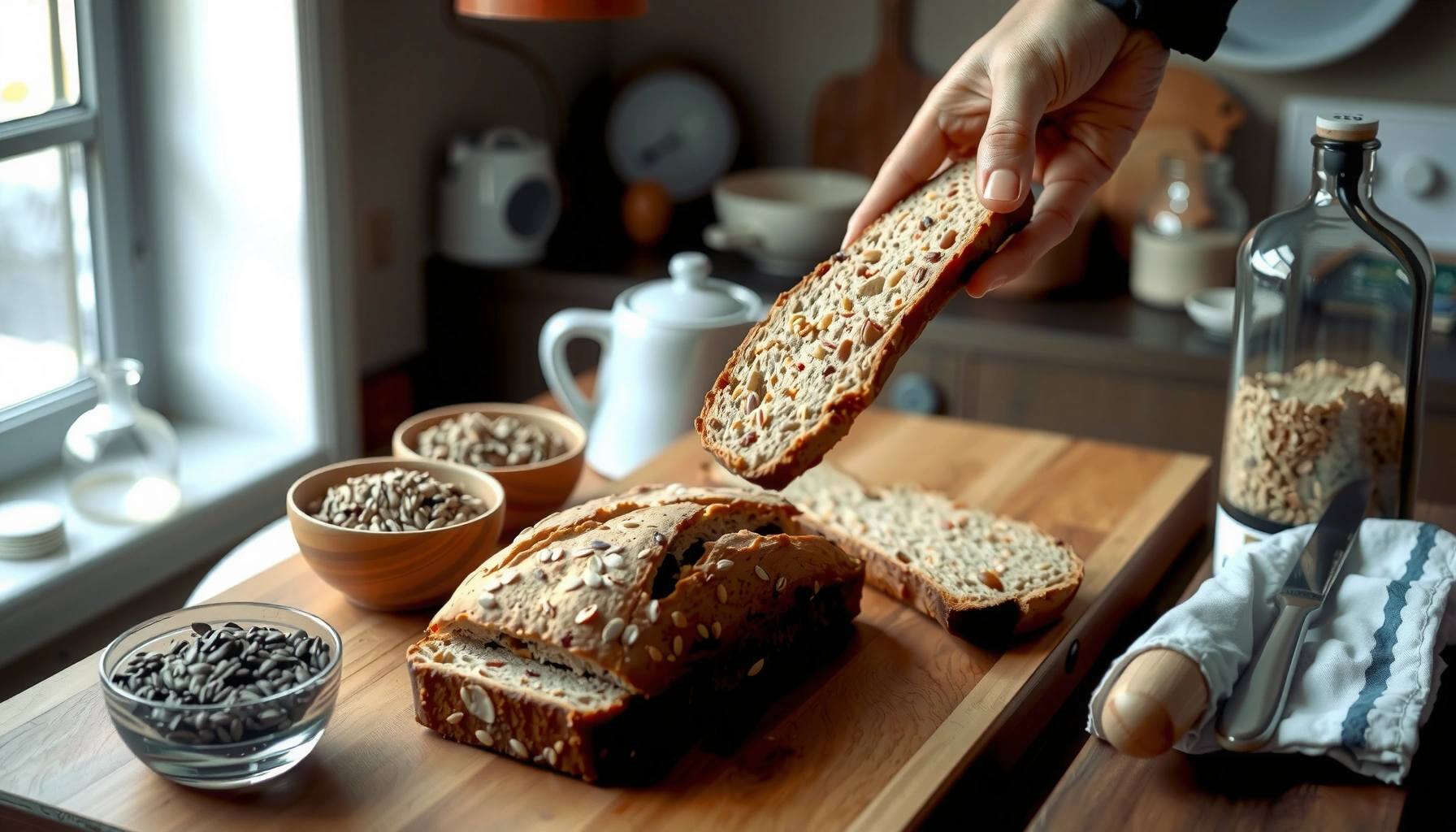

For individuals managing diabetes, the best bread choices are those that are 100% whole grain, high in fiber, and low in added sugars, such as genuine whole wheat, whole rye, and sprouted grain breads. These options help stabilize blood sugar levels by providing complex carbohydrates that are digested slowly, preventing rapid spikes. This comprehensive guide will walk you through identifying the most suitable breads, understanding their nutritional impact, and how to strategically incorporate them into a balanced diet to support your health goals.




What Makes Bread “Good” for Diabetes?
Selecting the right bread is a cornerstone of effective diabetes management, and it hinges on several key nutritional characteristics that impact blood glucose. Understanding these factors empowers individuals to make informed dietary choices that support stable energy levels and long-term health.
* High Fiber Content: Fiber is a non-digestible carbohydrate that plays a crucial role in mitigating the impact of sugars on blood glucose. By slowing down the digestive process, particularly the absorption of glucose into the bloodstream, fiber prevents sharp blood glucose spikes. It also contributes to satiety, helping to manage weight, a significant factor in diabetes. Diabetics should aim for breads that provide at least 3-5 grams of dietary fiber per serving. This fiber, whether soluble or insoluble, also supports gut health, promoting a healthy microbiome which has emerging links to metabolic health.
* Low Glycemic Index (GI): The Glycemic Index is a system that ranks carbohydrate-containing foods based on their effect on blood glucose levels. Breads with a lower GI release glucose into the bloodstream more gradually, leading to a steadier, more manageable rise in blood sugar. Whole grain breads generally possess a lower GI compared to their refined counterparts due to their intact fiber and complex carbohydrate structure. Choosing low-GI breads can help in maintaining more consistent blood sugar levels throughout the day and reduce the risk of insulin resistance over time.
* Whole Grains vs. Refined Grains: This distinction is perhaps the most critical. Always choose breads made with 100% whole grains over those made from refined grains. Whole grains (such as whole wheat, whole rye, oats, barley, and quinoa) retain all three parts of the grain kernel: the bran, germ, and endosperm. The bran contains fiber, B vitamins, and antioxidants, while the germ is rich in healthy fats, vitamin E, and minerals. Refined grains, like white flour, have the bran and germ stripped away during processing, removing virtually all the beneficial fiber, vitamins, and minerals. This results in a product that is rapidly digested, causing quick and dramatic blood sugar elevations. The nutritional density and slower digestion of whole grains are paramount for diabetes management.
* Minimal Added Sugars: Many commercially available breads, even those marketed as “healthy” or “whole wheat,” can contain significant amounts of added sugars. These sugars (which might appear under various names like high-fructose corn syrup, dextrose, molasses, honey, or fruit juice concentrate) contribute directly to blood glucose spikes and add empty calories. For individuals with diabetes, limiting added sugars is critical to managing blood glucose levels and overall caloric intake. Thoroughly checking the ingredients list for hidden sugars is an essential practice to avoid unnecessary glycemic load.
Top Bread Choices for Diabetes Management
When navigating the bread aisle, specific types stand out for their superior nutritional profiles and beneficial impact on blood sugar control. Prioritizing these options can significantly contribute to effective diabetes management.
* 100% Whole Wheat Bread: This is often the most accessible and popular choice. However, the crucial differentiator is the “100% whole wheat flour” designation as the first ingredient. Many breads simply labeled “wheat bread” are often made primarily with refined white flour with some whole wheat added, lacking the full nutritional benefits. True 100% whole wheat bread retains the bran, germ, and endosperm, providing a robust amount of dietary fiber, essential B vitamins (thiamine, riboflavin, niacin, folate), and minerals like magnesium, iron, and selenium. This rich fiber content ensures slower digestion and a more gradual release of glucose, helping to stabilize blood sugar levels. When selecting, look for a dense texture and a darker color, indicative of true whole grain content.
* Whole Rye Bread: Known for its dense texture and distinctive flavor, whole rye bread is an excellent option for diabetes management. Rye grain contains a unique type of fiber that is particularly effective at creating a feeling of fullness and slowing down carbohydrate digestion. Consequently, whole rye bread typically has a lower glycemic index (GI) than many other whole wheat breads. Pumpernickel, a darker, coarser variety of rye bread, can be a good choice if it is made from 100% whole rye flour and is not sweetened or colored with molasses. The high fiber content in rye bread also supports digestive health and can contribute to improved insulin sensitivity.
* Sprouted Grain Bread: Sprouted grain breads are made from whole grains (like wheat, barley, spelt, millet, and lentils) that have been allowed to germinate or “sprout” before being ground into flour. This sprouting process converts some of the starches into simpler sugars, slightly reducing the total carbohydrate content and potentially lowering the glycemic response. More importantly, sprouting can increase the bioavailability of vitamins and minerals, break down antinutrients (like phytic acid), and make the grains easier to digest. Brands like Ezekiel bread are popular examples, often made without flour, using a mixture of sprouted grains and legumes. These breads are typically dense, rich in fiber and protein, and have a favorable impact on blood glucose.
* Sourdough Bread (True Sourdough): Traditional sourdough bread, made through a slow fermentation process using a “starter” (a culture of wild yeasts and lactic acid bacteria) rather than commercial yeast, offers unique benefits for blood sugar control. The fermentation process alters the bread’s carbohydrate structure and lowers its pH, which can result in a lower glycemic index compared to conventionally leavened breads. The lactic acid produced by the bacteria during fermentation can also improve the digestibility of the bread and nutrient absorption. When choosing sourdough, ensure it is a true, long-fermented sourdough from a reputable bakery, as many commercial “sourdough” breads are merely flavored and do not undergo the traditional process.
Breads to Limit or Avoid
While some breads are beneficial, many others can negatively impact blood sugar levels and should be limited or completely avoided by individuals managing diabetes. Being aware of these options is as crucial as knowing the beneficial ones.
* White Bread and Enriched Flour Breads: These are among the most detrimental choices for individuals with diabetes. Made from refined flour, which has been stripped of the bran and germ, white bread offers very little dietary fiber, essential vitamins, or minerals. The rapid digestion of refined carbohydrates leads to a quick and dramatic surge in blood sugar levels, often followed by a crash. Even breads labeled “enriched” typically mean that some nutrients lost during processing have been added back, but the critical fiber component remains absent. These breads provide empty calories and contribute to poor glycemic control.
* Sweet Breads and Pastries: This category includes a wide array of tempting items such as cinnamon rolls, donuts, fruit breads (especially those with added candied fruit or syrups), brioche, and many breakfast pastries. These products are typically high in both refined carbohydrates and significant amounts of added sugars, often accompanied by unhealthy saturated or trans fats. The combination of high sugar and refined flour creates a potent double-whammy, leading to severe blood sugar spikes and offering minimal nutritional value. Regular consumption of such items can undermine diabetes management efforts and contribute to weight gain.
* Highly Processed Breads: Beyond obvious white and sweet breads, many commercially available “wheat” or “multigrain” breads can also fall into the category of highly processed foods. These often contain a surprisingly high amount of added sugars, unhealthy fats (such as partially hydrogenated oils or palm oil), artificial preservatives, dough conditioners, and colors. Despite appearing somewhat healthier due to their color or labeling, their ingredient list often reveals a lack of true whole grains and an abundance of additives that are not conducive to diabetes management. Always read nutrition labels meticulously, as misleading marketing terms can often mask a product’s true nutritional profile. Opting for breads with fewer, recognizable ingredients is generally a safer bet.
Understanding Nutrition Labels
Deciphering nutrition labels is a fundamental skill for anyone managing diabetes. It empowers you to make informed decisions beyond marketing claims, ensuring the bread you choose aligns with your dietary needs and health goals.
* Serving Size: This is the absolute first element to check on any nutrition label. All the subsequent nutritional values (calories, carbohydrates, fiber, sugars) are presented *per serving*. Many commercially sliced breads list a single slice as a serving, but some thicker slices or specialty breads might define a serving as half a slice or even two slices. Misinterpreting the serving size can lead to a significant miscalculation of your carbohydrate intake, directly impacting your blood glucose management. Always adjust your portion based on the stated serving size.
* Total Carbohydrates: For individuals with diabetes, the total carbohydrate count is a critical metric. This number includes starches, sugars, and fiber. While fiber is beneficial, its impact on blood sugar is negligible. Some individuals track “net carbs” (Total Carbohydrates – Fiber – Sugar Alcohols), as these are the carbohydrates that significantly raise blood glucose. Aim for breads that offer a balanced carbohydrate profile, ideally with a lower total carbohydrate count per serving relative to their fiber content. High total carbohydrates without adequate fiber will lead to rapid blood sugar increases.
* Fiber per Serving: As previously discussed, fiber is immensely beneficial for blood sugar control. When examining the label, prioritize breads that provide a substantial amount of dietary fiber—ideally at least 3-5 grams per slice. The higher the fiber content, the slower the glucose absorption, helping to mitigate blood sugar spikes. This also contributes to increased satiety, aiding in weight management. Look for soluble and insoluble fiber; both play roles in digestive health and glucose regulation.
* Ingredient List: This section is arguably the most crucial for truly understanding what you are consuming. The ingredients are listed in descending order by weight, meaning the first few ingredients make up the bulk of the product. For diabetes-friendly bread, “100% whole wheat flour,” “whole rye flour,” or other whole grains should be listed as the very first ingredient. Be wary of terms like “wheat flour,” “enriched flour,” or “multigrain” without the “100% whole” qualifier, as these often signify refined grains. Also, scrutinize the list for hidden added sugars (e.g., high-fructose corn syrup, dextrose, molasses, brown rice syrup, honey, agave nectar), unhealthy fats (e.g., partially hydrogenated oils, palm oil), and excessive artificial preservatives or colors. A shorter, simpler ingredient list with recognizable, wholesome components is generally a good indicator of a healthier bread choice.
Practical Tips for Incorporating Bread into Your Diet
Even with the best bread choices, strategic incorporation into your overall diet is vital for optimal diabetes management. These practical tips can help you enjoy bread without compromising your blood sugar goals.
* Portion Control: This is paramount, regardless of how healthy the bread is. While 100% whole grain breads are beneficial, they still contain carbohydrates that contribute to your daily intake and impact blood glucose. Stick strictly to the recommended serving size, which is typically one slice (around 30-45 grams or 15-20 grams of carbohydrates) for most standard breads. Using a food scale for accuracy, especially initially, can help you understand appropriate portion sizes. Over-consuming even “good” bread will negate its benefits and lead to elevated blood sugar levels. Incorporate bread as part of a meal rather than a standalone snack to better manage its impact.
* Pair with Protein and Healthy Fats: Eating bread alone can lead to a quicker rise in blood sugar due to the rapid digestion of carbohydrates. Pairing your bread with sources of protein and healthy fats can significantly slow down digestion and absorption, thereby blunting the post-meal blood glucose spike. For instance, top your whole grain toast with avocado and a fried egg, or lean turkey slices and hummus. The protein and fat increase satiety, reduce the glycemic load of the meal, and provide sustained energy. Examples include lean meats, poultry, fish, eggs, nuts, seeds, nut butters (sugar-free), cheese, and healthy oils like olive oil.
* Consider Topping Choices: The choice of toppings can drastically alter the nutritional impact of your bread. Opt for diabetes-friendly toppings that are low in sugar and provide additional nutrients. Excellent choices include mashed avocado, sugar-free nut butters (almond, peanut, cashew), hummus, cottage cheese, lean protein (like smoked salmon, chicken breast, or hard-boiled eggs), or a light spread of unsweetened cream cheese with herbs. Avoid sugary jams, jellies, chocolate spreads, or processed cheese spreads that can quickly increase your carbohydrate and sugar intake, undermining your efforts to choose a healthy bread base.
* Monitor Your Response: Diabetes management is highly individualized. What works well for one person might have a different effect on another due to variations in metabolism, medication, and activity levels. The most effective way to understand how specific breads (and toppings) impact *your* body is to monitor your blood sugar levels before and two hours after eating. This practice allows you to identify which types of bread and preparation methods are most suitable for your unique physiology and helps you fine-tune your dietary choices for optimal glucose control. Keep a food diary to correlate specific food items with your glucose readings for a clearer picture.
Choosing the right bread is a simple yet impactful step in managing diabetes effectively. By prioritizing 100% whole grain, high-fiber, and low-sugar options like genuine whole wheat, whole rye, or sprouted grain breads, you can enjoy bread without compromising your blood sugar goals. Always remember to read nutrition labels carefully, practice portion control, and combine your bread choices with a balanced diet rich in protein and healthy fats. This holistic approach, coupled with monitoring your individual response, will empower you to make sustainable dietary choices. Consult with your healthcare provider or a registered dietitian for personalized dietary advice tailored to your specific needs and health profile.
Frequently Asked Questions
Which types of bread are generally considered best for people with diabetes?
For individuals managing diabetes, 100% whole grain breads like whole wheat, sprouted grain (e.g., Ezekiel), and traditional sourdough are often recommended. These options typically offer more fiber, protein, and nutrients, which contribute to a slower release of glucose into the bloodstream compared to refined white bread. Prioritize breads where “100% whole grain” or “sprouted grain” is listed as the first ingredient to ensure you’re choosing a truly beneficial option for blood sugar management.
What nutritional factors should I look for when choosing bread if I have diabetes?
When selecting bread for diabetes, key nutritional factors to prioritize include high fiber content (ideally 3+ grams per slice), low net carbohydrates, and minimal added sugars. Always check the ingredient list to ensure “whole grain” or “sprouted grain” is at the top, indicating complex carbohydrates that digest slowly. Additionally, opt for breads with lower sodium levels and avoid those containing high-fructose corn syrup or excessive preservatives to support overall health.
How does bread affect blood sugar levels, and what’s a ‘good’ serving size for someone with diabetes?
Bread, especially refined varieties, can significantly impact blood sugar levels due to its carbohydrate content, which breaks down into glucose. High glycemic index breads cause rapid spikes. For effective diabetes management, focus on consuming whole grain, high-fiber options and practice strict portion control, typically limiting to one slice (around 15-20 grams of carbohydrates) per meal, paired with protein and healthy fats to mitigate blood sugar spikes.
Why is whole grain bread often recommended over white bread for diabetes management?
Whole grain bread is highly recommended over white bread for diabetes management because its intact grains retain all parts of the kernel, including the bran, germ, and endosperm, which are rich in fiber, vitamins, and minerals. This high fiber content slows down digestion and glucose absorption, leading to a more gradual and stable rise in blood sugar levels. In contrast, white bread, stripped of these beneficial components, causes a quicker and sharper blood sugar spike due due to its rapid digestion.
Are there any specific ‘diabetes-friendly’ bread brands or alternative options to consider?
While specific brand availability varies, sprouted grain breads like Ezekiel 4:9 are frequently cited as diabetes-friendly due to their lower glycemic index and higher nutritional profile from the sprouting process. Other excellent alternatives include low-carb tortillas, almond flour or coconut flour-based breads, and “cloud bread,” all of which offer significantly fewer carbohydrates than traditional loaves. Always scrutinize nutrition labels to confirm they align with your individual carbohydrate goals and dietary needs for effective blood sugar control.
References
- https://diabetes.org/healthy-living/recipes-nutrition/understanding-carbs/glycemic-index-and-diabetes
- Diabetes diet: Create your healthy-eating plan – Mayo Clinic
- https://www.cdc.gov/diabetes/managing/healthy-eating.html
- Carbohydrates • The Nutrition Source
- Healthy Living with Diabetes – NIDDK
- Glycemic index
- https://www.bbc.com/future/article/20190823-how-to-eat-bread-without-affecting-your-blood-sugar
- https://diabetes.org/healthy-living/recipes-nutrition/understanding-carbs/carbohydrate-counting