

For individuals managing diabetes, choosing the right milk can significantly impact blood sugar levels. Generally, unsweetened plant-based milks like almond milk, soy milk, and oat milk (in moderation) are excellent choices due to their lower carbohydrate content and lack of added sugars. While dairy milk can be consumed, opting for skim or low-fat varieties and being mindful of portion sizes is key, always prioritizing unsweetened options. Making informed milk choices is a foundational step in effective dietary management for blood glucose control, contributing positively to overall health and well-being.


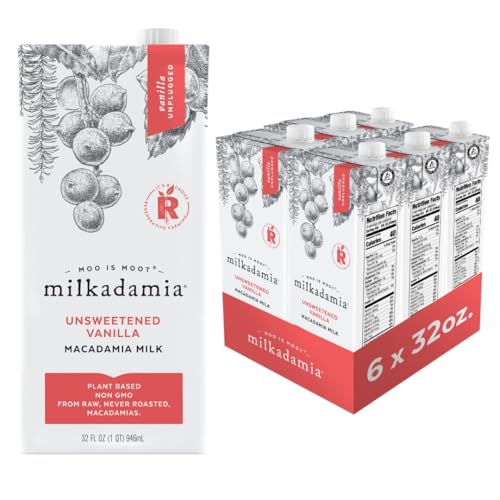

Why Milk Choices Matter for Diabetics
Milk, whether dairy or plant-based, is a common staple in many diets, consumed with cereal, in coffee, or as a standalone beverage. For individuals with diabetes, the seemingly innocuous choice of milk can have a profound impact on blood glucose management. The primary concern lies with the carbohydrate content, which directly influences blood sugar levels. Dairy milk naturally contains lactose, a type of sugar, while many plant-based alternatives often include added sugars for flavor. These carbohydrates, when consumed, are broken down into glucose, causing a rise in blood sugar.
Careful selection of milk helps manage not only blood sugar but also weight and overall nutritional intake. Consistently choosing milks high in added sugars or excessive carbohydrates can lead to frequent blood sugar spikes, making long-term glycemic control challenging and increasing the risk of complications. Conversely, opting for unsweetened varieties minimizes these sudden spikes, fostering more stable blood glucose levels and supporting long-term health goals, including cardiovascular health and weight management, both critical aspects of diabetes care. It’s about more than just taste; it’s about leveraging every dietary choice to support metabolic health.
Dairy Milk Options: What to Consider
Dairy milk, specifically cow’s milk, offers a rich nutritional profile but requires careful consideration for those with diabetes due to its natural sugar content.
* Skim or Low-Fat Cow’s Milk: When choosing cow’s milk, skim or low-fat varieties are generally preferred over whole milk due to their lower saturated fat content, which is beneficial for cardiovascular health, a common concern for people with diabetes. However, all cow’s milk contains natural sugars in the form of lactose. A single cup of skim milk typically contains around 12-13 grams of carbohydrates, primarily from lactose. This carbohydrate content directly affects blood glucose levels, necessitating careful portion control to manage carbohydrate intake within daily limits. It’s crucial to account for these carbohydrates in your meal plan to avoid unexpected blood sugar spikes. Always opt for plain, unsweetened versions to avoid additional hidden sugars.
* Nutritional Profile: Despite its carbohydrate content, dairy milk provides a wealth of essential nutrients. It is an excellent source of calcium, crucial for bone health, and often fortified with vitamin D, which supports calcium absorption and plays a role in immune function. Furthermore, dairy milk offers high-quality protein, which can contribute to satiety and help moderate the blood sugar response by slowing down digestion. The balance lies in appreciating these benefits while meticulously managing the carbohydrate load, ensuring that the nutritional advantages are not overshadowed by glycemic impact.
* Lactose-Free Milk: For individuals who are lactose intolerant but still wish to consume dairy, lactose-free milk is an option. In this type of milk, the enzyme lactase is added to break down lactose into simpler sugars (glucose and galactose), making it easier to digest. However, while the lactose is removed or pre-digested, the total carbohydrate content often remains similar to, or even slightly higher than, regular dairy milk because lactose is merely converted, not removed. Therefore, checking the nutrition label for total carbohydrates per serving is paramount to ensure it fits into your diabetes management plan. Lactose-free milk does not inherently offer a lower carbohydrate advantage for blood sugar control compared to regular milk, only a digestive one.
Top Plant-Based Milk Choices
Plant-based milks have grown immensely in popularity, offering a diverse range of alternatives to dairy. For individuals with diabetes, these options can be particularly beneficial, provided the right choices are made.
* Unsweetened Almond Milk: This is frequently heralded as one of the best choices for diabetics due to its remarkably low carbohydrate and calorie content. Made from ground almonds and water, unsweetened almond milk typically contains less than 1 gram of carbohydrates and around 30-40 calories per cup. This makes it an ideal option for those looking to minimize their carbohydrate intake and avoid blood sugar fluctuations. While naturally lower in protein, many brands are fortified with calcium and vitamin D to mimic the nutritional profile of dairy milk. Its mild, slightly nutty flavor makes it versatile for use in coffee, smoothies, or with cereal without significantly impacting blood glucose.
* Unsweetened Soy Milk: As a good source of plant-based protein, unsweetened soy milk offers a significant advantage, often providing 7-8 grams of protein per cup, comparable to cow’s milk. Its carbohydrate content is moderate, typically ranging from 3-4 grams per cup, making it another excellent choice for blood sugar management. The protein content helps promote satiety and can slightly slow the absorption of carbohydrates, contributing to more stable blood sugar levels. When selecting soy milk, it’s crucial to choose unsweetened varieties and look for brands that are fortified with calcium and vitamin D to ensure a comprehensive nutritional benefit. Its creamy texture makes it a popular dairy substitute in various applications.
* Unsweetened Oat Milk: While generally a good plant-based option, unsweetened oat milk requires a bit more consideration for diabetics compared to almond or soy milk due to its higher carbohydrate content. Made from oats and water, a cup of unsweetened oat milk can contain 15-20 grams of carbohydrates, primarily from the natural sugars in oats. However, it also offers dietary fiber, particularly beta-glucan, which can help slow down glucose absorption and contribute to satiety. Because of its higher carbohydrate load, oat milk should be consumed in controlled portions, and its impact on individual blood sugar levels should be monitored. It can still be a good choice if factored carefully into carbohydrate counts, especially for its creamy texture and versatility, but awareness of its carbohydrate contribution is key.
Milks to Limit or Avoid
While a range of milk options can be incorporated into a diabetic diet, certain types should be limited or avoided altogether due to their adverse effects on blood sugar and overall health.
* Sweetened Plant-Based Milks: This category is perhaps the most critical to avoid for individuals managing diabetes. Many plant-based milks—including almond, soy, oat, cashew, and coconut milks—come in “original,” “vanilla,” or “lightly sweetened” varieties. These often contain significant amounts of added sugars, such as cane sugar, high-fructose corn syrup, or other sweeteners, to enhance flavor. A single serving of sweetened plant milk can add 10-20 grams or more of pure sugar to your diet, leading to rapid and significant blood sugar spikes, which are detrimental to diabetes management. Always scrutinize nutrition labels and specifically choose products labeled “unsweetened” to avoid these hidden sugars.
* Full-Fat Dairy Milk: While plain dairy milk can be part of a diabetic diet in moderation, full-fat versions are best limited. Full-fat milk is significantly higher in saturated fat compared to skim or low-fat varieties. A diet high in saturated fat can increase LDL (“bad”) cholesterol levels, which in turn can impact heart health. Given that individuals with diabetes have an elevated risk of cardiovascular disease, reducing saturated fat intake is a crucial dietary recommendation. Opting for skim or low-fat dairy milk helps mitigate this risk while still providing essential nutrients.
* Rice Milk: Rice milk, a plant-based alternative made from rice, is generally not recommended for individuals with diabetes. It is typically very high in carbohydrates, often containing 20-30 grams or more per cup, and notoriously low in protein and fiber. This combination makes it particularly unsuitable for blood sugar management as it can cause rapid and significant blood glucose spikes without the buffering effect of protein or fiber. Its bland taste and thin consistency also offer fewer nutritional advantages compared to other plant-based options. For optimal blood sugar control, it’s best to choose alternatives with a more favorable carbohydrate-to-protein ratio.
Reading Labels: Key Nutritional Factors
The nutrition label is your most powerful tool when selecting milk for diabetes management. Understanding what to look for can make an immense difference in maintaining stable blood glucose levels and supporting overall health.
* Carbohydrates and Sugars: This is the most crucial section for individuals with diabetes. Always prioritize milks with the lowest grams of total carbohydrates per serving. Even more importantly, scrutinize the “Added Sugars” line. Your goal should be to find milks with 0g of added sugars. Total carbohydrates include natural sugars (like lactose in dairy or those from oats in oat milk) and added sugars. While natural sugars still impact blood glucose, added sugars provide empty calories and rapid spikes without significant nutritional benefit. A quick check of the ingredient list for terms like “cane sugar,” “syrup,” or “fructose” will confirm the presence of added sugars even if not explicitly stated in the “Added Sugars” line (though modern labels are clearer).
* Protein and Fiber: These two nutrients play a significant role in moderating blood sugar responses. Higher protein content (e.g., in unsweetened soy milk or dairy milk) can help promote satiety, keeping you feeling full longer and potentially reducing overall calorie intake. Protein also slows down the digestion and absorption of carbohydrates, leading to a more gradual rise in blood glucose. Similarly, fiber (found in some plant-based milks like oat milk) slows digestion, which can prevent rapid sugar absorption and contribute to better glycemic control. Aim for milks that offer a good source of protein (at least 5g per serving) and any amount of fiber is a bonus.
* Fortification: Many plant-based milks and even some dairy milks are fortified with essential nutrients. Look for milks fortified with calcium and Vitamin D, which are crucial for bone health and often found abundantly in dairy. For those opting for plant-based alternatives, this fortification ensures you are not missing out on these vital nutrients. Some milks may also be fortified with Vitamin B12, particularly important for vegans and vegetarians. Checking for fortification helps ensure your chosen milk contributes comprehensively to your nutritional needs, complementing your overall diabetes management plan.
Incorporating Milk into a Diabetic Diet
Integrating milk into a diabetic diet is about strategic choices and mindful consumption. Even the best options require careful planning to optimize blood sugar control and nutritional benefits.
* Portion Control: This principle applies universally, even to milks considered “good choices.” While unsweetened almond milk is very low in carbohydrates, consuming excessive amounts could still contribute to a higher overall fluid intake that might not be necessary. More critically, for options like unsweetened oat milk or skim dairy milk, which contain more carbohydrates, strict portion control is essential. A typical serving size for milk is one cup (8 ounces or 240ml). Adhering to this serving size and accounting for its carbohydrate content within your daily meal plan is key to preventing unexpected blood sugar spikes. Always measure rather than free-pour, especially if you are new to tracking your carbohydrate intake.
* Pairing: How you consume your milk can significantly influence its glycemic impact. Enjoying milk with meals that contain protein and fiber can help further mitigate blood sugar responses. For example, having milk with a bowl of high-fiber, unsweetened oatmeal topped with nuts and seeds, or as part of a smoothie with protein powder and leafy greens, can slow down the absorption of carbohydrates. The protein and fiber act as buffers, preventing rapid blood glucose spikes. Conversely, consuming milk on its own, especially higher-carb varieties, might lead to a quicker rise in blood sugar. Think of milk as one component of a balanced meal rather than an isolated beverage.
* Variety: Don’t be afraid to try different unsweetened plant-based milks to find what you enjoy most and to diversify your nutrient intake. While unsweetened almond milk might be a staple, incorporating unsweetened soy milk for its protein or unsweetened cashew milk for its creaminess can add variety without compromising blood sugar management. Each plant-based milk offers a slightly different nutritional profile and flavor, enriching your diet and preventing palate fatigue. Experiment with them in different recipes – from breakfast cereals and coffee to savory sauces and baked goods – to discover their full potential in your diabetic-friendly kitchen.
Consulting Your Healthcare Team
While general guidelines provide a valuable starting point, diabetes management is highly individualized. The most effective approach always involves personalized medical and nutritional guidance.
* Personalized Advice: Your doctor or a registered dietitian (RD) specializing in diabetes care can provide specific recommendations tailored to your unique needs. Factors such as your current medication regimen (e.g., insulin, oral medications), other health conditions, individual blood sugar responses, activity level, and dietary preferences all play a critical role in determining the most suitable milk choices for you. A dietitian can help you integrate milk into a comprehensive meal plan, ensuring it complements your medication and overall health goals without adverse effects. They can also advise on specific brands or fortification needs.
* Monitoring: Regularly monitoring your blood glucose levels is paramount to understanding how different milks impact your body. What works well for one person might have a different effect on another. By checking your blood sugar before and two hours after consuming a specific type of milk, you can gain direct insight into its glycemic impact. This empirical data empowers you to make truly informed choices, identifying which milks are best tolerated and which might need to be limited or avoided. Keep a food and blood glucose log to track these correlations effectively.
* Dietary Goals: Discuss your overall dietary goals with your healthcare team to ensure your milk choice aligns with your comprehensive diabetes management plan. This might include goals related to weight management, cholesterol levels, nutrient intake, or managing other comorbid conditions like kidney disease. Your healthcare provider can help you view your milk choice not in isolation but as part of a holistic dietary strategy that supports all aspects of your health, optimizing both taste and therapeutic benefits for long-term well-being.
Choosing the best milk for diabetes boils down to prioritizing unsweetened, low-carbohydrate options like almond or soy milk, and being mindful of portions for other varieties. Always check nutrition labels for added sugars and carbohydrate content, focusing on products with minimal total carbohydrates and 0g of added sugars. Incorporate protein and fiber-rich options where possible to aid satiety and blood sugar control. For personalized guidance, consult with your healthcare provider or a registered dietitian to integrate the best milk choices into your overall diabetes management plan, ensuring both taste and health benefits are maximized. Regular blood glucose monitoring will provide invaluable feedback, allowing you to fine-tune your choices for optimal glycemic control and long-term health.
Frequently Asked Questions
Which type of milk is generally considered best for diabetics to help manage blood sugar?
For individuals managing diabetes, unsweetened plant-based milks like unsweetened almond milk, unsweetened soy milk, and unsweetened cashew milk are often recommended due to their low carbohydrate and sugar content. Skim or 1% cow’s milk can also be a good option in moderation, as it provides calcium and protein with less saturated fat than whole milk. The key is to choose options with minimal added sugars to prevent blood sugar spikes.
How does regular cow’s milk, like 2% or whole milk, affect blood sugar levels for someone with diabetes?
Regular cow’s milk contains lactose, which is a natural sugar that can affect blood glucose levels. While it also provides protein and fat that can slow sugar absorption, the carbohydrates in milk still contribute to your daily carb count. Opting for skim or 1% milk can reduce saturated fat intake, but diabetics should still monitor portion sizes and consider the total carbohydrate content from lactose in their meal planning to maintain stable blood sugar.
What plant-based milk alternatives are highly recommended for diabetics, and what should they look for on the label?
Unsweetened almond milk, unsweetened soy milk, and unsweetened cashew milk are excellent plant-based choices for diabetics due to their very low sugar and carbohydrate counts. When selecting any plant-based milk, it’s crucial to always check the nutrition label for the word “unsweetened” and verify that it contains little to no added sugars or artificial sweeteners, which can impact blood sugar management. Some fortified options also provide essential vitamins and minerals.
Why is carefully reading the nutrition label crucial when choosing milk for diabetes management?
Reading nutrition labels is paramount because many milk products, especially plant-based alternatives, contain significant amounts of added sugars, flavorings, and even artificial sweeteners that can rapidly elevate blood sugar levels. Diabetics need to identify the total carbohydrates, added sugars, and fat content per serving to make informed choices that align with their dietary goals and help them maintain healthy blood glucose levels throughout the day.
Are there any specific types of milk or milk products that diabetics should avoid, and why?
Diabetics should generally avoid sweetened milks, including flavored milks (like chocolate or strawberry milk), sweetened condensed milk, and many sweetened plant-based milks, as these are high in added sugars that can cause sharp blood sugar spikes. Full-fat dairy products, while not directly impacting blood sugar as much, can contribute to higher saturated fat intake, which might be a concern for cardiovascular health, a common comorbidity for diabetics.






Pingback: What’s the Best Milk for a Diabetic? - Best For Diabetics