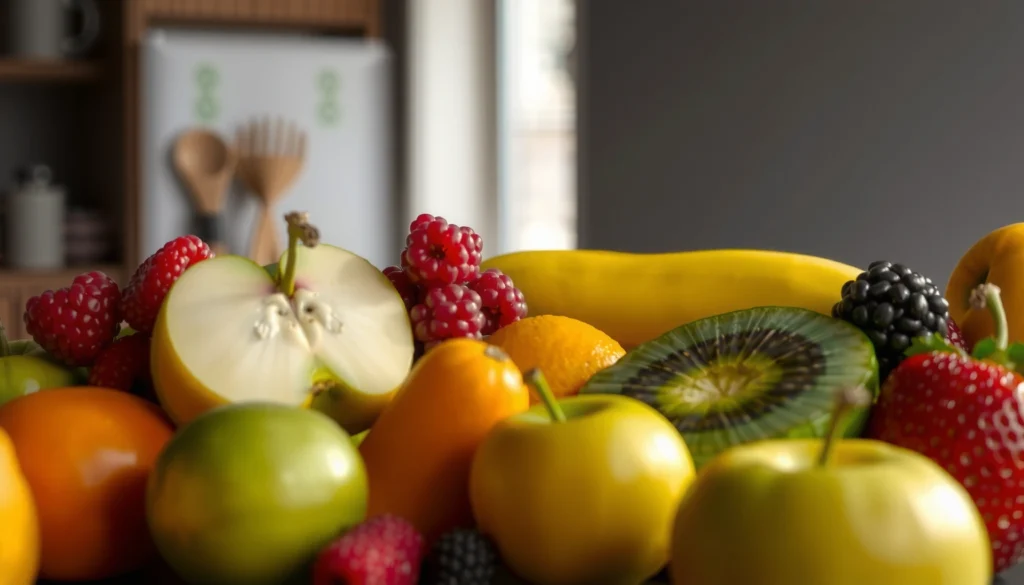

When considering what’s the “best” fruit for diabetics, the truth is there isn’t one single answer; rather, many fruits are excellent choices when consumed in moderation as part of a balanced diet. The key lies in understanding which fruits offer a good balance of fiber, nutrients, and natural sugars, and how they impact blood glucose levels. Fruits like berries, apples, citrus, and pears are often highlighted for their lower glycemic index and high fiber content, making them smart additions to a diabetic meal plan. This guide will help you navigate the best fruit options and how to enjoy them safely.




Understanding Fruit & Blood Sugar
For individuals managing diabetes, understanding how different foods, particularly fruits, affect blood glucose levels is paramount. This involves delving into key nutritional metrics and the roles various components play.
– Glycemic Index (GI) and Glycemic Load (GL): These two metrics are invaluable tools for predicting a food’s impact on blood sugar. The Glycemic Index (GI) measures how quickly a carbohydrate-containing food raises blood glucose after consumption, relative to a standard (like pure glucose or white bread). Foods are categorized as low (55 or less), medium (56-69), or high (70 or more) GI. However, GI alone doesn’t tell the whole story, as it doesn’t account for typical serving sizes. This is where Glycemic Load (GL) comes in. GL considers both the GI and the actual amount of carbohydrates in a standard serving, providing a more realistic picture of how a food portion will affect blood sugar. For example, watermelon has a high GI, but a typical serving has a low GL due to its high water content and lower carbohydrate density. Prioritizing fruits with a lower GI and GL helps in managing post-meal blood sugar spikes more effectively.
– The Role of Fiber: Fiber is a non-digestible carbohydrate found abundantly in whole fruits, and it is a diabetic’s best friend. There are two main types: soluble and insoluble. Soluble fiber dissolves in water to form a gel-like substance, which slows down digestion and the absorption of sugar into the bloodstream, helping to prevent rapid blood glucose spikes. It also contributes to satiety, making you feel fuller for longer. Insoluble fiber adds bulk to stool, aiding in regular bowel movements and overall gut health. When you eat whole fruit, the fiber acts as a natural buffer, ensuring that the fructose (natural fruit sugar) is released gradually, unlike the rapid absorption from fruit juices where fiber has been removed. This crucial role of fiber underscores why whole fruits are superior to fruit juices for diabetics.
– Natural Sugars vs. Added Sugars: It’s vital to differentiate between the natural sugars found in whole fruits and the added sugars prevalent in many processed foods and beverages. Fruits contain fructose, glucose, and sucrose in varying amounts, but these sugars are packaged with fiber, vitamins, minerals, and antioxidants. This nutritional matrix changes how the body processes the sugar. The fiber slows digestion, preventing a rapid surge in blood glucose. In contrast, added sugars (like high-fructose corn syrup, cane sugar, or sucrose in sodas, candies, and sweetened fruit products) are stripped of beneficial nutrients and fiber. They lead to quicker absorption, higher blood sugar spikes, and contribute to weight gain and insulin resistance without providing the compensatory nutritional benefits. Therefore, while both contain sugar, the impact of whole fruit sugar is vastly different and generally more beneficial than that of added sugars.
Top Fruit Choices for Diabetics
Focusing on fruits that are rich in fiber, antioxidants, and have a lower glycemic impact can significantly support diabetes management.
– Berries (Strawberries, Blueberries, Raspberries): These vibrant fruits are powerhouses of nutrition and are consistently ranked among the best fruit choices for diabetics. They are exceptionally high in antioxidants, particularly anthocyanins, which not only give them their rich color but also possess anti-inflammatory properties and may help improve insulin sensitivity. Berries are also packed with fiber; for instance, a cup of raspberries can provide about 8 grams of fiber, significantly slowing sugar absorption. Their generally low Glycemic Index (GI) means they have a minimal impact on blood sugar levels. They are incredibly versatile, perfect for adding to Greek yogurt, oatmeal, salads, or enjoying as a refreshing snack on their own.
– Apples and Pears: Classic and accessible, apples and pears are excellent sources of dietary fiber, notably pectin, a type of soluble fiber. Pectin helps regulate blood sugar by slowing the absorption of glucose. To maximize their benefits, it’s crucial to eat them with the skin on, as a significant portion of their fiber and antioxidants resides there. A medium apple contains about 4-5 grams of fiber and is a good source of Vitamin C. Pears offer similar benefits, along with potassium. Both fruits provide a satisfying crunch and a slow, steady release of energy, making them ideal snacks or additions to meals.
– Citrus Fruits (Oranges, Grapefruit): Oranges, grapefruits, lemons, and limes are not only bursting with Vitamin C, a powerful antioxidant, but also provide a good amount of fiber. A medium orange, for example, offers around 3 grams of fiber and is known for its lower GI. Grapefruit, in particular, has been studied for its potential benefits in weight management and blood sugar control, though it’s important to note that grapefruit can interact with certain medications, so consultation with a healthcare provider is essential. These fruits are hydrating, refreshing, and can be enjoyed whole, added to salads, or used to flavor water.
– Other Good Choices: Expanding beyond the main contenders, several other fruits offer excellent nutritional profiles for diabetics.
– Kiwi: These small, fuzzy fruits are rich in Vitamin C, Vitamin K, Vitamin E, and a good amount of fiber. They also contain actinidin, an enzyme that aids digestion. With a low GI, kiwi can be a sweet and nutritious addition to a diabetic meal plan.
– Cherries: Particularly tart cherries, are known for their anti-inflammatory properties due to their anthocyanin content. They have a relatively low GI and can be enjoyed fresh or frozen in moderation.
– Peaches: A medium peach provides Vitamins A and C, potassium, and around 2 grams of fiber. They are hydrating and offer a moderate amount of natural sugar, making them a suitable choice when portioned correctly.
Fruits to Enjoy in Moderation
While virtually all fruits offer nutritional benefits, some contain higher concentrations of natural sugars and should be consumed with greater mindfulness regarding portion sizes.
– Bananas: Bananas are a good source of potassium, Vitamin B6, and fiber, but their sugar content increases significantly as they ripen. A green or slightly under-ripe banana has more resistant starch, which acts more like fiber and has a lower impact on blood sugar. As bananas ripen, this starch converts to sugar. Therefore, diabetics should opt for slightly green bananas and pay strict attention to portion size, perhaps choosing a smaller banana or half of a larger one. Pairing it with a source of protein or healthy fat, like a spoonful of nut butter, can further mitigate blood sugar spikes.
– Mangoes and Pineapple: These tropical delights are incredibly flavorful and rich in vitamins and antioxidants (Vitamin C in pineapple, Vitamin A in mangoes). However, they also contain more natural sugar per serving compared to berries or citrus. While they shouldn’t be entirely avoided, enjoying them requires careful portion control. A small slice or a few cubes integrated into a meal with protein and fiber, such as a chicken salad or a Greek yogurt parfait, would be a more prudent approach than consuming large quantities on their own.
– Grapes: Grapes are small but can be deceptively dense in sugar. While they offer antioxidants like resveratrol (especially red and purple varieties), their small size makes it easy to overconsume. A typical serving is about 15-20 small grapes, which can still contribute a significant amount of carbohydrates. It’s advisable to count out individual grapes rather than eating directly from the bunch to ensure portion adherence. Freezing grapes can also slow down consumption and enhance the enjoyment of a smaller portion.
Fruits to Be Mindful Of
Certain fruit forms can have a pronounced and rapid effect on blood sugar due to their processing or preparation. These options require extra vigilance or are best avoided.
– Dried Fruits (Raisins, Dates, Dried Apricots): The process of drying fruit removes its water content, which concentrates the natural sugars and calories into a much smaller, denser package. For example, a handful of raisins can contain as much sugar and carbohydrates as a much larger portion of fresh grapes. While dried fruits still retain some fiber, their high sugar concentration can lead to rapid blood sugar spikes. If consumed, portions should be extremely small – think a few dates or a tablespoon of raisins – and ideally paired with nuts or seeds to slow absorption.
– Fruit Juices: Even 100% pure fruit juice, often perceived as healthy, is generally not recommended for diabetics. The juicing process removes the beneficial fiber, leaving behind a concentrated liquid sugar that the body absorbs very quickly. This rapid influx of sugar can cause immediate and significant spikes in blood glucose levels, similar to consuming a sugary soda. The lack of fiber also means less satiety, often leading to increased overall calorie intake. Prioritizing whole fruit over juice is a foundational strategy for blood sugar management. For hydration, water, unsweetened tea, or sparkling water with a slice of whole fruit are far superior choices.
– Canned Fruits in Syrup: Canned fruits can be convenient, but those packed in heavy syrup are laden with added sugars. The syrup significantly increases the carbohydrate and calorie content, negating many of the fruit’s natural health benefits and posing a direct threat to blood sugar control. When choosing canned fruits, it is imperative to select options explicitly labeled as “packed in water” or “in unsweetened juice” and to rinse them before consumption to remove any residual sugars. Always check the nutrition label for added sugars and total carbohydrate content.
Smart Strategies for Eating Fruit
Integrating fruit into a diabetic diet effectively requires thoughtful planning and smart consumption strategies.
– Portion Control is Crucial: Even with the best fruit choices, managing portion sizes is fundamental for blood sugar control. Understanding recommended serving sizes for different fruits is key to managing total carbohydrate intake. A standard serving of fruit typically contains about 15 grams of carbohydrates. This might translate to a small apple, 1 cup of berries, or half a medium banana. Using measuring cups, food scales, and familiarizing yourself with visual cues can help. Regularly monitoring your blood glucose levels after consuming fruit can provide personalized insights into how specific portions affect you, allowing for adjustments. Consulting with a registered dietitian can provide tailored advice on portion sizes that align with your individual carbohydrate goals and medication regimen.
– Combine with Protein or Healthy Fats: A highly effective strategy to mitigate blood sugar spikes from fruit is to pair it with a source of protein or healthy fats. Protein and fat slow down gastric emptying and the absorption of sugar into the bloodstream, leading to a more gradual and sustained rise in blood glucose. Examples include apple slices with a tablespoon of natural peanut butter, a handful of berries mixed into plain Greek yogurt with some chopped nuts, or a small fruit salad with a sprinkle of chia seeds. This combination also enhances satiety, helping to prevent overeating and keeping you feeling full longer.
– Eat Whole Fruit Over Juice: This principle cannot be overstressed. The fiber present in whole fruit is its superpower. It’s the fiber that slows down sugar absorption, promotes gut health, and contributes to fullness. When fruit is juiced, this vital fiber is removed, leaving behind only the concentrated natural sugars that can rapidly elevate blood glucose. While convenience is a factor, the nutritional trade-off of fruit juice for diabetics is significant. Prioritize enjoying the texture, flavor, and full nutritional spectrum of whole, unprocessed fruit as a cornerstone of your diabetic meal plan.
Debunking Common Fruit Myths
Misinformation surrounding fruit consumption for diabetics can lead to unnecessary restrictions. It’s important to address these common myths with evidence-based facts.
– Myth: Diabetics Cannot Eat Fruit: This is perhaps the most prevalent and damaging myth. The truth is that fruit is an essential component of a healthy, balanced diet for everyone, including those with diabetes. Fruits are packed with vitamins, minerals, antioxidants, and dietary fiber, all of which contribute to overall health and can help manage diabetes by improving satiety, supporting heart health, and providing essential nutrients. The key isn’t avoidance, but rather making informed choices about *which* fruits to eat, *how much*, and *how often*, and always prioritizing whole fruit over processed forms.
– Myth: All Fruit Sugar is Bad: This myth conflates the natural fructose found in whole fruit with added, refined sugars. While both are carbohydrates, their impact on the body is fundamentally different. The fructose in whole fruit is embedded within a matrix of fiber, water, vitamins, and minerals. This natural packaging means the sugar is digested and absorbed slowly, preventing the rapid blood sugar spikes associated with added sugars. In contrast, added sugars, found in sodas, candies, and many processed foods, lack this protective matrix, leading to quick absorption, sharp glucose increases, and often contribute to inflammation and weight gain. Understanding this distinction is crucial for effective dietary management.
– Myth: Tropical Fruits Are Always Off-Limits: While many tropical fruits, such as mangoes, pineapples, and bananas, do tend to have a higher natural sugar content than berries or citrus, labeling them “off-limits” is an oversimplification. These fruits offer unique nutritional benefits, including specific vitamins, minerals, and antioxidants not always found in temperate fruits. The issue is not the fruit itself, but the portion size and frequency of consumption. With careful portion control, mindful pairing with protein or healthy fats, and monitoring blood glucose response, tropical fruits can certainly be enjoyed as an occasional treat within a diabetic meal plan. The goal is balance and moderation, not absolute restriction.
In summary, fruit can and should be a beneficial part of a diabetic diet, offering vital vitamins, minerals, and fiber. The “best” approach is to prioritize whole, fiber-rich options like berries, apples, and citrus, pay close attention to portion sizes, and always opt for fresh fruit over juices or heavily processed varieties. By making informed choices and monitoring your blood sugar, you can confidently enjoy the sweetness and health benefits that fruits provide. Always consult with your healthcare provider or a registered dietitian to tailor fruit consumption to your individual dietary needs and health goals.
Frequently Asked Questions
What is the best fruit for diabetics, and are there specific recommendations?
While there isn’t one single “best” fruit, many varieties are excellent for diabetics due to their fiber, vitamins, and antioxidants. Berries (strawberries, blueberries, raspberries), citrus fruits (oranges, grapefruit), and apples are highly recommended. These options generally have a lower glycemic index and are packed with nutrients that help manage blood sugar effectively without causing rapid spikes when consumed in appropriate portions.
Can diabetics safely eat fruit, or should it be avoided due to sugar content?
Absolutely, diabetics can safely and should eat fruit; it’s a misconception that it must be avoided. Whole fruits are a vital part of a healthy diet for people with diabetes because they are rich in fiber, vitamins, minerals, and antioxidants, which support overall health and help regulate blood sugar levels. The key is to choose the right types and portions, as the fiber in whole fruits helps slow down sugar absorption, preventing sharp glucose spikes.
How much fruit should a diabetic eat daily to manage blood sugar effectively?
Generally, diabetics can aim for about 2-3 servings of fruit per day, though individual needs may vary based on activity level and medication. A serving typically equates to one small apple, a cup of berries, or half a banana. It’s crucial to monitor your blood sugar levels after eating fruit to understand your personal tolerance and discuss appropriate portion sizes with your healthcare provider or a registered dietitian.
Which low glycemic index fruits are particularly beneficial for diabetics?
Fruits with a low glycemic index (GI) are particularly beneficial for diabetics as they cause a slower, more gradual rise in blood sugar, promoting better stability. Excellent low-GI choices include most berries (strawberries, blueberries, raspberries), cherries, grapefruit, apples, pears, and oranges. These fruits not only assist in blood sugar management but also provide a wealth of antioxidants and essential dietary fiber.
Are dried fruit and fruit juice suitable options for people with diabetes, or are fresh fruits better?
Fresh, whole fruits are overwhelmingly the best option for people with diabetes compared to dried fruit or fruit juice. Dried fruits are more concentrated in sugar and carbohydrates per serving due to the removal of water, which can lead to quicker blood sugar spikes. Fruit juices, even 100% natural ones, lack the beneficial fiber found in whole fruits and can cause a rapid increase in blood glucose levels, making them less ideal choices for daily consumption.
References
- Best Fruit Choices for Diabetes | ADA
- https://www.cdc.gov/diabetes/managing/healthy-eating.html
- https://www.mayoclinic.org/diseases-conditions/diabetes/expert-answers/diabetes/faq-20058284
- https://www.health.harvard.edu/diseases-and-conditions/is-fruit-healthy-for-diabetics
- Healthy Living with Diabetes – NIDDK
- https://health.clevelandclinic.org/best-fruits-for-diabetes/
- https://www.hopkinsmedicine.org/health/conditions-and-diseases/diabetes/diabetes-diet-what-to-eat-when-you-have-diabetes
- Diet in diabetes