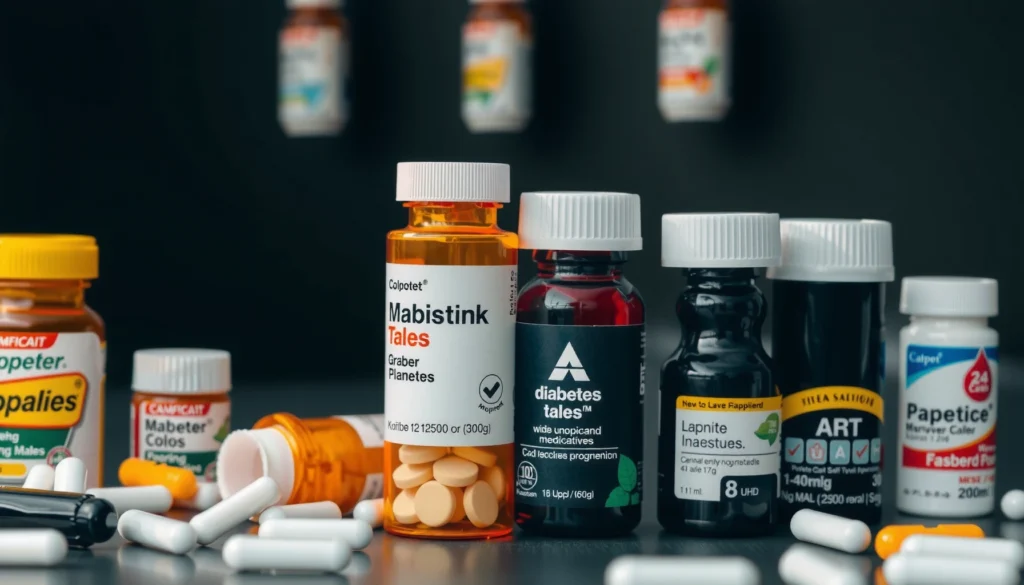

When considering what are the best medications for Type 2 Diabetes, it’s crucial to understand that there isn’t a single “best” option. Instead, effective management involves a personalized approach using a variety of medication classes tailored to an individual’s specific health profile, blood sugar goals, and potential comorbidities. The most effective treatment plan typically combines these medications with significant lifestyle modifications to control blood sugar and prevent long-term complications.




Understanding Medication Goals for Type 2 Diabetes
Effective management of Type 2 Diabetes extends beyond simply lowering blood sugar; it encompasses a holistic strategy designed to protect vital organs and enhance overall quality of life. Understanding these overarching goals is fundamental to appreciating the role of various therapeutic agents.
* Blood Glucose Control: The primary and immediate goal of diabetes medication is to lower and stabilize blood sugar (glucose) levels. This is frequently assessed through a measure called HbA1c, which reflects average blood glucose over the preceding two to three months. Achieving and maintaining an HbA1c target, typically below 7% for most adults, is crucial to mitigate the immediate and long-term detrimental effects of hyperglycemia. High blood glucose can lead to acute symptoms like increased thirst, frequent urination, and fatigue, but more importantly, chronic hyperglycemia is a major driver of severe microvascular and macrovascular complications. Medications aim to reduce both fasting blood glucose and post-meal spikes, ensuring a more stable metabolic environment.
* Preventing Complications: Beyond immediate glucose control, a critical objective of diabetes pharmacotherapy is to mitigate the risk of severe long-term complications. Type 2 Diabetes significantly increases the risk of various health issues, including cardiovascular disease (such as heart attacks, strokes, and peripheral artery disease), kidney damage (nephropathy) that can progress to kidney failure, nerve damage (neuropathy) leading to pain, numbness, or loss of sensation, and vision problems (retinopathy) that can result in blindness. Medications are selected not only for their glucose-lowering efficacy but increasingly for their proven benefits in protecting the heart and kidneys, thereby extending lifespan and improving patient well-being.
* Individualized Treatment: The concept of a “best” medication regimen is inherently flawed because treatment must be highly individualized. A physician considers a multitude of factors unique to each patient when devising a therapeutic plan. These include the individual’s age, as treatment goals and risks can differ significantly between younger and older adults; weight status, which might favor medications promoting weight loss; kidney function, as many drugs require dose adjustments or are contraindicated in renal impairment; and the presence of other health conditions (comorbidities) like heart failure, established atherosclerotic cardiovascular disease, or liver disease, which can influence drug choice due to specific protective effects or potential adverse interactions. Furthermore, patient preferences regarding administration routes (oral vs. injectable), potential side effects, and cost considerations play a significant role in fostering adherence and ensuring the long-term success of the treatment strategy.
Metformin: The Foundational Oral Medication
Metformin stands as the cornerstone of Type 2 Diabetes treatment, universally recognized for its efficacy, safety profile, and broad accessibility. It is often the first-line pharmacotherapy prescribed upon diagnosis and frequently maintained throughout a patient’s treatment journey, even as other medications are added.
* First-Line Treatment: For most individuals newly diagnosed with Type 2 Diabetes, Metformin is the initial medication prescribed. Its widespread acceptance stems from robust clinical evidence demonstrating its effectiveness in lowering blood glucose, its generally favorable safety profile, and its affordability. Metformin is also unique in that it rarely causes hypoglycemia when used as monotherapy, a significant advantage over insulin secretagogues. Its established role means it is often continued as foundational therapy, providing a base upon which other medications can be layered as the disease progresses or as specific patient needs arise.
* Mechanism of Action: Metformin primarily works through several complementary mechanisms that target core pathophysiological defects in Type 2 Diabetes. Its principal action is to reduce glucose production by the liver (hepatic gluconeogenesis). It achieves this by activating an enzyme called AMP-activated protein kinase (AMPK), which diminishes the liver’s output of glucose, especially during fasting states. Additionally, Metformin improves the body’s sensitivity to insulin in peripheral tissues, such as muscle and fat cells, allowing these cells to absorb and utilize glucose more efficiently. It also has a minor effect on reducing glucose absorption from the gastrointestinal tract. These combined actions lead to a significant and sustained reduction in blood glucose levels.
* Key Benefits: Metformin offers a comprehensive suite of benefits beyond just glucose lowering. It provides significant reductions in HbA1c, typically by 1% to 2%, making it a highly potent agent. As mentioned, it carries a low risk of hypoglycemia when used alone, which enhances patient safety and comfort. Many patients experience a modest weight loss or at least weight neutrality while on Metformin, which is beneficial given the common association of Type 2 Diabetes with overweight and obesity. Furthermore, extensive research and long-term studies have demonstrated Metformin’s cardiovascular benefits, including a reduced risk of macrovascular events such as heart attack and stroke, making it a protective agent for the cardiovascular system, a critical consideration in diabetes management. Common side effects, mainly gastrointestinal (nausea, diarrhea), are often transient and can be mitigated by starting with a low dose and titrating slowly.
Other Oral Medications for Type 2 Diabetes
As Type 2 Diabetes progresses, or when initial therapy with Metformin is insufficient, a range of other oral medications become available, each with distinct mechanisms of action, benefits, and potential side effects. These options allow for tailored treatment based on individual patient needs.
* Sulfonylureas (e.g., Glipizide): Sulfonylureas, such as glipizide, glyburide, and glimepiride, have been a mainstay of diabetes treatment for decades. Their primary mechanism involves stimulating the beta cells in the pancreas to produce and release more insulin. They achieve this by binding to specific receptors on the beta-cell surface, leading to depolarization and calcium influx, which triggers insulin secretion. This direct stimulation of insulin release offers effective and rapid glucose lowering. However, this mechanism also comes with significant drawbacks, including a higher risk of hypoglycemia (low blood sugar), particularly if meals are skipped or carbohydrate intake is insufficient. Sulfonylureas can also lead to modest weight gain due to increased insulin levels. They are typically considered when cost is a major concern or if quick glucose reduction is paramount, but are used with caution due to their side effect profile.
* DPP-4 Inhibitors (e.g., Sitagliptin): Dipeptidyl peptidase-4 (DPP-4) inhibitors, including sitagliptin, saxagliptin, linagliptin, and alogliptin, represent a class of medications that work by enhancing the body’s natural incretin hormones. Incretin hormones, such as GLP-1 (glucagon-like peptide-1) and GIP (glucose-dependent insulinotropic polypeptide), are released from the gut in response to food intake and play a crucial role in regulating glucose homeostasis by stimulating insulin secretion and suppressing glucagon release in a glucose-dependent manner. DPP-4 inhibitors block the enzyme that rapidly inactivates these incretins, thereby prolonging their action. This mechanism results in improved blood sugar control with a low risk of hypoglycemia, as their action is glucose-dependent. They are generally well-tolerated, have a neutral effect on weight, and are often prescribed as a convenient once-daily pill.
* SGLT2 Inhibitors (e.g., Dapagliflozin): Sodium-Glucose Co-transporter 2 (SGLT2) inhibitors, such as dapagliflozin, empagliflozin, canagliflozin, and ertugliflozin, represent a newer class of oral medications with a unique mechanism of action and significant broader health benefits. These agents work by blocking the SGLT2 protein in the kidneys, which is responsible for reabsorbing glucose from the filtered blood back into the bloodstream. By inhibiting SGLT2, these drugs cause excess glucose to be excreted in the urine, effectively lowering blood glucose levels. Beyond their glucose-lowering effects, SGLT2 inhibitors have demonstrated remarkable cardiovascular and kidney protective benefits. They significantly reduce the risk of cardiovascular events, including heart failure hospitalizations and major adverse cardiovascular events (MACE), particularly in patients with established cardiovascular disease or risk factors. They also slow the progression of chronic kidney disease and reduce albuminuria. Additionally, SGLT2 inhibitors can lead to modest weight loss and a reduction in blood pressure. Common side effects include an increased risk of genitourinary infections (due to glucose in urine) and potential for dehydration.
Injectable Non-Insulin Therapies: GLP-1 Receptor Agonists
For many individuals with Type 2 Diabetes, injectable non-insulin therapies, particularly GLP-1 Receptor Agonists, have revolutionized treatment by offering powerful glucose lowering alongside significant cardiovascular and weight loss benefits.
* Powerful Glucose Lowering: GLP-1 Receptor Agonists (GLP-1 RAs), including medications like semaglutide (Ozempic, Rybelsus, Wegovy), liraglutide (Victoza, Saxenda), dulaglutide (Trulicity), and exenatide, mimic the action of the natural incretin hormone GLP-1. These drugs activate GLP-1 receptors, leading to several beneficial effects: they enhance glucose-dependent insulin secretion from pancreatic beta cells, suppress glucagon secretion from alpha cells, slow gastric emptying, and promote satiety. This multi-faceted approach results in substantial reductions in blood glucose levels, including both fasting and post-meal glucose, and a significant decrease in HbA1c. Their glucose-dependent action minimizes the risk of hypoglycemia when used as monotherapy or with Metformin.
* Weight Loss & Cardiovascular Benefits: One of the most compelling features of GLP-1 RAs is their capacity to induce significant weight loss. By slowing gastric emptying and acting on satiety centers in the brain, these medications help patients feel fuller for longer, leading to reduced caloric intake. This weight loss can be substantial, often exceeding that seen with other diabetes medications. Furthermore, GLP-1 RAs have consistently demonstrated strong protective effects against cardiovascular events. Clinical trials have shown a significant reduction in major adverse cardiovascular events (MACE), including heart attack, stroke, and cardiovascular death, independent of their glucose-lowering and weight loss effects. These cardiovascular benefits make GLP-1 RAs a preferred choice, especially for patients with established cardiovascular disease or multiple cardiovascular risk factors.
* Administration: Most GLP-1 RAs are administered via subcutaneous injection, with varying frequencies ranging from once daily (e.g., liraglutide) to once weekly (e.g., semaglutide, dulaglutide). The convenience of once-weekly dosing has significantly improved patient adherence and preference. A notable innovation in this class is the availability of an oral form of semaglutide (Rybelsus), offering a non-injectable option for those who prefer pills. Common side effects, particularly when initiating therapy, include gastrointestinal disturbances such as nausea, vomiting, and diarrhea, which are typically transient and improve over time.
Insulin Therapy for Type 2 Diabetes
While oral medications and GLP-1 Receptor Agonists are highly effective, insulin therapy remains an indispensable component of Type 2 Diabetes management, especially as the disease progresses and the pancreas’s ability to produce insulin naturally declines.
* Essential When Oral Medications Are Insufficient: Type 2 Diabetes is a progressive condition characterized by a gradual decline in pancreatic beta-cell function, meaning the body’s ability to produce insulin diminishes over time. For many individuals, a point is reached where oral medications and GLP-1 RAs, even in combination, are no longer sufficient to achieve target blood glucose levels. In such cases, insulin therapy becomes essential to supplement or replace the body’s insufficient insulin production. The initiation of insulin is not a sign of “failure” on the patient’s part but rather a natural progression of the disease and a necessary step to prevent further complications. It may also be required temporarily during acute illness, surgery, or pregnancy.
* Types of Insulin: Insulin preparations are categorized based on their onset of action, peak effect, and duration of action, allowing for tailored regimens.
* Long-acting (Basal) Insulin: These insulins (e.g., insulin glargine, insulin detemir, insulin degludec) provide a steady, continuous background level of insulin throughout the day and night, mimicking the body’s natural basal insulin secretion. They are typically administered once or twice daily and are crucial for controlling fasting and between-meal blood glucose levels.
* Rapid-acting (Prandial) Insulin: Also known as bolus insulin (e.g., insulin aspart, insulin lispro, insulin glulisine), these insulins are taken immediately before or with meals to cover the carbohydrate intake and manage post-meal blood sugar spikes.
* Intermediate-acting and Premixed Insulins: Intermediate-acting insulins (e.g., NPH) have a slower onset and longer duration than rapid-acting insulins. Premixed insulins combine fixed ratios of rapid- or short-acting insulin with intermediate-acting insulin, simplifying regimens for some patients. Insulin is typically administered via subcutaneous injection using pens or syringes.
* Combination Therapy: Insulin therapy in Type 2 Diabetes is frequently used in combination with other anti-diabetic medications rather than as monotherapy. Metformin is almost always continued alongside insulin to leverage its benefits in reducing hepatic glucose production and improving insulin sensitivity, which can help lower the overall insulin dose required. Insulin can also be combined with SGLT2 inhibitors or GLP-1 Receptor Agonists. Combining insulin with GLP-1 RAs is particularly effective, as GLP-1 RAs can help mitigate insulin-associated weight gain and hypoglycemia risk, while providing additional glucose control. This combination often allows for lower insulin doses and better overall glucose management while leveraging the cardiovascular and weight benefits of GLP-1 RAs. Careful monitoring and titration are crucial to minimize the risk of hypoglycemia and achieve optimal control.
Combination Therapies and Personalized Approaches
The evolving understanding of Type 2 Diabetes, coupled with the availability of multiple effective medication classes, highlights the crucial role of combination therapies and highly personalized treatment approaches. The complexity of the disease often necessitates targeting multiple pathophysiological pathways simultaneously.
* Multi-Drug Regimens: For many individuals with Type 2 Diabetes, a single medication is often insufficient to achieve and maintain optimal blood sugar control over the long term. Type 2 Diabetes is characterized by multiple defects, including insulin resistance, impaired insulin secretion, increased hepatic glucose production, and altered incretin hormone activity. Therefore, most individuals will eventually require a combination of two or more medication classes to effectively manage their blood sugar and address various aspects of the disease. These multi-drug regimens are designed to leverage the distinct mechanisms of action of different agents, leading to more comprehensive and potent glucose lowering than any single drug could achieve alone. For example, a patient might combine Metformin (reducing liver glucose production and improving insulin sensitivity) with an SGLT2 inhibitor (increasing glucose excretion) and a GLP-1 RA (enhancing insulin secretion, suppressing glucagon, and promoting weight loss).
* Synergistic Effects: The judicious combination of drugs with different mechanisms of action often produces synergistic effects, meaning the combined impact is greater than the sum of their individual effects. This not only leads to more comprehensive glucose control but also provides additional health benefits. For instance, combining Metformin with an SGLT2 inhibitor offers robust glucose lowering along with significant cardiovascular and kidney protective benefits that neither drug achieves to the same extent alone. Similarly, combining basal insulin with a GLP-1 Receptor Agonist can lead to excellent glycemic control, reduce the risk of insulin-induced weight gain, and lower the incidence of hypoglycemia, while still providing the strong cardiovascular protection of the GLP-1 RA. These synergistic interactions allow healthcare providers to craft regimens that target various facets of the disease, optimize patient outcomes, and minimize adverse effects.
* Ongoing Adjustment: A patient’s medication regimen for Type 2 Diabetes is rarely static; it is a dynamic process that demands ongoing adjustment. The progressive nature of the disease, coupled with changes in lifestyle, diet, weight, and the development of new health conditions, necessitates continuous re-evaluation and modification of treatment. Regular monitoring of blood sugar readings (both self-monitoring and HbA1c), kidney function, and cardiovascular health helps guide these adjustments. As the disease progresses, the initial regimen might become less effective, requiring the addition of new medications or an increase in dosage. Conversely, significant lifestyle changes, such as sustained weight loss or increased physical activity, might allow for de-escalation of certain medications. Close collaboration between the patient and their healthcare provider is paramount to ensure the treatment plan remains aligned with the patient’s current health status, blood sugar goals, and quality of life.
Choosing the best medications for Type 2 Diabetes is a dynamic process that demands close collaboration with your healthcare provider. While Metformin often forms the backbone of treatment, a diverse array of oral and injectable therapies, including SGLT2 inhibitors and GLP-1 agonists with their proven cardiovascular benefits, and ultimately insulin, can be integrated to create a personalized, effective plan. Always discuss your treatment options thoroughly with your doctor to determine the most appropriate regimen for your individual health profile and to ensure you understand the benefits and potential side effects of each medication.
Frequently Asked Questions
What are the main types of medications available for type 2 diabetes?
The landscape of type 2 diabetes medications is broad, including several key classes designed to manage blood sugar in different ways. Common types include Biguanides (like Metformin), which reduce glucose production, and Sulfonylureas or Glinides, which stimulate insulin release. Newer options like GLP-1 receptor agonists and SGLT2 inhibitors are also highly effective, often offering additional cardiovascular and kidney benefits for type 2 diabetes patients.
How do doctors determine which type 2 diabetes medication is best for an individual?
Doctors personalize type 2 diabetes treatment by considering several factors, including a patient’s A1c levels, existing health conditions like heart or kidney disease, and potential side effects. They also weigh medication cost, ease of administration, and the individual’s lifestyle and preferences to select the most effective and safest medication regimen. The goal is to optimize blood sugar control while minimizing risks and improving overall health for managing type 2 diabetes.
Which newer type 2 diabetes medications offer benefits beyond just lowering blood sugar?
Certain newer type 2 diabetes medications, specifically GLP-1 receptor agonists (e.g., Ozempic, Trulicity) and SGLT2 inhibitors (e.g., Jardiance, Farxiga), provide significant benefits beyond glycemic control. These medications have been shown to reduce the risk of major adverse cardiovascular events, improve kidney outcomes, and can also aid in weight management. This makes them increasingly important choices for many individuals managing type 2 diabetes.
Are there effective oral medications for type 2 diabetes, or are injections always necessary?
Absolutely, many effective oral medications are available for type 2 diabetes, often serving as the first line of treatment to help manage blood sugar levels. While some individuals may eventually require injectable medications like insulin or GLP-1 receptor agonists to achieve optimal control, a wide range of pills, including Metformin, DPP-4 inhibitors, and SGLT2 inhibitors, are commonly prescribed. The choice depends on the individual’s specific needs and progression of their type 2 diabetes.
What are common side effects to be aware of when taking type 2 diabetes medications?
Common side effects vary significantly across different type 2 diabetes medications. For instance, Metformin can cause gastrointestinal issues like nausea or diarrhea, while SGLT2 inhibitors may increase the risk of urinary tract and yeast infections. Medications that boost insulin production, such as sulfonylureas or insulin itself, carry a higher risk of hypoglycemia (low blood sugar), emphasizing the importance of careful monitoring and adherence to prescribed dosages for effective type 2 diabetes management.
References
- https://diabetes.org/healthy-living/medication-treatments/type-2-medication
- https://www.niddk.nih.gov/health-information/diabetes/overview/managing-diabetes/medications
- Type 2 diabetes – Diagnosis and treatment – Mayo Clinic
- https://www.cdc.gov/diabetes/managing/medication.html
- https://en.wikipedia.org/wiki/Management_of_diabetes_mellitus_type_2
- https://my.clevelandclinic.org/health/diseases/21495-type-2-diabetes/management-and-treatment






Pingback: Best Steroid for Diabetics: What Works Safely - Best For Diabetics