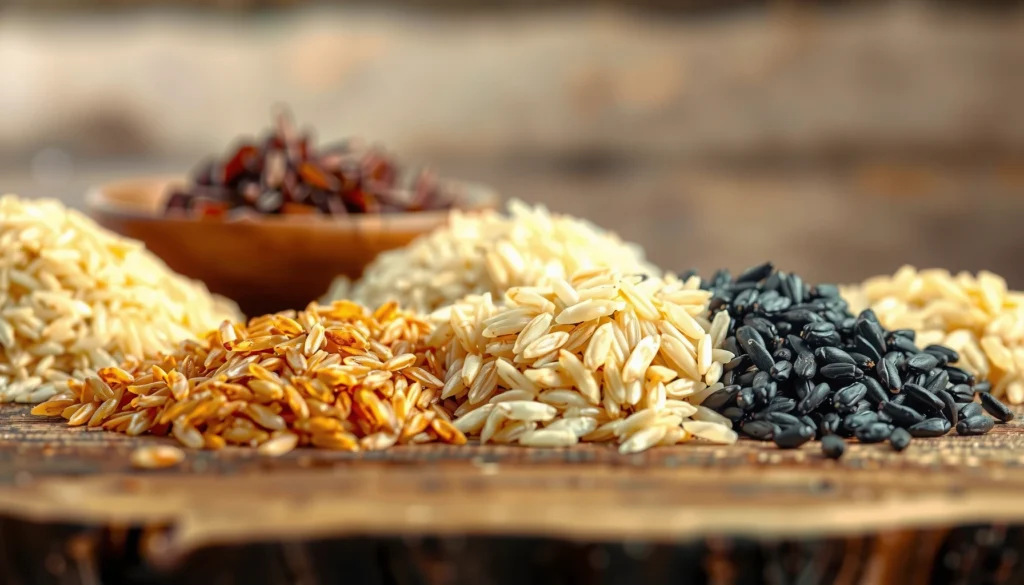

For individuals managing diabetes, choosing the right type of rice is crucial for blood sugar control. While no rice is entirely “off-limits” in moderation, varieties like brown rice, wild rice, and black rice are generally considered the best choices due to their higher fiber content and lower glycemic index (GI). These options help slow down glucose absorption, leading to more stable blood sugar levels compared to refined white rice.



Understanding Rice and Diabetes Management
Managing diabetes effectively hinges on a comprehensive understanding of how different foods impact blood sugar. Rice, being a staple in many diets globally, is a significant component of carbohydrate intake, and its type and preparation method can have profound effects on glycemic control.
* Carbohydrates and Blood Sugar: Rice is predominantly composed of carbohydrates, which are the body’s primary source of energy. Upon consumption, carbohydrates are broken down into glucose, a simple sugar, which then enters the bloodstream. In individuals with diabetes, either the body doesn’t produce enough insulin (Type 1) or doesn’t effectively use the insulin it produces (Type 2), leading to elevated blood glucose levels. Therefore, controlling the quantity and quality of carbohydrate intake, including rice, is paramount to prevent sudden spikes and maintain stable blood sugar. Unmanaged blood sugar fluctuations can lead to serious long-term health complications affecting the heart, kidneys, nerves, and eyes.
* Glycemic Index (GI) Explained: The Glycemic Index (GI) is a numerical scale, typically ranging from 0 to 100, that measures how quickly a carbohydrate-containing food raises blood sugar levels after consumption. Foods are categorized as low GI (55 or less), medium GI (56-69), or high GI (70 or more). Low GI foods are digested and absorbed more slowly, resulting in a gradual and sustained rise in blood sugar, which is ideal for diabetes management. Conversely, high GI foods cause rapid spikes in blood glucose. While the GI is a useful tool, it’s important to remember that it’s based on individual foods and doesn’t account for how foods are eaten in combination within a meal, which can significantly alter the overall glycemic response.
* Fiber’s Role: Dietary fiber is a non-digestible carbohydrate found in plant foods. It plays a critical role in blood sugar management, especially for individuals with diabetes. Fiber, particularly soluble fiber, forms a gel-like substance in the digestive tract, which slows down the digestion and absorption of carbohydrates. This extended digestive process prevents rapid spikes in blood glucose and helps maintain more stable sugar levels over time. Furthermore, fiber contributes to satiety, making individuals feel fuller for longer, which can aid in weight management – a crucial aspect of diabetes care. It also supports gut health and can improve cholesterol levels, offering additional cardiovascular benefits.
Top Rice Varieties for Diabetics
Selecting the right type of rice can significantly impact blood sugar control. Focusing on whole-grain, fiber-rich options is key for individuals with diabetes.
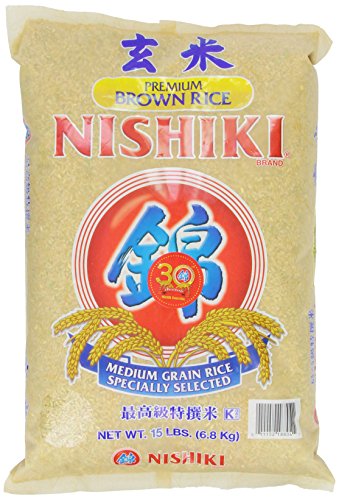
* Brown Rice: Brown rice is a whole grain, meaning it retains its bran, germ, and endosperm layers, unlike white rice where the bran and germ are removed during milling. The bran and germ are rich in dietary fiber, B vitamins (including niacin, thiamine, and pyridoxine), magnesium, selenium, and iron. This fibrous outer layer is precisely what makes brown rice a superior choice for diabetics. Its fiber content slows down the digestion and absorption of carbohydrates, leading to a lower glycemic index (typically 50-55) compared to white rice (GI of 70+). This results in a more gradual rise in blood sugar, preventing the rapid spikes associated with refined grains. Regular consumption of brown rice has been linked to better insulin sensitivity and a reduced risk of developing type 2 diabetes complications.
* Wild Rice: Often mistaken for a grain, wild rice is actually the seed of an aquatic grass. Despite not being a true rice, it is an exceptional nutritional powerhouse and an excellent choice for diabetics. Wild rice is notably higher in protein than most conventional rice varieties, making it more satiating and beneficial for muscle maintenance. It is also an excellent source of dietary fiber, antioxidants, and essential minerals such as phosphorus, zinc, folate, and B vitamins. With a remarkably low glycemic index (typically 35-45), wild rice causes a very minimal impact on blood sugar levels. Its chewy texture and distinct, nutty flavor make it a versatile ingredient for salads, soups, and pilafs, offering a hearty and blood-sugar-friendly alternative.
* Black Rice (Forbidden Rice): Black rice, also known as “forbidden rice,” derives its striking dark color from a high concentration of anthocyanins – powerful antioxidants also found in blueberries and blackberries. These compounds are known for their anti-inflammatory properties and potential benefits for heart health and cognitive function, in addition to their role in diabetes management. Like brown and wild rice, black rice is a whole grain, rich in dietary fiber and protein. Its fiber content contributes to a lower glycemic index (typically 42-47), ensuring a slower and more controlled release of glucose into the bloodstream. Black rice offers a unique slightly sweet, nutty flavor and a satisfying chewiness, making it a delicious and highly nutritious option for individuals looking to manage their blood sugar effectively while also benefiting from a rich source of antioxidants.
Other Good Options and What to Limit
While the top three choices offer superior benefits, understanding other options and identifying foods to limit is crucial for a well-rounded diabetes management plan.
* Basmati Rice (Certain Types): Basmati rice, particularly aged or parboiled varieties, can be a moderate-GI option for diabetics, but careful selection and portion control are critical. Traditional basmati rice from India or Pakistan is known for its distinct aroma and longer grains. Aged basmati rice, which has been stored for an extended period, has a lower GI (typically 50-58) than freshly harvested or non-aged types, due to changes in its starch structure. Parboiled basmati rice also undergoes a process that hardens the starch, making it less readily digestible and thus lowering its GI. However, not all basmati rice is created equal, and some varieties can still have a higher GI. Always prioritize aged or parboiled options and pair them with plenty of non-starchy vegetables and protein to help mitigate any blood sugar impact.
* Cauliflower Rice: For those seeking a very low-carb alternative to traditional rice, cauliflower rice is an outstanding choice. It is made by finely chopping or grating cauliflower florets to mimic the texture of rice. As a non-starchy vegetable, cauliflower rice is exceptionally low in carbohydrates and calories, making it an excellent option for significantly reducing the carbohydrate load of a meal. It is also rich in vitamin C, vitamin K, folate, and fiber. Cauliflower rice can be steamed, sautéed, or roasted and serves as a versatile base for stir-fries, curries, or as a side dish, allowing individuals with diabetes to enjoy rice-like meals without the typical carbohydrate impact on blood sugar.
* White Rice (Limit Intake): White rice stands in stark contrast to the healthier whole-grain options. During its processing, the outer layers of bran and germ are removed, leaving only the starchy endosperm. This refining process strips white rice of virtually all its fiber, vitamins, and minerals, making it a nutritionally poor choice. Critically for diabetics, white rice has a high glycemic index (typically 70 or higher), leading to a rapid and pronounced spike in blood sugar levels shortly after consumption. This quick surge of glucose can make blood sugar management challenging and contribute to insulin resistance over time. While small, infrequent portions might be tolerable for some, white rice should generally be limited or avoided by individuals with diabetes due to its minimal nutritional benefits and significant impact on glycemic control.
Preparation and Portion Control Matters
Even with the best rice choices, how you prepare and portion your food profoundly influences its impact on blood sugar. These strategies are just as important as the type of rice itself.
* Cooking Methods: The way rice is cooked can actually alter its glycemic response. Cooking rice al dente, meaning it’s still slightly firm to the bite, can result in a lower GI compared to overcooked, softer rice. This is because overcooking can gelatinize starches more thoroughly, making them easier and faster for the body to digest and absorb. Another effective technique involves cooling cooked rice. When rice is cooked and then cooled, some of its digestible starches convert into “resistant starch.” Resistant starch acts like fiber, meaning it’s not fully digested in the small intestine, leading to a smaller rise in blood sugar. Reheating cooled rice does not eliminate the resistant starch formed, making this a useful strategy. Incorporating ingredients like a teaspoon of coconut oil or a splash of apple cider vinegar during cooking has also been explored as methods to further reduce the GI of rice, though more research is always ongoing in this area.
* Pairing for Balance: Eating rice in isolation, even healthier varieties, can still lead to a quicker blood sugar rise. The key to mitigating this effect is to pair rice with lean protein and healthy fats. Protein and fat slow down gastric emptying and the overall digestion process, which in turn slows the rate at which glucose enters the bloodstream. For example, serving brown rice with grilled chicken or fish and a side of avocado or a healthy oil-based dressing will create a more balanced meal than rice alone. Examples of effective pairings include wild rice with baked salmon and steamed broccoli, or black rice as part of a stir-fry loaded with vegetables and tofu. This strategic combination helps stabilize blood sugar levels and promotes sustained energy release.
* Mindful Portions: Regardless of how healthy a food is, portion control remains a cornerstone of diabetes management. Even fiber-rich, low-GI rice varieties contain carbohydrates, and consuming excessive amounts will still elevate blood sugar. For most individuals with diabetes, a typical serving of cooked rice is often recommended to be around 1/2 cup (approximately 80-90 grams). It is essential to use measuring cups to ensure accuracy rather than estimating. Mindful eating practices, such as eating slowly, paying attention to hunger and fullness cues, and avoiding distractions, can also help prevent overconsumption. Regularly checking blood glucose levels before and two hours after meals containing rice can provide personalized insight into how specific portion sizes and types of rice affect your individual glycemic response.
Holistic Dietary Strategies Beyond Rice
While choosing the right rice is a positive step, it’s part of a broader dietary approach crucial for comprehensive diabetes management. Focusing on an overall balanced diet yields the best results.
* Embrace Whole Grains: Expand your intake of other low-GI, fiber-rich whole grains beyond just rice. Options like quinoa, often lauded as a complete protein, offers substantial fiber, magnesium, and iron, and boasts a low GI. Barley, especially pearled or hulled barley, is rich in beta-glucans, a type of soluble fiber known to help lower cholesterol and regulate blood sugar. Oats, particularly steel-cut or rolled oats, are another excellent source of soluble fiber, making them ideal for breakfast. Incorporating a variety of these whole grains ensures a broader spectrum of nutrients, prevents dietary boredom, and consistently supports stable blood sugar levels.
* Focus on Non-Starchy Vegetables: Non-starchy vegetables should form the foundation of most meals for individuals with diabetes. These vegetables are low in carbohydrates and calories but packed with fiber, vitamins, minerals, and antioxidants. Aim to fill at least half your plate with non-starchy vegetables at every meal. Examples include leafy greens (spinach, kale, romaine), broccoli, cauliflower, bell peppers, zucchini, green beans, and asparagus. Their high fiber content contributes to satiety, aids digestion, and has a minimal impact on blood sugar, allowing for greater food volume and nutrient intake without increasing carbohydrate load.
* Professional Guidance: While general guidelines are helpful, diabetes management is highly individual. Regularly consulting with a registered dietitian (RD) or a certified diabetes educator (CDE) is invaluable. These healthcare professionals can provide personalized dietary advice tailored to your specific health needs, lifestyle, cultural preferences, and any co-existing medical conditions. They can help you create a customized meal plan, teach you how to read food labels, understand carbohydrate counting, manage portion sizes, and interpret your blood glucose readings. Their expertise ensures that your dietary strategies are safe, effective, and sustainable, optimizing your overall diabetes management plan.
Choosing the right rice, focusing on lower GI, fiber-rich options like brown, wild, or black rice, is a smart step in managing diabetes. Remember that preparation, portion control, and pairing with other nutrient-dense foods are equally important for stable blood sugar. Always monitor your individual response to foods and work closely with your healthcare team to tailor your diet for optimal health and long-term well-being.
Frequently Asked Questions
Can diabetics eat rice, and if so, what should they consider?
Yes, people with diabetes can eat rice, but careful consideration of portion size and type is crucial for blood sugar management. Rice is a carbohydrate that impacts glucose levels, so moderation is key to prevent spikes. Opting for high-fiber rice varieties and pairing it with protein and healthy fats can help mitigate its effect, making it a manageable part of a diabetic diet.
Which types of rice are best for managing blood sugar levels in diabetics?
For diabetics, the best rice choices are those with a lower glycemic index (GI) and higher fiber content, such as brown rice, wild rice, black rice, and red rice. These whole-grain varieties slow down glucose absorption, helping to prevent rapid blood sugar spikes. Basmati rice, especially aged basmati, also has a comparatively lower GI than standard white rice, making it a better option.
How does brown rice compare to white rice for a diabetic diet?
Brown rice is generally superior to white rice for a diabetic diet due to its significantly higher fiber content, which helps regulate blood sugar more effectively. Unlike white rice, brown rice retains its bran and germ layers, providing more nutrients and a lower glycemic index. This makes brown rice a healthier carbohydrate choice that contributes to better blood sugar control and overall health for individuals managing diabetes.
What are practical tips for diabetics to include rice safely in their diet?
Diabetics can safely include rice by practicing strict portion control, typically limiting servings to 1/3 to 1/2 cup cooked. Pairing rice with lean proteins, plenty of non-starchy vegetables, and healthy fats helps create a balanced meal that slows glucose absorption and stabilizes blood sugar. Additionally, cooling cooked rice before reheating it can increase its resistant starch content, which may slightly lower its glycemic impact, offering an extra benefit for managing diabetes.
Are there other low GI grain alternatives to rice that diabetics can enjoy?
Absolutely, several excellent low GI grain alternatives to rice are highly beneficial for diabetics looking to diversify their diet. Quinoa, farro, barley, and bulgur wheat are fantastic options, offering high fiber and protein content that promotes satiety and better blood sugar control. These nutritious grains can be incorporated into various meals, providing diverse nutritional benefits and helping to manage diabetes effectively while enjoying delicious and varied meals.
References
- https://diabetes.org/healthy-living/recipes-nutrition/eating-well/grain-foods-and-diabetes
- https://www.cdc.gov/diabetes/managing/eat-well.html
- https://www.niddk.nih.gov/health-information/diabetes/overview/diet-eating-habits
- https://www.health.harvard.edu/diseases-and-conditions/the-lowdown-on-brown-rice-and-white-rice
- Diabetes diet: Create your healthy-eating plan – Mayo Clinic
- https://www.bbc.com/news/health-21782245
- Glycemic index
- Diabetes