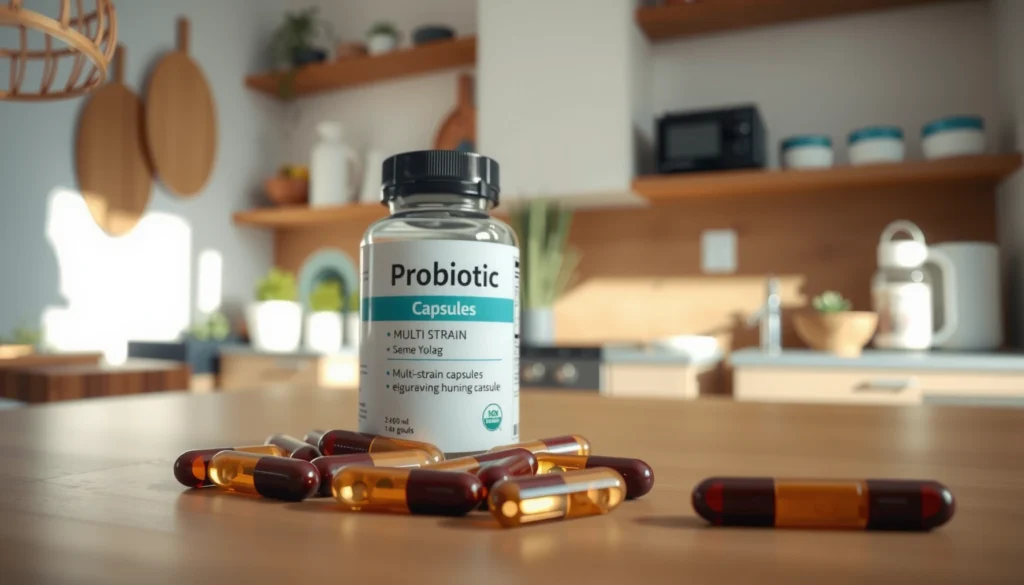

While there isn’t a single ‘best’ probiotic for everyone with diabetes, research points to specific multi-strain formulas containing key Lactobacillus and Bifidobacterium species as particularly promising. Strains like Lactobacillus rhamnosus, Lactobacillus acidophilus, and Bifidobacterium lactis have shown potential to support blood sugar management, improve insulin sensitivity, and enhance gut health in individuals with diabetes. This guide will help you understand which strains to look for and how to choose an effective supplement to complement your diabetes management strategy.




The Gut-Diabetes Connection: Why Probiotics Matter
The intricate relationship between our gut microbiome and overall health is becoming increasingly clear, particularly concerning metabolic conditions like diabetes. Understanding this connection is crucial for appreciating the potential role of probiotics.
* The Gut Microbiome’s Role: Our gut hosts trillions of microorganisms, collectively known as the gut microbiome, comprising bacteria, fungi, viruses, and other microbes. This complex ecosystem plays a profound role in numerous physiological processes vital for metabolic health. It influences how we digest food, absorb nutrients, and even synthesize essential vitamins (like vitamin K and some B vitamins). Crucially, the gut microbiome impacts glucose homeostasis by modulating insulin signaling pathways, influencing the production of hormones such as glucagon-like peptide-1 (GLP-1) and peptide YY (PYY), and through the creation of short-chain fatty acids (SCFAs) like butyrate, propionate, and acetate. These SCFAs are key communicators, affecting satiety, energy metabolism, and anti-inflammatory responses, all of which are critical for stable blood sugar regulation.
* Dysbiosis and Diabetes: A growing body of evidence indicates that an imbalance in gut bacteria, termed dysbiosis, is a common feature in both type 1 and type 2 diabetes. In type 2 diabetes, dysbiosis often involves a reduction in beneficial bacteria diversity and an increase in pro-inflammatory species. This imbalance can lead to increased intestinal permeability, often referred to as “leaky gut,” allowing bacterial toxins like lipopolysaccharides (LPS) to enter the bloodstream. This translocation of LPS can trigger chronic low-grade systemic inflammation and metabolic endotoxemia, directly contributing to insulin resistance and impaired glucose metabolism. In type 1 diabetes, specific microbial signatures have been linked to the autoimmune processes that lead to the destruction of insulin-producing cells. Dysbiosis, therefore, is not merely a consequence but a potential contributor to the development and progression of diabetes.
* How Probiotics Can Intervene: Probiotics, defined as live microorganisms that, when administered in adequate amounts, confer a health benefit on the host, offer a promising avenue to address gut dysbiosis. By introducing beneficial bacterial strains, probiotics aim to restore a healthy microbial balance, enhance gut barrier integrity, and modulate the immune system. They can compete with pathogenic bacteria, produce antimicrobial compounds, and contribute to the synthesis of beneficial SCFAs. Through these multifaceted actions, probiotics hold the potential to mitigate some of the diabetes-related complications, reduce systemic inflammation, and improve metabolic markers, thereby serving as a complementary strategy in comprehensive diabetes management.
Top Probiotic Strains for Diabetes Management
Not all probiotic strains are created equal, especially when targeting specific health conditions like diabetes. Research has identified particular species and strains within the Lactobacillus and Bifidobacterium genera that demonstrate promising effects on glucose metabolism and associated complications.
* Key Lactobacillus Species:
* *Lactobacillus rhamnosus GG (LGG)*: One of the most extensively studied probiotic strains, LGG has shown significant promise. It is recognized for its ability to strengthen the gut barrier, reduce inflammation, and modulate the immune response. In individuals with diabetes, studies suggest LGG can contribute to improved glucose metabolism and potentially enhance insulin sensitivity by reducing systemic inflammation and influencing gut hormone secretion.
* *Lactobacillus acidophilus*: This strain is a common resident of the human gut and has been investigated for its potential role in metabolic health. Research indicates that *L. acidophilus* may help improve glucose tolerance, reduce fasting blood glucose levels, and lower HbA1c (a marker of long-term blood sugar control) by influencing carbohydrate digestion and absorption, as well as modulating inflammatory pathways.
* *Lactobacillus plantarum*: Known for its robust survival capabilities in the gastrointestinal tract, *L. plantarum* exhibits strong anti-inflammatory properties and antioxidant activity. It has been shown in some studies to improve lipid profiles and glucose metabolism, potentially by enhancing insulin signaling and reducing oxidative stress, which are crucial factors in diabetes management.
These Lactobacillus strains generally contribute to a healthier gut environment by producing lactic acid, which lowers gut pH, inhibiting the growth of harmful bacteria, and supporting competitive exclusion.
* Beneficial Bifidobacterium Species:
* *Bifidobacterium lactis (B. lactis)*: *B. lactis* is frequently included in probiotic formulas due to its well-documented benefits for gut health and its potential impact on metabolic parameters. Studies have demonstrated its ability to enhance insulin sensitivity, improve glucose metabolism, and support the integrity of the gut barrier. It also plays a role in modulating the immune system and producing beneficial SCFAs.
* *Bifidobacterium longum (B. longum)*: This strain is a prominent member of a healthy infant and adult gut microbiome. *B. longum* has been investigated for its potential to reduce inflammation, improve gut barrier function, and modulate glucose homeostasis. Some research suggests it can help alleviate metabolic dysfunction associated with obesity and insulin resistance.
* *Bifidobacterium bifidum (B. bifidum)*: *B. bifidum* contributes to a healthy gut environment by fermenting complex carbohydrates and producing acetic and lactic acids. It is also known for its immune-modulating properties, potentially helping to reduce the chronic low-grade inflammation often seen in individuals with diabetes.
Bifidobacterium species are particularly effective producers of acetate, an SCFA that can be further metabolized by other gut bacteria into butyrate, a primary energy source for colonocytes and a key player in gut health and metabolic regulation.
* The Power of Multi-Strain Formulas: While individual strains offer specific benefits, multi-strain probiotic formulas often provide broader and more synergistic effects. Different strains may have distinct mechanisms of action that complement each other, addressing various facets of diabetes management simultaneously. For example, one strain might excel at improving gut barrier integrity, while another is particularly effective at modulating glucose metabolism or reducing systemic inflammation. A comprehensive multi-strain product, combining well-researched *Lactobacillus* and *Bifidobacterium* strains, can therefore offer a more robust and holistic approach to supporting metabolic health and reducing diabetes-related complications compared to single-strain supplements.
Key Benefits of Probiotics for Diabetics
The targeted use of specific probiotic strains can yield several significant benefits for individuals managing diabetes, extending beyond just gut health.
* Improved Blood Sugar Control: One of the most compelling benefits of probiotics for diabetics is their potential to positively influence blood sugar control. Certain probiotic strains can help lower fasting blood glucose levels and reduce post-meal glucose spikes. This is achieved through several mechanisms: some probiotics can enhance the production of incretin hormones like GLP-1, which stimulates insulin secretion and reduces glucagon release. Others produce SCFAs, particularly butyrate, which has been shown to improve insulin signaling in peripheral tissues and liver. By strengthening the gut barrier, probiotics also reduce systemic inflammation that impairs insulin action, thereby contributing to improved insulin sensitivity and ultimately better HbA1c levels, a crucial indicator of long-term blood sugar management.
* Reduced Inflammation and Oxidative Stress: Chronic low-grade inflammation and increased oxidative stress are hallmarks of diabetes progression and contribute significantly to its complications. Probiotics play a vital role in modulating the immune response and combating these damaging processes. By reinforcing the gut barrier, they prevent the translocation of pro-inflammatory bacterial components (like LPS) from the gut into the bloodstream, thereby reducing systemic inflammation (metabolic endotoxemia). Furthermore, specific probiotic strains can produce antioxidant compounds or enhance the body’s endogenous antioxidant defense systems, neutralizing harmful free radicals that contribute to cellular damage and disease progression in diabetes. This reduction in inflammation and oxidative stress can protect against microvascular and macrovascular complications.
* Enhanced Gut Health and Digestion: Beyond their direct metabolic effects, probiotics are fundamental for maintaining optimal gut health, which is particularly relevant for individuals with diabetes. They contribute to improved gut barrier integrity by strengthening the tight junctions between intestinal cells, effectively reducing “leaky gut” and preventing the passage of harmful substances. A healthy gut microbiome also aids in more efficient digestion and absorption of essential nutrients from food, which can be compromised in diabetes. Moreover, many individuals with diabetes experience various digestive issues, such as constipation, diarrhea, or bloating, often due to diabetic neuropathy affecting the digestive tract or medication side effects. Probiotics can help alleviate these symptoms by restoring microbial balance and promoting regular, healthy bowel function, thereby significantly improving quality of life.
How to Select a High-Quality Probiotic Supplement
Choosing an effective probiotic supplement requires careful consideration, as product quality and strain specificity vary widely. Not all supplements deliver on their promises, making informed selection critical.
* Look for Specific Strains and Potency (CFUs): The most crucial factor is ensuring the product clearly lists specific strains by their full scientific names (genus, species, and alphanumeric strain identifier, e.g., *Lactobacillus rhamnosus GG*). Avoid products that only state “Lactobacillus species” or “Bifidobacterium blend,” as these do not guarantee the presence of research-backed, effective strains. Potency, measured in Colony Forming Units (CFUs), is also vital. For therapeutic benefits in diabetes, a count typically ranging from 10 billion to 50 billion CFUs per dose is often recommended. Crucially, verify that the CFU count is guaranteed “until expiration,” not just at the time of manufacture, as probiotic viability decreases over time.
* Check for Quality and Third-Party Testing: A high-quality probiotic manufacturer will adhere to Good Manufacturing Practices (GMP), which ensures products are consistently produced and controlled according to quality standards. Look for certifications or seals indicating GMP compliance. Even better are brands that undergo independent, third-party testing. These independent laboratories verify the purity, potency, and absence of contaminants (like heavy metals, pesticides, or undeclared allergens) as advertised on the label. Reputable third-party certification bodies include NSF International, USP (U.S. Pharmacopeia), and ConsumerLab.com. This extra layer of scrutiny provides assurance that you are receiving a safe and effective product.
* Consider Delivery and Storage: The viability of live probiotic cultures is paramount. Stomach acid can destroy many beneficial bacteria before they reach the intestines where they exert their effects. Therefore, consider supplements that employ specialized delivery methods, such as enteric-coated capsules or delayed-release technologies, designed to protect the probiotics from the harsh acidic environment of the stomach. Proper storage is equally important. Some probiotics are shelf-stable, meaning they can be stored at room temperature, while others require refrigeration to maintain their potency. Always follow the manufacturer’s storage instructions meticulously. Heat, moisture, and light can degrade probiotic cultures, so choosing supplements packaged in opaque, protective blister packs or dark glass bottles can also be beneficial.
Integrating Probiotics Safely into Your Routine
While probiotics offer promising benefits, their integration into your diabetes management plan should always be approached thoughtfully and safely.
* Consult Your Healthcare Provider First: This is arguably the most critical step. Before adding any new supplement, including probiotics, to your regimen, it is imperative to discuss it with your doctor or a registered dietitian, especially if you have diabetes. Probiotics can interact with certain medications, particularly immunosuppressants, or might not be suitable for individuals with specific underlying health conditions or compromised immune systems. Your healthcare provider can assess your individual health status, current medications, and personalized diabetes management plan to ensure that a probiotic is appropriate and safe for you. They can also offer guidance on specific strains, dosages, and potential interactions.
* Monitor Your Blood Sugar Levels: When you begin taking a probiotic, consistent and diligent monitoring of your blood sugar levels is essential. Utilize your glucometer or continuous glucose monitor (CGM) to track your fasting glucose, post-meal readings, and overall glucose trends. This close monitoring will help you and your healthcare team observe any potential effects, positive or otherwise, that the probiotic may be having on your glucose control. Documenting these changes can provide valuable data to inform any necessary adjustments to your diabetes medications or lifestyle interventions. Do not make any changes to your prescribed medications without consulting your doctor.
* Potential Side Effects and When to Stop: Probiotics are generally well-tolerated, but some individuals may experience mild and temporary side effects when first introducing them. These can include gas, bloating, mild abdominal discomfort, or changes in bowel habits. These symptoms usually subside within a few days or weeks as your gut microbiome adjusts to the new beneficial bacteria. However, if these side effects are severe, persistent, or worsen, it is advisable to discontinue use and consult your healthcare provider immediately. Individuals with severely compromised immune systems (e.g., those undergoing chemotherapy, organ transplant recipients, or critically ill patients) should exercise extreme caution and only use probiotics under strict medical supervision due to a rare but serious risk of systemic infection.
Incorporating the right probiotic can be a valuable complementary strategy for individuals managing diabetes, offering support for blood sugar control, inflammation, and overall gut health. By focusing on specific well-researched strains like those from Lactobacillus and Bifidobacterium families and selecting a high-quality, reputable supplement, you can harness these benefits. Always remember to consult your doctor before adding any new supplement to your regimen to ensure it aligns with your personalized diabetes management plan and overall health goals.
Frequently Asked Questions
Which specific probiotic strains show promise for individuals managing diabetes?
Research suggests that certain probiotic strains, particularly from the *Lactobacillus* and *Bifidobacterium* families, may be beneficial for individuals with diabetes. Strains like *Lactobacillus acidophilus*, *Lactobacillus rhamnosus*, *Bifidobacterium lactis*, and *Bifidobacterium longum* have been studied for their potential role in improving gut health and metabolic markers. These strains can help balance the gut microbiome, which is often dysregulated in diabetes, potentially influencing blood sugar regulation and insulin sensitivity.
How do probiotics potentially improve blood sugar control and overall metabolic health in people with diabetes?
Probiotics can contribute to improved blood sugar control through several mechanisms, including enhancing gut barrier function and reducing systemic inflammation. A healthier gut microbiome, supported by beneficial bacteria, may lead to better insulin sensitivity, helping cells absorb glucose more efficiently. Furthermore, some probiotics can influence the production of short-chain fatty acids (SCFAs) that play a role in glucose metabolism and appetite regulation, offering a supportive role in managing diabetes.
What key factors should individuals with diabetes consider when choosing a probiotic supplement?
When choosing a probiotic for diabetes, individuals should look for supplements with clinically studied strains known to impact metabolic health, preferably with a diverse blend of *Lactobacillus* and *Bifidobacterium* species. It’s crucial to select a product with a guaranteed potency (CFUs) through the expiration date and ensure it’s free from unnecessary additives, artificial sweeteners, or high sugar content. Always consult with a healthcare professional or registered dietitian before starting any new supplement to ensure it aligns with your specific health needs and medication regimen.
Are there any potential side effects or contraindications for people with diabetes taking probiotics?
While generally considered safe for most healthy individuals, people with diabetes should be aware of potential, usually mild, side effects such as temporary bloating, gas, or digestive discomfort as their gut adjusts. Individuals who are immunocompromised, have a severe underlying illness, or have a compromised gut barrier should exercise caution and consult their doctor before taking probiotics due to a very small risk of infection. Always discuss any new supplement with your healthcare provider to avoid interactions with diabetes medications or existing health conditions.
Can probiotics replace prescribed diabetes medication or significantly lower blood sugar levels on their own?
No, probiotics cannot replace prescribed diabetes medications or serve as a standalone treatment for lowering blood sugar levels. Probiotic supplements are considered a complementary approach to support overall gut health and potentially improve metabolic markers, working alongside conventional diabetes management strategies. It is essential to continue taking all prescribed medications, follow dietary recommendations, and maintain an active lifestyle as advised by your healthcare team, using probiotics only as an adjunct after professional consultation.
References
- https://www.ncbi.nlm.nih.gov/pmc/articles/PMC8911571/
- https://www.ncbi.nlm.nih.gov/pmc/articles/PMC6036720/
- Mononucleosis and Epstein-Barr: What’s the connection? – Mayo Clinic
- https://www.diabetes.org/blog/can-probiotics-help-manage-type-2-diabetes
- https://health.clevelandclinic.org/the-potential-benefits-of-probiotics-for-type-2-diabetes/
- Dietary Patterns and Nutrient Intake in University Students of Macao: A Cross-Sectional Study | MDPI
- https://www.frontiersin.org/articles/10.3389/fphar.2023.1118671/full