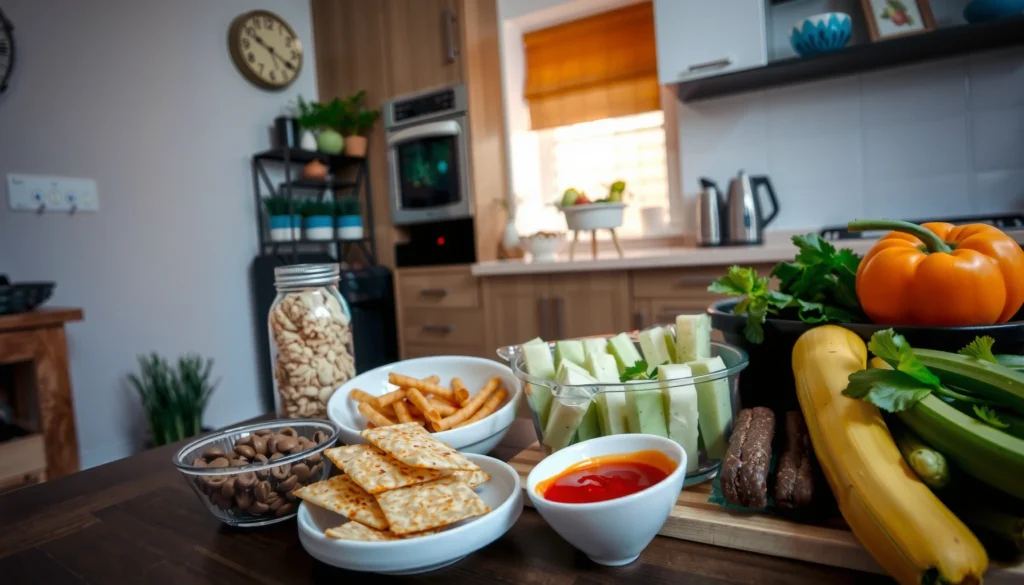

For diabetics, the best late-night snacks are those that are low in carbohydrates, high in protein and fiber, and won’t cause a significant blood sugar spike. Making smart snack choices before bed can help stabilize blood glucose levels, prevent morning highs, and manage hunger without compromising your health goals. This guide will walk you through safe and satisfying options to enjoy responsibly, empowering you to make informed decisions for better overnight blood sugar control.




Why Late-Night Snacking Matters for Diabetics
Late-night eating often gets a bad rap, but for individuals managing diabetes, strategic snacking before bed can be a vital component of their overall health strategy. It’s not about indulging, but rather about maintaining metabolic balance and addressing specific physiological needs that arise overnight.
* Prevents Hypoglycemia: One of the most critical reasons for a carefully chosen late-night snack is to prevent nocturnal hypoglycemia, a potentially dangerous drop in blood sugar levels during sleep. Individuals using insulin, especially long-acting basal insulin, or certain oral medications like sulfonylureas, are particularly susceptible. A balanced snack, typically containing complex carbohydrates and protein, provides a steady release of glucose into the bloodstream, acting as a buffer against overnight lows. This proactive measure ensures safer blood sugar levels, reducing the risk of symptoms like night sweats, nightmares, confusion upon waking, or even more severe complications that can arise from prolonged low blood sugar.
* Manages the Dawn Phenomenon: The “Dawn Phenomenon” is a natural increase in blood glucose that occurs in the early morning hours (typically between 2:00 AM and 8:00 AM) due to the body’s release of hormones like growth hormone, cortisol, glucagon, and adrenaline. These hormones signal the liver to release glucose, preparing the body for the day. For diabetics, this natural rise can result in elevated fasting blood sugar levels. A strategic late-night snack, particularly one rich in protein and fiber and lower in simple carbohydrates, can help mitigate this effect. By providing a slow, sustained energy source, it may help regulate the liver’s glucose production and minimize the impact of these counter-regulatory hormones, leading to more stable morning blood sugar readings.
* Curbs Hunger Pangs: Genuine hunger before bed is a real concern and, if ignored, can lead to restless sleep or impulsive, unhealthy food choices. Addressing legitimate hunger with a diabetes-friendly snack can prevent individuals from reaching for high-carb, sugary, or ultra-processed options that would inevitably disrupt blood sugar control. A satisfying snack made of protein and fiber promotes satiety, helping you feel full and content until morning without overloading your system. This mindful approach to hunger management supports adherence to a healthy eating plan and prevents the cycle of deprivation and overindulgence.
Key Principles for Choosing Diabetic-Friendly Snacks
Selecting the right late-night snack for diabetes management isn’t just about avoiding certain foods; it’s about making deliberate choices that actively support blood glucose stability. Adhering to specific nutritional principles is paramount for maximizing the benefits of your pre-bedtime fuel.
* Prioritize Protein and Fiber: These two macronutrients are your allies in diabetes management, especially when it comes to snacking. Protein takes longer to digest than carbohydrates, promoting a sustained feeling of fullness and minimizing rapid blood sugar spikes. It also plays a crucial role in muscle repair and maintenance. Fiber, whether soluble or insoluble, is equally vital. Soluble fiber slows the absorption of glucose into the bloodstream, preventing sharp post-meal blood sugar surges. Insoluble fiber adds bulk to your diet, aiding digestion and promoting satiety. When combined, protein and fiber create a synergistic effect, providing sustained energy, prolonging fullness, and effectively buffering blood sugar responses. Excellent sources include lean meats, dairy, legumes, nuts, seeds, and non-starchy vegetables.
* Opt for Low Glycemic Index (GI) Foods: The Glycemic Index is a system that ranks carbohydrate-containing foods based on their effect on blood glucose levels. Foods with a low GI are digested and absorbed more slowly, resulting in a gradual and manageable rise in blood sugar. Conversely, high GI foods cause a rapid spike. For late-night snacking, choosing low GI options is crucial to avoid overnight blood sugar excursions. This principle applies not only to carbohydrates but also to how ingredients are combined. For instance, pairing a carbohydrate source with protein or fat can lower the overall GI response of the snack. Examples of low GI choices include most non-starchy vegetables, berries, nuts, seeds, and plain dairy products.
* Practice Portion Control: Even the healthiest foods can impact blood sugar levels if consumed in excessive quantities. Portion control is a foundational pillar of diabetes management and extends to snacking. Overeating, even nutrient-dense foods, can lead to an excess intake of calories and carbohydrates, potentially raising blood glucose levels or contributing to weight gain. It’s essential to understand appropriate serving sizes for different foods and to measure or weigh snacks when necessary. For instance, a “handful” of nuts should truly be a small, cupped handful, not a generous scoop. Mindful eating and awareness of your body’s true hunger signals, rather than just eating for pleasure or habit, are key to successful portion management.
Protein-Rich & Satisfying Options
Protein is a cornerstone of diabetic nutrition, especially for late-night snacks, due to its ability to promote satiety and stabilize blood sugar without causing rapid spikes. These options deliver sustained energy and help manage hunger effectively.
* Plain Greek Yogurt or Cottage Cheese: These dairy products are champions of protein for diabetics. Plain Greek yogurt, in particular, boasts double the protein of regular yogurt, offering slow-digesting casein protein that provides a sustained release of amino acids overnight. This helps keep blood sugar levels steady and promotes muscle recovery. Cottage cheese, another excellent source, provides a similar protein profile. It’s crucial to select *plain* varieties to avoid added sugars, which can negate the benefits. Enhance flavor naturally with a sprinkle of cinnamon, a few fresh berries (like 1/4 cup of blueberries or sliced strawberries), or a tiny amount of unsweetened vanilla extract. These additions contribute minimal carbohydrates while adding vital antioxidants and flavor.
* Hard-Boiled Egg: The humble hard-boiled egg is a perfectly portable, convenient, and incredibly effective late-night snack. It’s a complete protein source, meaning it contains all nine essential amino acids the body needs. With virtually no carbohydrates and around 6 grams of high-quality protein per large egg, it delivers powerful satiety without impacting blood sugar. The fat content (primarily healthy unsaturated fats) also contributes to fullness and slows digestion. Eggs are rich in vitamins (B12, D) and minerals (selenium, choline), making them a nutrient-dense choice that can easily be prepared in advance and stored in the refrigerator for a quick, wholesome snack when hunger strikes.
* Small Handful of Nuts or Seeds: Almonds, walnuts, pistachios, chia seeds, or flax seeds are nutritional powerhouses that offer an excellent blend of healthy fats, fiber, and protein. These components work synergistically to slow digestion, promote satiety, and provide sustained energy without causing blood sugar spikes. For instance, almonds are rich in magnesium, which plays a role in blood sugar control, while walnuts provide omega-3 fatty acids beneficial for heart health. Chia seeds and flax seeds are exceptional sources of soluble fiber and lignans, which can further support digestive health and blood sugar regulation. The key here is *portion control* due to their calorie density. A small handful (approximately 1/4 cup or 1 ounce) is typically sufficient. This serving size delivers ample benefits without over-consuming calories or healthy fats.
Fiber-Packed & Veggie-Friendly Choices
Fiber-rich foods, particularly non-starchy vegetables and certain fruits, are invaluable for diabetics due to their low calorie count, high nutrient density, and remarkable ability to stabilize blood sugar. They add volume and crunch, satisfying hunger without excess carbs.
* Vegetable Sticks with Hummus: This classic combination offers a satisfying crunch and a wealth of nutrients. Non-starchy vegetables like carrot sticks (in moderation due to slightly higher sugar than other options), celery, cucumber slices, and bell pepper strips are packed with vitamins, minerals, and dietary fiber, all while being very low in calories and carbohydrates. Paired with a small serving of hummus, you get the added benefits of protein and healthy fats from chickpeas and tahini. The fiber in the vegetables slows digestion, and the protein in hummus contributes to sustained satiety, making it an ideal snack to bridge the gap until morning without causing blood sugar spikes. Aim for 2-4 tablespoons of hummus to keep carbohydrate and calorie intake in check.
* Berries (Small Serving): While most fruits contain natural sugars, berries stand out as a diabetic-friendly option due to their high fiber content and lower glycemic impact compared to many other fruits. Strawberries, blueberries, raspberries, and blackberries are bursting with antioxidants, vitamins (especially Vitamin C), and phytonutrients. The fiber in berries helps to moderate the absorption of their natural sugars, leading to a more gradual rise in blood glucose. A small serving, typically half a cup to one cup, provides sweetness and nutritional benefits without overloading your system with carbohydrates. They can be enjoyed plain, mixed with plain Greek yogurt, or as a complement to a small handful of nuts.
* Avocado Slices: Avocado is a unique fruit celebrated for its healthy monounsaturated fats, dietary fiber, and a wide array of vitamins and minerals (potassium, vitamins K, C, B6, and folate). Its high fat and fiber content make it exceptionally effective at promoting satiety and slowing digestion, which translates to minimal impact on blood sugar levels. A few slices of avocado can be incredibly satisfying on its own, perhaps seasoned with a pinch of salt and pepper or a dash of chili flakes. The healthy fats support heart health and help the body absorb fat-soluble vitamins, making it a nutrient-dense and highly beneficial choice for a late-night snack that keeps hunger at bay and blood sugar stable.
Tips for Successful Late-Night Snacking
Beyond selecting the right foods, integrating strategic habits into your late-night snacking routine is essential for maximizing benefits and ensuring consistent blood sugar management. These practical tips can help turn snacking into a powerful tool for your health.
* Listen to Your Body: This is perhaps the most crucial tip. Distinguish between genuine physical hunger and other triggers like boredom, stress, habit, or simply a craving for something sweet. True hunger often manifests as a growling stomach or a feeling of emptiness, whereas emotional hunger might be a sudden urge for a specific food. If you’re not genuinely hungry, even a healthy snack adds unnecessary calories and carbohydrates. Mindful eating practices, where you pause, assess your hunger levels, and consider the need for a snack, can prevent mindless munching and promote better self-regulation. Only snack if it aligns with your body’s true physiological needs, supporting better overall blood glucose control.
* Monitor Your Blood Sugar: The most effective way to understand how specific late-night snacks impact *your* individual blood glucose levels is through diligent monitoring. Test your blood sugar before you snack and then again about 1 to 2 hours after consuming the snack. This immediate feedback loop will reveal which foods and portion sizes work best for your unique metabolic response. Keep a log of your readings and corresponding snacks. Over time, this data will empower you to create a personalized list of safe and effective late-night options, helping you fine-tune your diabetes management plan and identify any potential culprits that might be causing unexpected spikes or drops.
* Plan Ahead: Spontaneity often leads to less healthy choices, especially when hunger is intense and energy levels are low late at night. The solution is proactive planning. Dedicate some time, perhaps during your weekly meal prep, to wash and chop vegetables, portion out nuts or seeds, or hard-boil eggs. Keep these healthy, pre-portioned snacks readily accessible in your refrigerator or pantry. This strategic preparation eliminates the temptation to grab less suitable, high-carb options from the pantry when hunger strikes suddenly. Having nutritious choices within easy reach makes it simple to make the smart, health-conscious decision, supporting your long-term blood sugar management goals.
Choosing the right late-night snacks as a diabetic doesn’t have to be complicated. By prioritizing protein, fiber, and low-carb options, you can effectively manage your blood sugar while satisfying hunger before bed. These smart choices are more than just hunger suppressants; they are vital tools for preventing hypoglycemia, mitigating the dawn phenomenon, and maintaining overall metabolic balance. Always consult with your healthcare provider or a registered dietitian to tailor snack choices to your individual needs, medication regimen, and specific blood sugar targets. Start incorporating these smart snack ideas tonight for better blood sugar management and a more restful, worry-free sleep.
Frequently Asked Questions
What are the best late night snacks for diabetics that won’t spike blood sugar?
The best late night snacks for diabetics are typically low in carbohydrates and high in protein and healthy fats, which help stabilize blood sugar levels overnight. Options like a handful of almonds, a hard-boiled egg, or a small portion of plain Greek yogurt with a few berries can provide sustained energy without causing rapid glucose increases. These choices support steady blood sugar, crucial for effective diabetes management and preventing morning hyperglycemia.
Why is choosing the right late night snack crucial for overnight blood sugar management in diabetics?
Selecting an appropriate late night snack is crucial for diabetics because it helps prevent both nocturnal hypoglycemia (low blood sugar) and significant hyperglycemia (high blood sugar) in the morning. A balanced snack can provide a steady release of glucose throughout the night, stabilizing levels and avoiding unhealthy swings that can impact overall health, energy levels, and long-term diabetes control. This proactive approach supports better glycemic control and more restful sleep for diabetics.
How can diabetics choose healthy and satisfying late night snacks that also help prevent morning hyperglycemia?
To choose healthy and satisfying late night snacks that prevent morning hyperglycemia, diabetics should prioritize options rich in protein and fiber while being low in refined carbohydrates and added sugars. Look for snacks that offer satiety and a slow digestive process, such as cottage cheese, a small portion of avocado on whole-grain crackers, or vegetable sticks with a serving of hummus. Consulting a registered dietitian can further personalize these recommendations for optimal diabetes management and sustainable healthy habits.
Which specific low-carb, high-protein snacks are ideal for diabetics before bed?
Ideal low-carb, high-protein snacks for diabetics before bed include plain, unsweetened Greek yogurt, a small handful of nuts like walnuts or pecans, or a piece of string cheese. Other great options are a few slices of lean turkey or chicken breast, or even a hard-boiled egg, all of which provide essential nutrients and help maintain stable blood glucose levels through the night. These choices are designed to prevent blood sugar spikes and promote satiety without excess carbohydrates.
Can eating a late night snack help diabetics avoid nighttime hypoglycemia or the dawn phenomenon?
Yes, a carefully chosen late night snack can significantly help diabetics avoid both nighttime hypoglycemia and mitigate the effects of the dawn phenomenon. A small, protein-rich snack, such as a tablespoon of natural peanut butter or a piece of cheese, can provide a slow release of glucose, preventing blood sugar from dipping too low overnight. This strategy can also help stabilize glucose levels to lessen the impact of the dawn phenomenon, where hormones cause blood sugar to rise in the early morning hours.
References
- https://www.diabetes.org/healthy-living/recipes-nutrition/eating-well-with-diabetes/snacks
- Diabetes diet: Create your healthy-eating plan – Mayo Clinic
- https://www.joslin.org/patient-care/health-library/diabetes-nutrition-and-healthy-eating-guide
- https://uhs.berkeley.edu/sites/default/files/healthy_eating_with_diabetes_fa_2016.pdf
- https://extension.psu.edu/snacks-for-people-with-diabetes
- Healthy Living with Diabetes – NIDDK
- https://www.uwmedicine.org/health-library/nutrition-care/diabetes-healthy-eating





Pingback: What Is the Best CGM for Type 2 Diabetes? - Best For Diabetics