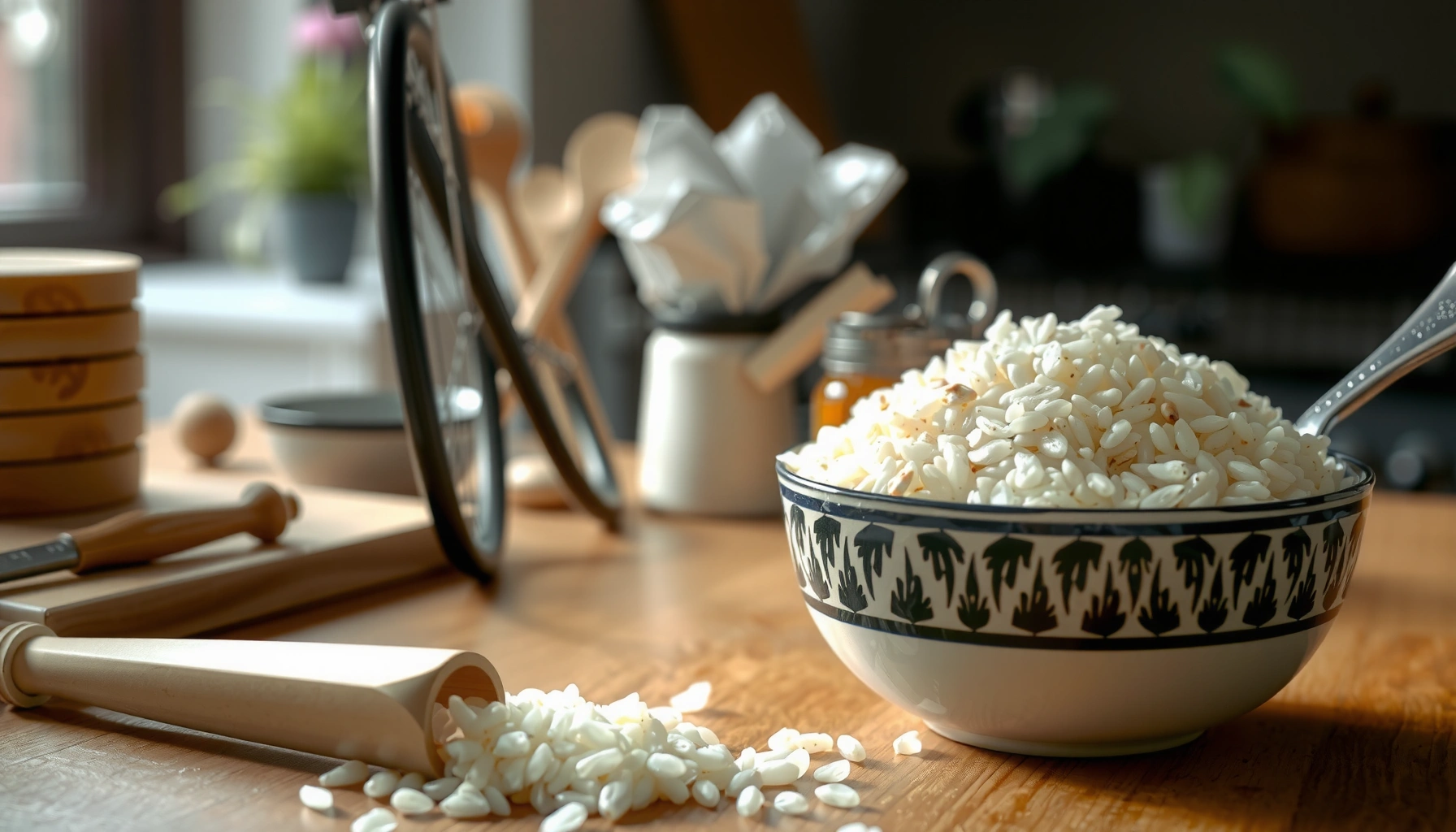

For individuals with pre-diabetes, the best foods to focus on are those that are rich in fiber, lean protein, and healthy fats, while being low in refined sugars and unhealthy carbohydrates. These foods, primarily whole and unprocessed, are crucial for stabilizing blood sugar levels, improving insulin sensitivity, and reducing the risk of progressing to Type 2 diabetes. By understanding and incorporating these dietary choices, you can effectively manage your condition and promote overall metabolic health.




Understanding Pre-Diabetes and Dietary Impact
Pre-diabetes signifies a critical juncture in metabolic health, indicating that blood glucose levels are consistently elevated beyond the normal range but not yet high enough to warrant a diagnosis of Type 2 diabetes. Typically, this means a fasting blood sugar between 100-125 mg/dL, a 2-hour oral glucose tolerance test (OGTT) result between 140-199 mg/dL, or an HbA1c level between 5.7% and 6.4%. This stage often presents without noticeable symptoms, making dietary intervention a proactive and powerful tool to avert more serious health complications. The silent nature of pre-diabetes underscores the importance of screening and early lifestyle adjustments.
Dietary choices are paramount in this context, directly influencing every facet of blood sugar regulation. Consuming foods high in refined carbohydrates and sugars leads to rapid glucose spikes, forcing the pancreas to produce excessive insulin. Over time, cells can become less responsive to insulin’s signals, a condition known as insulin resistance. This resistance is a hallmark of pre-diabetes and a key precursor to Type 2 diabetes. Conversely, a thoughtfully constructed diet can stabilize blood sugar levels, enhance insulin sensitivity, and mitigate the inflammatory responses that contribute to metabolic dysfunction. Such a diet not only reduces the risk of progressing to full-blown diabetes but also lowers the likelihood of associated health issues like heart disease, kidney problems, and nerve damage.
The good news is that pre-diabetes is often reversible. A balanced diet, rich in whole foods and mindful of portion sizes, combined with regular physical activity, can significantly improve glucose metabolism. Research, such as the landmark Diabetes Prevention Program (DPP) study, has consistently demonstrated that intensive lifestyle interventions are more effective than medication in preventing the onset of Type 2 diabetes in individuals with pre-diabetes. This empowers individuals with the knowledge that their daily food choices hold substantial power in determining their long-term health trajectory, offering a clear path to reclaiming metabolic balance and preventing disease progression.
Fiber-Packed Whole Grains and Legumes
For individuals managing pre-diabetes, choosing complex carbohydrates that are rich in fiber is a cornerstone of effective dietary management. Unlike simple carbohydrates, which are rapidly broken down into glucose and cause swift blood sugar spikes, complex carbohydrates from whole grains and legumes are digested slowly. This gradual absorption of glucose into the bloodstream helps maintain stable blood sugar levels and prevents the sharp insulin responses that can exacerbate insulin resistance. Fiber, particularly soluble fiber, forms a gel-like substance in the digestive tract, further slowing sugar absorption and contributing to sustained energy release.
Key choices in this category include oats (preferably steel-cut or rolled oats over instant varieties), quinoa, brown rice, barley, and whole-wheat bread and pasta (consumed in moderation due to varying processing levels). When selecting bread products, always check labels to ensure they are truly “100% whole grain” and low in added sugars. Legumes such as lentils, chickpeas, black beans, kidney beans, and split peas are exceptional choices, offering a powerful combination of both soluble and insoluble fiber, alongside plant-based protein. For instance, a half-cup serving of cooked lentils provides roughly 8 grams of fiber and 9 grams of protein, making them an incredibly nutrient-dense option.
Beyond blood sugar regulation, fiber plays a crucial role in overall digestive health, promoting regularity and supporting a healthy gut microbiome, which increasingly is linked to metabolic health. The bulk provided by fiber also contributes significantly to satiety, helping individuals feel fuller for longer periods, thereby reducing the likelihood of overeating and supporting healthy weight management—a critical factor in reversing pre-diabetes. Incorporating these foods can be as simple as swapping white rice for brown rice, adding lentils to soups and stews, or enjoying a bowl of steel-cut oats with berries for breakfast.
Vibrant Non-Starchy Vegetables and Low-Glycemic Fruits
Non-starchy vegetables are perhaps the most valuable allies for individuals with pre-diabetes. These vegetables are remarkably low in calories and carbohydrates but exceptionally high in essential vitamins, minerals, antioxidants, and, critically, dietary fiber. Their low-glycemic impact means they have minimal effect on blood sugar levels, allowing for generous consumption that supports satiety without compromising metabolic control. They are the ultimate “fill-up” food, providing bulk and nutrients that can displace less healthy, carbohydrate-dense options.
Prioritizing a wide array of non-starchy vegetables ensures a broad spectrum of health benefits. Examples include leafy greens such as spinach, kale, collard greens, and romaine lettuce; cruciferous vegetables like broccoli, cauliflower, Brussels sprouts, and cabbage; and other colorful options like bell peppers, zucchini, cucumbers, asparagus, green beans, and carrots. These vegetables can be incorporated into every meal: add spinach to your eggs, bulk up stir-fries with broccoli and bell peppers, or enjoy a large salad as a main course. Their high fiber content further contributes to blood sugar stability and digestive health.
When it comes to fruits, the focus should shift to low-glycemic varieties consumed in moderation. While fruits contain natural sugars (fructose), they also provide fiber, vitamins, and antioxidants. The fiber helps to slow down the absorption of fruit sugars, mitigating the blood sugar impact. Berries (strawberries, blueberries, raspberries, blackberries) are excellent choices due to their high antioxidant content and relatively low sugar. Other beneficial options include apples, pears, oranges, grapefruit, and kiwi. It’s crucial to consume whole fruits rather than fruit juices, as juices strip away the beneficial fiber and can lead to rapid blood sugar spikes. A small handful of berries or one medium apple can be a healthy snack or a complement to a meal, ensuring you gain nutritional benefits without overdoing sugar intake.
Lean Proteins for Blood Sugar Stability
Protein is an indispensable macronutrient for individuals with pre-diabetes, playing a crucial role in blood sugar management and overall metabolic health. Unlike carbohydrates, protein has a minimal direct impact on blood glucose levels. Instead, it helps to control blood sugar by slowing the absorption of carbohydrates when consumed together, leading to a more gradual and sustained rise in blood sugar. Furthermore, protein significantly increases satiety, helping individuals feel full and satisfied for longer periods. This reduces the likelihood of overeating or snacking on unhealthy, high-carb options, which is vital for both blood sugar control and weight management.
Incorporating high-quality lean protein sources into every meal is a highly effective strategy. Excellent choices include skinless poultry like chicken breast and turkey, which are low in saturated fat. Fish, especially fatty fish such as salmon, mackerel, and sardines, are outstanding for their rich content of omega-3 fatty acids. These healthy fats are known for their anti-inflammatory properties and benefits for heart health, which is particularly important for individuals at risk of metabolic complications. Plant-based protein sources are also highly beneficial, including tofu, tempeh, edamame, and various beans and lentils mentioned earlier. Eggs are a complete protein source, versatile and affordable, while unsweetened Greek yogurt offers a significant protein boost along with probiotics beneficial for gut health.
Aiming for approximately 20-30 grams of lean protein per meal can help stabilize blood sugar levels throughout the day. For example, a breakfast might include scrambled eggs with vegetables, a lunch could feature a salad with grilled chicken or chickpeas, and dinner could involve baked salmon with a side of steamed greens. Consistent protein intake helps to preserve muscle mass, which is metabolically active tissue that aids in glucose utilization, further supporting insulin sensitivity.
Healthy Fats: Essential for Metabolic Health
Healthy fats are a vital component of a pre-diabetes diet, essential for numerous bodily functions, including hormone production, nutrient absorption, and maintaining cell structure. Crucially, healthy fats have a negligible impact on blood sugar levels and significantly contribute to satiety, helping to manage appetite and reduce overall calorie intake from less beneficial sources. They are particularly important for delivering fat-soluble vitamins (A, D, E, K) and providing a sustained source of energy.
The emphasis should be on monounsaturated and polyunsaturated fats, especially omega-3 fatty acids, while limiting saturated and trans fats. Excellent sources of healthy fats include avocados, which are rich in monounsaturated fats, fiber, and potassium. Nuts such as almonds, walnuts, pecans, and pistachios offer a blend of healthy fats, protein, and fiber. Walnuts, in particular, are notable for their alpha-linolenic acid (ALA), a plant-based omega-3 fatty acid. Seeds like chia seeds, flax seeds, and hemp seeds are also powerhouse foods, providing omega-3s, fiber, and protein, making them ideal additions to yogurt, smoothies, or salads. Extra virgin olive oil is another cornerstone of healthy fat intake, known for its monounsaturated fats and polyphenol antioxidants, which have anti-inflammatory properties.
While beneficial, it’s important to consume healthy fats in moderation, as they are calorie-dense. A quarter of an avocado, a small handful of nuts (about an ounce), or a tablespoon of olive oil can add significant nutritional value and satiety to a meal without excessive calories. Incorporating these fats into your diet can involve using olive oil for cooking or dressing salads, adding nuts to oatmeal, or spreading avocado on whole-grain toast. These strategic inclusions not only enhance the flavor and texture of meals but also contribute significantly to stable blood sugar and long-term metabolic health.
Foods to Limit or Avoid for Pre-Diabetics
Successfully managing pre-diabetes requires a decisive reduction in, or complete elimination of, certain foods that actively undermine blood sugar control and metabolic health. These foods are characterized by their high content of refined sugars, unhealthy fats, and processed carbohydrates, offering minimal nutritional value while contributing significantly to insulin resistance and inflammation.
Sugary Drinks: The most impactful change often involves cutting out sugary beverages. Sodas, sweetened teas, energy drinks, and even many fruit juices (which lack the fiber of whole fruit) are liquid sugar bombs. They deliver a concentrated dose of glucose directly into the bloodstream, causing rapid and dramatic blood sugar spikes without providing any satiety. This constant surge forces the pancreas to work overtime, accelerating insulin resistance.
Refined Carbohydrates: Foods made from white flour, such as white bread, pastries, cakes, cookies, and many breakfast cereals, are problematic. During the refining process, the beneficial fiber, vitamins, and minerals are stripped away, leaving behind rapidly digestible starches. These behave similarly to sugar in the body, leading to quick blood sugar surges and subsequent crashes, which can trigger cravings and further overeating. Even seemingly healthy items like white rice, while a staple in many cultures, should be consumed in moderation, with whole grain alternatives like brown rice or quinoa preferred.
Highly Processed Foods: A vast array of convenience foods fall into this category, including many packaged snacks, fast food, frozen dinners, and processed meats. These items are typically loaded with a combination of hidden sugars (often listed under various names like high-fructose corn syrup, dextrose, maltose), unhealthy trans and saturated fats (hydrogenated oils), excessive sodium, and artificial additives. This concoction contributes to systemic inflammation, weight gain, and insulin resistance, creating a perfect storm for pre-diabetes progression. They are often designed to be hyper-palatable and lead to overconsumption.
To navigate this, it is crucial to become a diligent label reader. Look out for “added sugars” in ingredient lists, identify unhealthy fats (trans fats should be avoided entirely), and prioritize whole, single-ingredient foods. By drastically reducing or eliminating these detrimental food categories, individuals with pre-diabetes can significantly improve their blood sugar control, reduce their insulin burden, and pave the way for a healthier metabolic future.
Making informed food choices is the cornerstone of managing pre-diabetes and safeguarding your long-term health. By embracing a diet rich in whole, unprocessed foods like fiber-packed whole grains, lean proteins, healthy fats, and an abundance of non-starchy vegetables and low-glycemic fruits, you can effectively stabilize your blood sugar and improve insulin sensitivity. Start by making small, sustainable changes to your daily diet, and consider consulting a registered dietitian or healthcare professional for personalized guidance on building a meal plan that works best for you.
Frequently Asked Questions
What foods are best for prediabetes management?
Focus on a diet rich in whole, unprocessed foods like non-starchy vegetables (leafy greens, broccoli, bell peppers), lean proteins (chicken, fish, tofu, legumes), and complex carbohydrates from whole grains (oats, quinoa, brown rice). These foods help stabilize blood sugar levels, improve insulin sensitivity, and are crucial for prediabetes management and preventing type 2 diabetes. Incorporating healthy fats from avocados, nuts, seeds, and olive oil is also highly beneficial for overall health and satiety.
Which foods should prediabetics limit or avoid to prevent diabetes?
To effectively manage prediabetes and reduce your risk of developing type 2 diabetes, it’s essential to limit or avoid highly processed foods, sugary drinks, refined carbohydrates (white bread, pasta, pastries), and foods high in saturated and trans fats. These items can cause rapid spikes in blood sugar, contribute to insulin resistance, and make blood sugar control more challenging. Opt for whole, natural alternatives whenever possible to support a healthy diet for prediabetes.
How can I create a balanced meal plan for prediabetes?
To create a balanced prediabetes meal plan, prioritize filling half your plate with non-starchy vegetables at each meal, a quarter with lean protein, and the remaining quarter with complex carbohydrates like whole grains or legumes. Incorporate healthy fats in moderation, such as a drizzle of olive oil or a few slices of avocado. Planning meals and snacks ahead with these guidelines helps maintain stable blood sugar levels and prevents overeating, making it easier to manage your prediabetic condition effectively.
Why is fiber so important in a prediabetic diet?
Fiber is critically important in a prediabetic diet because it slows down the absorption of sugar into the bloodstream, which prevents rapid blood sugar spikes and promotes more stable glucose levels. Furthermore, a high-fiber diet contributes to satiety, helping with weight management by making you feel fuller for longer, and supports gut health. Excellent sources of fiber for prediabetics include vegetables, fruits with skins, whole grains, beans, and lentils.
Are there specific snacks recommended for prediabetics to stabilize blood sugar?
Yes, ideal snacks for prediabetics combine protein and fiber to help stabilize blood sugar and keep you feeling full between meals. Great options include a handful of almonds with a small apple, Greek yogurt with a few berries, vegetable sticks with hummus, or a hard-boiled egg. These nutrient-dense choices prevent sudden blood sugar spikes and provide sustained energy, supporting your overall prediabetes diet goals and helping to control blood sugar.
References
- https://www.cdc.gov/diabetes/prevent-type-2/food-choices-for-prediabetes.html
- https://www.niddk.nih.gov/health-information/diabetes/overview/preventing-type-2-diabetes/diet-physical-activity-prevention-program
- https://www.diabetes.org/healthy-living/type-2-diabetes/pre-diabetes
- Not Found | American Heart Association | American Heart Association
- https://www.health.harvard.edu/diseases-and-conditions/a-pre-diabetes-diet-can-ward-off-type-2-diabetes
- https://www.ucsfhealth.org/conditions/prediabetes/diet-and-nutrition-for-prediabetes
- Prediabetes – Diagnosis and treatment – Mayo Clinic