
For cats diagnosed with diabetes, the best food choices are fundamentally high-protein, very low-carbohydrate wet diets. These specific nutritional profiles are crucial for stabilizing blood glucose levels, supporting healthy weight, and effectively managing the condition alongside veterinary care and insulin therapy. By focusing on particular macronutrient ratios and food types, you can significantly improve your cat’s quality of life and potentially even achieve diabetic remission.



Understanding Feline Diabetes & Dietary Impact
Feline diabetes mellitus is a complex metabolic disorder, often manifesting as type 2 diabetes, where cells in the body do not respond properly to insulin (insulin resistance) or the pancreas produces insufficient insulin. Both scenarios lead to persistently high blood sugar (hyperglycemia), which can cause a cascade of health problems if left unmanaged. A cat’s diet plays an exceptionally direct and profound role in influencing blood glucose levels, making nutrition a cornerstone of successful diabetes management, often considered as critical as insulin therapy itself.
The primary macronutrient that significantly impacts blood glucose is carbohydrates. When a cat consumes carbohydrates, they are broken down into simple sugars, primarily glucose, which then enter the bloodstream. In a healthy cat, insulin facilitates the uptake of this glucose into cells for energy. However, in a diabetic cat, this process is impaired. Carbohydrates, especially simple ones found in many commercial dry cat foods, cause rapid and dramatic spikes in blood sugar. These sudden surges are highly detrimental, putting immense stress on an already struggling pancreas and making blood glucose stabilization a continuous challenge. Given that cats are obligate carnivores, their digestive systems are not optimally designed to process high levels of carbohydrates, further highlighting the importance of a species-appropriate, low-carbohydrate diet in mitigating the severity of their diabetic condition.
Key Nutritional Principles for Diabetic Cats
Effectively managing feline diabetes hinges on adhering to specific nutritional principles designed to mimic a cat’s natural diet and support metabolic health.
* High Protein: Prioritize animal-based protein sources, such as chicken, turkey, beef, and fish, as the primary ingredient. Cats are obligate carnivores and require high levels of protein to maintain lean muscle mass, which is often compromised in diabetic states. Protein provides satiety, helping to prevent overeating and supporting healthy weight management—a critical factor given that obesity is a significant risk factor for feline diabetes. Crucially, protein has a minimal impact on blood glucose levels compared to carbohydrates. While protein can be converted to glucose through gluconeogenesis, this is a much slower, more controlled process that does not typically lead to rapid blood sugar spikes. Aim for diets with protein content exceeding 40% on a dry matter basis.
* Very Low Carbohydrate: This is arguably the most critical dietary principle for diabetic cats. The goal is to minimize ingredients that convert rapidly into glucose. Aim for foods with minimal carbohydrate content, typically less than 10% on a dry matter basis, and ideally even lower (e.g., 5% or less). Reducing carbohydrate intake significantly decreases post-meal glucose spikes, thereby reducing the demand on the pancreas and lowering the amount of exogenous insulin required. This dietary shift can dramatically improve glycemic control and, in some cases, even lead to diabetic remission. Eliminating high-glycemic ingredients such as grains (corn, wheat, rice), potatoes, and starchy vegetables is paramount.
* Moderate Fat: Healthy fats are an important energy source for cats and contribute to the palatability of food. They also provide essential fatty acids crucial for skin, coat, and overall health. However, fat content should be moderate to prevent excessive caloric intake and potential weight gain, especially since many diabetic cats struggle with obesity. A balanced fat content, typically between 20-30% on a dry matter basis, provides necessary energy without contributing to hyperglycemia. Focus on sources of healthy fats like animal fats and omega-3 fatty acids.
* High Moisture: Wet food (canned or pouched) is highly recommended for diabetic cats primarily due to its high moisture content. Cats naturally derive most of their hydration from their prey, and domestic cats often do not drink enough water. High moisture content in food supports kidney health, which is particularly important as diabetic cats are more prone to kidney issues. Furthermore, the higher moisture content contributes to satiety, helping cats feel fuller on fewer calories, which aids in weight management and prevents overconsumption.
Choosing the Right Type of Food
Selecting the appropriate food type is paramount in managing feline diabetes, with specific considerations for wet, dry, and prescription diets.
* Wet Food Preference: Canned or pouched wet foods are overwhelmingly considered superior for diabetic cats. Their naturally lower carbohydrate content (often well under 10% dry matter basis) and high moisture content align perfectly with the key nutritional principles for managing the condition. Wet food supports adequate hydration, which is vital for kidney function—a common concern in older, diabetic cats. The higher water volume also contributes to a feeling of fullness, aiding in weight management. When selecting wet food, look for pâté-style options or those with identifiable chunks of meat in gravy/broth, ensuring the gravy itself isn’t thickened with high-carb starches. Always verify the carbohydrate content, as not all wet foods are created equal; some may contain unnecessary fillers.
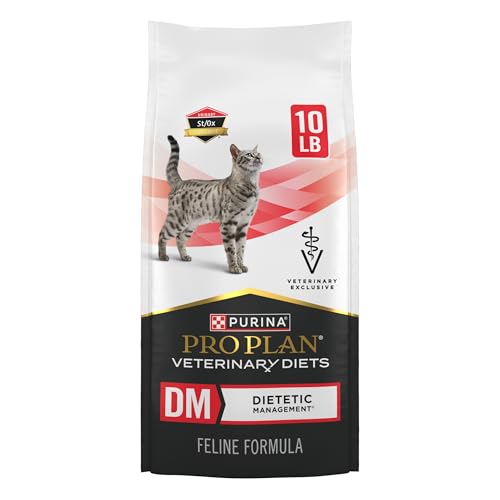
* Prescription vs. Over-the-Counter: Your veterinarian is your primary resource for dietary recommendations. They may suggest specific prescription diets formulated for diabetic cats, such as Hill’s Prescription Diet m/d, Purina Pro Plan Veterinary Diets DM, or Royal Canin Veterinary Diet Glycobalance. These diets are meticulously designed by veterinary nutritionists to provide precise macronutrient profiles (very low carb, high protein) and specific ingredients known to support glycemic control. While often more expensive, they offer a scientifically formulated and rigorously tested option. Alternatively, your veterinarian might guide you to suitable over-the-counter (OTC) options that meet the strict low-carbohydrate, high-protein criteria. Many premium grain-free, meat-first wet foods can be appropriate, but thorough label analysis and vet approval are essential.
* Dry Food Considerations: While generally less ideal for diabetic cats due to their inherently higher carbohydrate content and lower moisture, some specific very low-carb, high-protein dry formulations exist. If dry food is an unavoidable component of your cat’s diet, perhaps due to palatability issues with wet food or convenience, it is absolutely critical to select one explicitly designed for diabetic or weight management with extremely low carbohydrate percentages (typically less than 15% dry matter basis, but ideally lower). However, even these specialized dry foods still contain less moisture than wet food. Any decision to include dry food must be made in close consultation with your veterinarian, who can help assess the potential impact on your cat’s blood glucose and overall health. In many cases, transitioning away from dry food entirely is the most effective dietary intervention for diabetes.
Ingredients to Look For and Avoid
Successful dietary management of feline diabetes relies heavily on meticulous ingredient selection and careful label interpretation.
* Look For:
* Clearly Identifiable Animal Proteins as First Ingredients: The first few ingredients listed on the label should be specific animal proteins like chicken, turkey, salmon, beef, or lamb. These provide the essential amino acids and high-quality protein necessary for muscle maintenance and overall health without contributing significantly to blood sugar spikes.
* Moderate Fiber: Some sources of soluble and insoluble fiber, such as psyllium husk, beet pulp (in moderate amounts), or chicory root, can be beneficial. Fiber aids in digestion, promotes gut health, and can help to slow down the absorption of glucose, contributing to more stable blood sugar levels. However, excessive fiber can also reduce nutrient absorption, so moderation is key.
* Essential Vitamins and Minerals: Ensure the food is nutritionally complete and balanced, containing a full spectrum of essential vitamins, minerals, and taurine, which is vital for feline heart and eye health.
* Avoid:
* Grains: Steer clear of common grains like corn, wheat, rice, barley, and oats. These are carbohydrate-dense and contribute directly to undesirable blood sugar spikes.
* Potatoes and Sweet Potatoes: Often used as fillers or carbohydrate sources in “grain-free” foods, these root vegetables are high in starches and should be avoided.
* Peas and Legumes: While appearing “healthy,” peas, lentils, and other legumes are carbohydrate-rich and can elevate blood glucose levels.
* Fruits: Fruits contain natural sugars (fructose) and should be avoided.
* Added Sugars and High-Glycemic Starches: Absolutely avoid any form of added sugars (e.g., corn syrup, molasses, sucrose, dextrose) or high-glycemic starches used as thickeners (e.g., potato starch, tapioca starch, carrageenan). These directly undermine blood glucose control.
* Read Labels Carefully: The “guaranteed analysis” on pet food labels provides percentages of crude protein, fat, fiber, and moisture. To accurately assess carbohydrate content, you must learn to calculate it on a dry matter basis, as the “as-fed” percentages can be misleading due to varying moisture levels.
* Calculation Method: Start with 100%. Subtract the percentages of protein, fat, moisture, and typically ash (if available, commonly 2-3% for wet food) from 100. The remaining percentage is a close estimate of the carbohydrate content.
Example: If a wet food lists: Protein 10%, Fat 5%, Moisture 80%, Ash 2%
100% – 10% (protein) – 5% (fat) – 80% (moisture) – 2% (ash) = 3% carbohydrates (as-fed basis).
To convert to dry matter basis: Divide the as-fed percentage of the nutrient by the dry matter percentage (100% – moisture%).
Dry Matter = 100% – 80% moisture = 20%
Carbohydrates (DM) = (3% / 20%) 100% = 15% DM.
This calculation is vital for comparing different foods and ensuring they meet the very low carbohydrate threshold.
Feeding Schedule and Portion Control
Beyond selecting the right food, how and how much you feed your diabetic cat is equally critical for maintaining stable blood glucose levels and overall health.
* Consistent Schedule: Establishing and strictly adhering to a regular feeding routine is paramount for diabetic cats. This schedule should ideally be synchronized with insulin administration times, as recommended by your veterinarian. For instance, if insulin is given twice daily, meals are often provided shortly before or with the insulin injections. A consistent schedule helps the body anticipate food intake and insulin’s action, leading to more predictable and stable blood glucose curves. Erratic feeding times can cause significant fluctuations in blood sugar, making diabetes management much more challenging.
* Small, Frequent Meals: Many veterinarians recommend feeding a diabetic cat 2-4 small meals throughout the day rather than one or two large ones. This approach has several benefits. Smaller, more frequent meals help to prevent large post-prandial (after-meal) blood sugar spikes that often occur after a single large meal, especially if carbohydrate intake isn’t perfectly controlled. By spreading out the caloric intake, blood glucose levels tend to remain steadier throughout the day, reducing the “peaks and valleys” that can complicate insulin dosing and overall glucose control. This method also aligns more closely with a cat’s natural feeding behavior as opportunistic hunters who consume multiple small meals.
* Accurate Portions: Precise portion control is absolutely non-negotiable for diabetic cats. Even slight deviations can impact blood glucose levels and overall weight management. Overfeeding can lead to weight gain, which exacerbates insulin resistance and makes diabetes harder to control. Underfeeding can lead to malnutrition or inappropriate weight loss. The most accurate way to measure your cat’s food is by using a digital food scale. Do not rely solely on measuring cups, as the density of different foods can vary significantly. Your veterinarian will provide specific caloric recommendations based on your cat’s ideal body weight, activity level, and current metabolic needs. Adjustments to these portions should only be made under veterinary guidance, especially when combined with insulin therapy, to prevent hypoglycemia or hyperglycemia.
Proper dietary management is an indispensable part of treating feline diabetes, working hand-in-hand with veterinary care and any prescribed medications. By consistently feeding a high-protein, very low-carbohydrate wet diet, you provide your cat with the best chance for stable blood sugar and improved health, potentially leading to a better quality of life and even diabetic remission. Remember that every cat is an individual, and what works best for one may need adjustments for another. Always consult your veterinarian before making any changes to your cat’s diet, as they can help you select the most appropriate food, guide you through the transition, and provide ongoing monitoring to ensure optimal management of this complex condition.
Frequently Asked Questions
What is the single most important dietary consideration for a cat with diabetes?
The most crucial dietary consideration for a cat with diabetes is feeding a diet that is high in protein and very low in carbohydrates. Cats are obligate carnivores, meaning their bodies are designed to process meat-based protein and fat, not carbohydrates. A low-carb, high-protein diet helps stabilize blood sugar levels, reduces the need for insulin, and can even contribute to diabetic remission in some felines.
Which types of commercial cat food are best for diabetic cats?
The best commercial cat foods for diabetic cats are typically prescription veterinary diets specifically formulated for diabetes management, or over-the-counter wet foods that are naturally high in animal protein and very low in carbohydrates. Look for canned foods where meat is the primary ingredient and avoid options with grains, potatoes, or fruits. Always consult your veterinarian before selecting a specific brand or making dietary changes.
Why is a high-protein, low-carbohydrate diet so critical for managing feline diabetes?
A high-protein, low-carbohydrate diet is critical because it mimics a cat’s natural prey diet, which they are physiologically best adapted to. This dietary approach helps to prevent rapid spikes in blood glucose after meals, improves insulin sensitivity, and reduces the workload on the pancreas. Ultimately, this leads to better blood sugar control, a decreased insulin dosage requirement, and a higher chance of achieving diabetic remission.
Can diabetic cats eat dry kibble, or is wet food always the preferred option?
While wet food is generally preferred for diabetic cats due to its typically lower carbohydrate content and higher moisture, some specialized low-carbohydrate dry kibble options are available. However, most conventional dry foods are high in carbohydrates, which can destabilize blood sugar levels. If considering dry food, ensure it is specifically formulated for diabetic management and always discuss this choice with your veterinarian to ensure it’s appropriate for your cat’s specific needs.
How should I choose ingredients to avoid when selecting food for my diabetic cat?
When selecting food for your diabetic cat, you should primarily avoid ingredients that are high in carbohydrates. These include grains like corn, wheat, rice, barley, and oats, as well as starches such as potatoes, sweet potatoes, and tapioca. Sugars, syrups, and fruits should also be avoided, as they can cause rapid increases in blood glucose. Always scrutinize ingredient labels to ensure these high-glycemic components are not present.
References
- https://www.vet.cornell.edu/departments-centers-and-institutes/cornell-feline-health-center/health-information/feline-health-topics/diabetes-mellitus
- https://vetmed.osu.edu/vmc/companion/our-services/internal-medicine/diabetes-mellitus-cats-and-dogs
- https://www.vetmed.ucdavis.edu/hospital/small-animal/internal-medicine/feline-diabetes
- Kennel Cough in Dogs – Veterinary Partner – VIN
- Diabetes in cats
- https://www.avma.org/resources-tools/pet-owners/petcare/diabetes-pets
- https://catvets.com/public/PDFs/ClientBrochures/FelineDiabetesClientBrochure.pdf