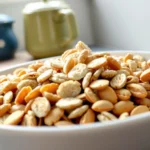

For diabetic dogs, the “best” dry dog food isn’t a one-size-fits-all answer, but rather a specialized diet focused on managing blood sugar levels effectively. These foods typically feature a low glycemic index, high fiber content, and controlled fat and protein levels, often requiring a vet-prescribed therapeutic formula. Understanding these key nutritional components is crucial for making informed choices that support your dog’s health and well-being.
Understanding Canine Diabetes and Diet’s Role
Canine diabetes mellitus is a prevalent metabolic disorder where the body either doesn’t produce enough insulin (Type I, most common in dogs) or can’t use insulin properly (Type II, less common but possible). This deficiency or resistance leads to persistently high blood glucose levels, a condition known as hyperglycemia. Unmanaged, diabetes can lead to severe health complications, including cataracts, kidney disease, nerve damage, and increased susceptibility to infections. An accurate diagnosis by a veterinarian, involving blood and urine tests, is the essential first step in managing this condition.
Diet plays a critical and foundational role in managing canine diabetes. The primary goal of dietary intervention is to help stabilize blood glucose levels throughout the day, preventing dangerous spikes and drops. A carefully chosen diet can reduce the workload on the pancreas, improve insulin sensitivity (if any insulin is still being produced or used), and help the body utilize glucose more efficiently. It directly impacts the effectiveness of insulin therapy, often allowing for more stable dosing and fewer complications. Therefore, partnering with your veterinarian to develop a tailored dietary and overall treatment plan is not just recommended, but absolutely imperative for the long-term health and quality of life of your diabetic companion. This comprehensive approach, combining diet, insulin, and lifestyle adjustments, is the cornerstone of effective diabetes management.
Key Nutritional Components for Diabetic Dog Food
Selecting the appropriate dry dog food involves a meticulous review of its nutritional profile. The cornerstone of a diabetic diet for dogs revolves around specific macronutrient ratios and ingredient choices designed to regulate blood glucose.
* Low Glycemic Index Carbohydrates: The glycemic index (GI) measures how quickly a food raises blood glucose levels. For diabetic dogs, the objective is to choose carbohydrates with a low GI, meaning they are digested and absorbed slowly, resulting in a gradual and sustained release of glucose into the bloodstream. This prevents the rapid blood sugar spikes that can destabilize a diabetic dog. Excellent sources of low-GI carbohydrates include whole grains like barley, oats, and quinoa, as well as legumes suches as lentils and peas. Sweet potatoes, in controlled amounts, can also be beneficial. It is crucial to strictly avoid simple sugars like corn syrup, sucrose, or molasses, and highly processed grains like white rice or corn flour, which have a high glycemic load and can cause dramatic fluctuations in blood sugar. Complex carbohydrates also offer sustained energy release, contributing to better overall energy management throughout the day.
* High Fiber Content: Fiber is an indispensable component in a diabetic dog’s diet, offering numerous benefits for blood sugar control and digestive health. Both soluble and insoluble fibers are valuable. Soluble fibers (e.g., psyllium, beet pulp, pectin) dissolve in water to form a gel-like substance, which slows down gastric emptying and the absorption of glucose from the digestive tract, directly mitigating post-meal blood sugar spikes. They also contribute to satiety, which is beneficial for weight management in often overweight diabetic dogs. Insoluble fibers (e.g., cellulose, lignin) add bulk to the stool, promoting regular bowel movements and aiding overall digestive health. A diet rich in fiber also helps to create a feeling of fullness, reducing the likelihood of overeating and supporting healthy weight management, which is critical as obesity can worsen insulin resistance. Ingredients like beet pulp, psyllium seed husk, and specific vegetable fibers are highly desirable.
* Moderate, High-Quality Protein: Protein is vital for maintaining muscle mass, supporting organ function, and providing essential amino acids. For diabetic dogs, the protein content should be moderate – typically not excessively high – and sourced from high-quality, easily digestible animal proteins. Lean animal proteins such as chicken, turkey, fish, and lamb provide necessary amino acids without significantly impacting blood glucose levels. These proteins also contribute to satiety, helping dogs feel full and reducing calorie intake. It’s important to select foods where the primary protein source is a whole, identifiable meat, rather than generic by-products, ensuring superior digestibility and nutritional value. The goal is to provide adequate protein to prevent muscle wasting without overloading the system.
* Controlled Fat Levels: While fats are an essential source of energy and support nutrient absorption, their levels must be carefully controlled in a diabetic diet. Excessive fat intake, particularly unhealthy saturated or trans fats, can lead to weight gain, which exacerbates insulin resistance and makes blood sugar control more challenging. High-fat diets can also increase the risk of pancreatitis, a serious inflammation of the pancreas that is particularly dangerous for diabetic dogs. Instead, focus on moderate levels of healthy fats, such as those rich in Omega-3 fatty acids (e.g., from flaxseed, fish oil, or salmon). Omega-3s offer anti-inflammatory benefits, support skin and coat health, and contribute to overall cellular function, without causing undesirable blood sugar fluctuations when consumed in appropriate amounts. Balancing fat content is crucial for energy provision without compromising metabolic health.
Ingredients to Prioritize and Avoid
Making informed ingredient choices is paramount when selecting dry food for a diabetic dog. This involves actively seeking out beneficial components and vigilantly avoiding detrimental ones.
* Look For:
* Whole Meat as the Primary Ingredient: Prioritize dry foods that list a specific, identifiable whole meat (e.g., chicken, turkey, lamb, salmon) as the first ingredient. This indicates a high-quality, digestible protein source vital for muscle maintenance without significantly impacting blood glucose. Meat meals (e.g., chicken meal, lamb meal) can also be excellent if they are from a specified source and high quality, as they are concentrated protein.
* Complex Carbohydrates: Opt for ingredients like brown rice, barley, oats, quinoa, and chickpeas. These carbohydrates have a lower glycemic index, meaning they release glucose slowly and steadily, preventing blood sugar spikes.
* High-Fiber Additions: Essential for blood sugar control and satiety. Look for ingredients such as beet pulp (a common and effective source of soluble and insoluble fiber), psyllium husk, chicory root, ground flaxseed, and certain vegetables like green beans or small amounts of sweet potato. These help regulate digestion and slow sugar absorption.
* Omega-3 Fatty Acids: Ingredients like fish oil, salmon oil, and flaxseed are beneficial. Omega-3s provide anti-inflammatory properties, support heart health, and promote a healthy skin and coat, all while contributing healthy fats in controlled amounts.
* Antioxidants and Vitamins: Fruits and vegetables (e.g., cranberries, apples, spinach, carrots) can provide natural antioxidants, vitamins, and minerals that support overall health without significantly affecting blood sugar when included in small, balanced quantities.
* Avoid:
* High Amounts of Simple Sugars: Absolutely steer clear of ingredients like corn syrup, sucrose, molasses, fructose, or any form of “sugar” listed high on the ingredient list. These cause rapid and dangerous spikes in blood glucose levels, making diabetes management extremely difficult.
* Excessive Fillers/High Glycemic Grains as Primary Ingredients: While some grains are fine, avoid foods where corn, wheat, or soy are listed as primary ingredients in large quantities, especially if they are highly refined. These can often have a higher glycemic load and contribute to blood sugar instability. Dogs with diabetes may also have sensitivities to these common allergens, though this needs to be individually assessed.
* Artificial Colors, Flavors, or Preservatives: These additives offer no nutritional value and some can be linked to health issues in sensitive dogs. Prioritize natural ingredients and naturally preserved foods (e.g., with mixed tocopherols – Vitamin E).
* Excessive Animal By-Products (unspecified): While some specified by-products can be nutritious, generic “animal by-products” or “meat and bone meal” can be of inconsistent quality and digestibility. Focus on clearly defined protein sources.
Common Types of Recommended Diabetic Dry Dog Foods
The landscape of dry dog foods for diabetic canines ranges from highly specialized prescription diets to carefully selected over-the-counter options, each with its own set of advantages and considerations.
* Veterinary Therapeutic Diets: These are often the most effective and highly recommended option for diabetic dogs. Major pet food brands like Purina Pro Plan Veterinary Diets (e.g., DM Diabetes Management), Royal Canin Veterinary Diet (e.g., GlycoBalance), and Hill’s Prescription Diet (e.g., w/d Multi-Benefit) offer prescription formulas specifically designed for managing canine diabetes. These diets are meticulously formulated based on extensive research and clinical trials to provide precise nutrient profiles: typically high in fiber, moderate in protein and healthy fats, and low in simple carbohydrates with a low glycemic index. They are engineered to help stabilize blood glucose, support healthy weight, and address other common comorbidities associated with diabetes. Your veterinarian will often recommend these specific diets because their efficacy is well-documented, and they provide a consistent, reliable nutritional foundation for insulin therapy. These diets require a prescription due to their therapeutic nature, emphasizing the need for veterinary guidance.
* Over-the-Counter Options: If a prescription diet is not feasible due to availability, cost, or a dog’s specific palatability preferences, an over-the-counter (OTC) dry dog food might be considered, but *only* with strict adherence to nutritional criteria and, critically, your veterinarian’s explicit approval. When evaluating OTC options, look for foods marketed as “weight management,” “senior,” or “high fiber” formulas, as these often align more closely with the dietary needs of diabetic dogs. Key indicators include:
* High Fiber Content: Check the guaranteed analysis for crude fiber percentages, aiming for higher levels (e.g., 8-15% or more).
* Low Glycemic Carbs: Scan the ingredient list for whole grains like barley, oats, quinoa, or legumes as primary carbohydrate sources, avoiding simple sugars and excessive refined grains.
* Moderate, High-Quality Protein: Ensure a specified whole meat is among the first few ingredients.
* Controlled Fat: Review the fat content to ensure it’s moderate and includes healthy sources.
Thorough label reading is essential, and even then, these options require careful monitoring of your dog’s blood glucose levels to ensure they are effective in conjunction with insulin therapy.
* Limited Ingredient Diets (LID): Some diabetic dogs may also suffer from food allergies or sensitivities, manifesting as gastrointestinal upset or skin issues. In such cases, a Limited Ingredient Diet (LID) might be considered. The premise of an LID is to minimize the number of ingredients, particularly common allergens, to simplify the diet and reduce the likelihood of an adverse reaction. However, it is paramount that any LID considered for a diabetic dog still strictly adheres to the high-fiber, low-glycemic, moderate-protein, and controlled-fat criteria necessary for diabetes management. You cannot sacrifice diabetes control for allergy management; ideally, an LID specifically formulated for diabetic needs, or a highly customized, vet-approved approach, would be chosen. Again, veterinary consultation is indispensable to determine if an LID is appropriate and to ensure it meets all necessary nutritional requirements for both conditions.
Important Considerations When Switching Foods
Changing your diabetic dog’s diet is a delicate process that requires careful planning and close observation to ensure optimal health outcomes and effective blood glucose management.
* Gradual Transition: The canine digestive system is sensitive, and abrupt dietary changes can lead to gastrointestinal upset, including vomiting, diarrhea, or loss of appetite. For a diabetic dog, such disruptions can severely complicate blood glucose control. Therefore, any new food must be introduced gradually over a period of 7-10 days, sometimes even longer for highly sensitive dogs. Start by mixing a small amount of the new food (e.g., 25%) with the old food. Over several days, slowly increase the proportion of the new food while decreasing the old, until your dog is eating 100% of the new diet. This allows the digestive system, including the beneficial gut bacteria, to adapt smoothly, minimizing stress on the body and potential fluctuations in blood sugar.
* Monitoring Blood Glucose: This is perhaps the most critical aspect of a diet change for a diabetic dog. Because food directly impacts blood glucose levels, a change in diet will almost certainly necessitate adjustments to insulin dosage. Close monitoring of your dog’s blood sugar levels is vital during the entire transition period and for several weeks thereafter. This typically involves regular glucose curves performed by your veterinarian, or potentially home glucose monitoring if you have been trained to do so. Your vet will use these readings to assess how the new food affects blood sugar and to fine-tune the insulin dose to maintain stable glucose levels within the target range. Without vigilant monitoring, there’s a risk of hyperglycemia (too high blood sugar) or hypoglycemia (too low blood sugar), both of which can be life-threatening.
* Portion Control and Feeding Schedule: Consistency is paramount for managing canine diabetes. Once the new food is chosen and the insulin dosage is established, it’s crucial to stick to precise portion sizes and a regular feeding schedule. Most diabetic dogs benefit from two meals per day, fed at the same time each day, often coinciding with their insulin injections. This synchronized approach helps to balance the absorption of glucose from the food with the action of the injected insulin, promoting stable blood sugar levels. Free-feeding or inconsistent meal times can lead to erratic blood glucose, making it very difficult to effectively regulate insulin doses. Use accurate measuring cups or a kitchen scale to ensure precise portion control, as even small variations can impact blood sugar. Your veterinarian will provide specific guidance on portion sizes based on your dog’s weight, activity level, and caloric needs.
Holistic Management: Beyond Diet
While diet is a cornerstone of diabetes management, a comprehensive approach that includes lifestyle factors is essential for your dog’s overall health and well-being.
* Regular Exercise: Consistent, moderate exercise is incredibly beneficial for diabetic dogs. Physical activity helps improve insulin sensitivity, meaning the body’s cells become more responsive to insulin, allowing for more efficient glucose uptake and utilization. This can contribute to better blood sugar control and potentially reduce insulin requirements. Exercise also helps maintain a healthy weight, which is crucial as obesity exacerbates insulin resistance. Aim for regular, moderate walks or play sessions rather than sporadic, intense bursts of activity, as extreme exercise can sometimes cause sudden drops in blood sugar. Always monitor your dog during and after exercise for any signs of hypoglycemia, and consult your vet to establish a safe and appropriate exercise regimen tailored to your dog’s individual fitness level and health status.
* Hydration: Ensuring constant access to fresh, clean water is vital for all dogs, and especially for those with diabetes. Increased thirst (polydipsia) is a common symptom of uncontrolled diabetes as the body attempts to flush out excess glucose through urine. While a well-managed diabetic dog’s thirst should normalize, maintaining proper hydration supports kidney function and overall metabolic processes. Monitor your dog’s water intake as significant changes could indicate a need for veterinary attention or an adjustment in their diabetes management plan. Dehydration can worsen existing health conditions and impair overall cellular function.
* Appropriate Treats: Treats can be an important part of bonding and training, but for a diabetic dog, they must be chosen with extreme care. High-calorie, sugary, or high-carbohydrate treats can quickly undermine careful dietary management and cause unwanted blood sugar spikes. Instead, opt for low-calorie, sugar-free, high-fiber options. Excellent choices include small pieces of cooked, lean meat (like plain chicken breast or turkey), unseasoned green beans, broccoli florets, or small quantities of other vet-approved, non-starchy vegetables. There are also commercially available treats specifically formulated for diabetic dogs; always check the ingredient list and nutritional analysis carefully. Remember that treats contribute to your dog’s total daily caloric intake, so they should be given in moderation and factored into their overall meal plan to prevent weight gain and maintain blood sugar stability. Avoid giving human foods that are high in sugar, fat, or potentially toxic ingredients.
Choosing the right dry dog food for your diabetic companion is a cornerstone of managing their condition, focusing on formulas rich in fiber, moderate in protein and healthy fats, and low in simple carbohydrates. Always partner with your veterinarian to select the most appropriate diet, monitor its effectiveness, and create a comprehensive management plan tailored to your dog’s unique needs, encompassing diet, exercise, and careful monitoring. This diligent and collaborative approach is key to ensuring a healthier, happier life for your beloved pet.
Frequently Asked Questions
What specific nutritional profile should I look for in the best dry dog food for diabetic dogs?
When searching for the best dry dog food for diabetic dogs, prioritize options that are high in protein, moderate in fat, and rich in complex carbohydrates with high fiber content. This specific nutritional profile helps stabilize blood sugar levels by promoting a slower digestion rate, preventing sharp glucose spikes. Look for foods with real meat as the first ingredient and a low glycemic index to effectively manage your dog’s diabetes.
How does a specialized dry dog food diet help manage blood sugar levels in diabetic dogs?
A specialized dry dog food for diabetic dogs helps manage blood sugar by providing controlled carbohydrate sources and high dietary fiber. The complex carbohydrates release glucose slowly, while the increased fiber content slows digestion and absorption of sugars, leading to more stable blood glucose throughout the day. This consistent energy release is crucial for preventing hyperglycemia and hypoglycemia, working in conjunction with insulin therapy.
Which ingredients or types of dry dog food should be strictly avoided for dogs with diabetes?
To effectively manage your dog’s diabetes, strictly avoid dry dog foods containing simple sugars like corn syrup, molasses, or fructose, which can cause rapid blood sugar spikes. Also, steer clear of foods high in readily digestible, high-glycemic carbohydrates such as white rice, corn, and potatoes, especially if they are among the first few ingredients. Furthermore, low-quality fillers and excessive fat content should be avoided as they can exacerbate blood sugar control issues and contribute to weight gain.
Why is veterinary consultation crucial when selecting the best dry dog food for a diabetic dog?
Veterinary consultation is absolutely crucial because the best dry dog food for diabetic dogs is highly individualized, depending on your dog’s specific health needs, weight, activity level, and existing medical conditions. Your vet can recommend prescription diabetic dog foods or specific over-the-counter options tailored to your dog’s unique metabolic requirements and current insulin regimen. They will provide personalized dietary guidance to optimize blood sugar control and overall health.
What are the top characteristics that define the *best dry dog food* for managing canine diabetes effectively?
The best dry dog food for managing canine diabetes typically features a high-fiber content, moderate protein, and carefully selected complex carbohydrates with a low glycemic index. Look for brands that ensure consistent formulation and ingredient quality, as dietary consistency is vital for stable blood glucose. These characteristics help promote satiety, support healthy weight management, and most importantly, contribute to more predictable blood sugar regulation alongside medical treatment.
References
- https://en.wikipedia.org/wiki/Diabetes_mellitus_in_dogs
- https://www.vet.cornell.edu/departments-centers-and-institutes/cornell-university-hospital-animals/pets/dogs/canine-diabetes-mellitus
- https://vetmed.tufts.edu/diabetes-mellitus-dog-cats/
- https://www.akc.org/expert-advice/health/diabetes-in-dogs-symptoms-treatment-diet/
- Veterinary Partner – VIN
- https://healthtopics.vetmed.ucdavis.edu/health-topics/canine/diabetes-mellitus
- Nutrition | Cummings School of Veterinary Medicine