
When it comes to the best dressing for diabetics, the key is not a single product, but rather a strategic selection based on the specific wound characteristics. The optimal choice depends on factors like wound type, size, depth, and exudate level, aimed at promoting a moist wound environment, protecting against infection, and accommodating the unique challenges of diabetic wounds, such as neuropathy and impaired circulation. Understanding the various dressing types and their properties is crucial for effective wound management and preventing complications associated with diabetes. This comprehensive guide will explore the intricacies of diabetic wound care, helping patients and caregivers make informed decisions for better healing outcomes.



Understanding Diabetic Wound Challenges
Diabetic wounds present a unique and complex set of challenges that significantly impact the healing process. These challenges stem primarily from the systemic effects of long-term hyperglycemia, which can lead to both microvascular and macrovascular complications, as well as nerve damage. Addressing these underlying issues is paramount for successful wound management.
* Impaired Healing: Diabetes can lead to slower wound healing due to reduced blood flow and nerve damage (neuropathy). Chronically elevated blood sugar levels damage blood vessels, leading to peripheral artery disease (PAD) and microvascular changes that reduce oxygen and nutrient delivery to tissues. This impaired circulation deprives the wound of essential components needed for repair and regeneration. Furthermore, diabetic neuropathy—nerve damage—can directly affect cellular function, slowing the proliferation of fibroblasts and keratinocytes, which are vital for tissue repair. Metabolic imbalances also interfere with various phases of wound healing, leading to a prolonged inflammatory phase and delayed tissue remodeling.
* Increased Infection Risk: High blood sugar levels can weaken the immune system, making diabetic wounds more susceptible to bacterial infections. Hyperglycemia impairs the function of white blood cells, particularly neutrophils and macrophages, which are crucial for fighting off pathogens. This compromised immune response means that even minor wounds can quickly become infected and spread rapidly. Infected diabetic wounds are notoriously difficult to treat and can lead to severe complications such as cellulitis, osteomyelitis (bone infection), and in extreme cases, amputation if not managed aggressively and promptly.
* Neuropathy & Undetected Injuries: Loss of sensation in the feet, a condition known as sensory neuropathy, means minor cuts, blisters, or pressure points can go unnoticed and worsen without proper care. Patients may not feel pain from ill-fitting shoes, stepping on sharp objects, or developing calluses that can hide underlying ulcerations. Motor neuropathy can lead to muscle weakness and foot deformities (e.g., hammertoes, Charcot foot), altering pressure distribution and creating high-pressure areas prone to breakdown. Autonomic neuropathy affects sweat and oil gland function, leading to dry, cracked skin that is more susceptible to injury. These undetected injuries, often coupled with impaired healing and increased infection risk, can quickly progress to chronic, non-healing ulcers.
Essential Qualities of an Ideal Diabetic Wound Dressing
Given the unique challenges of diabetic wounds, an ideal dressing must possess specific qualities to facilitate optimal healing and prevent further complications. These attributes ensure the wound environment is conducive to tissue repair while offering crucial protection.
* Moisture Balance: The dressing should maintain a moist healing environment to promote cell growth without causing maceration (skin breakdown from excessive moisture). A balanced moist environment is crucial because it facilitates cellular migration, nutrient exchange, and the activity of growth factors and enzymes essential for healing. A wound that is too dry can lead to crusting and delayed epithelialization, while one that is too wet can cause maceration of the surrounding healthy skin, enlarging the wound area and increasing infection risk. The ideal dressing will absorb excess exudate while preventing desiccation, creating a dynamic balance.
* Protection & Barrier: It must shield the wound from external contaminants, bacteria, and physical trauma. A robust dressing acts as a physical barrier against microorganisms, significantly reducing the risk of infection. Beyond microbial protection, it also guards against mechanical stress, friction, and impacts that could disrupt fragile new tissue. This protective barrier also helps to maintain a consistent wound temperature, which is optimal for cellular metabolic activity and enzyme function, further supporting the healing process.
* Non-Adherent & Gentle: The dressing should not stick to the wound bed, ensuring painless removal and preventing disruption of new tissue. Trauma during dressing changes can re-injure the delicate newly formed granulation tissue and epithelial cells, delaying healing and causing unnecessary pain for the patient. A non-adherent dressing allows for atraumatic removal, preserving the integrity of the wound bed and periwound skin, which is particularly important for compromised diabetic skin. This gentleness also improves patient comfort and compliance with dressing change regimens.
Common Dressing Types and Their Uses
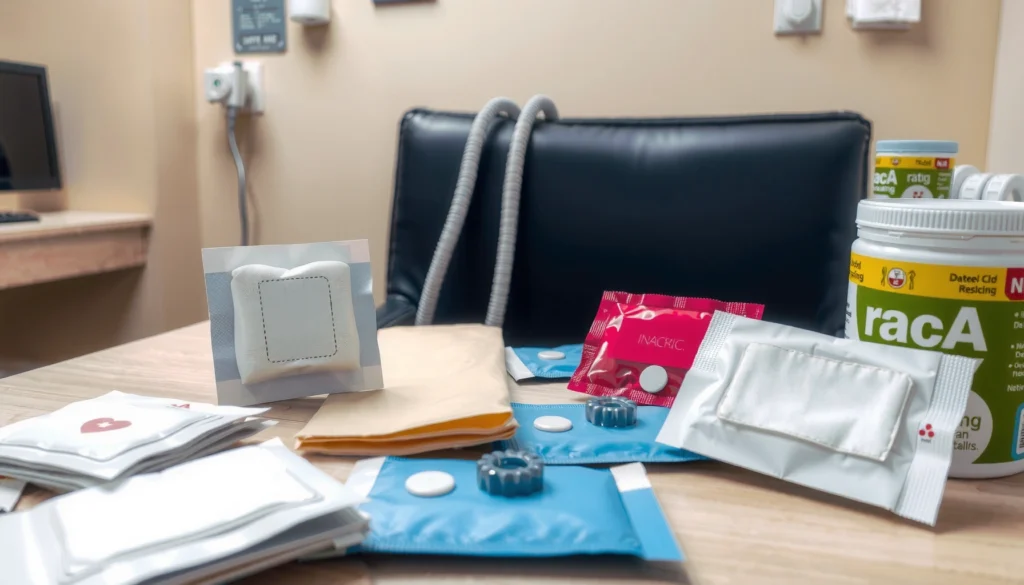
A diverse array of wound dressings is available, each with specific properties suited to different wound characteristics. Understanding these types is crucial for making informed choices in diabetic wound care.
* Hydrocolloids: These dressings are best for wounds with light to moderate exudate, creating a gel-like environment that promotes healing. Composed of gel-forming agents (like carboxymethylcellulose), they absorb exudate to form a soft gel that keeps the wound moist and promotes autolytic debridement (the body’s natural process of removing dead tissue). They are semi-occlusive, waterproof, and offer some cushioning, making them suitable for shallow to moderate depth wounds, such as partial-thickness ulcers or minor pressure injuries. However, they are generally not recommended for infected wounds or those with heavy exudate, as they can conceal signs of infection and become saturated quickly. Examples include DuoDerm and Comfeel.
* Foam Dressings: Ideal for wounds with moderate to heavy exudate, providing cushioning and excellent absorption. Made of polyurethane foam, these dressings have a hydrophilic (water-loving) surface that draws exudate away from the wound into the foam, often through vertical absorption to prevent lateral spread and periwound maceration. Their soft, pliable nature provides significant cushioning, making them excellent for pressure-prone areas like the heel or sacrum, and for protecting fragile skin. They are comfortable, breathable, and available in various shapes and sizes, including bordered adhesive options. Examples include Mepilex and Allevyn.
* Alginate Dressings: Highly absorbent, derived from seaweed, perfect for heavily exuding wounds and can help control bleeding. Alginates are composed of calcium alginate fibers which, upon contact with wound exudate, convert into a soft, hydrophilic gel. This gel provides a moist environment and also helps to control minor bleeding through calcium ion exchange. They are particularly effective for deep wounds, cavities, or tunneling wounds with significant drainage, as they can be packed into these spaces. Alginates are biodegradable and should be covered with a secondary dressing. Examples include Kaltostat and Sorbsan.
* Hydrogels: Used for dry or minimally exuding wounds, providing moisture to soften necrotic tissue and promote autolytic debridement. These dressings are primarily water or glycerin-based gels, often supplied in tubes or as impregnated sheets. They donate moisture to dry wounds, which rehydrates eschar and slough, facilitating natural debridement. Hydrogels can also provide a cooling sensation, offering pain relief. They are suitable for painful wounds, burns, or wounds with exposed tendons/bones needing hydration, but lack significant absorptive capacity and usually require a secondary dressing. Examples include IntraSite Gel and Solosite.
* Transparent Films: Primarily for very superficial wounds or as secondary dressings to secure other primary dressings, offering a waterproof and breathable barrier. These thin, clear polyurethane membranes are adhesive and allow for visual inspection of the wound without removal. They are impermeable to bacteria and water but allow oxygen and water vapor exchange. While they provide protection and can promote autolytic debridement in very shallow wounds, they have no absorptive capacity and are not suitable for exuding wounds. They are often used to secure IV lines or protect intact skin. Examples include Tegaderm and Opsite.
Specialized dressings containing antimicrobial agents (e.g., silver, iodine, PHMB) are also available and are critical for managing infected wounds or those at high risk of infection, always under professional medical guidance.
Key Factors for Choosing the Right Dressing
Selecting the appropriate dressing for a diabetic wound is a dynamic process that requires careful assessment of several critical factors. A wrong choice can impede healing or exacerbate complications.
* Wound Depth and Size: Deeper wounds often require different dressings (e.g., fillers for cavities) than superficial scrapes. Superficial wounds (epidermal or partial-thickness) may respond well to transparent films or thin hydrocolloids. Full-thickness wounds, however, which extend into the dermis, subcutaneous tissue, or even muscle/bone, often require dressings that can fill dead space (e.g., alginates, foams, hydrogel sheets) to prevent abscess formation and support granulation from the base up. The size dictates the required dimensions of the dressing, ensuring adequate coverage and overlap onto healthy periwound skin.
* Exudate Level: Assess whether the wound is dry, lightly, moderately, or heavily exuding, as this dictates the required absorbency. A dry wound benefits from moisture-donating dressings like hydrogels to promote hydration and autolytic debridement. Lightly exuding wounds may be managed with hydrocolloids or thin foams. Moderate to heavily exuding wounds necessitate highly absorbent dressings such as foam dressings or alginates to manage drainage, prevent maceration, and maintain a balanced moist environment. Accurately assessing exudate volume and viscosity is vital.
* Presence of Infection: Infected wounds may require specialized antimicrobial dressings (e.g., silver dressings) under professional guidance. The presence of infection is a contraindication for some dressing types (e.g., occlusive hydrocolloids) as they can trap bacteria and worsen the infection. Wounds showing signs of infection (redness, warmth, swelling, pain, purulent exudate, foul odor) typically require topical antimicrobial dressings, often in conjunction with systemic antibiotics prescribed by a healthcare provider. These dressings help to reduce the bacterial bioburden and prepare the wound for healing, but they are not a substitute for systemic treatment in deeper infections.
* Wound Location and Patient Comfort: Consider the wound’s position (e.g., heel, between toes) and the patient’s comfort and mobility. Wounds on high-friction areas (e.g., heel, bony prominences) may benefit from thicker, cushioning foam dressings. Wounds between toes might require very thin, flexible options or even specialized toe caps. Patient comfort is paramount; a painful or cumbersome dressing can lead to non-compliance. Factors such as ease of application and removal, frequency of changes, and the ability to maintain mobility should all be considered. Cost-effectiveness and availability of the dressing are also practical considerations.
Proper Dressing Application and Ongoing Care
Effective diabetic wound care extends beyond just choosing the right dressing; meticulous application and vigilant ongoing care are equally critical to prevent complications and promote healing.
* Aseptic Technique: Always clean hands thoroughly and use sterile gloves when changing dressings to prevent contamination. Aseptic technique is non-negotiable for diabetic wounds due to the increased risk of infection. This involves thorough hand washing (or using alcohol-based hand rub), wearing sterile or clean gloves, and using sterile instruments if required. The goal is to minimize the introduction of microorganisms into the wound environment, protecting the compromised immune system of a diabetic patient. Educating patients and caregivers on proper aseptic technique for home care is essential.
* Wound Cleansing: Gently clean the wound with saline solution as directed by a healthcare professional before applying a new dressing. Prior to each dressing change, the wound should be gently cleansed. Isotonic saline solution (0.9% sodium chloride) is the standard and preferred cleansing agent as it is non-toxic to healthy tissues and maintains a physiological balance. Harsh antiseptics like hydrogen peroxide or povidone-iodine should generally be avoided unless specifically prescribed, as they can damage delicate new cells and impede healing. Cleansing aims to remove loose debris, exudate, and any surface bacteria without causing trauma to the wound bed.
* Regular Monitoring: Routinely check the wound for signs of infection (redness, swelling, pus, foul odor) and monitor healing progress. Consistent and thorough monitoring of the wound is vital. This involves observing the wound bed for changes in size, depth, color, and tissue type (e.g., presence of granulation tissue, epithelialization, slough, or necrotic tissue). Assess the amount, color, and odor of exudate. Examine the periwound skin for signs of maceration, redness, or breakdown. Any signs of infection such as increased redness, warmth, swelling, pain, purulent discharge, or a foul odor warrant immediate medical attention. Documenting these observations helps track progress and identify any deterioration early.
When Professional Guidance is Crucial
While diligent home care with appropriate dressings is important, certain situations with diabetic wounds demand immediate professional medical intervention to prevent severe complications.
* Worsening Wounds: Any wound that shows signs of deterioration, increased pain, or doesn’t improve after a few days of care should prompt a visit to a healthcare provider. This includes wounds that are getting larger or deeper, developing new areas of breakdown, or exhibiting persistent pain despite appropriate dressing changes. A lack of measurable progress in healing within two to four weeks is also a significant red flag that requires reassessment by a specialist.
* Signs of Infection: Development of fever, chills, excessive redness spreading from the wound, warmth, or pus are clear indicators of infection. These systemic and localized signs demand urgent medical evaluation. Infection in diabetic wounds can rapidly progress, leading to cellulitis, deep tissue infections, or osteomyelitis, which can ultimately necessitate hospitalization, intravenous antibiotics, or surgical debridement to save the limb. Do not attempt to self-treat suspected infections.
* Deep or Complex Wounds: Puncture wounds, wounds exposing bone or tendon, or any wound that seems beyond basic home care require immediate professional assessment. Wounds that are deep, have tunneling or undermining, expose underlying anatomical structures like bone, tendon, or joint capsule, or involve significant tissue loss are complex and require advanced wound care techniques and often surgical intervention. These wounds are at high risk for serious infections and complications if not managed by specialists.
* Lack of Improvement: If the wound shows no signs of healing or is getting larger, it’s essential to consult a doctor or wound care specialist. Consistent monitoring should reveal some progress, even if slow. A wound that remains stagnant or actively enlarges despite consistent care indicates that the current treatment plan is ineffective or that there are unaddressed underlying issues (e.g., poor circulation, uncontrolled blood sugar, ongoing pressure). A wound care specialist can provide advanced diagnostics, debridement, and specialized treatments.
Choosing the right dressing is a critical component of effective diabetic wound care, but it’s part of a larger strategy that includes strict blood sugar control and diligent foot care. Never hesitate to seek professional medical advice for any diabetic wound, especially those that are slow to heal or show signs of infection. Consulting a healthcare provider or a specialized wound care team will ensure you receive the most appropriate treatment plan and guidance for optimal healing and prevention of serious complications. Regularly check your feet and manage your diabetes proactively to minimize wound risks, ensuring both immediate and long-term health.
Frequently Asked Questions
What are the best types of salad dressings for diabetics to choose?
The best types of salad dressings for diabetics are generally vinaigrettes made with healthy oils, as they allow for better blood sugar management. Opt for dressings based on extra virgin olive oil, avocado oil, or apple cider vinegar, combined with herbs, spices, and a touch of mustard for flavor. These options provide healthy fats and minimal added sugars, making them excellent choices for maintaining a balanced diet.
Why should diabetics be cautious about traditional store-bought salad dressings, and what ingredients should they avoid?
Diabetics should be cautious about traditional store-bought salad dressings because many are surprisingly high in hidden sugars, unhealthy fats, and excessive sodium. Key ingredients to avoid include high-fructose corn syrup, sucrose, dextrose, and other added sugars, as well as trans fats and partially hydrogenated oils. Always check nutrition labels for total carbohydrates, added sugars, and sodium content to make informed, healthier choices.
How can diabetics make their own healthy and flavorful dressings at home?
Making your own healthy dressings at home is simple and gives diabetics full control over ingredients. Start with a base of apple cider vinegar, red wine vinegar, or fresh lemon juice, then whisk in a healthy oil like extra virgin olive oil or avocado oil. Season generously with fresh herbs (dill, parsley, basil), garlic, onion powder, and black pepper, adding a tiny amount of a natural, non-caloric sweetener like stevia if a touch of sweetness is desired, avoiding artificial sweeteners.
Which specific store-bought dressing brands offer good diabetic-friendly options?
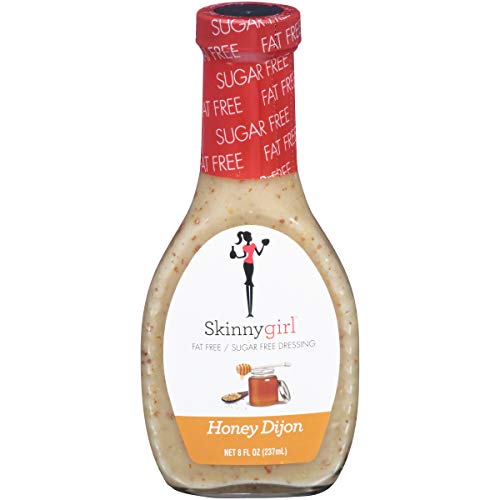
Several store-bought brands now offer excellent diabetic-friendly options by focusing on natural ingredients and low sugar content. Look for brands like Primal Kitchen, Tessemae’s, G Hughes Sugar Free, or Walden Farms, which specialize in dressings without added sugar or artificial sweeteners. Always scrutinize the nutrition label, even from these brands, to ensure they align with your specific dietary needs for healthy dressing choices.
Beyond salad dressings, how can diabetics choose healthier options for marinades and other food dressings?
For marinades and other food dressings like dips or sauces, diabetics should apply the same principles: prioritize low-sugar, low-sodium, and healthy fat options. Opt for homemade marinades using herbs, spices, citrus juices, and vinegars, rather than commercial BBQ sauces or teriyaki, which often contain significant added sugars. When buying store-bought, look for “sugar-free,” “no added sugar,” or “low sodium” labels and always check the nutritional panel for carbohydrates and sugar content.
References
- https://www.ncbi.nlm.nih.gov/pmc/articles/PMC8949823/
- https://www.ncbi.nlm.nih.gov/pmc/articles/PMC6124503/
- https://www.woundsource.com/blog/advanced-wound-dressings-diabetic-foot-ulcers-dfus
- https://www.podiatrytoday.com/blog/wound-care/advanced-wound-dressings-diabetic-foot-ulcers
- https://iwgdfguidelines.org/guidelines/wound-care-interventions/
- Diabetic foot ulcer
- Dressing (medicine)
- https://www.cochranelibrary.com/cdsr/doi/10.1002/14651858.CD011030.pub2/full
- https://www.ncbi.nlm.nih.gov/pmc/articles/PMC8174483/