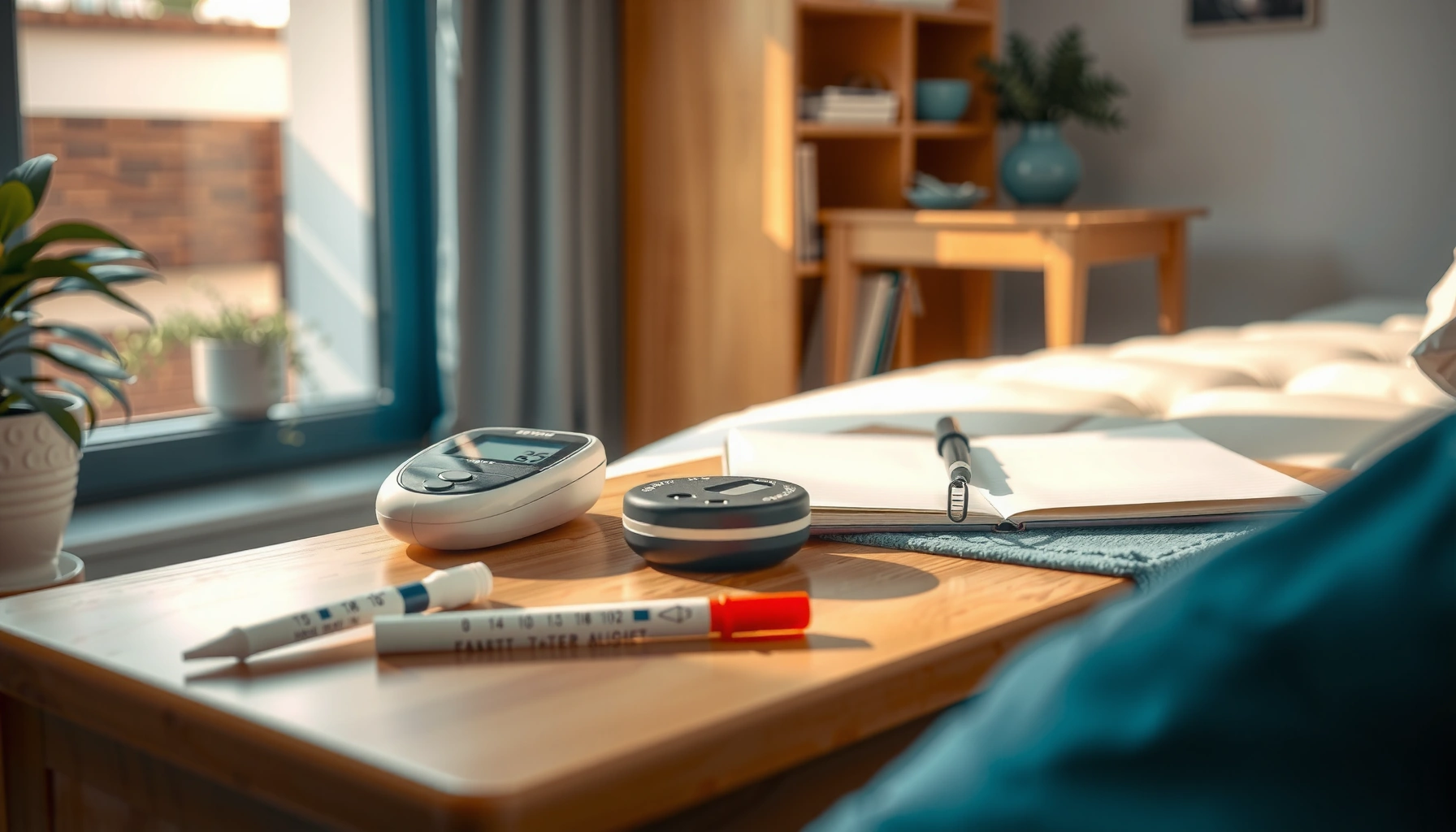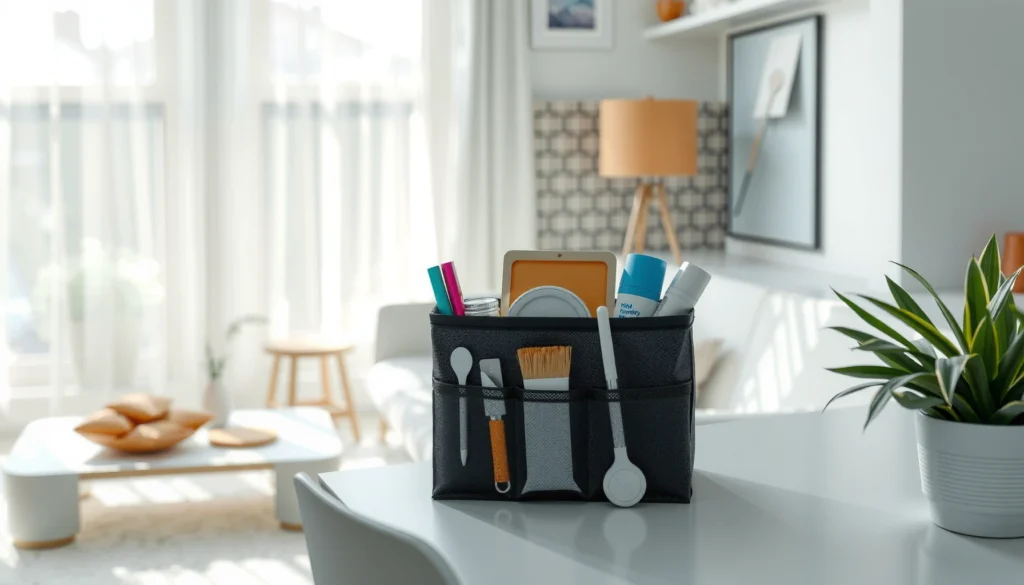

Navigating diabetes management is simpler and less stressful when your essential supplies are well-organized. While there isn’t a single ‘best’ diabetic supply organizer that fits everyone, the ideal choice hinges on your specific lifestyle, the volume of supplies you use, and whether you need it for daily carry, travel, or home storage. The best organizers combine practical design with durability, offering specialized compartments to keep everything from meters and test strips to insulin pens and lancets neatly arranged and readily accessible. This guide will help you pinpoint the perfect organizer to simplify your diabetes care routine.



Why a Dedicated Diabetic Organizer is Crucial
A dedicated organizer for diabetic supplies transcends mere convenience; it is a fundamental tool for effective and stress-free diabetes management. It transforms a potentially chaotic collection of medical necessities into an orderly, accessible system, directly impacting health outcomes and daily peace of mind.
* Ensures Accessibility and Readiness: In diabetes management, time can be critical. A dedicated organizer ensures that your blood glucose meter, test strips, lancets, insulin pens, or pump supplies are always in their designated place, readily available the moment they are needed. This immediate accessibility is vital during routine checks, preventing delays that could impact blood sugar control. More importantly, in situations requiring immediate intervention—such as treating hypoglycemia or hyperglycemia—the ability to quickly locate crucial supplies like glucose tablets, glucagon, or insulin can be life-saving. Without an organized system, precious minutes can be lost searching through bags or drawers, leading to increased stress and potentially adverse health consequences. It empowers individuals to respond promptly and confidently to their body’s needs.
* Reduces Stress and Clutter: The daily demands of managing diabetes can be overwhelming. A cluttered environment, whether at home or on the go, only compounds this stress. A specialized diabetic organizer streamlines your routine by keeping all essentials consolidated and tidy. This reduction in visual and mental clutter makes the management process feel less daunting and more manageable. At home, it creates a designated “diabetes station,” preventing supplies from scattering across countertops or disappearing into the depths of drawers. For those on the move, a compact organizer eliminates the frantic rummaging through a backpack or purse, fostering a sense of control and preparedness that significantly lessens anxiety associated with managing diabetes in public or unfamiliar settings.
* Protects Delicate Supplies: Many diabetic supplies are delicate and sensitive to environmental factors, making their protection paramount. Blood glucose meters can be easily damaged by impacts, leading to inaccurate readings. Test strips are highly susceptible to humidity and extreme temperatures, which can compromise their accuracy and render them ineffective. Insulin, a temperature-sensitive medication, requires protection from both heat and freezing to maintain its efficacy. Dedicated cases are designed with padding, secure elastic loops, and specialized compartments to safeguard these vital items from physical damage, crushing, or contamination. Furthermore, insulated organizers are crucial for maintaining insulin at its optimal temperature range, ensuring its potency and preventing wastage. This protective barrier extends the lifespan of supplies and, more critically, ensures their reliability when they are needed most.
Understanding Different Types of Organizers
The landscape of diabetic supply organizers is diverse, with solutions tailored to various lifestyles and needs. Understanding these categories is the first step toward selecting the most effective system for your personal management style.
* Travel Cases: These organizers are engineered for the realities of life on the go. Typically compact yet robust, travel cases are designed to withstand the rigors of transit while keeping supplies secure and accessible. Key features often include hardshell exteriors for shock absorption, multiple zippered compartments, and elastic straps to hold items like insulin pens, vials, and syringes firmly in place, preventing shifting and breakage. Many travel cases also incorporate insulated compartments or come with dedicated space for ice packs or gel packs, crucial for maintaining the temperature of insulin and other temperature-sensitive medications during flights, road trips, or extended outings. They often comply with TSA regulations for medical supplies, making airport security checks smoother. Their capacity is generally designed for a few days to a week’s worth of supplies, making them ideal companions for vacations, business trips, or even day-long excursions.
* Daily Carry Pouches: For individuals who need their essentials constantly at hand, daily carry pouches offer a discreet and convenient solution. Smaller and lighter than travel cases, these pouches are designed to hold just the immediate necessities: a blood glucose meter, a small supply of test strips, lancets, and perhaps one or two insulin pens or a pump infusion set. They often feature a slim profile, allowing them to slip easily into a purse, backpack, or even a large pocket without adding significant bulk. Materials range from durable fabrics to more stylish leatherettes, offering options that blend seamlessly with personal accessories. The emphasis here is on quick access and portability, ensuring that routine blood sugar checks or insulin doses can be administered with minimal disruption to one’s day, whether at work, school, or social events.
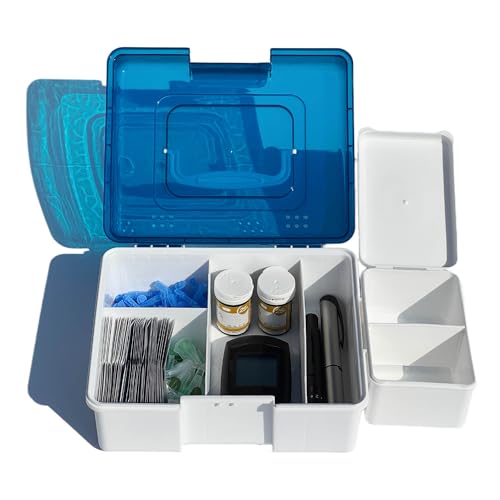
* Home Storage Solutions: When it comes to managing a larger inventory of diabetic supplies, including backup medications, bulk purchases of test strips, infusion sets, or unopened insulin vials, home storage solutions become indispensable. These larger organizers are not designed for portability but rather for comprehensive, stationary organization. Options include multi-compartment bins, tiered caddies, drawer inserts, or even small, dedicated medical cabinets. They help consolidate bulk supplies, keeping them neatly categorized, out of sight, and protected from environmental factors or curious pets and children. Clear containers are particularly useful for quick visual inventory checks, preventing unexpected shortages. These solutions are vital for maintaining an efficient “diabetes hub” within the home, ensuring that supplies are always available for refilling daily carry pouches or for long-term storage and rotation, especially for families managing diabetes for multiple members.
Essential Features to Consider When Choosing
Selecting the optimal diabetic supply organizer requires careful consideration of several key features, each contributing to the overall functionality, durability, and convenience of the chosen solution.
* Size and Capacity: The primary consideration for any organizer is its ability to comfortably accommodate all your necessary supplies without being overly bulky or too restrictive. Begin by taking an inventory of everything you regularly carry: your blood glucose meter, test strips, lancet device, insulin pens or vials, syringes, alcohol wipes, glucose tablets, ketone strips, and any specific medications or pump supplies. A frequent traveler will require more capacity than someone who primarily needs supplies for daily, short outings. Look for organizers that offer enough space for current needs and a little extra for emergencies or slight variations in your routine. Oversized organizers can be cumbersome, while undersized ones lead to frustration and items being left behind, undermining the very purpose of organization.
* Compartmentalization: Effective organization hinges on smart compartmentalization. The best organizers feature a variety of dedicated pockets, elastic loops, mesh sections, and zippered dividers designed to separate and secure different types of items. Elastic loops are excellent for holding insulin pens, lancet devices, or medication vials snugly, preventing them from rolling around and potentially being damaged. Mesh pockets offer visibility for frequently accessed items like test strips or alcohol wipes, while zippered compartments provide secure storage for smaller, more valuable items. Thoughtful compartmentalization not only keeps items neat but also prevents cross-contamination and ensures that delicate equipment is not jostled against harder items, reducing the risk of breakage or malfunction. Some advanced organizers even offer removable dividers, allowing for customization based on individual supply needs.
* Durability and Material: An organizer is an investment in your health management, so its durability is paramount. Choose materials that can withstand the rigors of daily use, travel, or frequent handling. Medical-grade nylon, rigid EVA (ethylene-vinyl acetate) shells, and high-quality synthetic fabrics are common choices known for their resilience. Look for robust zippers that operate smoothly and won’t snag or break easily. The material should also be easy to clean, as medical supplies require a hygienic environment. Water-resistant exteriors are highly beneficial, offering an extra layer of protection against accidental spills or inclement weather, safeguarding sensitive electronics and medications from moisture damage. A well-constructed organizer will provide reliable protection for your supplies for years to come.
* Insulation (if needed): For individuals who use insulin or other temperature-sensitive medications, insulation is not just a desirable feature but a critical necessity. Insulin must be stored within a specific temperature range to maintain its potency. Exposure to extreme heat or freezing temperatures can quickly render it ineffective, posing serious health risks. Insulated organizers typically feature a thermal lining, often made with specialized foils or foams, and may include dedicated compartments for small gel packs or ice packs. It is crucial to understand how long the insulation can maintain the required temperature, particularly for extended travel or time spent in varying climates. Some advanced organizers include a small internal thermometer to monitor temperature, offering added peace of mind. Always verify the manufacturer’s recommendations for use with cooling elements to ensure optimal medication preservation.
Top Categories of Organizers for Specific Needs
Tailoring your organizer choice to your specific lifestyle ensures maximum utility and convenience. Different life scenarios demand different organizational solutions, each optimized for particular challenges.
* For the Frequent Traveler: For those whose lifestyle involves regular travel, prioritizing organizers that combine robust protection with practical travel features is essential. These cases should be shock-proof, featuring hard exteriors or heavily padded compartments to protect delicate meters and vials from impacts sustained during transit. Secure, high-quality zippers are crucial to prevent accidental opening, particularly in overhead bins or luggage compartments. Temperature control features, such as integrated insulation and dedicated spaces for reusable gel packs, are non-negotiable for insulin users navigating varying climates or long travel durations. Consider cases with external straps or sleeves that can attach to luggage handles, or designs that can slip easily into carry-on bags while still providing quick access during security checks. Some even include discreet pockets for passports or travel documents, streamlining the entire travel experience.
* For Daily Convenience: For the individual who needs their diabetic essentials readily available throughout the day without significant bulk, lightweight, discreet pouches are the ideal solution. These organizers are designed for optimal portability and quick access, fitting seamlessly into a busy daily routine. Look for small, slim pouches that can be easily tucked into a purse, backpack, brief case, or even carried by hand. Features like a compact design, easy-to-open closures (e.g., magnetic snaps or smooth zippers), and a minimalist aesthetic are highly valued. They typically hold just the absolute essentials – a meter, strips, lancets, and one or two insulin pens – making them perfect for work, school, social outings, or running errands. The goal is to provide immediate access to necessary supplies without drawing undue attention, offering both functionality and discretion.
* For Comprehensive Home Storage: Managing a larger inventory of diabetic supplies at home requires a more robust and expansive organizational strategy. Comprehensive home storage solutions are designed to consolidate bulkier items, backup supplies, and longer-term needs in an efficient and accessible manner. Options range from multi-tiered caddies with adjustable compartments to stackable clear bins, or even dedicated drawer organizers. The focus here is on maximizing space, allowing for easy categorization of items like multiple boxes of test strips, infusion sets, pump reservoirs, unopened insulin boxes, and backup medications. Clear containers are particularly beneficial for quick visual checks of inventory levels, preventing last-minute rushes to the pharmacy. For families, especially those with children, considering lockable options or designating a high, out-of-reach cabinet can add an important layer of safety and security. Creating a central, well-stocked “diabetes station” at home simplifies the restocking process for daily carry bags and ensures continuous preparedness.
Tips for Effective Organization and Maintenance
Beyond choosing the right organizer, consistent habits and proper maintenance are key to truly effective and stress-free diabetes management. These practices ensure your system remains efficient and your supplies are always ready for use.
* Regular Inventory Checks: Effective organization isn’t a one-time task; it’s an ongoing process. Establish a routine for regular inventory checks, perhaps weekly or bi-weekly, to ensure all your supplies are present, within their expiration dates, and adequately stocked. This proactive approach prevents the stressful scenario of running out of critical items like test strips or insulin at an inconvenient time. When restocking, practice the “first-in, first-out” (FIFO) method: place newer supplies behind older ones to ensure you use items before they expire. Keep a small list or a digital note of reorder points for each item, so you know exactly when to purchase replacements. This systematic review not only guarantees readiness but also minimizes waste from expired products.
* Keep it Clean: Maintaining hygiene for your diabetic supply organizer is paramount, especially since it holds items that come into contact with your body and blood. Regularly wipe down the interior and exterior of your organizer with a damp cloth and mild soap or a disinfectant wipe. Pay particular attention to areas that are frequently touched or where supplies are stored. For fabric organizers, check the manufacturer’s cleaning instructions; some may be machine washable, while others require spot cleaning. Ensure the organizer is completely dry before storing supplies to prevent moisture buildup, which can damage delicate items like test strips or electronics, and inhibit bacterial growth. A clean organizer not only promotes better hygiene but also creates a more pleasant and professional environment for managing your health.
* Designate a “Home”: To truly leverage the benefits of your organizer, always return it to a consistent, designated “home” location. Whether it’s a specific drawer in your kitchen, a shelf in your bedroom, or a corner of your desk, having a fixed spot for your organizer eliminates the frustration of searching for it when you’re in a hurry or need supplies quickly. This simple habit reinforces routine and creates a reliable system. For daily carry pouches, ensure it always goes into the same pocket of your work bag or sits on a specific hook by the door. This consistency makes it second nature to grab your supplies as you head out and ensures that, in an emergency, you know exactly where to locate your vital diabetes management tools without any delay.
Choosing the right diabetic supply organizer is an investment in peace of mind and efficient diabetes management. By considering your lifestyle, the types of supplies you use, and the key features that matter most to you, you can find the perfect solution to keep your essentials organized, accessible, and protected. Take the stress out of managing your supplies and empower yourself with a system that truly works – start exploring the best organizer for your needs today.
Frequently Asked Questions
What essential features should I look for in the best diabetic supply organizer?
When choosing a diabetic supply organizer, prioritize dedicated compartments for various items like insulin pens, syringes, test strips, and your glucose meter to ensure everything has its place. Look for durable, easy-to-clean materials, and consider portability with a secure closure if you plan to travel. Additionally, some of the best organizers offer an insulated section to maintain insulin temperature, which is a critical feature for many users.
What is the best type of diabetic supply organizer for daily home use versus travel?
For daily home use, a larger, multi-compartment diabetic supply organizer, possibly a stationary caddy or drawer insert, works best for keeping all supplies readily accessible in one location. For travel, however, a compact, durable, and often insulated diabetic travel case or bag is ideal. These portable organizers protect delicate supplies, often feature gel pack pockets for temperature control, and are designed to fit easily into luggage or carry-on bags, making them perfect for on-the-go management.
How can a diabetic supply organizer help prevent lost or expired medication?
A well-designed diabetic supply organizer creates a centralized, visible system for all your diabetes management tools and medications, significantly reducing the chance of misplacing items. By having dedicated slots and clear sections, you can quickly inventory your supplies, making it easier to notice when something is running low or nearing its expiration date. This systematic storage approach helps ensure you always have what you need and minimizes wasted expired products, leading to better overall diabetes care.
Why is an insulated compartment important in a diabetic supply organizer?
An insulated compartment in a diabetic supply organizer is crucial for protecting temperature-sensitive medications like insulin from extreme heat or cold. Insulin can lose its effectiveness if exposed to temperatures outside its recommended range, which can be dangerous for diabetes management. This feature helps maintain a stable internal environment for your insulin pens, vials, or other medications, especially vital during travel, outdoor activities, or in environments where temperature fluctuations are common, ensuring medication efficacy.
Which supplies should I always keep in my portable diabetic organizer for emergencies or daily outings?
For emergencies or daily outings, your portable diabetic organizer should always contain essential items like your glucose meter, extra test strips, lancets, alcohol wipes, and at least one insulin pen or syringe with a backup vial (if applicable). Don’t forget fast-acting glucose (e.g., glucose tablets or gel) for low blood sugar emergencies, and include a copy of your prescription, a doctor’s note, and emergency contact information. This ensures you’re prepared for any situation while managing your diabetes away from home.
References
- https://diabetes.org/tools-resources/living-with-diabetes/travel
- https://www.jdrf.org/t1d-resources/living-with-t1d/daily-life/traveling/
- Coffee calories: Sabotaging your weight loss? – Mayo Clinic
- https://www.niddk.nih.gov/health-information/diabetes/overview/managing-diabetes/caring-your-diabetes-when-youre-sick
- https://www.cdc.gov/diabetes/managing/managing-medications.html
- https://www.mayoclinic.org/diseases-conditions/diabetes/in-depth/diabetes-management/art-20047530
- https://diabetes.org/newsroom/press-releases/2021/diabetes-supplies-tips-and-storage